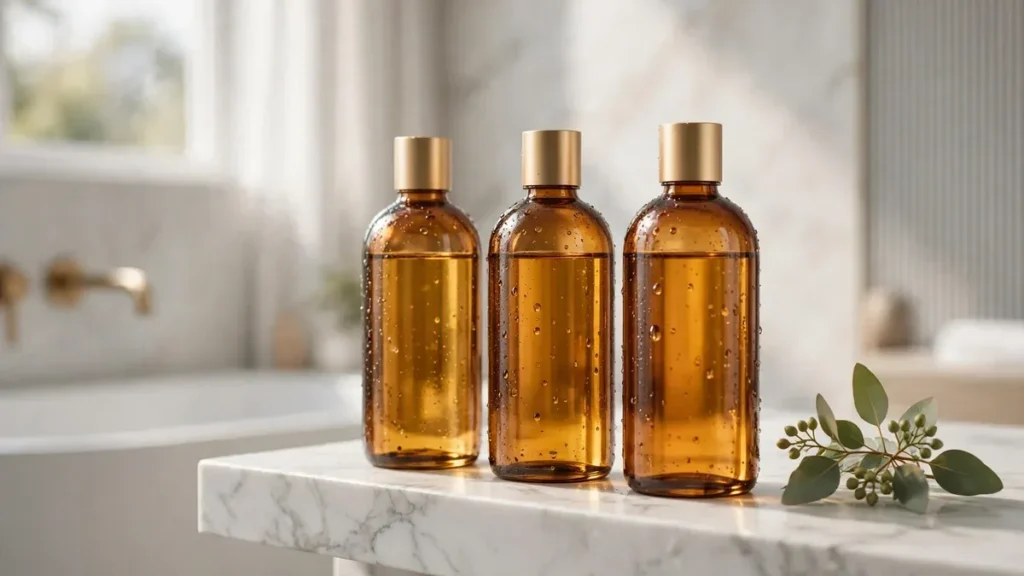
The best luxury shower oil brands understand that a shower can clean your skin without stripping it. A good shower oil starts as a silky oil on wet skin, turns into a soft, milky emulsion when it meets water, and rinses away cleanly, leaving skin feeling soft and comfortable rather than tight, squeaky, or coated. It is a small change to a daily routine, but for dry, sensitive, or easily irritated skin, it can be the difference between a shower that soothes and one that leaves you reaching for moisturiser within minutes.
The problem is that not every product labelled a shower oil behaves the same way. Some are true cleansing oils that emulsify and rinse clean. Others are rich oils that sit on the skin and need a second wash, and a few are little more than a scented gel with a drop of oil in the name. Price is a poor guide on its own: some of the most reliable shower oils are pharmacy staples, while some of the most expensive are bought mainly for their fragrance.
Below are nine shower oils worth considering in 2027, from a classic almond oil that has earned its following over decades to gentle, fragrance-free options for very dry and reactive skin. Each one is described by what it does well, what to watch for, and who it suits best, so you can choose with your skin in mind, not just a bestseller list.
Key takeaways
- A true shower oil emulsifies into a light milk on contact with water and rinses clean, leaving softness without a greasy film.
- Choose by skin type first: dry and sensitive skin suits fragrance-free, lipid-rich formulas, while normal skin can enjoy scented luxury oils.
- Apply a shower oil to wet skin, massage it in gently, and rinse well; a small amount is usually enough for the whole body.
- A shower oil cleanses and softens, but it does not replace moisturiser for very dry skin, especially in cold weather.
- No shower oil suits every skin type, and a formula that smells beautiful can still irritate reactive skin, so patch-test before full use.
What a shower oil actually is
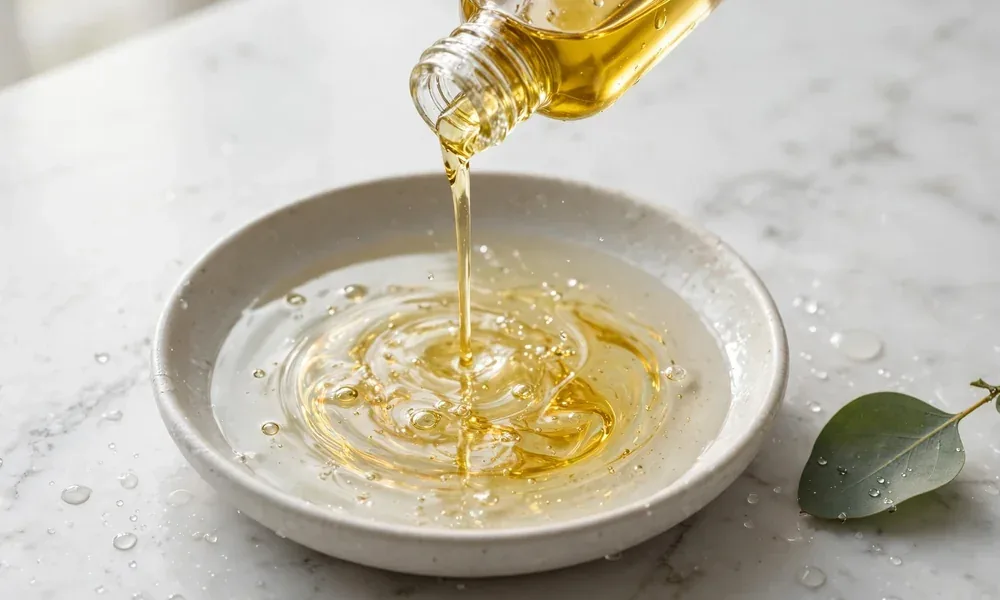
A shower oil is a rinse-off cleansing oil designed for use in the shower. It is made mainly from plant oils and gentle cleansing agents, and its defining trick is emulsification. On dry or wet skin it feels like an oil. Add water and it turns milky, lifts away sweat, sunscreen, and the day’s build-up, and then rinses off without leaving a heavy residue. That is what separates it from a leave-on body oil, which is meant to stay on the skin, and from a bath oil, which is designed to disperse in bath water rather than to cleanse under running water.
The benefit is comfort. Traditional soaps and foaming gels clean well, but they can also remove the skin’s own lipids, which is why skin can feel tight or dry after a hot shower. A shower oil cleans while leaving a thin layer of nourishing oils behind, so skin feels supple rather than stripped. That matters most for dry skin, mature skin, and skin that reacts to fragrance or harsh cleansers, but many people with normal skin simply prefer the softer finish and the quieter, more refined scent of an oil.
The difference from other body care is worth keeping clear. A luxury body oil is a finishing step, massaged into damp skin after the shower to seal in moisture and add glow. A shower oil is the cleansing step itself. Used together they make a coherent routine, but a shower oil on its own is not a moisturiser, and a body oil on its own does not cleanse. Knowing which job each product does is the simplest way to avoid disappointment.
How we chose these shower oils
We chose these nine by looking at the oil base, the cleansing system, the scent, and the skin feel after rinsing. A strong candidate had to use genuine plant oils, emulsify cleanly with water, and leave skin feeling soft without a greasy film.
We left out gels with oil in the name, oils that do not emulsify, and very small labels with limited availability. Price was considered, but it was not the deciding factor: some oils here are genuinely expensive, while others offer strong value for the bottle size.
What to look for
Look first at the base oils. Sweet almond, sunflower, grapeseed, and shea are common for good reason: they feel light, spread easily, and suit most skin. A formula that lists a plant oil near the top of the ingredient list is usually a genuine oil. Look next at the fragrance: a refined scent is part of the luxury, but if your skin is reactive, a fragrance-free formula is the safer choice.
Look finally at the rinse. A good shower oil should turn milky on contact with water and wash away cleanly, leaving skin soft but not coated. If it leaves a film, or if the shower floor stays slippery, you are probably using too much. A pump bottle helps, because it dispenses a measured amount and keeps water out of the bottle.
L’Occitane Almond Shower Oil
What we like: A classic almond shower oil that turns into a fine, milky foam on contact with water, with a soft, warm almond scent and a clean rinse. It leaves skin noticeably soft and suits daily use.
What to consider: The almond scent is present and lingers lightly, so it may not suit you if you prefer unscented care. It is also best used in a moderate amount, as too much can feel rich. Key ingredients: Sweet almond oil, grapeseed oil. Skin type: Normal, dry. Size: 250 ml and 500 ml. Cruelty-free: No.
Nuxe Huile Prodigieuse Shower Oil
What we like: A golden, lightly shimmering shower oil with the warm, familiar scent of the original Huile Prodigieuse, which cleanses gently and leaves a soft sheen on the skin.
What to consider: The scent is distinctive and fairly present, and the shimmer, while subtle, may not suit everyone. It is a pleasure product first, so very sensitive skin may prefer a fragrance-free option. Key ingredients: Plant oils, including sweet almond and camellia. Skin type: Normal, dry. Size: 200 ml. Cruelty-free: No.
Clarins Tonic Bath and Shower Concentrate
What we like: A concentrated oil with rosemary, geranium, and mint that feels fresh and invigorating in the shower, and can also be used in the bath. A small amount goes a long way.
What to consider: The herbal scent is strong and stimulating, so it suits mornings better than evenings, and it may feel too active for very sensitive skin. Use less than you think you need at first. Key ingredients: Rosemary, geranium, mint essential oils. Skin type: Normal, combination. Size: 200 ml. Cruelty-free: No.
Diptyque Do Son Shower Oil
What we like: A refined shower oil with the soft, floral scent of Do Son, tuberose and orange blossom, which turns to a light foam and leaves a gentle, elegant fragrance on the skin.
What to consider: This is the most expensive oil here, and the fragrance is the main reason for the cost. If you are sensitive to scent, use a small amount first and patch-test. Key ingredients: Plant oils, gentle cleansing agents. Skin type: Normal, dry. Size: 200 ml. Cruelty-free: No.
La Roche-Posay Lipikar Cleansing Shower Oil AP+
What we like: A gentle, fragrance-free shower oil for very dry and eczema-prone skin, with shea butter and niacinamide, which cleanses without stripping and leaves skin feeling calm and comfortable.
What to consider: It is unscented and practical rather than luxurious in feel, and it is best for skin that needs care rather than fragrance. The large bottle is generous, so store it upright and keep the pump clean. Key ingredients: Shea butter, niacinamide, glycerin. Skin type: Very dry, sensitive, eczema-prone. Size: 400 ml. Cruelty-free: No.
Avene XeraCalm A.D. Cleansing Oil
What we like: A lipid-replenishing cleansing oil for very dry, itchy, and atopic-prone skin, which is soap-free, fragrance-free, and designed to soothe as it cleanses.
What to consider: It is a treatment-led formula rather than a scented luxury, so do not expect a fragrance experience. It also works best as part of a gentle routine, with lukewarm water and a moisturiser afterwards. Key ingredients: Cer-omega lipids, evening primrose oil. Skin type: Very dry, atopic-prone, sensitive. Size: 400 ml. Cruelty-free: No.
Bioderma Atoderm Shower Oil
What we like: A gentle, fragrance-free shower oil with niacinamide that cleanses dry and sensitive skin without tightness, and rinses cleanly with a soft, comfortable finish.
What to consider: It is unscented and understated, so it will not feel like a luxury fragrance product. It is also widely available in larger sizes, which makes it good value for a household. Key ingredients: Niacinamide, plant oils. Skin type: Dry, sensitive, normal. Size: 200 ml and 1 litre. Cruelty-free: No.
Eucerin pH5 Shower Oil
What we like: A pH-balanced shower oil for sensitive skin, with a mild cleansing system that respects the skin’s natural balance and leaves it feeling soft rather than dry.
What to consider: The formula is gentle and lightly scented, so it suits sensitive skin better than it suits anyone looking for a strong fragrance. Use lukewarm water, as very hot water dries skin whatever you cleanse with. Key ingredients: Plant oils, pH5 citrate buffer. Skin type: Sensitive, dry, normal. Size: 400 ml. Cruelty-free: No.
Susanne Kaufmann Shower Oil
What we like: A spa-led shower oil with a calm, herbal character and a clean, light texture, which suits people who want effective skin care without heavy fragrance or a rich film.
What to consider: The scent is gentle and the packaging is simple, so the experience is quieter than with more perfumed brands. Availability can also be more limited, so check stockists before you settle on it. Key ingredients: Plant oils and botanical extracts. Skin type: Normal, sensitive, dry. Size: 250 ml. Cruelty-free: Yes.
Background: how to use a shower oil well
Start with wet skin and lukewarm water. Pour a small amount, usually one or two pumps, into your hands, massage it over your body, and let the water turn it milky as you rinse. The oil should spread easily and wash away cleanly. If you find yourself using a large amount every time, try less: a good shower oil is concentrated, and using too much is the most common reason skin feels coated or the shower floor feels slippery.
After the shower, pat your skin dry rather than rubbing it, and apply moisturiser while your skin is still slightly damp if it is very dry. Damp skin holds moisture better than fully dry skin, and a shower oil plus a moisturiser is stronger than either one on its own. Our guide to a body skincare routine for smooth, healthy skin explains how the steps fit together, from cleansing to moisturising, so you can build a routine that suits your skin rather than collecting products at random.
Shower oils also suit shaving better than many foaming gels, because the oil gives the razor a smooth surface to glide over. Rinse the blade often, and moisturise afterwards, since shaving itself can dry the skin. In winter, follow it with a richer cream or body oil on the areas that dry out first.
The caveats that matter
Shower oils are gentle, but they are not right for every skin type. Some formulas contain essential oils or fragrance that can irritate sensitive skin, and some are rich enough to leave a film on the shower floor, which is a slipping hazard. Always rinse the shower after use and take care when stepping in and out. People with very dry, broken, or eczema-prone skin should also be careful, as some scented oils can sting on irritated skin.
Price is another caveat. A high price does not always mean a better formula, and some of the most expensive oils are costly mainly because of fragrance and packaging. Compare bottle size and base oils before deciding whether the price is fair. A healthy skin barrier is what lets a gentle cleanser do its work, and no shower oil, however luxurious, can repair a barrier that is being stripped by very hot water, harsh scrubs, or too many active products at once.
| Detail | What is known |
|---|---|
| What it is | A rinse-off cleansing oil that emulsifies into a milk with water |
| Best for | Dry, sensitive, and mature skin, and anyone who dislikes tightness after showering |
| How to use it | Apply to wet skin, massage gently, rinse well with lukewarm water |
| How much to use | One to two pumps is usually enough for the whole body |
| What it does not do | It does not replace moisturiser for very dry skin |
| Who should start gently | Sensitive, reactive, or eczema-prone skin; choose fragrance-free first |
| What to avoid | Very hot water, using too much oil, and leaving residue on the shower floor |
| When to replace it | If it smells rancid, feels sticky, or irritates skin it used to suit |
If you are pregnant, breastfeeding, or using prescription skincare, check with your clinician or dermatologist before adding a new scented product, especially one with essential oils. That is not a formality. Prescription treatments change what your skin can tolerate, and a simple check avoids weeks of irritation.
Checklist: choosing a shower oil honestly
Use these checks before you buy, and again after two weeks of use.
- Check the base oils: a plant oil near the top of the ingredient list, not near the end.
- Check the rinse: it should turn milky with water and wash away cleanly, without a greasy film.
- Check the scent: choose fragrance-free first if your skin is sensitive or reactive.
- Patch-test first: apply to a small area of skin for two to three days before full-body use.
- Start with a small amount: one to two pumps is usually enough, and more is not better.
- Rinse the shower after use: remove oil residue from the floor to prevent slipping.
Frequently asked questions
Can I use a shower oil every day?
Yes, most shower oils are gentle enough for daily use. If your skin is very dry, use lukewarm water and follow with moisturiser.
Is a shower oil the same as a bath oil?
No. A shower oil is a rinse-off cleanser for use under running water, while a bath oil is designed to disperse in bath water and soften the skin during a soak. Some products work in both, but a dedicated shower oil usually rinses cleaner in the shower.
Will a shower oil make my skin greasy?
A good shower oil should leave skin feeling soft, not greasy. It forms a light layer that helps lock in moisture, and most of it rinses away. If your skin feels coated, you have probably used too much.
Can I use a shower oil if I have sensitive skin?
Yes, but choose carefully. Look for a fragrance-free formula with a short ingredient list, patch-test first, and stop if your skin feels irritated. Scented luxury oils are best kept for skin that is not reactive.
Can I use a shower oil to shave?
Yes, many people do. The oil gives the razor a smooth surface to glide over. Rinse the blade often and moisturise afterwards.
Do I still need moisturiser if I use a shower oil?
For normal skin, often not in summer. For very dry skin, especially in winter, yes: a shower oil cleanses and softens, but a moisturiser seals in that softness for longer.
The bottom line
The best luxury shower oil brands turn an ordinary shower into a small daily ritual, and the right one depends on your skin. L’Occitane and Nuxe suit dry skin that wants richness and scent, Clarins and Diptyque suit those who want a refined fragrance that lingers, and La Roche-Posay, Avene, Bioderma and Eucerin suit sensitive skin that needs a gentle, fragrance-light formula. Susanne Kaufmann sits between the two, with a spa-like feel and a clean, herbal character.
Start with one bottle, use one or two pumps, and give it two weeks before deciding. A shower oil should leave skin soft and comfortable, never coated or tight, and the best test is how your skin feels an hour after you step out of the shower.
Patch-test new products first, and speak to a dermatologist if you have a skin condition, are using prescription treatment, or are pregnant or breastfeeding.