Wisteria is not a flower you plan a holiday around by accident. It blooms for about two to three weeks, the hanging purple clusters open all at once, and then the petals fall like soft rain and the season is over. That short window is exactly what makes a wisteria retreat so appealing. For a few days each spring, a garden, a tunnel, or a whole village turns violet, and the air smells sweet and a little grape-like.
The trouble is that the bloom does not wait for anyone. Book too early and the buds are still tight and green. Book too late and you are looking at bare vines and a carpet of fallen petals. Prices rise sharply during peak bloom, popular gardens limit entry, and the most atmospheric stays sell out months ahead.
Below are nine luxury wisteria retreats worth considering in 2027, from a riverside garden stay in Kyoto to a wisteria-draped villa in Tuscany and a vine-covered porch stay in Charleston. Each one is described by what it does well, what to watch for, and who it suits best, so you can choose a stay that matches the way you travel, not just the prettiest photograph.
Key takeaways
- Wisteria blooms for roughly two to three weeks in spring, and the peak lasts only a few days, so timing matters more than the choice of hotel.
- Tunnels, pergolas, and free-standing trees give very different experiences, and the best retreat is the one near the form of wisteria you most want to see.
- Book the garden visit first and the stay second, because entry tickets and bloom dates are harder to change than a hotel reservation.
- Wisteria is beautiful but mildly toxic if eaten, so families with small children or pets should check garden rules before visiting.
- No retreat can guarantee full bloom on your dates, and a stay that promises it is overselling the season.
What a luxury wisteria retreat actually is
A wisteria retreat is a stay built around the bloom, not just a hotel near a garden. The best ones sit within walking distance of the vines, or they have wisteria of their own, trained over a pergola, a courtyard, or a terrace, so the flowers are part of the stay itself. You wake up to the scent, you eat breakfast under the clusters, and you do not need a car or a queue to see the bloom at its best.
That matters because wisteria is best early in the morning. The light is softer, the crowds are thinner, and the scent is strongest in the cool air. A stay on the doorstep means you can walk over at opening time, come back for lunch, and return in the evening when the flowers glow in the low sun.
Wisteria also comes in distinct forms, and it helps to know which one you are chasing. The famous tunnels, where vines are trained over a long frame, create a purple ceiling you walk beneath. Pergolas give shade and scent over a terrace or a path. Free-standing trees, pruned into umbrellas, are the oldest and most sculptural.
How we chose these retreats and what to look for
Look first at the distance between the stay and the vines. A retreat that is a short walk from a wisteria garden is worth more than a grander hotel an hour away, because the bloom is a morning experience.
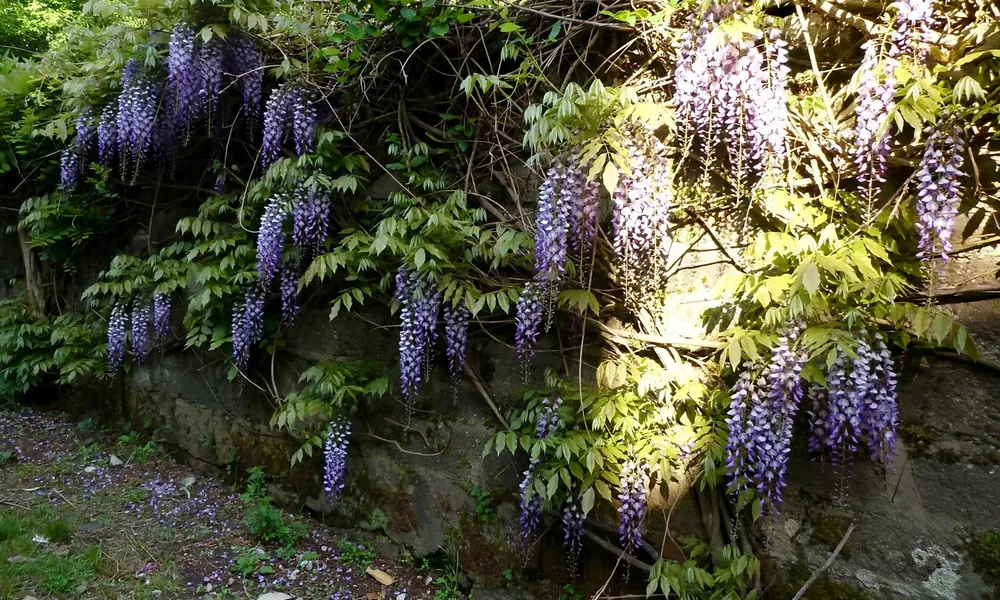
Look next at the bloom window the stay is honest about. Good retreats publish realistic dates, usually a range of two to three weeks, and they explain that the peak moves with the weather. A stay that talks about the bloom honestly is a stay you can trust on the rest of the details too.
Finally, look at what the stay offers when the flowers are not at their best. Rain, wind, and an early or late bloom are all possible, and a good retreat has a garden to wander, a spa, a good restaurant, or a town worth exploring, so the trip is still a pleasure if the wisteria is a week off. Our guide to the best luxury tulip farm retreats follows the same logic, because flower seasons are short everywhere, and a stay that only works in full bloom is a gamble, not a plan.
The 9 best luxury wisteria retreats of 2027
Kyoto riverside wisteria garden stay, Japan
What we like: A quiet garden stay beside a river, with wisteria trained over a long pergola along the water, best in the early morning before the day visitors arrive. What to consider: Peak bloom in Kyoto is usually late April, and the city is busy, so book the garden entry as soon as dates open. Best For: First-time wisteria travellers who want gardens, temples, and easy walking in one trip. Style: Traditional garden inn with modern rooms. Price Range: Around $350 to $600 per night in peak season. Standout Feature: A riverside pergola walk at dawn, when the scent is strongest and the path is nearly empty.
Tochigi wisteria tunnel stay, Japan
What we like: The closest stay to one of Japan’s great wisteria tunnels, where the vines form a purple ceiling overhead and the light falls in soft violet patches. What to consider: The tunnel is the most photographed wisteria in Japan, so weekends in peak bloom are crowded, and tickets are timed. Best For: Photographers and anyone who wants the tunnel experience without a long day trip. Style: Modern country hotel with garden views. Price Range: Around $280 to $520 per night in peak season. Standout Feature: A tunnel walk at opening time, before the tour groups arrive.
Fukuoka wisteria garden stay, Japan
What we like: A garden stay near one of the oldest wisteria displays in Japan, with huge, old vines and a relaxed, less hurried atmosphere than the famous tunnels. What to consider: The bloom here can peak a little earlier than in Kyoto, so check the local forecast rather than the national one. Best For: Travellers who prefer old gardens and quiet towns to famous sights. Style: Small garden hotel with a tea house. Price Range: Around $220 to $420 per night in peak season. Standout Feature: Ancient wisteria trees pruned into broad umbrellas, some more than a century old.
Provence wisteria-covered village stay, France
What we like: A village stay where wisteria climbs the stone walls, drapes the shutters, and spills over the cafe terraces, so the flowers are part of the street, not just the garden. What to consider: Provence wisteria peaks in late April to early May, and the village is small, so rooms are few and book early. Best For: Couples who want wisteria with markets, wine, and long lunches. Style: Stone village house with a vine-covered terrace. Price Range: Around $300 to $550 per night in peak season. Standout Feature: Breakfast on a terrace under a wisteria canopy, with the village waking up below.
Tuscany wisteria villa stay, Italy
What we like: A villa stay with wisteria trained over the terrace and the courtyard, so the flowers frame the view of the hills and the scent drifts through the open windows. What to consider: Tuscan wisteria is at its best in late April and early May, and the villa is best reached by car, so plan the driving. Best For: Small groups and families who want a villa base with gardens, food, and day trips. Style: Restored stone villa with a garden terrace. Price Range: Around $400 to $750 per night in peak season. Standout Feature: Dinner on a wisteria-covered terrace as the evening light turns the flowers deep violet.
Charleston wisteria porch stay, USA
What we like: A historic porch stay in Charleston, where wisteria climbs the columns and drapes the piazzas, and the bloom arrives with the first warm weeks of spring. What to consider: Charleston wisteria peaks in March to early April, earlier than Japan or Europe, and spring weather can be changeable. Best For: Travellers who want wisteria with history, food, and a walkable old city. Style: Historic inn with vine-draped porches. Price Range: Around $280 to $520 per night in peak season. Standout Feature: A wisteria-covered piazza at golden hour, when the whole street smells sweet.
English country garden wisteria stay, UK
What we like: A country garden stay where wisteria climbs the house wall and frames the windows, with a garden designed for slow walks and long afternoons. What to consider: English wisteria peaks in late May, later than most of this list, and the weather is famously unreliable, so pack for rain. Best For: Garden lovers who want wisteria with cream teas, village churches, and country lanes. Style: Country house hotel with a walled garden. Price Range: Around $260 to $480 per night in peak season. Standout Feature: A wisteria-covered house front at dusk, when the flowers glow against the old brick.
Suzhou wisteria courtyard stay, China
What we like: A courtyard stay in Suzhou, where wisteria hangs over the ponds and the corridors of a classical garden, and the bloom is part of a much older garden tradition. What to consider: Suzhou wisteria peaks in April, and the famous gardens are busy at weekends, so visit on a weekday if you can. Best For: Travellers who want wisteria inside a classical garden, with canals and old streets nearby. Style: Garden courtyard hotel with water views. Price Range: Around $200 to $400 per night in peak season. Standout Feature: Wisteria reflected in a still garden pond, with the clusters hanging low over the water.
Napa Valley wisteria vineyard stay, USA
What we like: A vineyard stay where wisteria climbs the tasting-room walls and the terrace pergolas, so the bloom arrives with the first warm days of wine season. What to consider: Napa wisteria peaks in April, and the valley is busy in spring, so book tastings and the stay together. Best For: Wine lovers who want wisteria with tastings, food, and valley views. Style: Vineyard inn with a wisteria pergola terrace. Price Range: Around $350 to $650 per night in peak season. Standout Feature: A glass of wine under a wisteria pergola, with the vineyard in bloom behind you.
How to choose the right wisteria stay
Start with the form of wisteria you want. A tunnel is dramatic and photogenic, but it is also crowded and brief. A pergola is shady and scented, and it suits a slow morning. An old tree is sculptural and quiet, and it suits a contemplative visit. A village or a house wall is informal and charming, and it suits a wander.
Then think about the rest of the trip. A wisteria bloom lasts a few days at its best, and even a perfect trip needs more than flowers. The best wisteria stay is the one in a place you would enjoy even if the bloom were a week late, because sometimes it is, and the trip should still be worth the flight.
Finally, check the practical details that matter during bloom season. Is the garden entry timed, and can you book it? Is the stay within walking distance, or will you need a car or a taxi? Does the stay offer an early breakfast, so you can be at the garden at opening time? A cherry blossom retreat raises the same questions, because every short flower season rewards the same kind of planning.
The caveats that matter
Wisteria is beautiful, but it is not a plant to take lightly. The seeds and pods are mildly toxic if eaten, and the plant is vigorous enough to damage weak structures if it is not pruned. Gardens know this, and they manage it, but visitors should know it too. Admire the flowers, photograph them, and do not eat them, and do not let a child pick the pods.
| Detail | What is known |
|---|---|
| Typical bloom window | Two to three weeks in spring, with a peak of only a few days |
| Best time of day | Early morning, when the scent is strongest and the crowds are thinnest |
| Most dramatic form | Tunnels and pergolas, where the vines form a ceiling overhead |
| Earliest bloom on this list | Charleston, in March to early April |
| Latest bloom on this list | English country gardens, in late May |
| Who should take care | Families with small children and anyone travelling with a dog, as seeds and pods are mildly toxic if eaten |
| What to book first | Garden entry tickets, then the stay, because entry is harder to change |
| What no stay can promise | Full bloom on a fixed date, as the peak moves with the weather |
The other caveat is the weather. Wind strips wisteria faster than rain does, and a single storm can end a peak in a night. A trip with one flower and one morning is fragile. A trip with two gardens and three mornings is resilient, and it is usually the more enjoyable trip anyway.
Checklist: booking a wisteria retreat honestly
Use these checks before you book, and again a week before you travel.
- Check the bloom forecast for the specific garden, not the country, because bloom dates vary by region and by garden.
- Check the distance from the stay to the vines, and whether the walk is pleasant, not just short.
- Book garden entry tickets first, then the stay, and confirm whether tickets are timed or flexible.
- Check whether the stay offers early breakfast, so you can reach the garden at opening time.
- Plan a second garden or a second morning, so one windy night does not end the trip.
- Check garden rules for children and dogs, because wisteria seeds and pods are mildly toxic if eaten.
Frequently asked questions
When is the best time to visit a wisteria retreat?
It depends on the place. Charleston blooms in March to early April, Japan and Provence in late April to early May, and English gardens in late May. The bloom lasts two to three weeks, with a peak of a few days, so check the forecast for the specific garden rather than the country.
How long does a wisteria bloom last?
About two to three weeks from the first clusters opening to the last petals falling, with the fullest display lasting only a few days. Wind can shorten the peak sharply, which is why a second morning matters. A wisteria perfume captures the scent, but it cannot capture the sight of the bloom itself, so timing the visit is still the thing that matters most.
Are wisteria retreats suitable for families?
Yes, with care. Wisteria gardens are usually easy to walk, and children love the tunnels, but the seeds and pods are mildly toxic if eaten, so keep small children from picking them, and check the garden’s rules before you go. A village or villa stay is often easier with children than a timed-entry tunnel.
Do wisteria retreats cost more during peak bloom?
Usually, yes. Stays near famous gardens raise prices during the bloom window, and the best rooms sell out months ahead. Booking early, choosing a weekday, or staying a short walk away rather than on the doorstep can all bring the price down without losing the experience.
Can I see wisteria in bloom outside Japan?
Yes. Wisteria grows in France, Italy, the UK, China, and the United States, among other places, and the bloom is beautiful in all of them. Japan has the most famous tunnels, but Provence, Tuscany, Charleston, and English country gardens all offer wisteria worth travelling for, often with fewer crowds.
Is wisteria poisonous to pets?
Wisteria seeds and pods are mildly toxic if eaten, and they can cause stomach upset in dogs and cats. The flowers themselves are the main attraction, and most gardens are safe to walk through with a dog on a lead, but check the garden’s pet policy, keep dogs from chewing the pods, and ask a vet if your pet eats any part of the plant.
The bottom line
The best luxury wisteria retreat in 2027 is not the one with the most famous tunnel or the highest price. It is the one within walking distance of the vines, in a place you would enjoy even if the bloom were a week late, with a second garden or a second morning built into the plan.
Choose the form of wisteria you most want to see, book the garden first and the stay second, and go early in the morning. The bloom will not wait, but if you plan around the weather rather than the calendar, you will see it at its best, and you will have a trip worth remembering long after the petals have fallen.