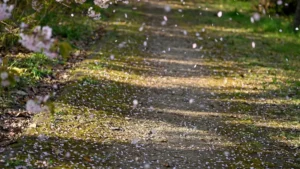
Cherry blossom season is the shortest luxury trip on the calendar. A good blossom can last ten days, a great one a fortnight, and the difference between the two is often a single warm afternoon or a night of rain. That is why a cherry blossom retreat is not a normal spring holiday. You are travelling to meet a tree at the exact moment it decides to open, and the stays that do it well are built around that uncertainty, with flexible dates, a view of the blossom from the room, and a plan for the morning after the petals fall.
The best retreats in 2027 share a few things. They sit within walking distance of a serious blossom display, not a single decorative tree in a courtyard. They treat the bloom as the main event, with early breakfasts, picnic baskets, and evening walks when the trees are lit. And they stay honest about timing. No stay can guarantee full bloom on a fixed date in March or April, and the ones worth booking say so plainly, then explain what they offer when the flowers arrive early or late.
Below are nine luxury cherry blossom retreats for 2027, from a riverside stay in Kyoto to a mountain town in Japan, a palace stay in Seoul, and a blossom-lined basin in Washington DC. Each one is described by what it does well, what to watch for, and who it suits best, so you can book with the bloom in mind, not just a pretty photograph.
Key takeaways
- Cherry blossom season lasts about one to two weeks in any one place, and the peak date moves by days or weeks from year to year.
- The best retreats sit within walking distance of a real blossom display, with flexible dates and a view of the trees from the room.
- Book for the blossom forecast, not a fixed calendar date, and keep one or two flexible days on either side of your stay.
- Early mornings and lit-up evenings are the quietest times to see the blossom, and most good stays plan around them.
- No retreat can guarantee full bloom on a set date, and a stay that promises it is overselling what any garden can control.
What a cherry blossom retreat actually is
A cherry blossom retreat is a stay organised around the blossom itself. The trees are the reason for the trip, the schedule, and the setting. Breakfast is served early so you can walk under the trees before the crowds arrive. The room faces the garden, the river, or the park where the blossom grows. The evening is kept free for a walk when the trees are lit and the air cools.
That matters because blossom is fragile. A warm spell brings it forward, a cold snap holds it back, and a strong wind can strip a tree in a single afternoon. The most famous displays, Kyoto, Yoshino, Hirosaki, are also the most crowded, and a retreat that puts you a short walk from the trees, rather than a bus ride away, changes the whole experience. You can visit at dawn, return for lunch, and go back at dusk, instead of spending the day in a queue.
It also helps to know what you are looking at. Most blossom is Somei Yoshino, the pale pink variety that opens across Japan in late March and early April. Later varieties, such as the deep pink Kanzan, open two or three weeks after, and the weeping shidarezakura blooms earlier and lasts longer.
How we chose these retreats and what to look for
Look first at distance. A retreat that calls itself a blossom stay should be within a short walk of a genuine display, a riverbank of trees, a castle park, a temple garden, or a whole mountainside. If the blossom is a drive away, the stay is a hotel near blossom, not a blossom retreat, and the difference shows in how you spend your days.

Look next at flexibility. The best stays offer a change of dates without a heavy fee, or a second night at a reduced rate if the bloom arrives late. Some hold a small number of rooms for the forecast week and release them once the first buds open. That kind of flexibility is worth more than a spa or a tasting menu when the whole trip depends on a flower. Our guide to luxury tulip farm retreats follows the same logic, because a flower-led trip always depends on timing more than on the room.
Finally, look at the plan for the day after the petals fall. A good retreat has a second reason to stay: a garden, a market, a temple, a walk, a kitchen worth eating in. Blossom is a bonus on top of a good place, not a substitute for one.
The 9 best luxury cherry blossom retreats of 2027
Kyoto riverside stay
What we like: A quiet riverside setting a short walk from a long avenue of Somei Yoshino, with rooms facing the water and the trees, early breakfasts, and a garden that stays open after dark for lit-up evening walks.
What to consider: Kyoto is the most crowded blossom city in Japan, and prices rise sharply in peak week. Best for: First-time blossom travellers who want the classic view. Style: Riverside inn with a garden. Price range: Approximately $450 to $800 per night in blossom season. Standout feature: The riverside path, lit in the evening, with petals drifting on the water.
Yoshino mountain stay
What we like: A mountainside stay in the town famous for thirty thousand cherry trees, with the blossom opening in waves from the foot of the mountain to the top, so the season lasts longer here than almost anywhere else.
What to consider: The town is steep, the paths are uneven, and the blossom season brings heavy foot traffic on the main slope. Best for: Travellers who want the grandest blossom landscape in Japan. Style: Mountain inn with valley views. Price range: Approximately $350 to $650 per night in blossom season. Standout feature: The wave of blossom climbing the mountain over two weeks, visible from the room.
Tokyo park-side stay
What we like: A calm park-side stay a short walk from one of Tokyo’s great blossom parks, with picnic baskets, early opening hours, and a rooftop view of the trees from above.
What to consider: The park is one of the busiest picnic spots in the city, and the best lawns fill by mid-morning. Best for: Couples and friends who want blossom with city life close by. Style: City hotel with a park view. Price range: Approximately $400 to $750 per night in blossom season. Standout feature: The picnic basket, packed for a morning under the trees.
Hirosaki castle stay
What we like: A stay beside the castle park in northern Japan, where twenty-six hundred trees ring the moat and the blossom opens later than in the south, in late April, when the rest of Japan has already finished.
What to consider: Hirosaki is a long journey from Tokyo, and the late season means colder evenings. Best for: Travellers who missed the southern bloom and want a second chance. Style: Castle-town inn with a garden. Price range: Approximately $250 to $500 per night in blossom season. Standout feature: Petals floating on the castle moat, like a pink carpet on the water.
Seoul palace stay
What we like: A stay near a palace garden in Seoul, where the blossom lines the old walls and the palace grounds open early for quiet morning walks before the day’s visitors arrive.
What to consider: Seoul blossom is brief, often a single good week, and the palace grounds close early in the evening. Best for: Travellers pairing blossom with a city break in Korea. Style: Palace-district hotel with a garden. Price range: Approximately $300 to $600 per night in blossom season. Standout feature: Blossom against the old palace walls at first light.
Washington DC Tidal Basin stay
What we like: A stay a short walk from the Tidal Basin, where three thousand cherry trees ring the water, with a view of the monuments through the blossom and a festival that runs through the whole season.
What to consider: The festival brings large crowds, and the peak weekend is the busiest time of the year in the city. Best for: Travellers who want blossom without leaving the United States. Style: City hotel near the monuments. Price range: Approximately $350 to $700 per night in blossom season. Standout feature: The trees reflected in the basin at sunrise, with the monuments behind them.
Jerte Valley stay, Spain
What we like: A valley stay in western Spain, where a million and a half cherry trees bloom across the hillsides in late March, turning the whole valley white for a week.
What to consider: The valley is rural, the blossom is white rather than pink, and the best views need a car or a guided walk. Best for: Travellers who want blossom on a grand, landscape scale. Style: Valley inn with hillside views. Price range: Approximately $200 to $450 per night in blossom season. Standout feature: The whole valley in white blossom, seen from a hillside road.
Bonn old-town stay, Germany
What we like: A stay in Bonn’s old town, where two narrow streets are roofed in pink blossom for a few weeks in April, with cafes underneath and a festival that fills the streets.
What to consider: The display is small, just two streets, and the town is crowded on festival weekends. Best for: Travellers who want a short, joyful blossom weekend in Europe. Style: Old-town hotel with a courtyard. Price range: Approximately $180 to $400 per night in blossom season. Standout feature: The tunnel of pink blossom over a cobbled street, with cafe tables below.
Vancouver blossom stay, Canada
What we like: A stay in Vancouver, where forty thousand cherry trees bloom across the city from March into May, with a blossom festival, neighbourhood walks, and the longest season of any city on this list.
What to consider: The blossom is spread across the city rather than in one place, and rain is common in spring. Best for: Travellers who want a long, relaxed blossom season. Style: City hotel with a garden. Price range: Approximately $250 to $550 per night in blossom season. Standout feature: The festival’s neighbourhood blossom walks, from early varieties in March to late ones in May.
Which blossom season suits you
Early season, late March, suits travellers who want the first blossom and the fewest crowds. The trees are just opening, the air is cool, and the parks are quieter than they will be a week later. The risk is that a cold snap holds the buds back, so an early trip needs a flexible second day. A luxury stay in Kyoto is at its best in this window, when the riverside is fresh and the city has not yet filled.
Peak season, the first week of April in most of Japan, is the famous view and the busiest one. Every tree is open, every festival is running, and every park is full. It is the right choice if you have only one chance and want the fullest blossom, but book early, expect crowds, and plan your walks for dawn. A luxury ryokan in Japan is a good base here, because the garden and the baths give you a quiet place to return to when the parks fill.
Late season, mid to late April, suits travellers who are flexible and patient. The early varieties are finished, but the deep pink Kanzan is opening, the northern towns are just starting, and the crowds have gone.
The caveats that matter
Blossom timing is a forecast, not a promise. The official forecasts are usually published in January and updated weekly, and they can move by a week in either direction as the weather changes. A stay that asks you to fix your dates in November is asking you to gamble.
| Detail | What is known |
|---|---|
| Typical season length | About one to two weeks in any one place, longer on a mountainside or across varieties |
| Peak in Japan | Late March to early April in the south, late April in the north |
| Best time of day | Early morning and lit-up evenings, when the crowds are thinnest |
| What moves the date | Warm spells bring the bloom forward, cold snaps hold it back, wind strips petals fast |
| Who should book flexibly | Anyone travelling for the bloom itself, rather than for a fixed holiday date |
| What to avoid | Stays that promise full bloom on a fixed date, or are a long drive from the trees |
| Cost in peak week | Prices often rise by a third or more, and the best rooms sell out first |
| What blossom does not do | It does not last, it does not wait, and it does not guarantee a photograph |
Crowds are the second caveat. The famous parks are full by mid-morning in peak week, and the festival weekends are the busiest days of the year in Kyoto, Tokyo, and Washington DC. That does not make them unenjoyable, but it does mean the best blossom is the blossom you see at dawn or at dusk, not at noon.
Checklist: booking a cherry blossom retreat honestly
Use these checks before you book, and again once the forecast is published.
- Check the distance: the blossom should be a short walk, not a drive, from your room.
- Check the variety: ask which cherry grows nearby and when it usually opens.
- Check the forecast: read the official blossom forecast, and check it again a week before you travel.
- Check the change policy: can you move your dates by a few days if the bloom shifts?
- Check the quiet hours: plan your walks for early morning and lit-up evenings, not midday.
- Check the second reason: make sure the stay is worth it even if the petals fall early.
Frequently asked questions
When is cherry blossom season in 2027?
In southern Japan, late March to early April is the usual window, with the north following in late April. Seoul and Washington DC bloom around the same time as southern Japan, while Vancouver runs from March into May across different varieties. The exact dates move every year, so follow the forecast rather than the calendar.
How long does full bloom last?
About a week at its best, sometimes less. A warm afternoon or a night of rain can shorten it, while cool, still weather can stretch it. On a mountainside, where the blossom opens in waves from the foot to the top, the season can last two weeks or more.
Is it better to stay in the city or in the countryside?
City stays suit first-time visitors who want blossom with food, gardens, and museums close by. Countryside stays suit travellers who want the blossom itself, with longer walks and quieter mornings.
Do I need to book a year ahead?
For peak week in Kyoto or Tokyo, yes, the best rooms sell out months ahead. For late season, smaller towns, and European blossom, a few months is usually enough. Flexible dates matter more than early booking, because the bloom moves.
What should I pack for a blossom trip?
Layers, comfortable walking shoes, and a light waterproof jacket. Spring mornings are cool, afternoons are warm, and rain is common.
Can I see blossom without going to Japan?
Yes. Washington DC, Seoul, Bonn, Vancouver, and the Jerte Valley all have serious blossom, and each one has its own character. Japan has the most famous displays, but it does not have a monopoly on a beautiful spring.
The bottom line
The best cherry blossom retreat in 2027 is not the most expensive or the most famous. It is the one nearest the trees you want to see, with flexible dates, a quiet walk at dawn, and a good reason to stay when the petals fall. Kyoto and Yoshino give you the classic view, Hirosaki and Vancouver give you a second chance, and Bonn and the Jerte Valley give you blossom without a long-haul flight.
Book for the forecast, not the calendar, keep a day free on either side, and plan your walks for the quiet hours. The blossom will not wait for you, but if you meet it on its own terms, a single morning under the trees is worth the whole trip.