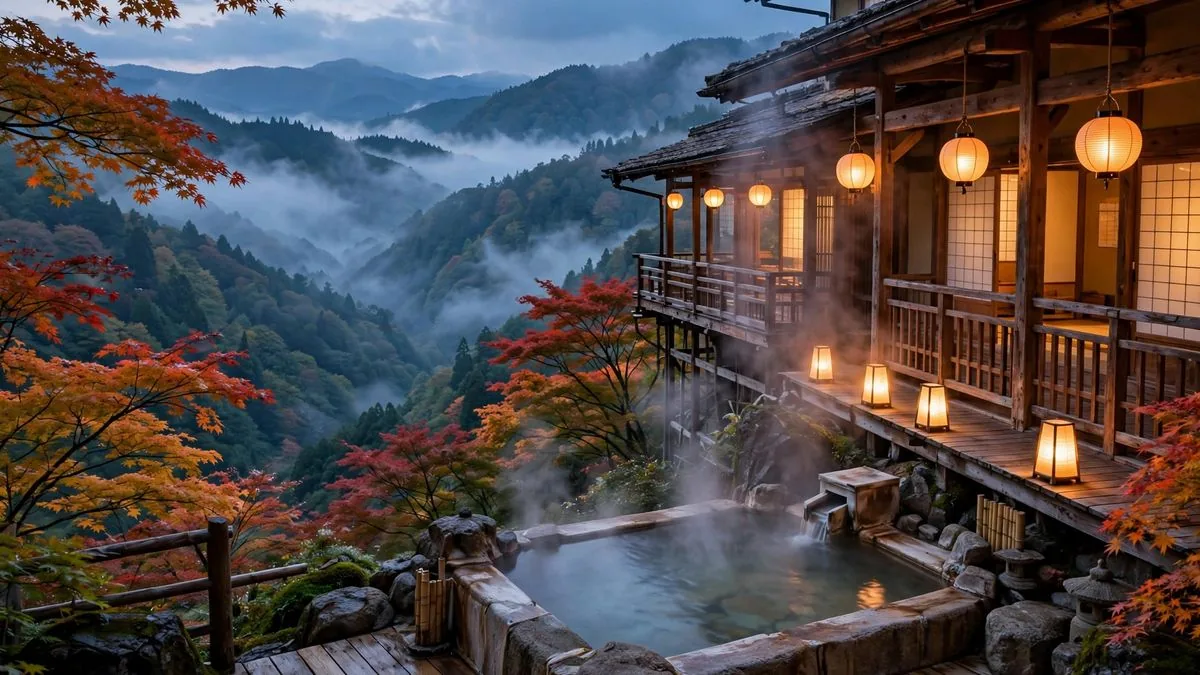
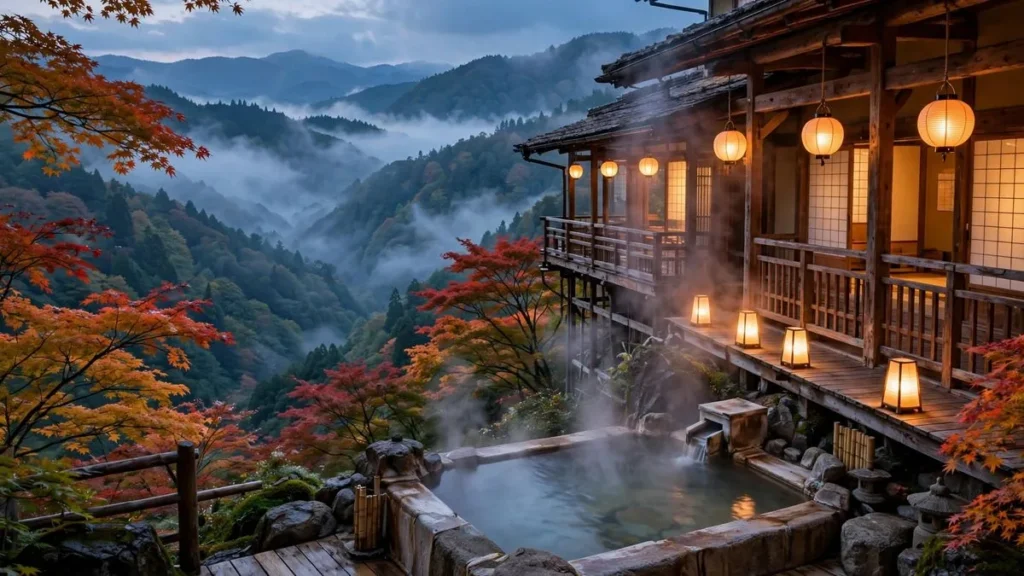
A ryokan is not a hotel with Japanese decoration. It is a traditional inn where the room, the bath, the dinner and the service form one continuous experience. You arrive in the afternoon, change into a yukata, soak in hot spring water, and sit down to a dinner planned around what is fresh that week.
Choosing the right luxury ryokan matters far more than choosing a hotel room. At the top end, you are paying for privacy, for a private open-air bath, for a kitchen that treats dinner as the centrepiece of the stay, and for staff who notice what you need before you ask. The best get all of that right at once.
This guide brings together the finest luxury ryokan across Japan for 2027, from the classic inns of Hakone and Kyoto to the villas of Hokkaido and the garden retreats of Ishikawa and Izu. It covers what a stay includes, how much to budget, and the etiquette that makes the experience effortless.
Key takeaways
- A luxury ryokan rate usually includes dinner and breakfast, so compare per-person rates with meals included.
- Hakone is the easiest first choice, with the widest range of private-bath rooms and under two hours of travel from Tokyo.
- Kyoto’s historic inns offer atmosphere no modern property can copy, but they book up far in advance and some take direct reservations only.
- A private open-air bath is the single upgrade that changes the stay most.
- Book three to six months ahead for peak seasons, and tell the inn about dietary needs when you book.
What makes a ryokan truly luxurious
Luxury in a ryokan looks different from luxury in a five-star city hotel. There is no grand lobby and no long list of facilities. Instead, the luxury is in the space, the stillness and the care. A top ryokan has few rooms, often fewer than thirty, so staff know your preferences by the first evening.
The room itself is part of the experience. Tatami floors, shoji paper screens, a low table and floor cushions replace the usual hotel furniture, and the room is deliberately uncluttered. In the evening, staff lay out futons on the tatami while you are at dinner, and in the morning they are folded away again. At the luxury end, rooms often add a private open-air bath on a terrace.
Then there is the food. Kaiseki is the multi-course dinner served at most luxury ryokan, usually eight to twelve small courses over about ninety minutes, built around seasonal ingredients and local specialities. A typical progression moves from an appetiser and clear soup through sashimi, grilled and simmered dishes, finishing with rice, pickles, miso soup and a simple sweet. Breakfast is just as considered: grilled fish, rice, miso soup, pickles and a small omelette.

The best luxury ryokan in Hakone
Hakone is the natural starting point for a first luxury ryokan stay. It is close enough to Tokyo for a one-night escape, with abundant hot spring water and the deepest bench of high-end inns in Japan. If you want a private bath, a serious kaiseki dinner and a valley view, Hakone delivers all three.
Gora Kadan is the name that comes up first in almost every conversation about luxury ryokan. Set in the grounds of a former imperial family villa, it has been Japan’s only Relais & Châteaux ryokan since 1992. It has around forty rooms, several hot spring sources and a seasonal kaiseki dinner, with private rock baths in the suites. For a first stay, it is the safest and most rewarding choice.
Hakone Ginyu takes a more modern approach. All twenty rooms have their own open-air bath above the Hayakawa gorge, so every guest gets the private-bath experience rather than only suite guests. The design is contemporary, with clean lines and wide windows framing the valley, and the atmosphere suits travellers who want the ryokan ritual without the museum feel of a centuries-old inn. For couples, dinner, a private soak under the stars and a quiet morning make it one of the most romantic stays in Japan.
The best luxury ryokan in Kyoto
Kyoto’s great ryokan are different in character from Hakone’s. They are city inns on quiet streets near temples and gardens, and their luxury is in history, craftsmanship and cuisine. Many have no natural onsen water; instead they offer deep indoor baths, beautiful gardens and kaiseki of an exceptionally high standard.
Tawaraya is the most revered ryokan in Japan. Founded more than three hundred years ago, it has eighteen rooms, no website and no online booking. Inside, everything is understated and immaculate, from the garden to the ceramics. It is not the place for travellers who want a private onsen, but for purists it is the definitive Kyoto stay.
Across the street, Hiiragiya offers a similar spirit with a little more accessibility. Founded in 1818, it has twenty-eight rooms and can be booked online, making it the practical choice for travellers who want a historic Kyoto inn. The kaiseki is outstanding and the location puts you within walking distance of some of Kyoto’s most beautiful streets.
Beyond Hakone and Kyoto: Hokkaido, Ishikawa and Izu
In Niseko, Hokkaido, Zaborin is a once-in-a-lifetime stay. Fifteen villas stand in a snowy landscape, each with an indoor and an outdoor spring-fed bath. It is the ryokan to choose for a honeymoon or a milestone trip.
In Shuzenji, on the Izu Peninsula, Asaba is the old-world choice. Its hot springs have flowed for centuries, its garden sits beside the water, and it has a private outdoor Noh theatre. Izu is an easy journey southwest of Tokyo, making Asaba a graceful alternative to Hakone.
How much does a luxury ryokan cost
Luxury ryokan rates are quoted per person per night and almost always include dinner and breakfast. As a general guide, they typically start from around ¥35,000 per person per night and rise well above ¥80,000 for the most exclusive rooms and peak dates. Seasonal swings are significant: cherry blossom season, autumn foliage, New Year and Golden Week can all add a substantial premium, while January, February and August are often the most affordable months.
When comparing properties, look past the starting rate and check what each plan includes. Some rates include kaiseki in your room, others in a dining hall; some include a private bath, others charge extra; a few modern properties charge for dinner separately. Always confirm whether the rate is per person or per room, since ryokan pricing is per person by convention and the difference is easy to misread.
Ryokan etiquette: what to know before you arrive
Ryokan etiquette is simpler than many first-time guests fear, and the staff expect visitors to be learning. Remove your shoes at the entrance and change into the slippers provided, keeping them on in the corridors but never on tatami mats. Change into the yukata left in your room and wear it everywhere inside the inn. Wrap the left side over the right, since the reverse is reserved for funeral dressing, and tie the sash at your waist.
The onsen has its own clear rules. Shower thoroughly before entering, enter without swimwear, keep the small towel out of the water, and use the bath for soaking only. Communal baths are separated by gender, and many inns swap the sides overnight so everyone can try both views. If communal bathing is not for you, choose a room with a private bath or book a private family bath by the hour. Tattoos can still be an issue at some communal baths, so check the inn’s policy in advance.
Dinner is served at a set time, usually between half past five and seven in the evening, so arrive on time and tell the inn about allergies or dietary restrictions when you book, because the menu is planned and shopped for in advance. Accept the tea and small sweet offered on arrival, keep noise low in the corridors, and remember check-in is usually around three in the afternoon, with check-out around ten or eleven. Follow that rhythm and the stay takes care of itself.
| Ryokan | Region | Rooms | Private bath | Best for |
|---|---|---|---|---|
| Gora Kadan | Hakone | About 40 | Suites only | First stay, special occasions |
| Hakone Ginyu | Hakone | 20 | All rooms | Couples, private onsen |
| Gora Hanaougi | Hakone | 20 | All rooms | Intimate, quiet Hakone stay |
| Hakone Kowakien Ten-yu | Hakone | About 150 | Most rooms | Families, resort feel |
| Tawaraya | Kyoto | 18 | No onsen | History, purists |
| Hiiragiya | Kyoto | 28 | Indoor bath | Historic Kyoto, bookable online |
| Zaborin | Niseko, Hokkaido | 15 villas | Every villa | Honeymoon, snow-country soak |
Your luxury ryokan checklist
- Book three to six months ahead for peak seasons, and two to three months ahead otherwise.
- Confirm the rate is per person, and check whether dinner, breakfast and a private bath are included.
- Tell the inn about allergies, dietary needs and tattoos when you book, not on arrival.
- Choose a room with a private open-air bath if communal bathing is not for you, or if you are travelling as a couple.
- Arrive for the three o’clock check-in, leave around the late-morning check-out, and send luggage ahead if you are moving on.
- Pack light for the ryokan night itself, since you will spend most of the stay in a yukata.
Frequently asked questions
What is the best luxury ryokan in Japan for a first stay?
For most first-time guests, Gora Kadan in Hakone is the best choice: a former imperial family retreat with a superb kaiseki dinner, several hot spring sources and suites with private baths. If a private bath in every room matters more, Hakone Ginyu is the better pick: all twenty rooms have their own open-air bath.
How much does a luxury ryokan cost per night?
Luxury ryokan are priced per person per night, usually with dinner and breakfast included. Expect from around ¥35,000 per person per night, rising well above ¥80,000 for the most exclusive rooms and peak dates. Rates are highest at cherry blossom time, during autumn foliage, at New Year and over Golden Week.
Do I need a private onsen, or is the communal bath fine?
The communal bath is the traditional experience, but a private bath changes the stay for couples, shy bathers and anyone with tattoos. If you want privacy, choose a room with its own open-air bath, or book a private family bath by the hour. In Hakone, Gora Kadan suites and Hakone Ginyu offer private baths, while in Niseko every Zaborin villa has one.
What should I wear at a ryokan?
Wear the yukata provided in your room. It is a light cotton robe worn everywhere inside the inn, including to dinner and the baths, with the slippers provided for the corridors. Wrap the left side over the right and tie the sash at your waist.
Can ryokan handle dietary restrictions and allergies?
Yes, most luxury ryokan can accommodate dietary restrictions and allergies, but only if you tell them when you book. Kaiseki menus are planned and shopped for in advance, so a request made on arrival may be too late. Mention allergies and dietary needs in your booking.
When should I book a luxury ryokan in Japan?
Book three to six months ahead for cherry blossom season, autumn foliage, New Year and Golden Week, since the best ryokan have few rooms and those dates sell out first. Two to three months ahead is sensible otherwise. Some historic inns, such as Tawaraya in Kyoto, take direct reservations only and need even more lead time, so start there if a particular inn is the reason for your trip.
The bottom line
The best luxury ryokan in Japan is not a single property but a short list, and the right choice depends on what you want the night to feel like. Hakone gives the easiest first experience: Gora Kadan for classic luxury, Hakone Ginyu for a private bath in every room. Kyoto gives history and cuisine at their finest: Tawaraya for purists, Hiiragiya for travellers who want a historic inn they can book. Beyond them, Zaborin, Beniya Mukayu and Asaba each offer a version of the stay no city hotel can imitate.
Whatever you choose, treat the ryokan night as the centrepiece of the trip rather than a place to sleep between sightseeing days. Arrive early, soak before dinner, give the kaiseki its full ninety minutes, and let the morning unfold slowly. Booked early and chosen well, a single night in a great ryokan becomes the memory the rest of the journey is measured against.
Note: Rates, room details and booking arrangements change with the season, so confirm your plan’s inclusions, bath arrangements and the inn’s policies before you book.