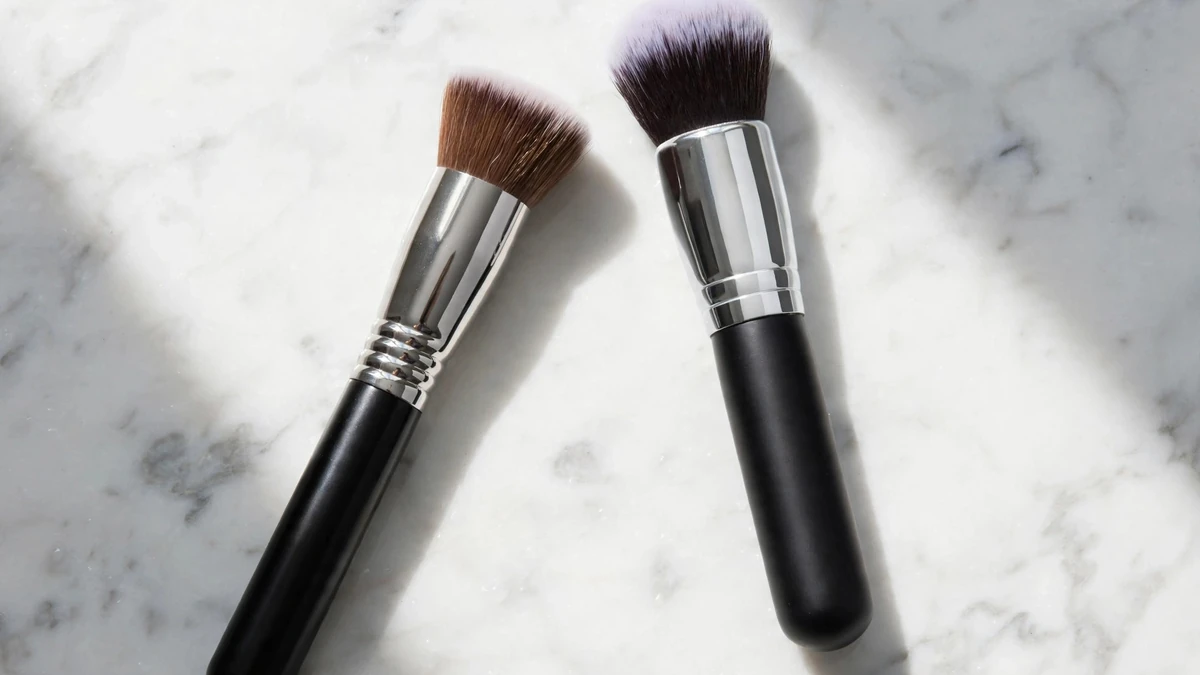

Good makeup brushes do more than apply product. They decide how smooth your foundation looks, how blended your eyeshadow is, and whether your blush sits like a soft wash of colour or a hard stripe. The problem is not finding brushes. It is finding the right ones, in the right shapes, without buying a twenty-piece set where half the brushes never leave the drawer.
That is why this guide is organised by job, not by brand. A dense, flat brush lays down foundation. A fluffy, tapered brush blends eyeshadow. A soft, angled brush places blush exactly where you want it. Bristle type matters too. Synthetic bristles work best with creams and liquids, while soft natural bristles are often better for powders, and the right brush can make even an average product look good.
Below are nine makeup brushes worth considering in 2027, from a classic foundation brush to a blending brush that has been a staple for years. Each one is described by what it is good at, what to watch for, and who it suits best, so you can build a small set that actually gets used, not a drawer full of spares.
Key takeaways
- The right brush shape matters more than the brand: dense for foundation, fluffy for blending, angled for blush and contour.
- Synthetic bristles suit creams and liquids, while soft natural bristles usually work best with powders.
- A small set of five or six good brushes covers most looks better than a large set of average ones.
- Clean brushes weekly with a gentle soap or brush cleanser, and let them dry flat or bristle-down.
- No brush fixes a bad formula or a wrong shade, and a brush that sheds, scratches, or smells strongly after washing should be replaced.
What makeup brushes actually do for your look
A makeup brush controls how much product goes on, where it goes, and how it is blended. In plain terms, the density and shape of the bristles decide whether foundation is pressed into the skin in a thin, even layer, or streaked across it. A good brush picks up the right amount of product, releases it evenly, and lets you build coverage slowly, which is why the same foundation can look flawless with one brush and patchy with another.
What a brush does not do is replace technique or the right product. A dense brush will not make a dry, cakey foundation look dewy, and a fluffy brush will not blend an eyeshadow that is too dark for your skin tone into something soft. The brush is a tool, and it works best when the product underneath it is already a good match. That is also why expensive does not always mean better. Some of the most useful brushes cost under fifteen dollars, and some of the most expensive are no better than a good mid-range option.
The other quiet job of a brush is hygiene. A clean brush applies makeup evenly and keeps bacteria, old product, and oils from building up on the skin. A dirty brush, on the other hand, can make foundation look muddy, cause breakouts, and wear out faster. Cleaning is not an extra step. It is part of owning brushes at all.
How we chose these brushes and what to look for
Look first at the shape and density. A flat, dense brush is for laying down liquid or cream foundation and concealer. A fluffy, tapered brush is for blending eyeshadow and setting powder. An angled brush is for blush, bronzer, and contour, because the angle follows the shape of the cheekbone. A small, precise brush is for eyeliner and lip colour. One brush cannot do all of these jobs well, which is why a small set beats a single all-purpose brush.

Look next at the bristles. Synthetic bristles are made from fibres such as taklon, and they are the best choice for creams and liquids because they do not absorb product. Natural bristles, usually goat or squirrel hair, are softer and pick up powder beautifully, but they need gentler washing and are not suitable for everyone. If you are unsure, start with synthetic. Modern synthetic brushes are soft, durable, and easy to clean, and they work well with almost every product type.
Finally, check the handle and the ferrule, the metal band that holds the bristles. A handle that feels balanced and comfortable in your hand will give you more control, and a ferrule that is firmly crimped will not loosen or shed. Hold the brush the way you would use it, not just by the tip. If it feels awkward in your hand, it will feel awkward on your face. Our guide to the best concealers of 2027 is a useful partner here, because a good concealer brush and a good concealer together cover far more than either one alone.
The 9 best makeup brushes of 2027
Sigma F80 Flat Kabuki Brush
What we like: A dense, flat-top kabuki that buffs liquid foundation into a smooth, even finish, with soft synthetic bristles and a sturdy handle. What to consider: It needs regular washing to stay soft, and it is best for liquid and cream products rather than powder. Best for: Liquid and cream foundation. Bristle type: Synthetic. Price range: Mid-range. Standout feature: Flawless, streak-free foundation finish.
This is the brush other foundation brushes are measured against. It is not the cheapest, but for a smooth, airbrushed-looking base, it remains a reliable first choice.
Morphe M439 Deluxe Buffer Brush
What we like: A large, dense buffer brush that blends foundation and cream bronzer quickly, with soft synthetic bristles and an affordable price. What to consider: The large head is less precise around the nose and eyes, so keep a smaller brush for detail work. Best for: Foundation, cream bronzer, and blush. Bristle type: Synthetic. Price range: Budget. Standout feature: Fast, even blending at a low price.
A practical, everyday brush for people who want a quick base. It covers a large area in a few sweeps, and it is easy to wash and dry.
MAC 217S Blending Brush
What we like: A classic tapered blending brush that softens eyeshadow edges without removing colour, with a flexible, fluffy head that works for most eye shapes. What to consider: Premium price for a single eyeshadow brush, and it is best kept for blending rather than packing on colour. Best for: Blending eyeshadow. Bristle type: Natural. Price range: Mid-range. Standout feature: Effortless, seamless blending.
If your eyeshadow ever looks harsh or patchy, this is the brush that fixes it. A few windshield-wiper sweeps in the crease soften the edge without losing the colour underneath.
Real Techniques Expert Face Brush
What we like: A dense, domed brush that applies liquid foundation and cream blush evenly, with soft synthetic bristles and a comfortable, lightweight handle. What to consider: It is a multi-use brush, so it is not as precise as a specialist brush for detail work. Best for: Liquid foundation, cream blush, and concealer. Bristle type: Synthetic. Price range: Budget. Standout feature: Versatile, everyday face brush.
A friendly, low-risk brush to start with. It does the main face jobs well, it is easy to clean, and it is one of the best value brushes available.
IT Cosmetics Heavenly Luxe Complexion Perfection Brush #7
What we like: An award-winning dual-ended brush with a large powder end and a smaller concealer end, with ultra-soft, cruelty-free bristles. What to consider: Premium price, and the large end is best for powder rather than liquid foundation. Best for: Powder foundation, setting powder, and concealer. Bristle type: Synthetic. Price range: Premium. Standout feature: Two brushes in one, with very soft bristles.
This is a luxury-feeling brush that does two jobs well. The powder end sets makeup without disturbing it, and the small end places concealer precisely where it is needed.
Fenty Beauty Powder Puff Setting Brush 170
What we like: A dense, tapered brush designed for setting powder, with a shape that presses powder into the skin for a smooth, long-lasting finish. What to consider: It is a specialist brush, so it is less useful for blush or bronzer. Best for: Setting powder and powder foundation. Bristle type: Synthetic. Price range: Mid-range. Standout feature: Pressed-powder finish that locks makeup in place.
If your makeup fades or creases by midday, this brush is a strong fix. Pressing powder in, rather than sweeping it on, makes a visible difference to wear time.
Rare Beauty Soft Pinch Blush Brush
What we like: A soft, tapered blush brush that diffuses cream and liquid blush into a natural wash of colour, with a shape that follows the cheekbone. What to consider: It is best for cream and liquid blush, and less suited to very pigmented powder blush. Best for: Cream and liquid blush. Bristle type: Synthetic. Price range: Mid-range. Standout feature: Natural, diffused blush finish.
A good choice if blush often looks too strong or too stripey. The tapered shape and soft bristles make it hard to over-apply, which is exactly what you want.
Charlotte Tilbury Powder & Sculpt Brush
What we like: A large, soft brush that applies bronzer and powder evenly, with a tapered shape that works for both all-over powder and targeted contour. What to consider: Premium price, and the large head needs a light hand with very pigmented bronzer. Best for: Bronzer, powder, and light contour. Bristle type: Natural. Price range: Premium. Standout feature: Soft, even bronzer application.
This is a luxury brush that makes bronzer look natural rather than muddy. Use a light hand, tap off the excess, and build the colour slowly.
e.l.f. Ultimate Blending Brush
What we like: An affordable, dense blending brush that works well with liquid foundation and cream products, with soft synthetic bristles and a comfortable handle. What to consider: It is a general blending brush, so it is not as precise as a specialist eyeshadow brush. Best for: Liquid foundation, cream blush, and blending. Bristle type: Synthetic. Price range: Budget. Standout feature: Strong blending at a very low price.
For the price, this is hard to beat. It is a solid, everyday brush that covers the main blending jobs, and it is easy to replace if it wears out.
Which brush is right for your routine
If you wear a full face of makeup, start with five brushes: a foundation brush, a concealer brush, a powder brush, a blush brush, and an eyeshadow blending brush. That set covers almost every step, and you can add specialist shapes later as you need them. If you wear a light base, three brushes are often enough: a foundation brush, a powder brush, and a blush brush.
For oily skin, a dense brush that presses foundation into the skin usually gives a longer-lasting finish than a fluffy brush that sweeps it on. Our guide to the best foundations for oily skin pairs well here, because the right foundation and the right brush together control shine far better than either one alone. For dry skin, a damp sponge or a soft, dense brush works well, because it presses product in without disturbing dry patches.
For eyeshadow, one good blending brush matters more than a set of ten. A fluffy, tapered brush that softens edges will make even a simple two-colour look appear polished. For blush, a tapered brush that follows the cheekbone is more useful than a large powder brush, because it places colour where you want it instead of all over the cheek.
The caveats that matter
Brushes are tools, not treatments. They will not fix a foundation that is the wrong shade, a blush that is too pigmented, or skin that is irritated underneath the makeup. They can also cause problems when they are dirty or damaged. A brush that sheds bristles onto your face, feels scratchy, or smells musty after washing is a brush that should be replaced, not pushed through.
| Detail | What is known |
|---|---|
| Best brush for foundation | Dense, flat-top or domed synthetic brush, pressed into the skin |
| Best brush for blending eyeshadow | Fluffy, tapered brush, used in small windshield-wiper motions |
| Best brush for blush | Soft, tapered or angled brush that follows the cheekbone |
| Synthetic vs natural bristles | Synthetic suits creams and liquids; natural suits powders |
| How often to clean brushes | Weekly for face brushes, after each use for eye brushes if possible |
| How to dry brushes | Flat or bristle-down, never standing bristle-up while wet |
| When to replace a brush | If it sheds, scratches, smells, or loses its shape after washing |
| What brushes do not do | They do not fix a wrong shade, a bad formula, or irritated skin |
If you have sensitive or reactive skin, choose brushes with very soft bristles and wash them with a gentle, fragrance-free cleanser. Harsh brush soaps and rough bristles can irritate skin that is already reactive. If you notice breakouts after using a brush, wash it thoroughly before using it again, and check whether the product on the brush, rather than the brush itself, is the cause.
Checklist: choosing makeup brushes honestly
Use these checks before you buy, and again after two weeks of use.
- Check the job first: dense for foundation, fluffy for blending, angled for blush and contour.
- Check the bristles: synthetic for creams and liquids, soft natural for powders.
- Check the handle: it should feel balanced and comfortable in your hand, not awkward or top-heavy.
- Check the ferrule: it should be firmly crimped, with no wobble or loose bristles.
- Start small: five or six good brushes cover most looks better than a large set of average ones.
- Clean weekly: use a gentle soap or brush cleanser, rinse well, and dry flat or bristle-down.
Frequently asked questions
How many makeup brushes do I really need?
Five or six cover most looks: a foundation brush, a concealer brush, a powder brush, a blush brush, and an eyeshadow blending brush. Add specialist shapes only when you find a step that your current brushes cannot do well.
Are expensive makeup brushes worth it?
Sometimes. Expensive brushes are often softer, better balanced, and longer lasting, but several budget brushes perform just as well for everyday use. The shape and density matter more than the price, so choose by job first and price second.
How do I clean my makeup brushes?
Wet the bristles with lukewarm water, work a gentle soap or brush cleanser through them, rinse until the water runs clear, reshape the bristles, and lay the brush flat or bristle-down to dry. Do not soak the ferrule, and do not dry brushes standing upright while wet.
Can I use the same brush for foundation and powder?
You can, but it is not ideal. A brush used for liquid foundation will carry residue into powder, and a powder brush will not apply liquid evenly. Keep separate brushes for liquids and powders, and clean them weekly.
How long do makeup brushes last?
Good brushes last years with regular cleaning. Replace a brush when it sheds, scratches, loses its shape after washing, or smells musty even when clean. A brush that has lost its shape will not apply makeup evenly, no matter how good it once was.
Do I need natural or synthetic bristles?
For most people, synthetic is the safer start. Synthetic bristles work well with creams, liquids, and powders, they are easy to clean, and they do not absorb product. Natural bristles are softer with powder, but they need gentler care. Current makeup trends for 2026 and 2027 lean toward soft, skin-like finishes, and either bristle type can achieve them when the brush shape is right.
The bottom line
The best makeup brushes in 2027 are not the most expensive or the most numerous. They are the ones that match the job, feel comfortable in your hand, and that you will actually clean and use every day. A dense foundation brush, a fluffy blending brush, and a tapered blush brush will do more for your makeup than a twenty-piece set that sits in a drawer.
Choose five or six brushes by job, check the bristles and the handle before you buy, and judge them on how your makeup looks at the end of the day, not in the first five minutes. That is the honest way to build a brush set that earns its place, without the waste that comes from buying by the set instead of by the job.