

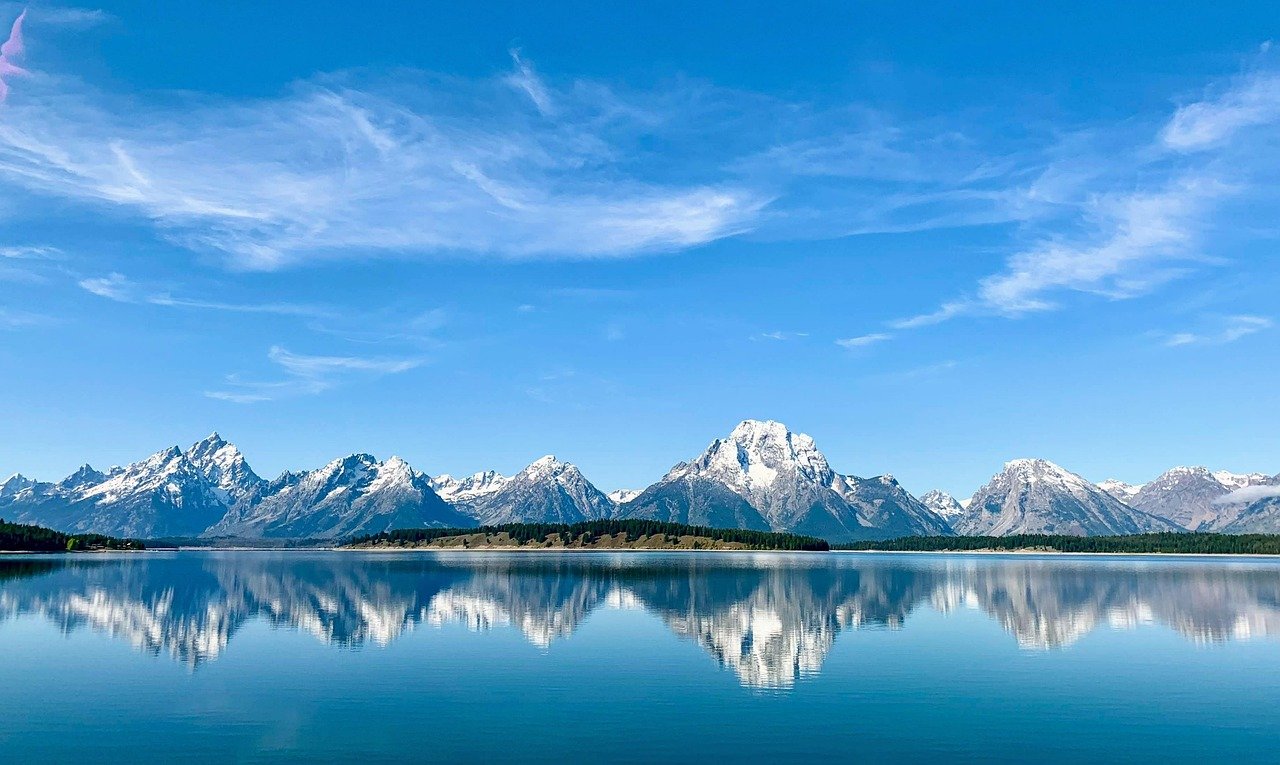
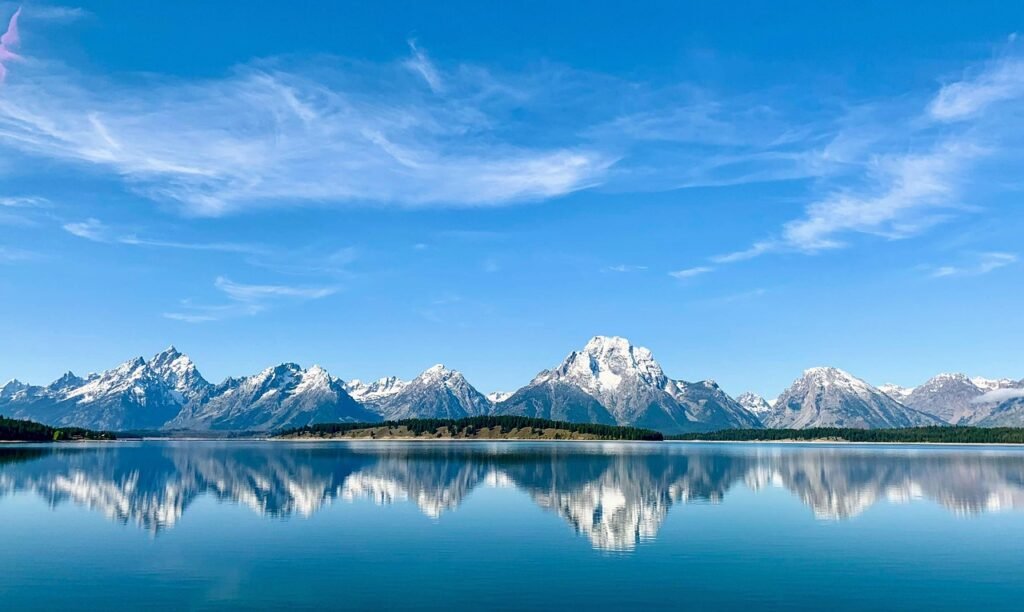
What if the most memorable trip of your life came down to picking the right park rather than the right country? That’s the strange math of national parks. There are thousands of protected areas worldwide, and a handful of them deliver scenery so outsized that people cross oceans to stand in them for an afternoon. Others are quieter, cheaper, and just as unforgettable if you know what you’re looking for.
This guide skips the meaningless “top 10” framing and instead explains how parks actually get judged, which ones consistently earn their reputation, and how to avoid the mistakes that turn a dream park trip into a crowded parking lot.
What “Best” Actually Means in National Parks
There is no official ranking body for national parks. No agency hands out scores. When a travel magazine names the “world’s best,” it’s applying editorial criteria: scenery, wildlife, accessibility, infrastructure, and crowd levels. Those criteria conflict constantly. A park that’s easy to reach gets more visitors, which makes it worse for people who want solitude.
There’s also a definitional problem. “National park” isn’t one global standard. The IUCN, the international body that classifies protected areas, defines a national park as a large natural area set aside to protect large-scale ecological processes. Many places that carry the name don’t meet that bar. So when comparing parks across countries, you’re partly comparing legal categories, and not only physical terrain.
One more caveat: the “first national park” claim. Yellowstone is generally credited as the world’s first, established by the U.S. Congress on 1 March 1872. But older protected landscapes exist elsewhere, so the title depends on how you define the modern legal category. Treat it as a historical milestone, not a settled global fact.
The Parks That Earn Their Reputation
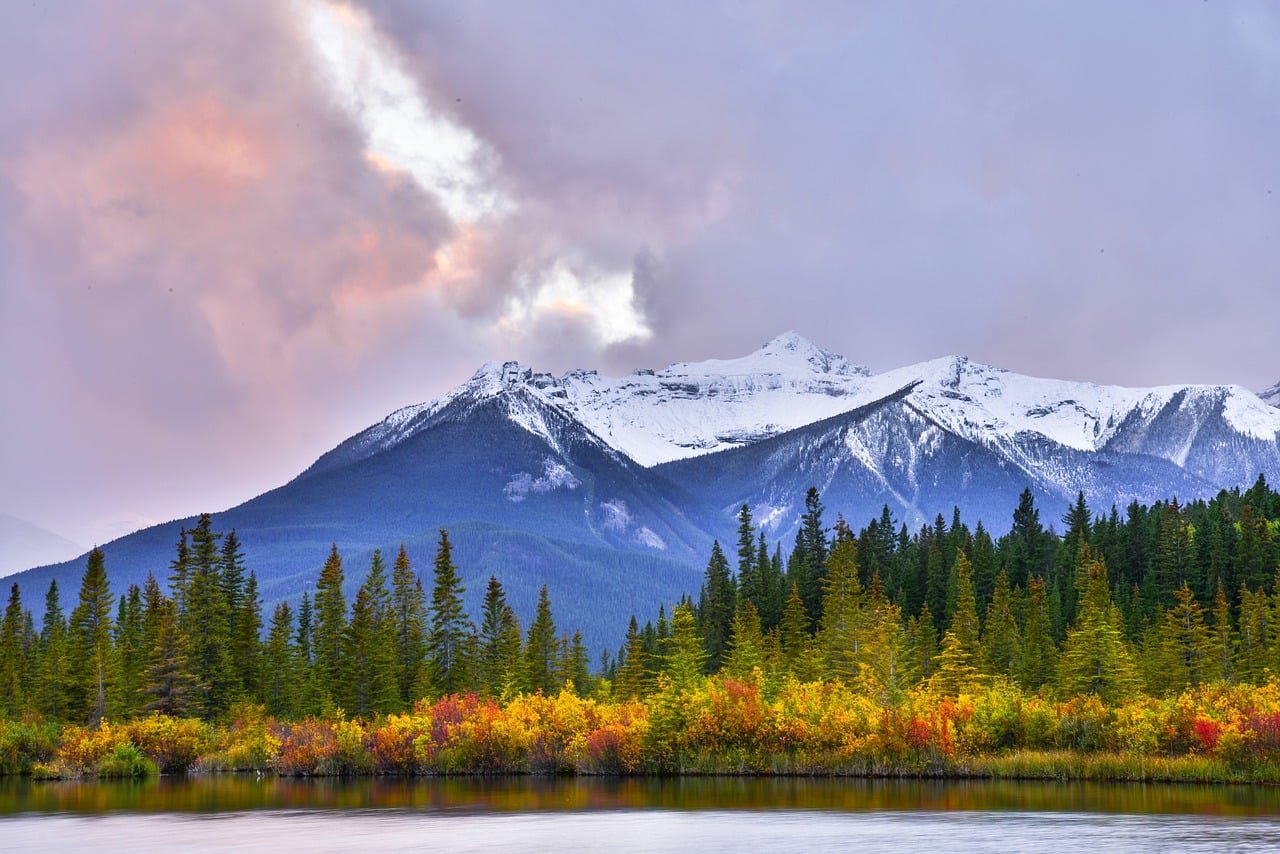
Yellowstone, United States
Yellowstone remains the reference point for a reason. Geysers, hot springs, bison herds, and a caldera the size of a small country packed into one road network. It was also inscribed as a UNESCO World Heritage Site in 1978. The catch is scale: Yellowstone is enormous, and people who try to “do it” in two days spend most of that time driving. Practical advice that actually works: pick one region (Old Faithful area, Lamar Valley, or Mammoth) per day and accept that you won’t see the rest.
Great Smoky Mountains, United States
This is consistently the most-visited national park in the U.S. by annual visits, and that’s both its strength and its weakness. It’s free to enter, close to major population centers, and spectacular in fall. It’s also bumper-to-bumper on autumn weekends. The fix most first-timers miss: go in late spring, hike a mile past any trailhead, and the crowds evaporate almost instantly.
Kruger, South Africa
Established in 1926, Kruger is one of the most reliable places on Earth to see the big five in a single trip. It’s also a model of how park tourism can work: self-drive safaris keep costs down, and the park’s size means wildlife density stays high. The common mistake is booking a single day. Three nights minimum is what actually delivers sightings.
Fiordland, New Zealand
Designated in 1952, Fiordland is the postcard version of New Zealand: sheer cliffs dropping into dark water, rainforest, and the Milford Sound corridor. It’s also one of the wettest places on the planet, which is why it’s so green. Travelers who expect sunshine leave disappointed. Travelers who pack for rain get the waterfalls that make the photos.
Plitvice Lakes, Croatia
Established in 1949 and a World Heritage Site, Plitvice is a chain of terraced lakes and waterfalls that looks almost artificial. It’s also small and heavily trafficked, with timed entry now common in peak season. The practical tip: arrive at opening, walk the upper lakes first, and you’ll be ahead of the tour buses for hours.
Banff, Canada
Banff, established in 1885, was Canada’s first national park and remains its most famous. Turquoise lakes, glacier-fed rivers, and a town site inside the park boundary make it unusually easy for travelers who don’t want to rough it. The trade-off is development. If you want wilderness, head to the adjacent backcountry rather than the lakeshore viewpoints.
| Park | Country | Established | Best For | Main Drawback |
|---|---|---|---|---|
| Yellowstone | U.S. | 1872 | Geothermal features, wildlife | Huge distances, summer crowds |
| Great Smoky Mountains | U.S. | 1934 | Fall foliage, hiking | Heavy traffic in peak season |
| Kruger | South Africa | 1926 | Big five safaris | Heat, malaria precautions |
| Fiordland | New Zealand | 1952 | Fjords, rainforest | Very wet weather |
| Plitvice Lakes | Croatia | 1949 | Waterfalls, easy trails | Tight timed entry |
| Banff | Canada | 1885 | Lakes, accessible adventure | Commercial development |
The Crowd Problem Nobody Warns You About
U.S. national parks draw roughly 300 million recreation visits a year, and that pressure has changed how you plan a trip. Popular parks like Zion and Yellowstone have introduced timed-entry or reservation systems in recent years. Show up without checking and you may be turned away at the gate.
This is the single most common planning mistake. People research the scenery and forget the logistics. Before booking anything, confirm three things: whether the park requires a reservation, whether the road you want is open (many high-elevation roads close seasonally), and whether lodging inside the park books out months ahead. It usually does.
There’s also a quieter issue: deferred maintenance. The U.S. park system carries a multi-billion-dollar backlog of repairs, which shows up as closed trails, aging facilities, and reduced services. It doesn’t ruin a trip, but it’s a reason to check current conditions rather than trusting a guidebook from five years ago.
How to Choose a Park That Fits You
The best park is the one that matches your tolerance for crowds, driving, and weather. A few filters that cut through the noise:
- Match the season to the park, not the other way around. Desert parks are miserable in July. Alpine parks are inaccessible in winter. Fall foliage parks are packed in October.
- Check the access model. Some parks are drive-through. Others require shuttles, permits, or multi-day hikes. Know which before you book flights.
- Decide whether you want a town or a wilderness. Banff and Gatlinburg give you restaurants and hotels. Fiordland and the Yellowstone backcountry give you silence and nothing else.
- Look at secondary parks. The famous names absorb the crowds. Nearby lesser-known units often deliver similar scenery with a fraction of the traffic.
- Build in a buffer day. Weather, road closures, and wildlife jams are normal, not exceptions.
If you’re weighing an urban escape against a wilderness one, it helps to see how other destinations handle the same trade-offs. Cities like San Francisco, for instance, have their own version of the “which green space is actually worth it” question, as this look at the best parks in San Francisco where locals actually spend their time makes clear. The logic is the same everywhere: the famous spot and the good spot aren’t always the same place.
Parks Beyond the Famous Names
The headline parks get the traffic, but the category is far broader. Some of the most rewarding protected areas sit in places travelers rarely consider. Papua New Guinea, for example, holds some of the most biologically rich forest on the planet, and its protected areas are part of a much bigger story about a South Pacific nation that is the region’s largest and most complex. Access is hard, infrastructure is thin, and that’s precisely why the ecosystems survive.
The same pattern repeats in unexpected places. Suburban communities fight to preserve green space with the same intensity as federal agencies, and the results can be genuinely surprising, as this case of a suburban Illinois village split across two counties shows. Not every important natural area is a national park, and not every national park is worth a flight.
For travelers who plan around theme parks rather than trailheads, the research habits are identical: verify current conditions, check whether reservations are required, and ignore outdated guides. A resource like this breakdown of what Orlando Informer actually offers visitors follows the same principle of checking the source before you commit.
When Geography Itself Becomes the Attraction
Some of the most compelling reasons to visit a place have nothing to do with trails or wildlife. Borders, latitudes, and lines on a map shape entire regions, and a few of them have become destinations in their own right. The 38th parallel, one line of latitude that split a nation, is the clearest example: a geographic abstraction that turned into one of the most heavily fortified borders on Earth.
That’s worth remembering when you plan a park trip. The ground you’re standing on was shaped by politics, treaties, and displacement as much as by geology. Parks are protected because someone decided to protect them, and that decision is always historical.
Practical Mistakes That Ruin Park Trips
A few habits separate a good trip from a frustrating one. These come up again and again:
- Overpacking the itinerary. Two parks in three days means you see neither. One park, properly, beats four parks badly.
- Ignoring elevation and heat. Altitude sickness and heat exhaustion are the two most common visitor injuries in mountain and desert parks.
- Skipping wildlife rules. Getting close to animals for a photo is dangerous and illegal in most parks. Use a zoom lens.
- Trusting cell service. Many parks have none. Download maps offline before you arrive.
- Forgetting the entrance fee structure. Some parks charge per vehicle, some per person, and some are free. Annual passes pay for themselves fast if you visit more than two or three.
- Booking lodging last. In-park lodging is the first thing to sell out and the hardest to replace.
What actually works is boring: book early, check current conditions the week before, plan one anchor activity per day, and leave room for the unplanned. The best park moments are almost never on the schedule.
Conclusion
The “best” national park doesn’t exist in any objective sense. Rankings are editorial, park counts shift, and visitation numbers change every year. What does exist is a short list of places that reliably deliver on their promise, and a set of planning habits that determine whether you experience them well or badly.
Yellowstone, Kruger, Fiordland, Plitvice, Banff, and the Smokies all earn their reputations, but each comes with a specific trade-off you need to accept going in. The travelers who enjoy parks most aren’t the ones who found the highest-ranked destination. They’re the ones who matched the park to their season, their budget, and their tolerance for crowds, then checked the reservation rules before booking a flight. Pick for fit, not for fame, and the trip takes care of itself.
FAQ
What is the best national park in the world?
There’s no official answer, because no agency ranks parks. Yellowstone is the most historically significant, Kruger is the most reliable for wildlife, and Fiordland is arguably the most dramatic. The right choice depends on whether you prioritize scenery, animals, or accessibility.
Which national park gets the most visitors?
Great Smoky Mountains National Park is consistently the most-visited national park in the United States by annual visits. It’s free to enter and close to major cities, which drives the volume. Visit in late spring rather than October to avoid the worst crowds.
Do I need a reservation to visit popular national parks?
Increasingly, yes. Several heavily visited U.S. parks have introduced timed-entry or reservation systems in recent years. Rules vary by park and season, so confirm directly with the park before you travel rather than assuming you can drive in.
What is the oldest national park?
Yellowstone, established by the U.S. Congress on 1 March 1872, is generally credited as the world’s first national park. Some older protected landscapes exist elsewhere, so the claim depends on how you define the modern legal category of a national park.
How many national parks are there in the United States?
The U.S. National Park Service manages 63 national parks, though the count changes when parks are added or redesignated. The agency manages more than 400 units overall, including monuments, seashores, and historic sites.
What is the biggest mistake people make on park trips?
Overpacking the itinerary. Trying to see multiple parks in a few days means spending most of the time driving. Pick one park, plan one anchor activity per day, and check reservation rules and road closures before booking anything.














