A pearl pendant necklace is the softest way to wear a pearl. It sits at the centre of the neckline, glows rather than sparkles, and works with a linen shirt, a silk dress, or a simple black top. The problem is not finding one. It is finding one where the pearl is well matched, the setting is secure, and the price reflects the pearl’s quality rather than the name on the box.
That is why this guide is organised by what actually matters: the pearl, the setting, and the chain. A single well-chosen pearl with a deep, even lustre will look better than a larger pearl with a dull surface, and a pendant that is too heavy for its chain will wear out long before the pearl does. Price is a poor guide on its own. Some of the best value is in freshwater pearls, and some of the most expensive pendants are the simplest.
Below are nine pearl pendant necklaces worth considering in 2027, from a classic Akoya solitaire to a modern freshwater option. Each one is described by what it is good at, what to watch for, and who it suits best, so you can choose with the pearl in mind, not just the brand.
Key takeaways
- Lustre matters more than size in a pearl pendant, because a small pearl with a deep, even glow looks better than a large, dull one.
- Akoya pearls are rounder and more lustrous, while freshwater pearls offer more size and better value.
- A bezel or cup setting protects the pearl best, and a pendant should never be cleaned in an ultrasonic cleaner.
- Check the chain first: it should be solid, matched to the pendant’s weight, and fitted with a secure clasp.
- No pearl pendant is an investment, and a pearl with a chalky surface, visible blemishes, or no description of its type should be a reason to walk away.
What a pearl pendant necklace actually is
A pearl pendant necklace is a chain with a single pearl, or a small cluster of pearls, hanging from it. The pearl may sit in a simple cup or bezel setting, hang from a small diamond-set bail, or dangle as a drop. The chain is usually 16 to 18 inches, so the pendant sits at the collarbone, though longer chains are common for layering.
What makes one pendant better than another is mostly the pearl itself. Lustre, the sharp, mirror-like glow on the pearl’s surface, is the most important quality, because it is what makes a pearl look alive. Shape matters too: a round pearl is the classic choice, while a drop or baroque pearl suits a more modern style. Surface quality, size and colour follow, and a pearl with few visible blemishes will always look better than a larger, marked one.
The shape of the pendant changes how it wears. A round pearl is the most versatile and the easiest to pair with other jewellery. A drop pearl draws the eye downward and suits a deeper neckline. A baroque pearl, with its irregular shape, suits a modern style and is usually the best value, because no two are alike. None of these is better in itself. The right shape is the one that sits comfortably at your neckline and matches the clothes you already wear most.
The setting matters almost as much. A cup setting cradles the pearl from below and suits a round pearl. A bezel wraps the pearl’s lower half in metal, which protects it and suits daily wear. A bail, the small loop that joins the pearl to the chain, should be sturdy and well soldered, because it takes the pendant’s full weight every time you wear it.
How we chose these necklaces and what to look for
Look first at the pearl and its type. Akoya pearls are the classic white, round choice, with the sharpest lustre. Freshwater pearls are larger, more affordable, and come in more shapes and colours. South Sea and Tahitian pearls are larger still, but they are usually too big and too expensive for a simple pendant. Our guide to the best pearl necklaces explains how the types differ, and why lustre should come before size when you choose.
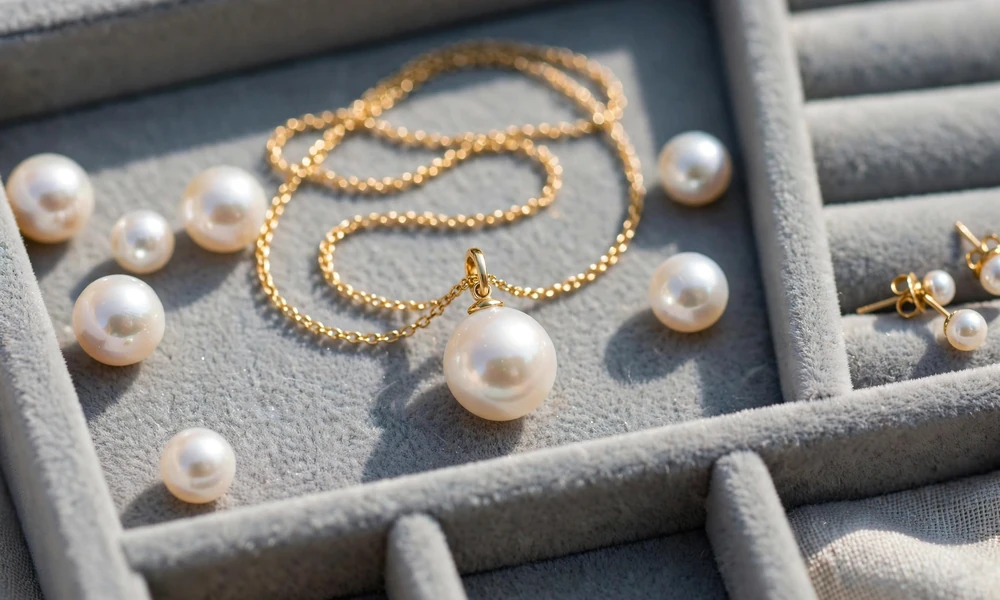
Look next at the chain and the clasp. A pendant needs a chain rated for its weight, usually a cable, rope or box chain in 14k or 18k gold, or sterling silver. A very fine chain under a heavy pearl will stretch and eventually snap. The clasp should close firmly and be easy to fasten on your own. A lobster clasp is more secure than a spring ring, and an adjustable chain, with rings at 16, 17 and 18 inches, is more versatile than a fixed length.
Finally, look at the metal and the finish. Yellow gold warms a white pearl and suits warm skin tones. White gold and silver give a cooler, more modern look. Rose gold flatters many skin tones and pairs well with pink or peach pearls. Choose the metal you already wear most, so the pendant fits your existing jewellery rather than sitting in a drawer.
The 9 best pearl pendant necklaces of 2027
Tiffany & Co. Akoya Pearl Pendant
What we like: A classic Akoya pearl in a simple cup setting, with sharp lustre and a well-matched, round shape. What to consider: Premium price, and the pearl is on the smaller side. Metal: 18k yellow, white or rose gold, or platinum. Setting: Cup solitaire. Best for: A first pearl pendant. Price range: High.
This is the pendant other pearl pendants are measured against. It is simple, well made, and easy to wear every day, and the pearl’s lustre is the kind you notice across a room.
Mikimoto Akoya Pearl Pendant
What we like: An Akoya pearl with exceptional lustre, from the brand that set the standard for cultured pearls, in a clean, secure setting. What to consider: Expensive for the size, and the design is deliberately plain. Metal: 18k gold or platinum. Setting: Cup solitaire. Best for: The finest lustre. Price range: High.
A quiet, confident choice. There is nothing to distract from the pearl, and the lustre is deeper and sharper than most pendants at this size.
Monica Vinader Freshwater Pearl Pendant
What we like: A larger freshwater pearl with a soft glow, on a fine, adjustable chain designed for layering. What to consider: Freshwater pearls are less perfectly round than Akoya, and vermeil wears through with daily use. Metal: 18k gold vermeil or solid gold. Setting: Cup solitaire. Best for: Layering. Price range: Affordable to mid.
A good layering piece. Wear it on its own for a clean look, or pair it with a longer chain, and choose solid gold if it will be your everyday pendant.
Mejuri Freshwater Pearl Pendant
What we like: A freshwater pearl pendant at an accessible price, with a solid 14k gold chain option. What to consider: The pearl is larger but less lustrous than an Akoya, and the shape is slightly less round. Metal: 14k gold or vermeil. Setting: Cup solitaire. Best for: Value and everyday wear. Price range: Affordable to mid.
This is the sensible way to get a visibly larger pearl for the money. Choose the solid gold version, not vermeil, if you plan to wear it daily.
Missoma Pearl Pendant
What we like: A modern pearl pendant with a slim chain and a clean, contemporary setting. What to consider: Small pearl, and the gold vermeil version needs gentle care. Metal: 18k gold vermeil or solid gold. Setting: Bezel solitaire. Best for: A first fine pendant. Price range: Affordable.
An easy entry point. The bezel keeps the pearl safe, and the slim chain sits neatly under a collar or a crew neck.
David Yurman Pearl Pendant
What we like: A pearl pendant on the brand’s signature cable chain, which is sturdy and distinctive without being loud. What to consider: The cable chain is heavier than a fine chain, and the pendant suits a bolder style. Metal: 18k gold or sterling silver. Setting: Bezel solitaire. Best for: Everyday wear with character. Price range: Mid to high.
The bezel setting is a practical win here. It protects the pearl, and the cable chain is one of the strongest everyday chains you can buy.
Maria Black Pearl Pendant
What we like: A sculptural, slightly offbeat pendant with a baroque pearl and a strong chain. What to consider: The design is distinctive, so it will not suit everyone, and baroque pearls vary in shape. Metal: 14k gold. Setting: Cup solitaire. Best for: Modern, sculptural style. Price range: Mid.
For anyone who finds a classic round pearl too plain, this adds shape without losing the pearl’s glow. It is still easy to wear every day.
Astrid & Miyu Pearl Pendant
What we like: A small, bright freshwater pearl with a diamond-set bail option, on an adjustable chain. What to consider: The pearl is small, and the diamond bail adds cost without adding much sparkle. Metal: 18k gold vermeil or solid gold. Setting: Cup solitaire. Best for: A delicate, glowing pendant. Price range: Affordable to mid.
A delicate choice that layers well. The adjustable chain makes it easy to wear with other necklaces, and the small pearl suits a fine chain.
Thomas Sabo Pearl Pendant
What we like: A simple freshwater pearl pendant with a sturdy chain at an accessible price. What to consider: Modest lustre, and the design is plain rather than distinctive. Metal: 925 sterling silver or 18k gold. Setting: Cup solitaire. Best for: Everyday wear on a budget. Price range: Affordable.
A straightforward, honest pendant. It does the job well, the cup setting holds the pearl securely, and it is one of the easiest ways to start wearing a pearl daily.
Which pearl pendant necklace is right for you
For daily wear, choose a cup or bezel setting and a chain you can forget about. A bezel protects the pearl from knocks, and a cable or box chain will not stretch the way a very fine chain can. If you wear your pendant every day, solid gold or silver is worth the extra cost, because vermeil and plating wear through in one to three years.
For a special occasion or a gift, an Akoya pearl shows the sharpest lustre, and a drop pearl adds elegance. Pearl necklaces are very much in style right now, and our guide to whether pearl necklaces are in style explains why the single pearl pendant has become the most versatile way to wear one.
For layering, choose a small pearl on an adjustable chain, and keep the total weight light. Two fine chains tangle less than one heavy one, and a pearl pendant that sits at 16 inches pairs well with a longer chain at 18 or 20 inches.
Skin tone can guide the pearl’s colour, though it should never decide for you. White pearls suit most skin tones and are the classic choice. Pink and peach pearls warm fair skin, and golden South Sea pearls suit deeper skin beautifully. Grey and black Tahitian pearls suit cool skin and make a striking contrast. If you already wear one metal every day, match the setting to it, because a pendant that clashes with your rings and earrings will be worn less, however beautiful it is on its own.
The caveats that matter
A pearl is softer than a diamond and needs gentler care. Pearls are easily scratched, and they are damaged by perfume, hairspray, cosmetics and household chemicals. Put your pendant on last, after perfume and makeup, and wipe it with a soft, damp cloth after wearing. Never put a pearl pendant in an ultrasonic cleaner or a steam cleaner, and never soak it. Store it in a soft pouch, away from other jewellery that could scratch it.
| Detail | What is known |
|---|---|
| Most important factor | Lustre, before size, shape or colour |
| Best pearl for a pendant | Akoya for sharp lustre, freshwater for size and value |
| Best setting for daily wear | Bezel or cup, which cradles and protects the pearl |
| Best chain | Cable, rope or box chain, matched to the pendant’s weight |
| What to ask for | The pearl type, size in millimetres, and whether it is cultured |
| What to avoid | Ultrasonic cleaners, perfume on the pearl, and a chalky surface |
| How to clean it | Soft, damp cloth after wearing; never soak or steam |
| What it is not | An investment, or a stone that can be worn carelessly |
If you are buying a pendant as a gift and do not know the recipient’s chain length, choose an adjustable chain. It fits more necklines and more people, and it is easier to layer later.
For a pendant that cost a significant amount, keep the receipt and any certificate together, and tell your home insurer about it. A pendant is one of the most commonly lost pieces of jewellery, because a broken chain or a worn clasp gives no warning. A yearly check, a secure clasp and a chain matched to the pendant’s weight are the three cheapest forms of insurance you can buy.
Checklist: choosing a pearl pendant necklace honestly
Use these checks before you buy, and again after a month of wear.
- Check the pearl: look for deep, even lustre and few visible blemishes, and ask what type it is.
- Check the setting: a cup or bezel for daily wear, and a bail that is sturdy and well soldered.
- Check the chain: solid, matched to the pendant’s weight, with a secure lobster clasp.
- Check the length: 16 to 18 inches suits most necklines, and an adjustable chain is the most versatile.
- Check the metal: solid gold or silver for daily wear, not vermeil or plating.
- Check the care: put it on last, wipe it after wearing, and never use an ultrasonic cleaner.
Frequently asked questions
What size pearl is best for a pendant?
Most pendants use a pearl between 7 and 10 millimetres. A well-lustred 8 millimetre pearl usually looks better than a dull 10 millimetre one, so put your money into lustre first, then size. For layering, go smaller, around 7 millimetres, so the pendant sits lightly and does not compete with the other necklaces.
Are Akoya pearls better than freshwater pearls?
Akoya pearls are usually rounder and more lustrous, while freshwater pearls are larger and more affordable. Neither is better in every case: choose Akoya for sharp lustre, freshwater for size and value.
Can I wear a pearl pendant every day?
Yes, if the setting is secure and you care for the pearl. Put it on after perfume and makeup, wipe it with a soft cloth after wearing, and keep it away from chemicals and hard surfaces.
How do I clean a pearl pendant?
Wipe it with a soft, damp cloth after wearing, then dry it before storing. Never use an ultrasonic cleaner, steam cleaner, or harsh jewellery cleaner, and never soak the pearl.
Will a pearl pendant go out of style?
A single pearl pendant is a classic that has stayed in style for decades. It is one of the least trend-sensitive pieces of jewellery you can own, and it suits most ages and outfits.
Are pearl pendants a good investment?
No. A pearl pendant is jewellery, not an investment. Pearls hold little resale value. Buy it to wear and enjoy, and our guide to statement necklaces can help if you want a bolder piece for evenings, while a pearl pendant stays your everyday choice.
The bottom line
The best pearl pendant necklace in 2027 is not the biggest or the most expensive. It is the one with a well-lustred pearl, a secure setting, and a chain strong enough to wear every day. For most people, that means an 8 millimetre Akoya or a larger freshwater pearl, in a cup or bezel setting, on a solid gold or silver chain.
Choose one pendant, wear it daily for a month, and judge it on how it glows in ordinary light, not in a jeweller’s display. That is the honest way to know you bought the right one.