


What good is a gorgeous phone if one clumsy moment turns it into a paperweight? Most people buy a case in a panic on the way home from the store, grab whatever looks decent, and never think about it again. That is usually fine. But when you start comparing, you find that a $17 clear shell and a $79 rugged tank are not doing the same job, and the gap between them is bigger than the price tag suggests.
This roundup skips the theory and names specific cases worth your money. Each pick below covers who it suits, what it genuinely does well, one honest drawback, and the price when a published source states it. Prices move around with sales and phone models, so treat any figure here as a starting point and check the listing before you buy.
Quick Comparison of the Top Picks
| Case | Best for | Standout feature | Typical price | Main drawback |
|---|---|---|---|---|
| OtterBox Defender Series | Maximum everyday protection | Rugged two-layer build with holster | $60–$80 | Bulky in a pocket |
| Casetify Bounce Case | Style plus serious drop protection | Artist collabs, recycled materials | $65–$85 | Premium pricing |
| Apple Silicone Case with MagSafe | iPhone owners who want a safe bet | Soft finish, perfect fit, magnets | $49 | Attracts lint, less rugged |
| Spigen Thin Fit (MagFit) | Budget-friendly daily use | Slim profile with magnets | Around Rs 1,899 in India | Modest drop protection |
| ESR Classic Hybrid with HaloLock | Feature-per-dollar shoppers | Magnets and stands at low cost | Budget tier | Less premium feel |
| Smartish Gripmunk with MagSafe | Grip and value | Comfortable textured grip | $29.99–$34.99 | Narrow device coverage |
| Ringke Fusion-X | Showing off your phone | Clear back, thick TPU bumper | Budget | Distinctive look isn’t for everyone |
| Pitaka MagEZ Case | Minimalists | Aramid fiber, very thin | $60 | Thin means less cushioning |
OtterBox Defender Series: The Default Choice for Clumsy People
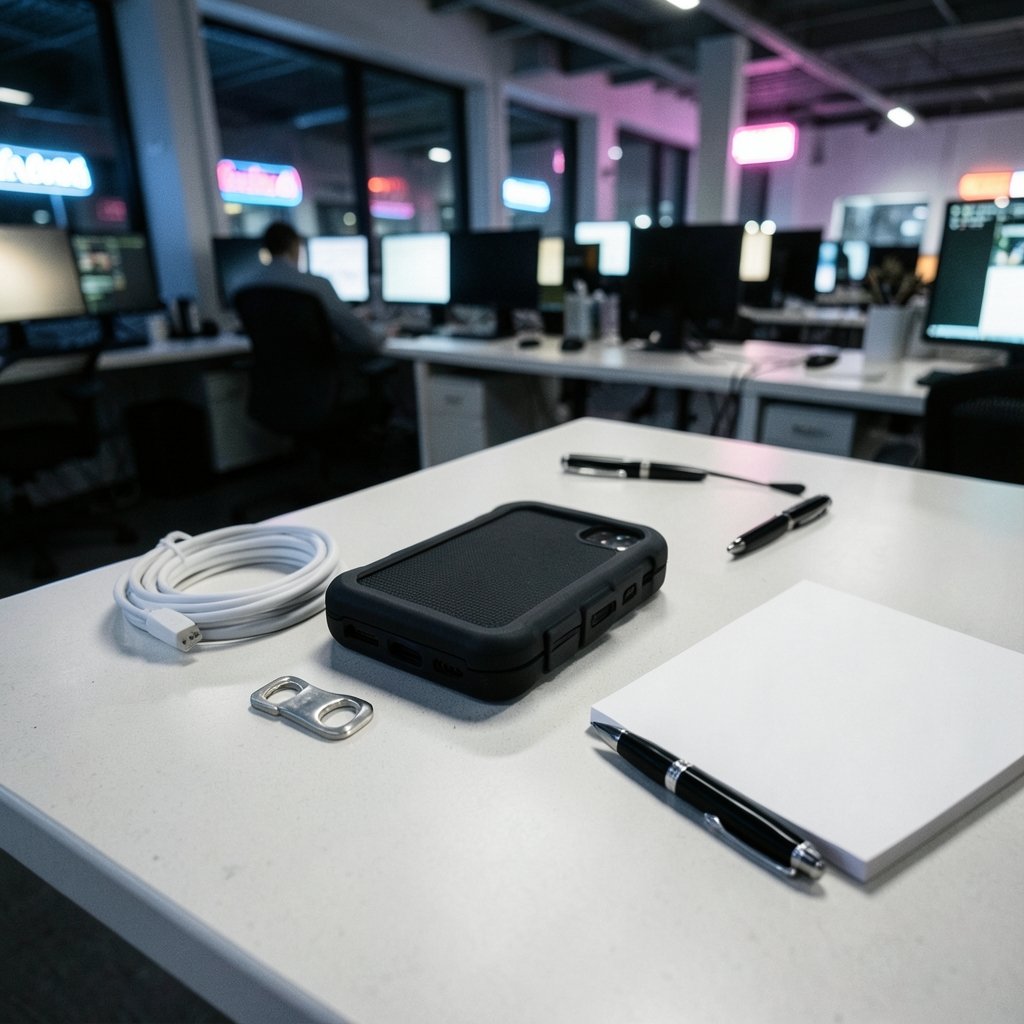
If a phone has ever slipped out of your hand in a parking lot, this is the case the internet will point you toward, and for good reason. OtterBox has been the rugged benchmark since 1998, and the Defender Series remains the best balance of protection and usability for most people. It wraps the phone in multiple layers, includes a holster clip, and shrugs off the kind of drops that make you hold your breath.
Who it suits: parents, tradespeople, hikers, and anyone who has cracked a screen before.
What it does well: serious impact absorption without turning the phone into a brick you can’t hold.
The limitation: it is genuinely bulky. If you carry your phone in a slim front pocket, you will feel it every time you sit down. The holster helps, but some people hate holsters.
Price: published listings put the Defender Series in the $60 to $80 range, with some variants discounted below that.
Casetify Bounce Case: Protection That Doesn’t Look Like a Tank
Casetify built its reputation on style without giving up protection, and the Bounce Case is the clearest expression of that idea. It uses recycled materials, comes in a huge range of prints and artist collaborations, and absorbs shocks far better than its appearance suggests.
Who it suits: people who want a case that matches their personality and still survives real life.
What it does well: the drop protection is legitimate, not decorative. The Bounce line is specifically built for impact.
The limitation: it is one of the pricier options here, and the constant stream of new designs can make you want to buy a second one. That is a marketing machine working as intended.
Price: expect roughly $65 to $85 depending on model and design.
Apple Silicone Case with MagSafe: The Safe Bet for iPhone Owners
There is a reason so many iPhone buyers default to Apple’s own silicone case. It fits like it was made for the phone (it was), the magnets align perfectly with MagSafe accessories, and the soft-touch finish feels good in the hand. Reviewers who test hundreds of cases each year still describe it as the definition of a safe bet.
Who it suits: iPhone owners who want zero compatibility headaches and a clean look.
What it does well: flawless fit, strong magnet alignment, and a pleasant grip.
The limitation: silicone picks up pocket lint and can show wear at the corners over time. It also offers less drop protection than a rugged case, so it is not the pick for someone who drops their phone weekly.
Price: $49 is the standard figure cited for this case.
Spigen Thin Fit (MagFit): The Best Value in the Category
Spigen has built an entire business on fast compatibility, a wide device range, and prices that don’t sting. The Thin Fit with MagFit is the sweet spot: slim enough to disappear in your hand, with built-in magnets for MagSafe-style accessories.
Who it suits: budget-conscious buyers who still want magnetic accessories to work.
What it does well: it adds almost no bulk while keeping a grippy matte texture and magnet support.
The limitation: thin cases trade cushioning for slimness. This one handles scratches and small knocks, not a fall from a ladder.
Price: listings in India start around Rs 1,899, and US pricing tends to sit in the budget-to-mid range.
ESR Classic Hybrid with HaloLock: Best Features per Dollar
ESR is the brand to look at when a built-in stand or magnetic feature matters as much as basic protection. The Classic Hybrid with HaloLock pairs a clear back with strong magnets, and ESR also sells cases with integrated kickstands and camera-control features at prices that undercut the premium brands.
Who it suits: people who watch video on their phone constantly and want a stand without buying a separate accessory.
What it does well: you get magnetic mounting and often a kickstand for less than a plain case from a premium brand.
The limitation: the materials feel less premium than Mous or Nomad, and clear backs can yellow over time depending on the plastic.
Price: ESR sits firmly in the budget tier, which is the whole point.
Smartish Gripmunk with MagSafe: Grip First, Everything Else Second
Smartish is a smaller brand with a loyal following, and the Gripmunk with MagSafe is its signature case. The textured sides give you something to actually hold onto, which matters more than most spec sheets admit.
Who it suits: anyone whose phone regularly slides off a couch arm or a car seat.
What it does well: comfortable grip and useful everyday features at a moderate price.
The limitation: Smartish covers fewer phone models, has a smaller accessory ecosystem, and its styling is plainer than the premium brands.
Price: Smartish’s own pricing guide places many cases around $29.99 to $34.99, though model and promotions affect the final number.
Ringke Fusion-X: For People Who Want to See Their Phone
Some cases hide your phone. The Ringke Fusion-X celebrates it. A slim polycarbonate back shows off the phone’s design while a thick TPU bumper wraps the edges for protection. It is the most recognizable case Ringke makes, and it has earned that spot.
Who it suits: people who picked a phone color on purpose and want to keep looking at it.
What it does well: the bumper design offers excellent protection for the price, and the clear back resists scratching better than cheap alternatives.
The limitation: the look is distinctive, and not everyone wants a case that announces itself. Ringke’s ultra-thin Slim model, by contrast, may not suit clumsy users at all, so pick carefully within the lineup.
Price: Ringke sits in the budget tier across its range.
Pitaka MagEZ Case: Minimalism Without Going Naked
Minimalist cases have come a long way. The best ones use advanced materials like aramid fiber to deliver real protection in a shell thin enough to preserve the phone’s native feel. The Pitaka MagEZ is the clearest example: quiet, lightweight, and slim.
Who it suits: people who hate cases but accept that going caseless is a bad idea.
What it does well: aramid fiber is remarkably strong for its thickness, and the case keeps the phone’s original silhouette.
The limitation: thin is thin. There is less material between your phone and the pavement, so this is not the pick for severe drop risk.
Price: around $60.
How to Choose Without Overthinking It
Once you have a shortlist, the decision comes down to four practical questions.
- How often do you actually drop your phone? Be honest. Weekly droppers need an OtterBox or Casetify. Once-a-year people can safely go slim.
- Do you use magnetic accessories? If you rely on a MagSafe charger or mount, buy a case with magnets built in rather than adding a sticker later.
- Where does the phone live? A front pocket favors slim cases. A bag or holster favors rugged ones.
- What is your real budget? Cheap cases under $20 from unbranded sellers are mostly fine for everyday wear, while $50 to $90 buys real engineering for drop protection and material durability. The $30 to $50 band is largely commodity territory where cases look different but perform similarly.
One mistake people make constantly: buying a case before the phone arrives and discovering the fit is off. Another: assuming a clear case will stay clear. If you care about looks, check reviews for yellowing before you commit.
If you are also sorting out accessories, it is worth reading about the best car phone mounts that keep your phone steady and your eyes on the road, since a good mount and a grippy case work together. And if you are weighing an upgrade, a guide to whether a Best Buy trade for your old phone is really worth it can save you from leaving money on the table. (Fashion nova phone number you cant find one do instead)
Matching the Case to the Phone
Fit matters as much as features. Cases are cut for specific models, and a case designed for one generation often will not fit the next. Samsung Galaxy and iPhone owners have the widest selection, while owners of older or less popular phones may find slimmer pickings. Ringke, for example, keeps the Fusion and Slim available for phones that are more than a couple of years old, which is a quiet advantage if you keep devices longer than average.
When in doubt, buy from a brand that names its materials. If a listing cannot tell you what the case is made of, that is a signal.
Conclusion
The best phone case is not the most expensive one. It is the one that matches how you actually live. OtterBox Defender remains the default for maximum protection, Casetify Bounce covers style and survival, Apple’s Silicone Case is the safe iPhone bet, and Spigen, ESR, and Ringke deliver remarkable value for the money. Smartish wins on grip, and Pitaka wins on minimalism. Pick the trade-off you can live with, check the fit for your exact model, and stop worrying about your phone in your pocket.
Frequently Asked Questions
What is the best phone case overall?
For most people, the OtterBox Defender Series offers the best balance of protection and usability, typically priced between $60 and $80. If you want something slimmer, the Apple Silicone Case with MagSafe at $49 is a dependable alternative for iPhone owners.
Are expensive phone cases actually better?
Not automatically. Cases in the $30 to $50 range are largely commodity products that look different but perform similarly. Premium cases at $50 to $90 add real engineering for drop protection, magnet compatibility, and material durability. Cheap cases under $20 are mostly fine for everyday wear, but they will not survive serious drops.
Do I need a MagSafe-compatible case?
Only if you use magnetic accessories. If you rely on a magnetic charger, wallet, or car mount, buy a case with magnets built in. Adding a magnetic ring later works but adds bulk and can interfere with wireless charging.
Which case is best for minimalists?
The Pitaka MagEZ Case, around $60, uses aramid fiber to stay thin and light while still offering protection. Just accept that a thin case provides less cushioning than a rugged one, so it suits careful users better than chronic droppers.
How often should I replace my phone case?
Replace it when you see cracks, stretched edges, a loose fit, or significant discoloration on a clear case. A damaged case can transfer impact to the phone instead of absorbing it, which defeats the purpose of having one.
Is a built-in screen protector case worth it?
Cases with built-in screen protectors eliminate the frustration of aligning a separate protector, and popular models on Amazon range from around $16.99 upward. The trade-off is that the built-in cover can scratch and cannot be swapped out as easily as a standalone protector.











