

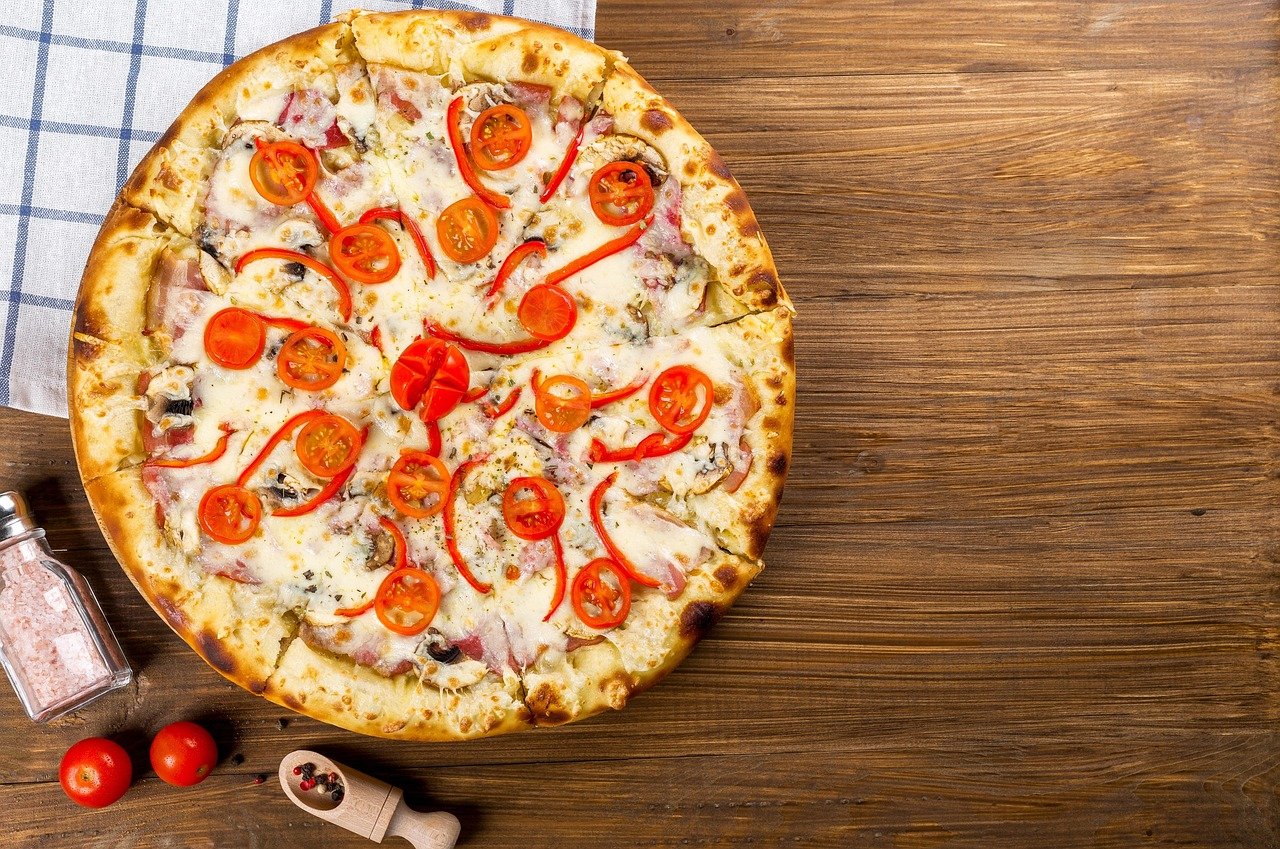

What makes a pizza muzzarella so good that people plan their whole evening around it? In Argentina, that question is not a joke. Pizza is not a side dish or a late-night afterthought there. It is a way of life, a family ritual, and in Buenos Aires, a genuine point of civic pride. If someone is searching for the best pizza muzzarella Argentina near me, they usually want more than a list of addresses. They want to understand what makes this style of pizza different, how to spot a great place from a mediocre one, and what to order once they sit down. This guide covers all of that, from the spongy crust to the chickpea flatbread that rides on top.
What Exactly Is Pizza Muzzarella?
Pizza muzzarella, often shortened to muza in casual conversation, is the default Argentine pizza. It starts with a dough base that is noticeably thicker and spongier than a classic Neapolitan pie. On top goes a generous layer of mozzarella, a ladle of tomato sauce, a dusting of oregano, and frequently a few green olives scattered across the surface.
There are two main oven styles, and knowing the difference helps when reading a menu:
| Style | What It Means | Texture and Character |
|---|---|---|
| Pizza al molde | Baked in a round pan or mold | Thick, airy, almost focaccia-like base with a crisp bottom |
| Pizza a la piedra | Baked directly on a stone | Thinner, crisper, with a more blistered edge |
Both styles carry the muzzarella topping, but they eat very differently. Someone who wants a substantial, filling meal usually leans toward al molde. Someone who wants a crisper bite and a lighter feel tends to prefer a la piedra. Neither is “correct.” It comes down to what a person grew up with or what mood they are in.
There is also pizza de cancha, or “stadium pizza.” This is a distinct street style sold near football grounds: thick, saucy, and often served on a sturdy base designed to survive being eaten standing up in a crowd. It is a different pleasure entirely from a sit-down pie, but it belongs in any honest conversation about Argentine pizza.
Why Argentine Pizza Tastes Different

The story behind the flavor is tied to immigration. Argentine pizza culture is strongly associated with Buenos Aires, particularly the Corrientes avenue corridor and neighborhoods like La Boca, where Genoese immigrants settled in the late nineteenth and early twentieth centuries. Those immigrants brought their baking traditions, and over decades the local version drifted away from the Italian original into something distinctly Argentine.
The result is a pizza that is cheesier, taller, and more generous than most visitors expect. The mozzarella is often applied heavily, the sauce is applied with restraint, and the oregano does real work rather than sitting there as decoration. The crust is the biggest tell. A properly made al molde base should feel light despite its thickness, with a bottom that has actual crunch rather than soggy dough.
For anyone who has spent time comparing regional food styles, the experience is a little like discovering that a dish you thought you knew has a whole parallel life elsewhere. The same is true of how local food scenes develop their own logic, as anyone who has looked into supreme pizza toppings and where they come from will recognize.
The Fainá Factor: Argentina’s Signature Move
Here is the detail that surprises most first-timers. In Argentina, pizza is frequently served with fainá, a thin flatbread made from chickpea flour. The traditional move is to place a slice of fainá directly on top of the pizza slice and eat them together.
Why? The fainá adds a nutty, savory layer and a slightly crisp texture that contrasts with the soft cheese. It also stretches the meal, which mattered in households where feeding a family affordably was the priority. Today people eat it because they genuinely love it, and habit alone does not explain it.
Practical tip: if a pizzeria offers fainá and a person has never tried it, order one slice on the side rather than committing to a whole portion on top. Some people fall in love instantly. Others prefer their pizza unaccompanied. Better to find out with one slice than a whole pie.
How to Judge a Pizzeria Before Ordering
Finding a great place is partly about location and partly about knowing what to look for. A few practical checks separate the strong options from the weak ones.
Look at the oven. A visible stone or a well-used pan setup tells a person something. Pizzerias that have been running the same oven for decades usually have the heat control figured out.
Watch what locals order. If most tables are getting muzzarella with fainá, that is the house specialty. Ordering something elaborate at a place known for one thing is usually a mistake.
Check the bottom of the slice. A good al molde pizza has a base that holds up. If it collapses into a wet mess the moment it is lifted, the dough was underproofed or the sauce was over-applied.
Ask about portion sizes. Argentine pizzas are often large. A single pizza can comfortably feed two people, sometimes three. Over-ordering is one of the most common mistakes visitors make, and it is an expensive one.
Go at the right time. Pizzerias in Buenos Aires tend to get busy late. Arriving at 8 pm may mean a quiet room; arriving at 10 pm may mean a queue. Neither is wrong, but expectations should match reality.
Reading the Menu Without Guessing
Muzzarella is the anchor, but the menu will offer variations. Knowing the vocabulary saves a lot of pointing.
| Menu Term | What Arrives |
|---|---|
| Muzzarella | Tomato sauce, mozzarella, oregano, often olives |
| Napolitana | Muzzarella plus sliced tomato and garlic |
| A la calabresa | Muzzarella with longaniza sausage |
| Fugazzetta | Thick, onion-heavy, similar to focaccia with cheese |
| Especial | House combination, varies by pizzeria |
A first visit is usually best spent on plain muzzarella. It is the benchmark. If the simplest pizza on the menu is excellent, the rest of the menu is likely in good hands. If the muzzarella is forgettable, no amount of extra toppings will rescue the meal.
The “Near Me” Problem, Solved
Searching for pizza near me is easy. Finding the right one is harder, because search results reward proximity and review volume rather than quality. A few habits make the process more reliable.
Start by narrowing to a walkable radius rather than a broad city-wide search. A great pizzeria twenty minutes away is worth the trip, but a good one around the corner gets visited far more often. Second, read recent reviews rather than the overall star rating. A place with a strong lifetime average may have changed hands or changed cooks. Third, look for reviews that mention specific things: the crust, the cheese, the temperature of the food when it arrived. Vague praise tells a reader almost nothing.
This same logic applies to almost any local search, whether someone is hunting for a great pizzeria or figuring out how to find a good Chinese restaurant fast. The pattern holds: narrow the area, read for specifics, and trust details over averages.
It also helps to know what a neighborhood is known for. Just as some areas build a reputation around one cuisine, others become known for a particular style of pizza. Doing a little homework before committing to a table pays off, and the same approach works when choosing a clinic for a treatment in an unfamiliar city: reputation plus specifics beats a random pick every time.
Common Mistakes to Avoid
Even enthusiastic eaters trip over the same few things. Avoiding these makes a pizza outing noticeably better.
Ordering too much. Argentine portions are generous. Two people ordering two large pizzas will usually leave food behind.
Skipping the fainá entirely. It is part of the experience. Try it at least once.
Expecting a thin Neapolitan crust. If someone wants a blistered, floppy, wood-fired pie, they should order a la piedra and set expectations accordingly. Judging an al molde pizza by Neapolitan standards is comparing two different things.
Eating too early. The room may be empty and the oven may still be coming up to temperature. Later is usually better.
Ignoring the olives. They are there for a reason. The salt and acidity cut through the cheese.
Not asking for recommendations. Staff at a good pizzeria know exactly what the kitchen does best. Asking is free and usually rewarded.
What to Drink and What to Order Alongside
The classic pairing is a cold, light lager, which cuts through the richness of the cheese. Many Argentinians also drink soda with pizza, particularly at casual spots. Wine works too, but a heavy red can overwhelm a simple muzzarella.
On the side, options are usually limited and that is fine. Empanadas are a common starter. A simple salad provides balance. Dessert, if anyone has room, tends toward ice cream or a flan.
For anyone who enjoys understanding the small rituals around dining out, the etiquette side of eating well is its own subject. There is a real difference between eating and eating well, and much of it comes down to small habits, as a look at modern manners and self-awareness at the table makes clear.
A Quick Word on Pizzerias Worth Knowing
Buenos Aires has no shortage of long-standing pizzerias, many concentrated along Corrientes and in the older neighborhoods. Some are institutions that have served the same recipe for generations. Others are newer operations applying more modern techniques to the same tradition.
Rather than chasing a single “best” name, a better approach is to pick a neighborhood and try two or three places within walking distance. Tastes vary widely, and the pizza someone loves may not be the one a guidebook recommends. Personal preference matters more here than any ranking.
If a trip involves a celebration, the planning instinct is the same as it is for any big event. People research, compare, and choose carefully, whether they are booking a table or planning a garden wedding down to the last detail. The care is what makes the occasion memorable.
And for anyone curious about how public figures handle attention and privacy, there is a certain parallel in how neighborhoods handle fame: quietly, and on their own terms, much like the deliberately low-profile life of a well-known family member.
Conclusion
The best pizza muzzarella in Argentina is rarely found by typing a query and clicking the first result. It comes from understanding what the style actually is, knowing the difference between al molde and a la piedra, trying fainá at least once, and reading reviews for specifics rather than stars. Order the plain muzzarella first. Judge the crust. Ask the staff what the kitchen does best. Keep the group small and the order sensible. Do those things and the search for great pizza near you stops being a gamble and starts being a reliable habit. Argentina built an entire food culture around a simple cheese pizza, and the reward for paying attention is a meal that lives up to the reputation.
Frequently Asked Questions
What is the difference between pizza muzzarella and regular cheese pizza?
Pizza muzzarella uses a thicker, spongier dough than most American or Neapolitan cheese pizzas, with a heavier layer of mozzarella, a lighter application of tomato sauce, and a finish of oregano and often green olives. It is typically baked either in a pan (al molde) or on a stone (a la piedra).
Do I have to eat fainá with my pizza?
No, but it is the traditional pairing and worth trying at least once. Fainá is a thin chickpea-flour flatbread that is placed on top of the pizza slice. Order a single portion on the side first to see whether the combination suits your taste.
How much pizza should I order for two people?
In most Argentine pizzerias, one large pizza is enough for two people, sometimes with leftovers. Portions are generous, and over-ordering is one of the most common mistakes visitors make. Start with one pizza and add more only if needed.
What is pizza de cancha?
Pizza de cancha, or “stadium pizza,” is a Buenos Aires street style sold near football grounds. It is thick, heavily sauced, and built to be eaten standing up. It is a distinct style from the sit-down pizzerias and worth trying for the experience.
What is the best time to visit a pizzeria in Argentina?
Later is generally better. Many pizzerias are quiet around 8 pm and much busier from 10 pm onward. Arriving later usually means the oven is fully heated and the kitchen is in rhythm, though it may also mean a short wait for a table.
How can I tell if a pizzeria is actually good?
Check the bottom of the slice: a good al molde pizza has a base that holds up rather than collapsing. Look at what locals are ordering, read recent reviews for specific comments about crust and cheese, and ask the staff what the kitchen does best.














