

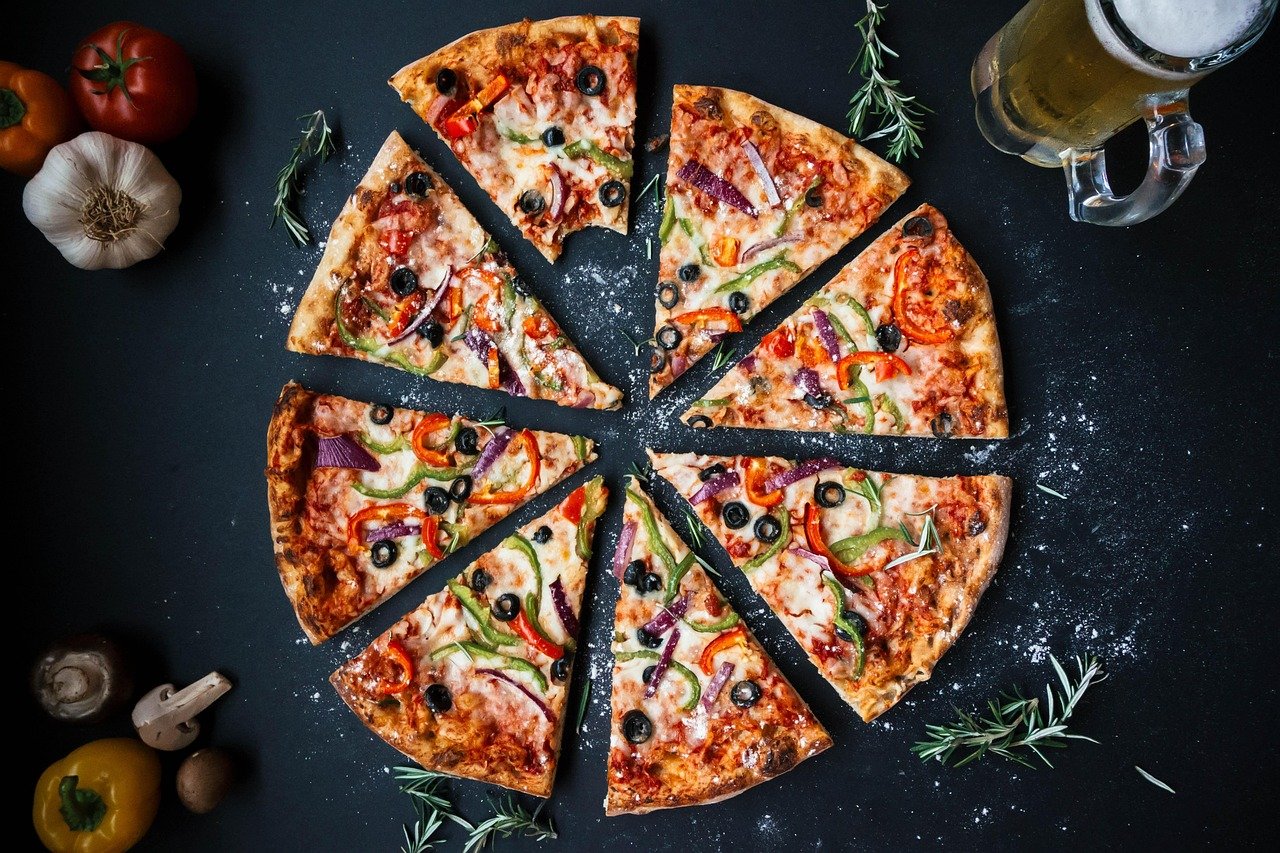
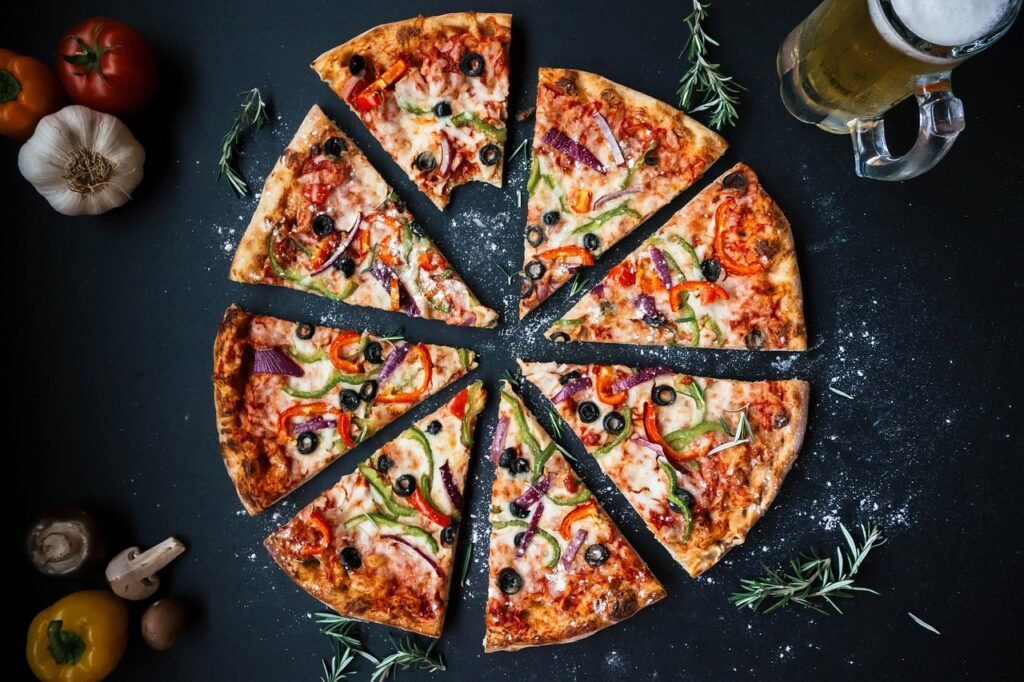
What if the pizza you are searching for does not actually mean what you think it means? That is the first surprise waiting for anyone typing “best pizza napolitana argentina near me” into a search bar. In Argentina, pizza napolitana is not the blistered, soupy-centered Neapolitan pie that Italians fight over. It is a homegrown Argentine classic with its own rules, its own toppings, and its own fiercely loyal fan base. Understanding that difference is the fastest way to stop wasting money on the wrong pizza and start finding the right one.
What “Pizza Napolitana” Actually Means in Argentina
Order a napolitana in Buenos Aires and you will not get a 60-second wood-fired bake with a puffy leopard-spotted crust. You will get something distinctly Argentine: a thicker base, often media masa (a spongy, slightly sweet dough), covered in tomato sauce and mozzarella, then finished with sliced tomato, garlic, and frequently ham and green olives.
The confusion runs deep because the name travels badly. In English, “Neapolitan pizza” almost always refers to the Italian verace style, a method with strict production rules covering flour type, San Marzano tomatoes, fior di latte or buffalo mozzarella, hand-stretched dough, and wood-fired ovens running at roughly 430 to 485 °C with a bake of only about 60 to 90 seconds. That standard is codified by the Associazione Verace Pizza Napoletana, founded in 1984, and “Pizza Napoletana” was registered as a Traditional Speciality Guaranteed under EU quality schemes in 2010. It is a product-specification standard, not a geographic indication, which is a subtle but important legal distinction.
So the same two words describe two completely different pizzas:
| Feature | Argentine Napolitana | Italian Neapolitan (Verace) |
|---|---|---|
| Crust | Thick, spongy media masa or al molde | Thin, puffy cornicione, soft center |
| Bake | Longer, conventional oven | 60 to 90 seconds at 430 to 485 °C |
| Toppings | Tomato sauce, mozzarella, sliced tomato, garlic, often ham and olives | Tomato, fior di latte or buffalo mozzarella, basil, olive oil |
| Standard | Local tradition, no formal code | Codified production rules, TSG registered in 2010 |
| Where it dominates | Pizzerias across Argentina | Neapolitan-style venues, a niche in Buenos Aires |
Neither is “correct.” They are simply different foods wearing the same name, and knowing which one you want changes your entire search strategy.
Why “Near Me” Searches Go Wrong
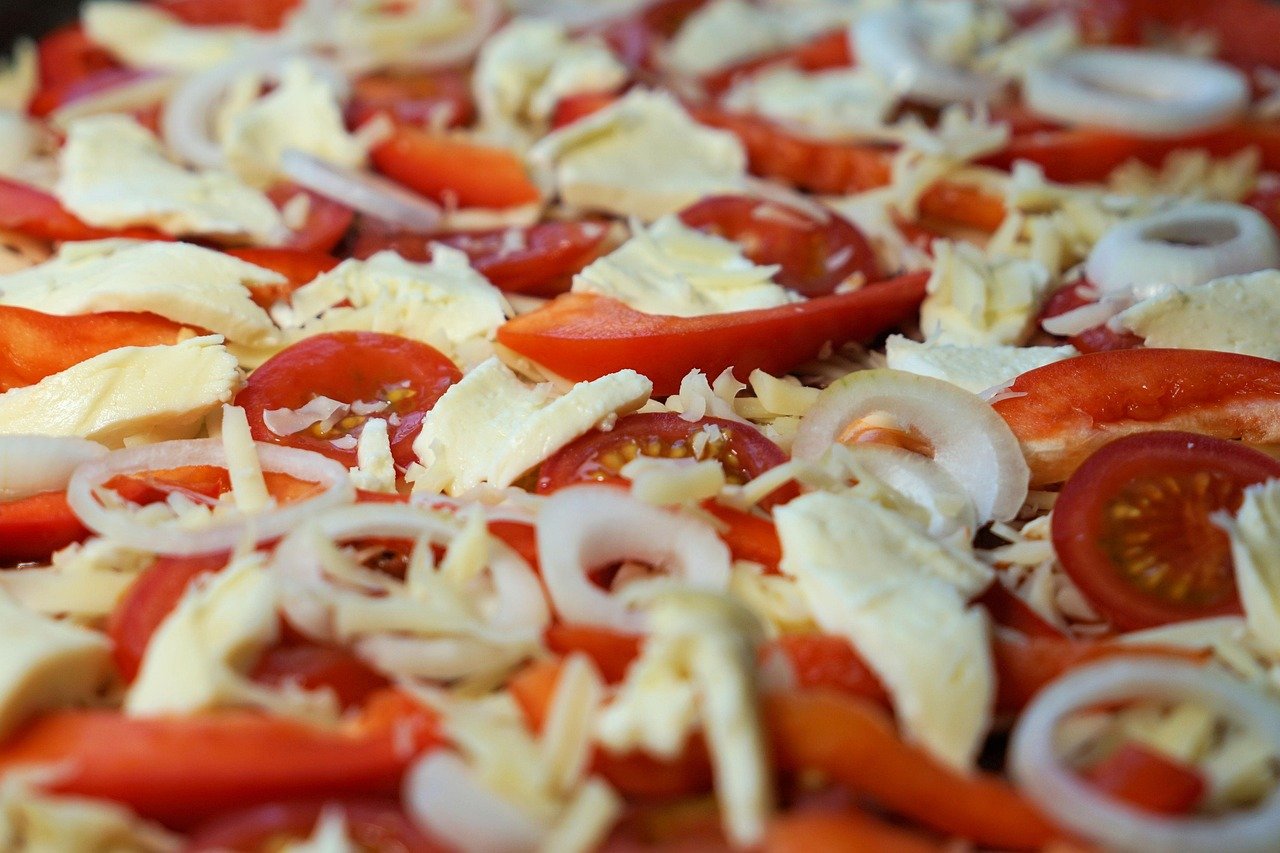
Here is a mistake almost everyone makes: typing “best pizza napolitana near me” and trusting the first five results. “Near me” searches are location-dependent by design. Mapping tools rank results by a mix of relevance, distance, and prominence, which means the list you see in Palermo will look nothing like the list someone sees in Microcentro, even though both are in Buenos Aires.
A few practical habits fix this fast:
- Search from the exact neighborhood where you plan to eat, not from your hotel lobby across town.
- Check whether the pizzeria’s photos show a thick Argentine base or a thin blistered one, since listings often mislabel styles.
- Read reviews from the last two months rather than the last two years, because kitchens change.
- Confirm opening hours directly, since posted hours drift and holiday schedules are unpredictable.
- Look at the menu language. A place listing “napolitana” alongside “muzzarella” and “fugazzeta” is almost certainly serving the Argentine version.
That last tip is the most reliable filter. If the menu reads like a Buenos Aires neighborhood pizzeria, you have found the local style. If it advertises a wood-fired oven and a VPN or AVPN method, you have found the Italian niche.
Argentine Pizza in One Minute
Buenos Aires is often described as having one of the highest concentrations of pizzerias per capita in the world, though that ranking is contested and best treated as a colorful claim rather than hard data. What is not in dispute is the depth of the city’s Italian-diaspora food culture. Waves of immigration left behind a pizza tradition with several distinct branches: media masa (spongy and thick), a la piedra (baked on stone, crisper), and al molde (pan-baked, somewhere in between).
In Argentine pizza, the napolitana is a topping style, not a dough style. That is why you can find a napolitana made on media masa at one counter and on a la piedra base across the street. Both can be excellent. What matters most is the kitchen, not the label.
For readers who want a broader framework for judging a pizzeria before committing to a table, the same instincts that apply to choosing a laser hair removal near me clinic apply here: verify the specifics, ignore the marketing, and trust recent first-hand accounts over polished photos.
How to Judge a Napolitana Like a Local
Experience teaches a few things that no review site will tell you outright. The best Argentine napolitana usually shows restraint. Too many toppings turn the center into a soggy mess, and a heavy hand with garlic overwhelms the tomato. A good version has a base that holds its shape under the weight of sliced tomato, cheese with real stretch, and a sauce that tastes of tomato rather than sugar.
Common mistakes diners make:
- Judging by crust alone. In Argentina the toppings carry the dish, so a modest-looking base can still deliver.
- Ordering a whole napolitana for one person. These are generous pies; a half portion with a starter is often the smarter call.
- Ignoring the empanada and milanesa menu. Pizzerias with a full kitchen tend to have better ingredients on hand overall.
- Skipping the table condiments. A drizzle of olive oil and a shake of oregano is standard practice, not an insult to the chef.
- Arriving at peak dinner hours without a plan. Buenos Aires eats late, and popular spots fill quickly after 9 pm.
What actually works is simple: go where the locals queue, order the house napolitana rather than the fanciest item, and eat it hot at the counter if seating is tight. The same logic applies when hunting for Chinese restaurants near me: find a good one fast, where reading the room beats reading the menu.
Argentine Napolitana vs. Neapolitan-Style Venues in Buenos Aires
Neapolitan-style pizzerias with wood-fired ovens and AVPN-inspired methods do exist in Buenos Aires, but they are a niche rather than the norm. They cater to a different appetite: diners chasing the Italian verace experience rather than the Argentine neighborhood classic.
| Your craving | What to search | What to expect |
|---|---|---|
| Argentine napolitana | “pizzería napolitana” plus your neighborhood | Thick base, tomato and garlic, ham and olives common |
| Neapolitan verace | “pizza napoletana” or “horno a leña” | Thin blistered crust, short bake, minimalist toppings |
| A bit of both | “pizza a la piedra” | Crisper base, flexible toppings, middle ground |
If you are planning a wider food itinerary and want to compare how regional topping traditions travel across borders, a look at supreme pizza toppings origins and how it compares offers a useful parallel. The lesson is the same one Argentina teaches: a pizza’s name tells you where it grew up, not what is on it.
A Practical Checklist Before You Commit
Before you sit down, run through a short mental list. It takes thirty seconds and saves an evening.
- Does the menu show a napolitana built on media masa, a la piedra, or al molde? Any of the three is legitimate; knowing which you want prevents disappointment.
- Are the tomatoes fresh-sliced or cooked into the sauce? Many versions use both, and that layering is part of the appeal.
- Is there ham? In the Argentine classic it is common but not universal, so ask if it matters to you.
- How recent are the reviews, and do the photos match the description?
- Is the oven visible? A working kitchen you can see is usually a good sign.
- Does the price match the neighborhood, or are you paying for the address?
Diners who skip this step often end up with a pie they did not want and blame the style rather than the ordering. A little preparation goes a long way, much like reading up on what diners should know before they go to a Bellizzi pizza joint before making the trip.
Etiquette, Manners, and the Social Side of Pizza
Pizza in Argentina is a social food, and how you order says something about you. Sharing a large pie, passing plates, and splitting a bottle of moscato or a cold beer are all part of the ritual. There is a quiet code to it: you offer the first slice, you do not hog the last olive, and you thank the counter staff by name if you are a regular.
That small-scale courtesy is a version of the self-awareness that makes modern social life smoother, a theme explored in how modern gent style and manners build self-awareness. Good manners at a pizzeria are not complicated. They are just attention paid to other people.
For a wider sweep of local listings and neighborhood guides, the laser hair removal near me tag archive shows how location-based search pages are organized, which helps explain why your “near me” results shift so much from one barrio to the next.
What the Research Does and Does Not Tell Us
Honesty matters here. There is no single authoritative ranking of the “best” napolitana in Argentina, and any list claiming otherwise is expressing opinion, not fact. Current venue status, opening hours, and rankings change constantly, so a “best of” list should always be tied to a dated, named publication and read as a snapshot rather than a verdict.
What is well documented is the framework: the Argentine napolitana is a distinct local style, the Italian Neapolitan has a codified standard and a 2010 TSG registration, and Buenos Aires has a deep pizza culture with multiple dough traditions. Those facts are stable. The rest is a matter of taste, timing, and which corner you happen to be standing on.
Conclusion
Finding the best pizza napolitana near you in Argentina starts with one clear decision: do you want the Argentine classic, with its thick base and tomato-and-garlic topping, or the Italian verace style with its 90-second bake? Once you know that, the search becomes simple. Search from the right neighborhood, check recent photos, read the menu language, and trust the queue over the advertising. The Argentine napolitana is not a lesser version of anything. It is its own thing, built by generations of immigrant cooks, and it rewards diners who understand what they are ordering. Go hungry, go curious, and go local.
What is the difference between pizza napolitana and Neapolitan pizza?
Pizza napolitana in Argentina is a local style with a thicker, often spongy media masa base, topped with tomato sauce, mozzarella, sliced tomato, garlic, and frequently ham and olives. Neapolitan pizza in the Italian sense follows codified production rules, including specific flours and cheeses, hand-stretched dough, and a wood-fired bake of roughly 60 to 90 seconds at 430 to 485 °C. Same name, two different foods.
Is Neapolitan pizza protected by law?
“Pizza Napoletana” was registered as a Traditional Speciality Guaranteed under EU quality schemes in 2010. That is a product-specification standard rather than a geographic indication, meaning it protects the method rather than restricting the name to one region. The Associazione Verace Pizza Napoletana, founded in 1984, maintains its own detailed production rules.
Why do “near me” pizza results differ by neighborhood?
Local search tools rank results by a combination of relevance, distance, and prominence. Because distance is calculated from where you are searching, a query in Palermo and a query in Microcentro will return different lists even though both are in Buenos Aires. Searching from the exact area where you plan to eat gives far more useful results.
How can I tell if a pizzeria serves the Argentine style?
Look at the menu language. A place listing “napolitana” next to “muzzarella,” “fugazzeta,” and “media masa” is almost certainly serving the Argentine version. Venues advertising a wood-fired oven and an AVPN or VPN method are chasing the Italian style instead. Photos help too: a thick base signals Argentine, a thin blistered one signals Neapolitan.
What toppings are standard on an Argentine napolitana?
The core is tomato sauce, mozzarella, and sliced tomato, usually with garlic. Ham and green olives are common additions, and some kitchens finish with oregano and a drizzle of olive oil. Versions vary by pizzeria, so it is worth asking what the house includes before you order.
How many people does one napolitana serve?
Argentine pizzas tend to be generous. A whole napolitana often suits two people comfortably, especially with a starter, while a half portion works well for one hungry diner. If you are ordering for a group, two large pies plus empanadas is a reliable formula.














