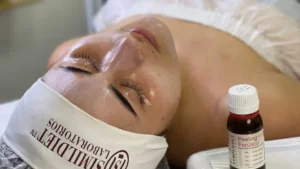
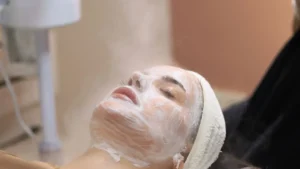
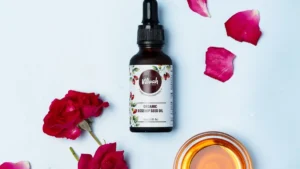
Teen skin does not need an anti-ageing routine, and that is worth saying clearly at the start. What some older teens do need is help with the things that actually show up at this age: dark circles after late nights, puffiness before school, and uneven texture from breakouts. A gentle retinol eye cream can help with those, but only if it is the right strength, used the right way, and only with a parent or dermatologist involved in the decision.
Retinol is a strong ingredient, even in an eye cream. The skin around the eyes is thin, and teen skin is often already dealing with acne treatments, which can make it more sensitive. That is why this guide focuses on low-strength, fragrance-free formulas, used two or three times a week at most, and why it starts with the rule that a simple routine, cleanser, moisturiser, sunscreen, matters more than any single product.
Below are nine retinol eye creams worth considering for older teens in 2027, chosen for gentle strength, simple formulas, and a price that makes sense for a first eye cream. Each one is described by what it is good at, what to watch for, and who it suits best, so you can choose with your skin in mind, not just a trend.
Key takeaways
- Teen skin does not need anti-ageing products; a retinol eye cream is only for older teens, and only with a parent or dermatologist involved.
- Choose low-strength retinol or retinal, fragrance-free, and use a pea-sized amount two or three times a week at most.
- Use it only at night, never with another strong active on the same night, and wear sunscreen every morning.
- Dark circles from tiredness or genetics will not disappear with any cream, and puffiness from lack of sleep needs sleep, not skincare.
- Stop and simplify if the skin around your eyes becomes red, flaky or sore, and do not use retinol if you are using prescription acne treatment without checking first.
What retinol actually does around the eyes
Retinol is a form of vitamin A. In plain terms, it speeds up how quickly skin renews itself, which helps with uneven texture, the look of fine lines, and dullness over time. Around the eyes, that can mean a smoother, brighter look, and a small improvement in dark circles that come from thin skin or texture rather than from tiredness or genetics.
What it does not do is work overnight, and it does not fix every kind of dark circle. Circles caused by late nights, allergies, or simply having thin skin that shows the blood vessels underneath will not disappear with a cream, no matter how good it is. Puffiness from lack of sleep or salty food also needs sleep and hydration, not skincare. A retinol eye cream helps most with texture and with the dull, tired look that comes from slow skin renewal.
Strength matters more than brand for teen skin. A low-strength retinol, around 0.1 percent or less, or a gentle retinal formula, is the right place to start. Higher strengths, and prescription-strength retinoids, are stronger than teen skin usually needs, and they are much more likely to cause redness, peeling and irritation around the eyes, where the skin is at its thinnest.
How we chose these eye creams and what to look for
Look first at the strength and the formula. A low-strength retinol, a retinal formula, or a retinol blended with soothing ingredients such as ceramides, niacinamide or hyaluronic acid is a better choice for teen skin than a high-strength anti-ageing cream. Fragrance-free is important too, because fragrance is a common cause of irritation around the eyes, and it adds nothing useful.
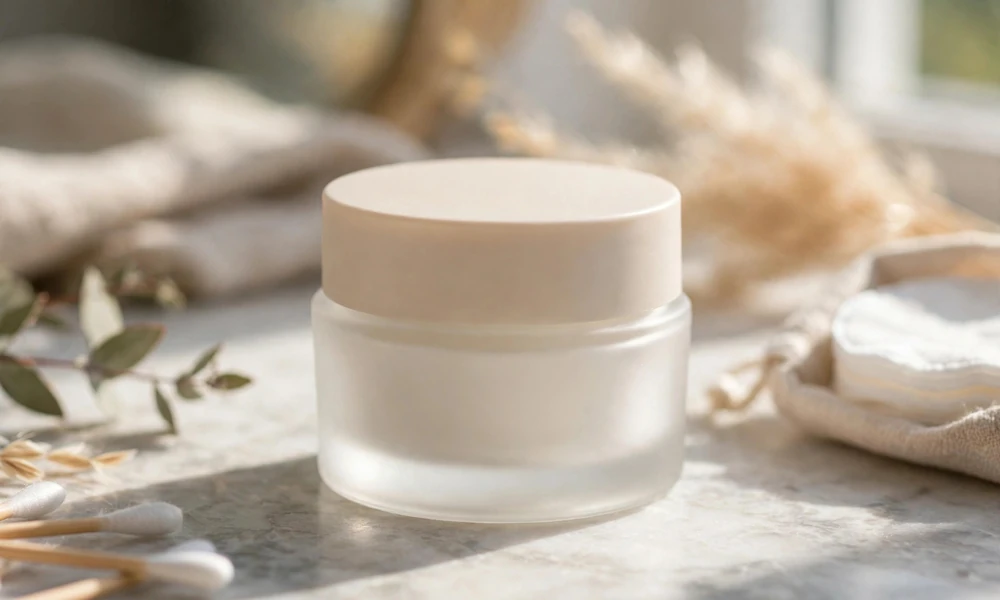
Look next at the texture and the packaging. A light cream or gel-cream absorbs easily and layers well under moisturiser. A tube or a pump keeps the retinol stable and stops you using too much, which is easy to do with a jar. A pea-sized amount, split between both eyes, is enough. More does not work faster, it only irritates more.
Finally, look at the price and the routine around it. A first eye cream should be affordable enough to replace without stress, and it should fit into a simple routine: a gentle cleanser, a moisturiser, and sunscreen in the morning. If you are already using a prescription acne treatment, check with your dermatologist before adding retinol, because the combination can be too much for your skin. Our guide to retinol creams for beginners explains the same slow-start rules in more detail, and they apply here too.
The 9 best retinol eye creams for teens 2027
CeraVe Skin Renewing Eye Cream
What we like: A gentle retinol eye cream with ceramides, hyaluronic acid and niacinamide, fragrance-free, affordable, and designed to support the skin barrier while it works. What to consider: A low strength, so results are gradual, and it is best used at night only. Key ingredients: Retinol, ceramides, hyaluronic acid, niacinamide. Skin type: All, including sensitive. Size: 15 ml. Cruelty-free: No.
This is the safest first choice on the list. The ceramides and niacinamide cushion the retinol, so it is much less likely to irritate, and the price makes it easy to keep using consistently.
RoC Retinol Correxion Eye Cream
What we like: A well-studied retinol eye cream with a gentle, non-greasy texture, widely available, and with a long track record. What to consider: Stronger than the gentlest options here, so start twice a week and build up slowly. Key ingredients: Retinol, mineral complex. Skin type: Normal, combination, oily. Size: 15 ml. Cruelty-free: No.
A good step up once your skin is used to retinol. It is more potent than a beginner formula, so the slow start matters, but for texture and dullness it is one of the most reliable options at this price.
Neutrogena Rapid Wrinkle Repair Eye Cream
What we like: A retinol eye cream with hyaluronic acid, fast-absorbing, fragrance-free, and affordable. What to consider: It can feel strong on very sensitive skin, so patch-test first and use it every other night to start. Key ingredients: Retinol, hyaluronic acid. Skin type: Normal, combination, oily. Size: 14 g. Cruelty-free: No.
A practical, no-fuss option for older teens who want a straightforward retinol eye cream. The hyaluronic acid helps it feel comfortable, but the retinol is real, so do not rush the frequency.
Olay Retinol 24 Night Eye Cream
What we like: A gentle retinol blend with niacinamide and peptides, designed for nightly use, with a smooth texture that layers well under moisturiser. What to consider: A moderate strength, so it is best for older teens who have already used a gentle retinol without irritation. Key ingredients: Retinol, niacinamide, peptides. Skin type: All, except very sensitive. Size: 15 ml. Cruelty-free: No.
This is a good second eye cream, once your skin has adjusted to a gentler formula. The niacinamide helps with redness, and the texture is one of the most comfortable here.
La Roche-Posay Redermic R Retinol Eye Cream
What we like: A pharmacy-grade retinol eye cream with a gentle, well-tolerated formula, designed for sensitive skin. What to consider: A modest strength, so results are slow, and it is best kept for night use only. Key ingredients: Retinol, neurosensine. Skin type: Sensitive, normal, combination. Size: 15 ml. Cruelty-free: No.
A sensible choice if your skin is reactive or you have had irritation from other actives. It is one of the gentlest retinol eye creams available, and it is easy to use consistently without problems.
Paula’s Choice Clinical Ceramide-Enriched Firming Eye Cream
What we like: A retinol eye cream enriched with ceramides and peptides, fragrance-free, with a rich but non-greasy texture. What to consider: A higher price than the drugstore options, and the richer texture may feel heavy on oily skin. Key ingredients: Retinol, ceramides, peptides. Skin type: Normal, dry, combination. Size: 15 ml. Cruelty-free: Yes.
For older teens with dry skin, this is one of the most comfortable retinol eye creams. The ceramides do real work here, keeping the eye area hydrated while the retinol works on texture.
Murad Retinol Youth Renewal Eye Serum
What we like: A retinol eye serum with a lightweight texture, designed to be gentle enough for the eye area while still delivering visible smoothing. What to consider: Premium price, and it is a serum, so it needs a moisturiser on top. Key ingredients: Retinol, hyaluronic acid. Skin type: Normal, combination, dry. Size: 15 ml. Cruelty-free: Yes.
A good option if you prefer a serum texture to a cream. It absorbs quickly and layers well, but the price means it is best saved for older teens who are already comfortable with retinol.
Drunk Elephant A-Shaba Complex Eye Serum
What we like: A gentle retinal eye serum with caffeine and peptides, designed to be less irritating than retinol while still helping with texture and dark circles. What to consider: Premium price, and retinal is still an active, so start slowly. Key ingredients: Retinal, caffeine, peptides. Skin type: All, including sensitive. Size: 15 ml. Cruelty-free: Yes.
Retinal is one step closer to the active form of vitamin A than retinol, which means it can work at a lower concentration with less irritation. The caffeine also helps with the look of puffiness in the morning.
The INKEY List Retinol Eye Cream
What we like: A very affordable, low-strength retinol eye cream, fragrance-free, with a simple formula that is easy for a beginner to understand. What to consider: A low strength, so it is a maintenance product rather than a strong treatment. Key ingredients: Retinol, shea butter. Skin type: All, including sensitive. Size: 15 ml. Cruelty-free: Yes.
The best budget first step on the list. It is gentle, simple and cheap enough to try without worry, and for an older teen trying retinol for the first time, that combination is exactly right.
Which retinol eye cream is right for you
Start with your skin, not the product. If your skin is sensitive, or you have had irritation from acne treatments, choose the gentlest option here, a low-strength, fragrance-free cream with ceramides or niacinamide, and use it twice a week. If your skin is resilient and you have used retinol on your face before without problems, a moderate-strength option is reasonable, but still start slowly.
Next, think about what you are actually trying to fix. Dark circles from tiredness or genetics will not change much with any eye cream, and no product should promise that. Texture, dullness, and the tired look that comes from slow skin renewal are where a retinol eye cream helps most. If puffiness is your main concern, a cream with caffeine and a cold compress in the morning will do more than retinol alone. Eye creams for dark circles explain which causes respond to skincare and which do not, which is worth reading before you spend money.
Finally, be honest about your routine. A retinol eye cream only works if you use it consistently, two or three times a week, at night, with sunscreen every morning. If you will not wear sunscreen, do not start retinol, because sun makes the skin more sensitive and undoes the benefit. And if you are using a prescription acne treatment, ask your dermatologist first, because combining actives without advice is the fastest way to irritated skin.
The caveats that matter
Retinol around the eyes needs respect, especially for teen skin. The eye area is thin, it is easy to use too much, and irritation there is uncomfortable and visible. The most common mistakes are using too much, using it too often, and combining it with another strong active on the same night. A pea-sized amount, split between both eyes, two or three times a week, is the right starting point. More is not better.
| Detail | What is known |
|---|---|
| Who it is for | Older teens only, with a parent or dermatologist involved |
| Best strength to start | Low-strength retinol or retinal, fragrance-free |
| How often to use it | Two or three times a week at night, then build up slowly |
| How much to use | A pea-sized amount, split between both eyes |
| What to avoid pairing | Another strong active, or prescription acne treatment, on the same night |
| Sunscreen | Every morning, without exception, while using retinol |
| When to stop | If the eye area becomes red, flaky, sore or swollen |
| What it does not do | It does not remove dark circles from genetics or tiredness, or replace sleep |
If you are pregnant, breastfeeding, or using prescription skincare, check with your clinician or dermatologist before adding retinol, especially around the eyes. That is not a formality. Prescription treatments change what your skin can tolerate, and a simple check avoids weeks of irritation. And if your skin is already irritated, stop the retinol, simplify your routine to cleanser and moisturiser, and wait until your skin is calm before trying again.
Checklist: choosing a retinol eye cream honestly
Use these checks before you buy, and again after two weeks of use.
- Check who decides: a parent or dermatologist is involved, and the product is for an older teen.
- Check the strength: low-strength retinol or retinal, fragrance-free, with soothing ingredients.
- Check the amount: a pea-sized amount, split between both eyes, no more.
- Patch-test first: apply a tiny amount to the outer eye area for two to three nights before full use.
- Start slowly: two or three nights a week for a month, then more often only if your skin stays calm.
- Protect the result: use sunscreen every morning, because retinol makes skin more sensitive to sun.
Frequently asked questions
How old should you be to use a retinol eye cream?
There is no single age, but retinol is generally for older teens, not younger ones, and only with a parent or dermatologist involved. Younger teen skin does not need retinol. A simple routine of cleanser, moisturiser and sunscreen is enough until the late teens, when texture or dullness becomes a real concern.
Can I use a retinol eye cream every night?
Not to start. Begin two or three nights a week for at least a month. If your skin stays calm, with no redness or flaking, you can build up to more nights. If irritation appears, drop back to fewer nights, or stop and simplify your routine.
Can I use retinol with my acne treatment?
Not without checking first. Many acne treatments are already strong actives, and combining them with retinol can cause serious irritation. Ask your dermatologist before adding a retinol eye cream, and never use them on the same night unless your dermatologist says it is safe.
Will a retinol eye cream remove my dark circles?
Probably not completely. Retinol helps with texture and with circles caused by thin, dull skin, but circles from genetics, allergies or lack of sleep will not disappear with a cream. Sleep, allergy care and sunscreen matter more for dark circles than any product. Eye creams for puffiness cover what actually helps with the tired look around the eyes.
Is retinol safe around the eyes?
Yes, at a low strength, in a small amount, and with a slow start. The skin around the eyes is thin, so it is more likely to become irritated, which is why a gentle formula and a pea-sized amount matter. Stop if the area becomes red, flaky or sore.
Do I still need sunscreen if I use a retinol eye cream?
Yes, every day. Retinol makes skin more sensitive to sunlight, and sun exposure undoes the brightening and smoothing you are working to build. Sunscreen is not optional while using retinol.
The bottom line
The best retinol eye cream for a teen in 2027 is not the strongest or the most expensive. It is a low-strength, fragrance-free formula, used in a pea-sized amount two or three times a week at night, with a parent or dermatologist involved, and with sunscreen every morning. For a first eye cream, a gentle, affordable option with ceramides or niacinamide is the smartest start, and it will still deliver visible smoothing with time.
Choose one cream, use it slowly and consistently, and judge it on how your skin looks and feels after a month, not on how strong it feels on day one. And remember that the most important parts of a teen skincare routine are not in a tube: sleep, sunscreen, and a simple routine you will actually follow. A retinol eye cream is a small addition to that, not a replacement for it.