A facial steamer is a small device that turns water into a gentle cloud of warm vapour and directs it at your face. It looks unremarkable, a little like a kettle with a nozzle, yet it has become one of the most talked-about tools in home skincare. Spas have used steam for decades as the opening step of a professional facial, and the at-home version promises the same warm, loosening effect without an appointment or a spa bill.
The appeal is easy to understand. After a few minutes under the steam, skin feels softer, looks pinker and more awake, and the serums and moisturisers applied afterwards seem to sink in better.
But a steamer is also one of the easiest tools to misuse. Too hot, too close or too often, and the same vapour that softens skin can strip it, leaving redness, dryness and broken capillaries. Some skin types should avoid steam altogether. This guide explains what a facial steamer is, how it works, what it can and cannot do, how to use one safely, and who should skip it.
Key takeaways
- A facial steamer heats water and directs warm vapour at the face, softening sebum and dead skin cells so cleansing and skincare work better.
- Pores do not open or close, because they have no muscles; steam softens what sits inside them, making blackheads and congestion easier to clear.
- Steam for five to ten minutes, once a week at most, with your face eight to twelve inches from the nozzle, and follow with serum and moisturiser.
- Use distilled water, keep the device clean, and never add essential oils unless the manufacturer says the model is designed for them.
- Skip steaming if you have rosacea, eczema, active cystic acne or very sensitive skin, and stop if skin stays red, stings or burns.
What a facial steamer actually is
At its simplest, a facial steamer is an electric device that heats water and releases the vapour through a nozzle or a wide cone that you hold your face over. The basic job is the same in every model: deliver warm, moist air to the face in a controlled way.
That control is the real difference between a steamer and the old bowl-and-towel method, where you pour boiling water into a bowl and lean over it with a towel over your head. The bowl method costs nothing, but the temperature is hard to control, the steam is uneven, and leaning close to boiling water is an obvious burn risk. A steamer regulates the output and lets you sit at a safe distance while the vapour works.
How a facial steamer works
When warm vapour meets the skin, two things happen at once. The heat causes vasodilation, the widening of the tiny blood vessels just below the surface, which brings more blood and oxygen to the skin and gives it a temporary flushed glow. The moisture hydrates the outermost layer of skin, softening the dead cells on the surface and the sebum, the natural oil, that holds debris inside the pores. Softened sebum is easier to lift away with a cleanser, and softened blackheads are easier to extract gently.
The second effect is absorption. Skin that is warm and slightly damp takes in water-based products more readily than dry, cool skin, so a hydrating serum applied in the minutes after steaming can work better.
It is worth clearing up the most repeated claim about steam. Pores do not open and close. They have no muscles, so no amount of heat can open them and no splash of cold water can close them. What steam does is soften the keratin and sebum inside the pore, making it easier to clear out what is trapped there.
Types of facial steamer
| Type | How it works | Best for | Watch out for |
|---|---|---|---|
| Nano-ionic steamer | Breaks water into very fine particles | Dry, dehydrated skin | Costs more, still needs distilled water |
| Standard tabletop steamer | Heats water and releases steady steam | Everyday home use | Check the timer and nozzle distance |
| Handheld steamer | Small, portable, short steam time | Travel and quick sessions | Weak output, small tank |
| Professional spa steamer | Large unit on a stand, calibrated heat | Salons and serious home setups | Expensive and bulky |
| Steamer and extractor kit | Steamer plus tools for blackhead removal | Congested skin, blackheads | Rough extraction can scar skin |
| Steam and towel set | Warmed towels instead of a device | Sensitive skin | Towels cool quickly |
| Bowl-and-towel method | Boiling water in a bowl, towel tented over head | No device needed | Burn risk, no temperature control |
| Aromatherapy steamer | Built-in compartment for herbs or oils | A scented, spa-like session | Oils can irritate skin and damage devices |
The real benefits of facial steaming
The most useful benefit is better cleansing. Warm steam softens sebum and loosens the dirt, sunscreen and makeup residue that sit in the pores, so a gentle cleanser afterwards removes more than it would on cold, dry skin. Steaming does not dissolve blackheads on its own, but it makes the skin far more cooperative when you cleanse or extract gently afterwards.
The second benefit is hydration and absorption. The outermost layer of skin drinks in the moisture from the steam, which is why skin looks plumper and dewier straight after a session, and the warm, damp surface takes in serums and moisturisers more easily. This is the best moment in your routine to apply a hydrating serum, then seal it in with a good moisturiser.
What steaming does not do is just as important. It does not treat acne, fade dark spots, smooth wrinkles or tighten skin. It does not detox the skin, because skin does not store toxins that steam can draw out. If your skin is dehydrated or sensitised, steam used too often can make it worse by stripping the natural oils that hold moisture in.
How to use a facial steamer safely
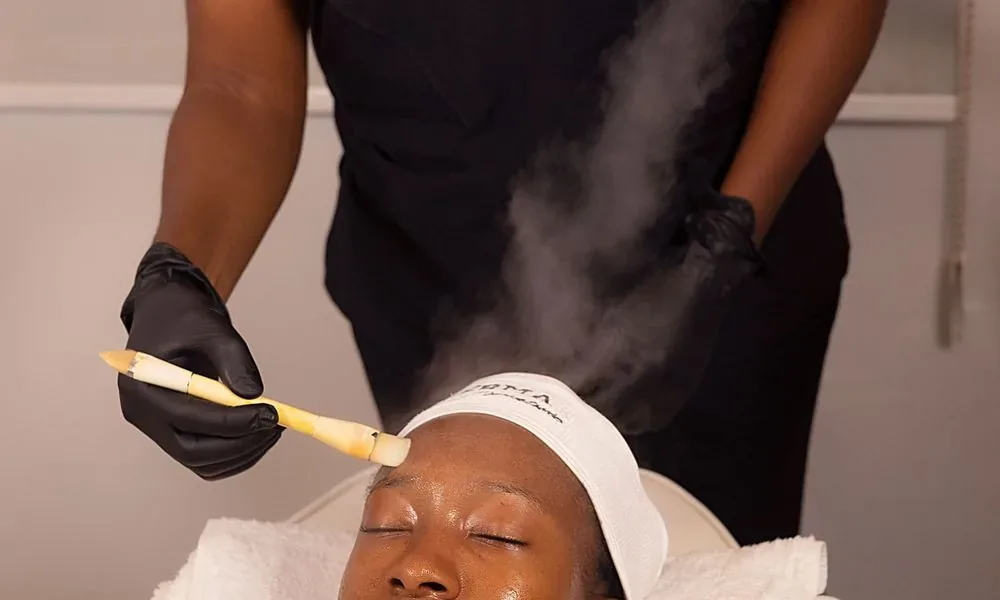
Start with clean skin. Wash your face with a gentle cleanser first, because steaming dirty skin can push makeup, sunscreen and surface oil deeper into the pores instead of lifting them away. Fill the reservoir with distilled water, not tap water, which leaves mineral deposits that clog the device and can irritate skin. Sit with your face eight to twelve inches from the nozzle, eyes closed. The steam should feel warm and comfortable, never hot or stinging.
Steam for five to ten minutes and no longer. Most dermatologists suggest five to seven minutes is enough, and ten minutes is the absolute limit even if the device allows longer. Keep it to once a week at most, or once every two weeks if your skin is sensitive. When the timer ends, pat your face dry gently, then apply your skincare straight away while the skin is still warm and damp, starting with a hydrating serum and finishing with moisturiser.
Your safe-steaming checklist
- Cleanse first with a gentle cleanser, so steam lifts away clean skin, not makeup and sunscreen.
- Fill the reservoir with distilled water only, and empty it after every session.
- Sit eight to twelve inches from the nozzle, eyes closed, the steam feeling warm, never hot.
- Set a timer for five to ten minutes, and stop at ten minutes even if the device allows more.
- Apply a hydrating serum and moisturiser straight after steaming, while skin is still warm and damp.
- Clean and descale the device regularly, and skip strong acids and retinol on steaming evenings.
Who should avoid a facial steamer
Steam is heat, and heat is a trigger for several skin conditions. Anyone with rosacea should be cautious or avoid steaming altogether, because the warmth dilates blood vessels and can provoke flushing, persistent redness and visible broken capillaries over time. The same applies to eczema, where heat can dry the skin further and set off a flare, and to active cystic acne, where warmth and moisture can increase inflammation rather than calm it.
Very sensitive skin deserves the same caution. If your skin stings when you apply ordinary products or turns red in hot showers, a steamer is likely to irritate it, and a warm towel pressed to the face for a minute is a far gentler way to get a similar softening effect. People taking medication that affects healing or blood clotting, and anyone with a skin infection, open wound, sunburn or recent professional treatment such as a peel or laser session, should wait until the skin has fully recovered and, if in doubt, ask a dermatologist first. If steaming ever hurts, stop: redness that lingers into the next day is a sign your skin does not like it.
Common mistakes to avoid
The most common mistake is steaming too often. Daily steaming sounds like a luxury routine, but for most skin it is a fast route to a damaged barrier: the heat strips natural oils, water evaporates from the skin afterwards, and the result is dryness, sensitivity and breakouts.
Adding essential oils or herbs to the water is another frequent error. Only use oils if the manufacturer explicitly says the model is built for them.
Finally, do not try to extract blackheads aggressively after steaming. The steam softens them, which makes gentle pressure more effective, but squeezing hard or using metal tools roughly can cause scarring and infection. And never steam and then apply a strong exfoliating acid or retinol in the same evening; read the skin barrier guide before adding any heat-based step to your routine.
Is a facial steamer worth buying?
Whether a steamer is worth the money depends on what you want from it. If you have rosacea, eczema or very sensitive skin, the honest answer is to spend the money on a good moisturiser instead, because a steamer is likely to sit unused after the first flare-up.
Frequently asked questions
How often should I use a facial steamer?
Once a week is enough for most skin types, and once every two weeks is safer if your skin is sensitive or dry. Daily steaming strips the skin barrier and can cause dryness, redness and breakouts,
How long should I steam my face?
Five to ten minutes is the safe range, with five to seven minutes being ideal for most people. Set a timer before you start and stop at ten minutes even if the device allows longer.
Can a facial steamer help with blackheads?
Yes, indirectly. Steam softens the sebum and dead skin inside the pores, which makes blackheads easier to remove with a gentle cleanser or light pressure afterwards.
Is steaming good for acne-prone skin?
It can help mild congestion by softening sebum and improving cleansing, but it is not a treatment for acne, and it can make active cystic acne worse because heat increases inflammation.
Should I use tap water or distilled water in a facial steamer?
Use distilled water. Tap water leaves mineral deposits that clog the device, shorten its life, and can irritate the skin when carried in the steam.
Can I use a facial steamer if I have rosacea?
Most dermatologists advise against it. Heat dilates blood vessels and is a well-known trigger for rosacea flushing, and repeated steaming can worsen redness and visible capillaries over time.
The bottom line
A facial steamer is a simple, pleasant tool that does one job well: it warms and softens the skin so that cleansing works better and the products you apply afterwards absorb more easily.
It is not a cure for acne, pigmentation or ageing, and it is not for everyone. Rosacea, eczema, active breakouts and very sensitive skin are all good reasons to skip it, and overuse will damage the very barrier you are trying to care for. The best version of steaming is the modest one: short, gentle, weekly, and followed by the simple products your skin already loves.
Note: This article is general skincare information, not medical advice. If you have a skin condition, take medication that affects healing or clotting, or notice persistent redness, pain or swelling, speak to a dermatologist before using a facial steamer.