A chemical peel is a skin treatment that uses a carefully chosen acid solution to remove the damaged outer layers of skin so fresher, smoother skin can take their place. Most peels are short, controlled treatments performed in a clinic, and the lightest versions are so gentle that people return to work the same afternoon.
Skin renews itself constantly, shedding old cells and replacing them from below, but sun damage, acne, ageing and hormones can slow that turnover and leave dullness, dark spots, rough texture and fine lines on the surface. A peel solution speeds up the shedding in a controlled way, loosening the bonds between dead surface cells and, in deeper peels, encouraging new collagen underneath.
By 2027 peels have moved out of the “extreme makeover” category and into everyday skincare. Light peels are now part of regular facial routines, medium peels are a common choice before big events, and deep peels remain a serious medical procedure. Knowing which depth suits your skin, what recovery looks like, and who should skip peels is what separates a good result from a regrettable one.
Key takeaways
- A chemical peel uses an acid solution to remove damaged surface skin.
- Peels come in three depths, superficial, medium and deep.
- Superficial peels suit dullness and breakouts; medium peels tackle sun damage; deep peels are for deep wrinkles.
- Aftercare matters as much as the peel: sunscreen, gentle cleansing, no picking.
- Peels are not for everyone. Pregnancy, eczema, sunburn, certain medications and keloid scarring are reasons to wait.
What a Chemical Peel Actually Is
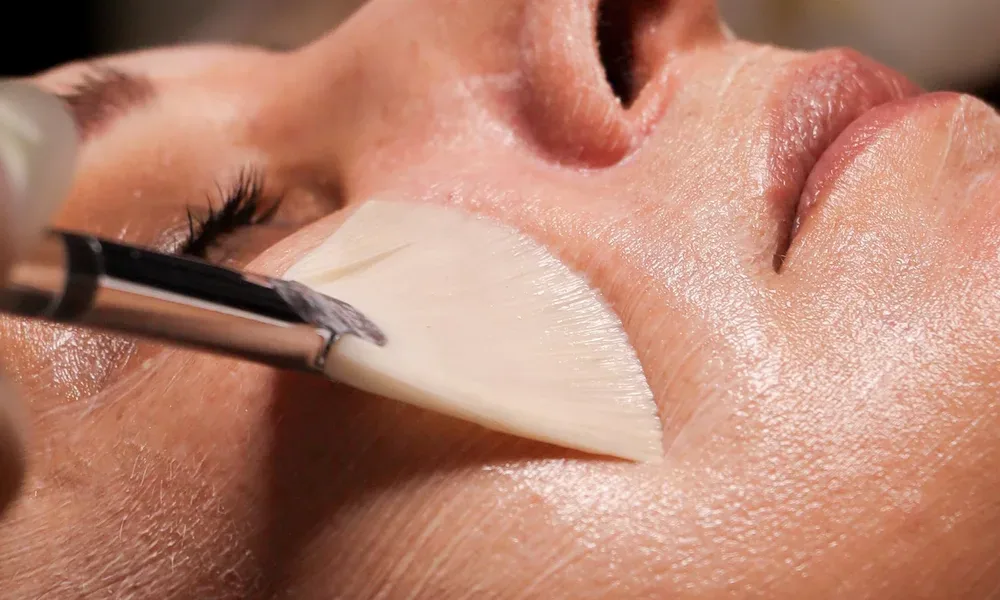
A chemical peel, also called chemexfoliation, is a procedure in which an acid solution is applied to the skin, most often the face, neck or hands. The solution injures the surface layers in a controlled way. Over the following days those layers loosen and shed, revealing smoother, brighter, more even-toned skin. Deeper peels reach into the middle layer, where they can stimulate collagen production.
The solutions are familiar names from skincare shelves, used at much higher strengths under professional supervision. Glycolic and lactic acids are alpha hydroxy acids used in light peels. Salicylic acid, a beta hydroxy acid, suits oily and acne-prone skin because it works inside pores. Trichloroacetic acid (TCA) is the workhorse of medium and some deep peels, while phenol is reserved for the deepest peels and used only in limited areas.
A professional peel is very different from the exfoliating products you use at home. A serum or toner with a low percentage of acid works gradually, night after night, and the skin tolerates it because the dose is small. A clinic peel delivers a far higher concentration in one session, applied for a precisely timed number of minutes, then neutralised. That is why results show in days rather than months. If you already use acids at home, our guide to the best glycolic acid products explains the strengths that suit daily use.
The Three Depths of Peel
Every peel is classified by how far it reaches into the skin. Depth decides what the peel can fix, how long recovery takes, and how much risk you take on. A good practitioner chooses the shallowest depth that will achieve your goal.
Superficial peels, sometimes called light or lunchtime peels, work on the outermost layer only. They use milder solutions such as low-strength glycolic, lactic or salicylic acid, often as a series spaced a few weeks apart. They suit mild pigmentation, dullness, rough texture and mild acne. There is usually little or no visible peeling, and most people return to normal activities straight away.
Medium peels reach through the outer layer and into the upper middle layer. They usually use higher concentrations of TCA, sometimes in a Jessner’s peel, for more noticeable sun damage, pigmentation, moderate fine lines and shallow scarring. Expect several days of visible peeling, redness and sensitivity. In deeper skin tones the risk of pigmentation deepening is higher, so a gentler series may be suggested instead.
Deep peels reach further into the middle layer for significant sun damage, deep wrinkles and precancerous scaly patches called actinic keratosis. They use phenol or strong TCA, involve the longest recovery, often one to two weeks of visible healing followed by months of redness fading, and carry the greatest risks, including scarring, infection and, with phenol, effects on the heart, liver and kidneys. They are used selectively, generally only once.
What a Chemical Peel Can Improve
Peels are a resurfacing treatment. Fine lines under the eyes and around the mouth, especially those caused by sun damage, soften as the surface renews and collagen remodels. Uneven tone improves as pigmented cells are shed: sun spots, age spots, freckles and melasma can all fade, though melasma needs a gentle approach because it can rebound if irritated. Salicylic acid peels help acne by working inside pores to loosen debris and calm inflammation. There are limits: peels do not fix sagging skin, deep folds or deep scars, which are better served by laser resurfacing, fillers or surgery.
How a Peel Appointment Works
A first appointment usually starts with a consultation rather than a peel. The practitioner looks at your skin, asks about your history, products, medications and sun exposure, and talks through what you hope to change. They also check for reasons to delay, such as a recent sunburn or an active cold sore.
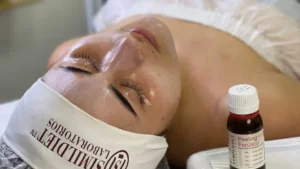
On the day, the skin is cleansed and degreased so the solution applies evenly. It is then brushed on and left for a controlled number of minutes. You may feel warmth, tingling or mild stinging that settles once the solution is neutralised. The session is usually short, often under half an hour. Afterwards the skin may look flushed or feel tight and dry. With medium peels the skin darkens slightly, then flakes and peels over several days. Let it shed naturally and never pull or pick at it. Our skin barrier guide explains how the barrier works and what weakens it.
Risks and Side Effects
Every peel carries some risk, and the risk rises with depth. Common, mild effects are redness, swelling, dryness, flaking and a burning feeling in the first days; these usually settle on their own. Less common problems include infection, scarring, and changes in skin colour. The most important is post-inflammatory hyperpigmentation, a darkening of the treated area that is more likely in deeper skin tones and in anyone who gets sun exposure while healing. Treated skin can also become lighter, particularly after deep peels, and that change can be permanent. Phenol can affect the heart, kidneys and liver, so deep peels are done in limited sections, with monitoring, and only in screened patients. Cold sores can reactivate after a peel.
One risk is entirely avoidable: the at-home deep peel. High-strength acids sold online, sometimes marketed as professional peels for home use, can cause burns, scarring and permanent pigmentation changes without training, neutralisation or aftercare. If a peel is strong enough to change your skin in days, it is strong enough to harm it in minutes, and it belongs in a clinic.
Who Should Avoid a Chemical Peel
Some people should wait before having a peel, and some should skip them altogether. Pregnancy and breastfeeding are standard reasons to postpone, because the safety of peel solutions in those situations has not been established and hormonal pigmentation can be unpredictable. Active eczema, psoriasis, rosacea flare-ups or any broken or infected skin should be settled first. A recent sunburn or a fresh tan is also a reason to reschedule.
Medication matters too. Isotretinoin, the oral acne drug, has traditionally meant waiting several months before a peel. Topical retinoids and strong exfoliants are usually paused before and after treatment. Anyone with a history of keloid scarring should discuss this with their practitioner, as should anyone who has had recent facial surgery or radiation treatment. If you cannot stay out of the sun during healing, a peel is not a good idea: sun on freshly peeled skin is the fastest route to lasting pigmentation. Superficial peels can generally be used on all skin types, but darker skin carries a greater risk of darkening afterwards.
| Peel depth | Typical solutions | What it treats | Downtime |
|---|---|---|---|
| Superficial | Glycolic, lactic, low-strength salicylic acid | Dullness, mild pigmentation, fine lines, mild acne | None to 2 days of light flaking |
| Medium | Higher-strength TCA, Jessner’s solution | Sun damage, pigmentation, moderate lines, shallow scars | 7 to 14 days of peeling and redness |
| Deep | Phenol, strong TCA | Deep wrinkles, severe sun damage, actinic keratosis | 2 weeks or more, redness fading over months |
| Superficial series | Repeated light acids | Gradual glow and tone improvement | Minimal, repeated every 2 to 4 weeks |
| Salicylic peel | Salicylic acid, often 20 to 30 percent | Oily skin, blocked pores, active breakouts | 1 to 3 days of dryness and flaking |
| TCA spot peel | TCA applied to a small area | Individual sun spots or small scars | A few days of crusting on the spot |
| Enzyme or lactic peel | Lactic acid or fruit enzymes | Sensitive or dry skin needing gentle renewal | Usually none |
| Jessner’s peel | Resorcinol, lactic and salicylic acids | Acne, oily skin, moderate pigmentation | 5 to 7 days of peeling |
Chemical Peel Aftercare
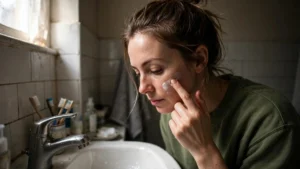
Aftercare is where good peel results are made or lost. Cleanse gently with lukewarm water and a plain, fragrance-free cleanser, pat the skin dry rather than rubbing, and moisturise often. Sunscreen is essential every day, even indoors and on cloudy days, because ultraviolet light on fresh skin is the most common cause of lasting pigmentation after a peel; a broad-spectrum SPF 30 or higher is the minimum. Do not pick or scrub at flaking skin, do not use retinoids, strong vitamin C, acids or scrubs until your practitioner says the skin has healed, and skip saunas, steam rooms and swimming pools for the first week. Our guide to the best salicylic acid products explains which acid strengths belong in daily care. Call the clinic if pain increases, redness spreads, or you see blistering or fever.
Chemical Peel Checklist
- Book a consultation first and be honest about your skin history and medications.
- Choose the shallowest peel depth that reaches your goal.
- Pause retinoids and strong exfoliants for several days before the peel.
- Plan around the downtime: no big event after a medium or deep peel.
- Afterwards, cleanse gently, moisturise often and wear sunscreen every day.
- Never pick at peeling skin, and call the clinic if pain, swelling or redness worsens.
Frequently Asked Questions
Does a chemical peel hurt?
Most people feel warmth, tingling or mild stinging while the solution is on the skin, settling once it is neutralised. Superficial peels are usually comfortable; medium and deep peels are more intense. Pain that grows afterwards is a reason to call the clinic.
How long does a chemical peel take to heal?
A superficial peel may need no recovery at all, with only light flaking for a day or two. A medium peel usually takes seven to fourteen days for the visible peeling to finish. A deep peel needs at least two weeks.
How many chemical peels do you need?
One medium peel can make a visible difference, but superficial peels usually need three to six sessions.
Can you wear makeup after a chemical peel?
After a superficial peel, makeup is usually fine the next day if the skin feels comfortable. After a medium or deep peel, wait until the skin has finished peeling and no longer feels raw.
Is a chemical peel safe for dark skin?
Superficial peels can generally be used on all skin types, but darker skin has a higher risk of post-inflammatory hyperpigmentation. A series of gentle peels and strict sun protection make peels much safer.
What should you not do after a chemical peel?
Do not pick at flaking skin, do not use retinoids, acids or scrubs until healing is complete, and do not skip sunscreen. Avoid direct sun, saunas and swimming for the first week.
The Bottom Line
A chemical peel is a controlled, professional way to remove damaged surface skin and reveal the fresher skin underneath. The lightest peels are gentle, low-downtime treatments for dullness, mild pigmentation and breakouts. Medium peels need a week or two of recovery, while deep peels are serious medical procedures for deep wrinkles and severe sun damage. The best results come from the shallowest peel that does the job.
Note: This article is for general information only and is not medical advice. The right depth and solution depend on your skin type and medical history. Always consult a qualified dermatologist or licensed practitioner before booking a peel.