

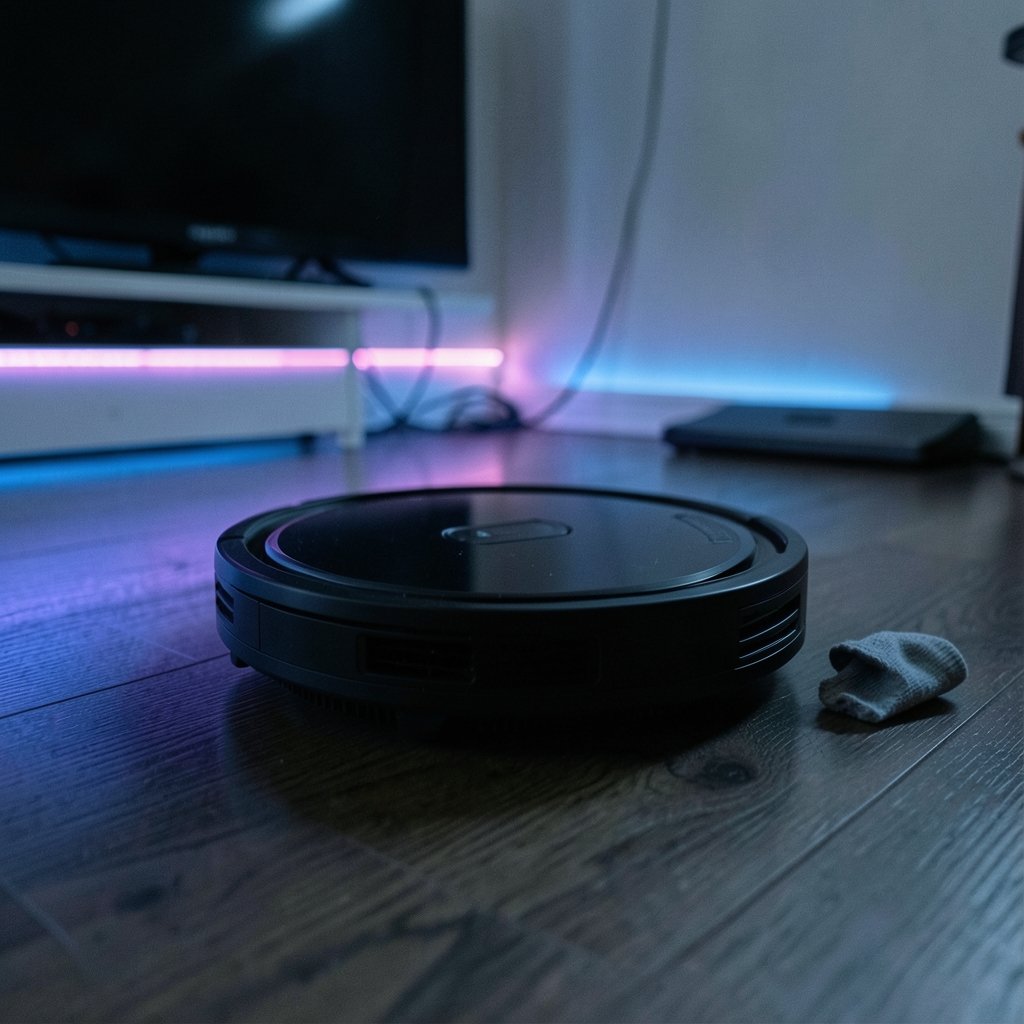
What if the most useful cleaning tool in your home is the one you never think about? That’s the promise of a robot vacuum: you set it, forget it, and come home to floors that look like someone else cared. The reality is messier. Some bots smear ketchup across the kitchen. Others choke on a stray sock. A few cost more than a used car and still need babysitting.
This roundup cuts through the noise. It focuses on named models that testing labs and reviewers have actually put through their paces, with honest notes on who each one suits, where it stumbles, and what it costs when a price is publicly listed. If you want a shortlist rather than a lecture on suction specs, start here.
Comparison at a Glance
| Model | Best for | Standout strength | Main limitation | Listed price |
|---|---|---|---|---|
| Ecovacs Deebot T30S Combo | Overall balance | Top overall pick in repeated lab testing | Heavy dock footprint | Not stated |
| Roborock Qrevo Curv | Hands-off autonomy | Exceptional vacuuming, reliable mapping | Premium price (deals common) | Not stated |
| Dreame Matrix 10 Ultra | Serious mopping | Multi-mop system, top object detection | Very expensive, bulky dock | £1,399 / $1,799.99 |
| Yeedi M12 Pro Plus | Vacuum and mop value | Strong hardwood performance, self-drying dock | Bagless variants get messy | Not stated |
| Roborock Saros 20 | Whole-room coverage | Best mapped coverage, lifts over thresholds | Struggles with socks and wet spills | Not stated |
| Shark Detect Pro | Quiet operation | Quiet cleaning, odor-neutralizer pod | Limited mopping depth | Not stated |
| Tapo RV30 Plus | Tight budgets | Affordable, handles 20mm level changes | Basic single-cloth mopping | Not stated |
Prices move constantly and vary by region. Treat any figure here as a starting point and confirm on the manufacturer’s page before buying.
Ecovacs Deebot T30S Combo: The All-Rounder That Keeps Winning
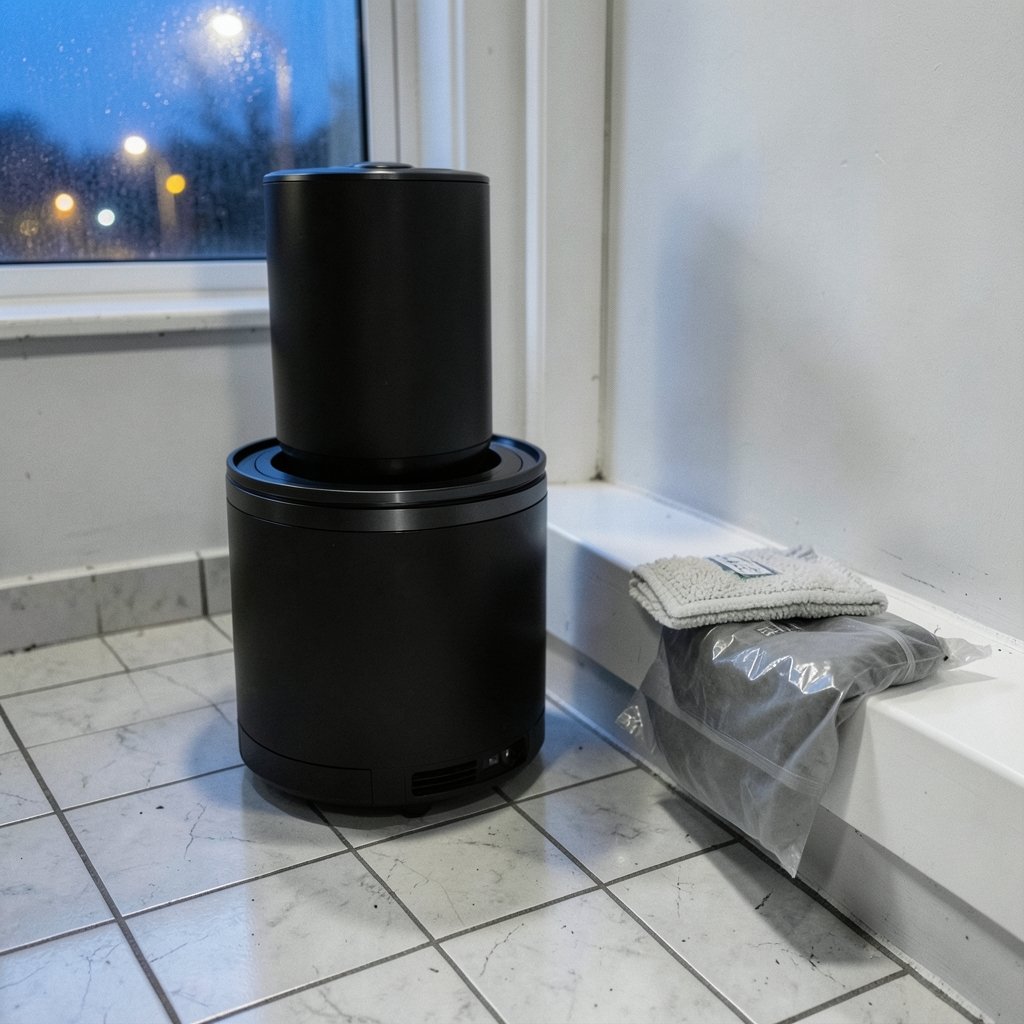
Lab testers have run nearly 100 robot vacuums through hands-on evaluation, scoring mopping, carpet pickup, obstacle avoidance, docking stations, sensors, battery life, and reliability. Through those rounds, the Ecovacs Deebot T30S Combo has held the top spot as the best overall robot vacuum, even as competitors close in.
Who it suits: households that want one machine to handle both vacuuming and mopping without paying flagship money. The combo setup means the dock does the dirty work, emptying and maintaining the bot between runs.
What it does well: it balances the two jobs most people actually care about, hard-floor mopping and everyday dust pickup, without a glaring weakness in either. Reviewers repeatedly praise its self-maintenance features and spacious dust handling, with one roundup noting a dustbin that holds up to 70 days’ worth of debris.
The real limitation: the base station is heavy and bulky. A 40-plus pound dock limits where you can put it, and it won’t disappear into a hallway corner. Measure your space before ordering.
If your floors are mostly hard surface with a rug or two, this is the safest first pick. For homes where fur is the main enemy, it’s worth cross-checking against a dedicated robot vacuum for pet hair that actually keeps fur off the floor.
Roborock Qrevo Curv: For People Who Want to Never Think About It
Roborock appears on nearly every serious roundup, and the Qrevo Curv is the model reviewers point to when someone asks for a truly autonomous cleaning solution.
Who it suits: busy households with mixed flooring and a willingness to pay for convenience. If you want the bot to map, navigate, vacuum, mop, and return to a dock that handles its own maintenance, this is the archetype.
What it does well: testers rate its vacuuming as exceptional and its mopping as very good, with reliable mapping and navigation. The dock is a do-everything unit with features geared toward precise, hands-off cleaning. Design scores are consistently high.
The real limitation: price. It’s a premium machine, though deals are common enough that patient buyers often do well. The dock is also large, so plan its home before it arrives.
One practical tip from experience: run a full mapping pass with cables and loose rugs cleared first. A bot that learns your floor plan on day one avoids the “why is it stuck behind the sofa again” loop that plagues new owners.
Dreame Matrix 10 Ultra: The Mopping Specialist With a Price Tag to Match
If mopping matters more than anything else, the Dreame Matrix 10 Ultra is the model testers single out. It’s not a sensible purchase for everyone, and it doesn’t pretend to be.
Who it suits: people who take floor cleanliness seriously and have the budget to match. At £1,399 / $1,799.99, it sits firmly in flagship territory.
What it does well: its multi-mop system earns the label “genius” from reviewers, and it mops and vacuums well. Object detection is described as unbeatable, which matters in homes with pet bowls, shoes, and charging cables scattered around.
The real limitation: the price is astronomical for most buyers, and the docking station takes up a lot of space. Mapping also needs a few tweaks out of the box, so expect to spend an evening refining no-go zones.
The broader lesson here is worth repeating: spending three times more does not automatically triple performance. One tester who tried a flagship Roborock model costing more than three times a recommended sub-$500 unit found the cheaper machine delivered more consistent results. Flagships buy features, not miracles.
Yeedi M12 Pro Plus: The Best Balance of Vacuum and Mop
Yeedi has quietly become a favorite in lab testing, and the M12 Pro Plus is the model reviewers recommend for both vacuuming and mopping on hardwood floors.
Who it suits: hardwood-heavy homes where mopping is a daily need and the budget stops short of flagship pricing.
What it does well: strong hardwood performance paired with a self-drying, auto-empty dock and self-detangling brush rollers. In testing, the sibling S14 Plus hit 82.4% on hardwood and roughly 58% to 59.7% on low- and mid-pile carpet, and the M12 Pro Plus is positioned as the better all-round performer for less money.
The real limitation: watch the variant you buy. Some Yeedi models use bagless canisters, which testers dislike because dust goes everywhere when you empty them. Check whether your chosen configuration includes a bagged dock.
If you’re weighing a mop-capable bot against a plain vacuum, it helps to compare how each handles your actual floor mix. This guide on how to choose the best robot vacuum mop for your home walks through the trade-offs without the marketing gloss.
Roborock Saros 20: Best Raw Coverage, With Caveats
The Saros 20 wins lab awards for cleaning coverage, mapping 88.65% of a test room, and it physically lifts itself over thresholds up to 3.46 inches high so it doesn’t get trapped between rooms.
Who it suits: open-plan homes with raised thresholds, multiple floor types, and rooms where missed corners are obvious.
What it does well: coverage and threshold climbing are useful features, and the suction is strong. It also offers self-cleaning and removable mopping pads.
The real limitation: real-world messes still trip it up. In one hands-on test, the Saros 20 couldn’t get around a stray sock blocking its path, and instead of removing a strip of ketchup from a kitchen floor, it spread the condiment around. That’s the honest state of robot mopping at any price: it maintains clean floors well and rescues disasters poorly.
Shark Detect Pro: The Quiet Option
Noise is the most underrated spec in robot vacuums. The Shark Detect Pro earns its place on this list by being relatively quiet while cleaning.
Who it suits: apartments, open-plan living spaces, and anyone who runs the bot while working from home or watching TV.
What it does well: quiet operation, a self-emptying base that stores debris in an internal vacuum bag, and a small but genuinely nice touch, an odor-neutralizer pod in the charger base. Air flows through the pod each time the vacuum empties itself, keeping the dock from smelling sour after repeated use.
The real limitation: it’s a vacuum-first machine. If scrubbing mopping is a priority, look elsewhere in this list.
Tapo RV30 Plus: The Budget Entry That Behaves
Budget robots usually cut the wrong corners. The Tapo RV30 Plus mostly avoids that.
Who it suits: first-time robot vacuum buyers, renters, and secondary spaces like home offices or basements.
What it does well: 4,200Pa suction, a 400ml dust bin, a 300ml water reservoir, and handling of 20mm level changes. It’s often discounted, which makes it an easy entry point.
The real limitation: mopping is a single wide cloth, so it’s a damp wipe rather than a scrub. Navigation is basic compared with lidar-heavy flagships.
For small homes, a budget bot that runs daily often beats a flagship that runs weekly. Consistency wins. The same logic applies when you pick a robot vacuum for your home based on square footage rather than spec sheets.
How to Choose Without Getting Lost in Specs
Ignore the suction-number arms race for a moment. These factors decide whether you’ll love the machine in month three.
- Map your floor mix. Mostly carpet? Prioritize pickup and brush-roller design. Mostly hard floor? Mopping quality and dock maintenance matter more.
- Measure the dock space. Flagship docks are large and heavy. A 40-plus pound base station needs a permanent home with clearance.
- Decide how much maintenance you’ll tolerate. Self-emptying and self-washing docks cost more but remove weekly chores. Bagless canisters save money but create dust clouds.
- Check threshold heights. If your rooms are separated by raised strips, coverage suffers unless the bot can climb them.
- Clear the floor before the first run. Cables, socks, and pet toys are the top cause of failed cleans, even on premium models.
- Buy for your habits, not the leaderboard. A mid-priced bot that runs daily outperforms a flagship that sits idle.
Common mistakes worth avoiding: buying a mop combo when you never mop, assuming object detection is perfect, and skipping the mapping run. Every reviewer who tests these machines hits the same wall, robots handle maintenance cleaning well and one-off disasters badly. If you want a deeper framework, this breakdown of how to choose the best vacuum for your home without the hype applies the same logic to corded and cordless machines.
And if your cleaning needs extend beyond floors, a strong cordless vacuum matched to your home habits or a tested car vacuum for the trunk fills the gaps a robot can’t reach. Stairs, upholstery, and car interiors remain human territory.
Conclusion
The best robot vacuum cleaner isn’t the most expensive one. It’s the one whose strengths match your floors, whose dock fits your space, and whose maintenance routine you’ll actually keep up with. The Ecovacs Deebot T30S Combo remains the safest all-round pick in lab testing. The Roborock Qrevo Curv suits hands-off households with budget to spare. The Dreame Matrix 10 Ultra rewards mopping obsessives. Yeedi’s M12 Pro Plus delivers the best vacuum-and-mop balance on hardwood, while the Saros 20 wins on coverage and the Shark Detect Pro wins on quiet. Budget buyers should look hard at the Tapo RV30 Plus.
Pick one, clear the floor, run the mapping pass, and let it work. The floors take care of themselves from there.
Frequently Asked Questions
Are robot vacuums worth it in 2026?
For routine maintenance cleaning, yes. Testers who run dozens of models find they handle daily dust, pet hair, and light mopping well. They still struggle with cords, socks, and wet spills, so they complement rather than replace a full-size vacuum.
How much should I spend on a robot vacuum?
There’s no fixed answer, but the value curve flattens fast. One tester found a recommended Roborock model under $500, often discounted to about half that, delivered better results than a flagship costing more than three times as much. Mid-range models with self-emptying docks are the sweet spot for most homes.
Do robot mops actually clean floors?
They maintain already-clean floors well. Independent testing shows strong hardwood results from models like the Yeedi S14 Plus at 82.4%, but a flagship Roborock spread ketchup around instead of removing it. Expect maintenance, not rescue.
What is the biggest mistake robot vacuum buyers make?
Skipping the first mapping run and leaving cables and socks on the floor. Even premium bots with advanced object detection get blocked or tangled. A ten-minute tidy before the first run prevents weeks of frustration.
Can robot vacuums handle pet hair?
Many can, especially models with self-detangling brush rollers. Testing noted one machine never wrapped hair around its brush even while cleaning a dog’s room exclusively. Homes with heavy shedding should prioritize tangle-resistant rollers and a large dust capacity.
How often should a robot vacuum run?
Daily runs give the best results, particularly on hard floors where dust accumulates quickly. Budget models that run every day often outperform flagships that run once a week, because consistency matters more than peak suction.











