



Can a shoe really fix a flat foot? Walk into any running store and you’ll hear confident answers. A clerk will point you toward a stiff, heavy “motion-control” model and promise it will stop the aches. But the science behind that advice is far shakier than the sales pitch suggests. If your arches sit low to the ground, finding the best running shoes for flat feet means sorting real biomechanics from marketing folklore.
Here’s the honest picture, plus practical guidance you can use on your next shopping trip.
First, What Does “Flat Feet” Actually Mean?
Flat feet (clinically called pes planus) means the arch of the foot is low or absent when you stand. It’s extremely common, and plenty of people with flat feet run for decades without a single problem.
Clinicians split flat feet into two broad types:
| Type | What Happens | What It Means for Runners |
|---|---|---|
| Flexible flatfoot | The arch disappears when standing but reappears when you’re off your feet or up on tiptoe | Usually harmless; most flat-footed runners fall here |
| Rigid flatfoot | The arch never forms, even non-weight-bearing | Worth a medical assessment before training hard |
The flexible type is the one most runners have. The foot flattens under load, then rebounds. That’s a normal mechanical pattern, not a defect. Rigid flatfoot, or flatfoot accompanied by pain, is a different story and deserves a clinician’s eyes.
The Uncomfortable Truth About “Support” Shoes
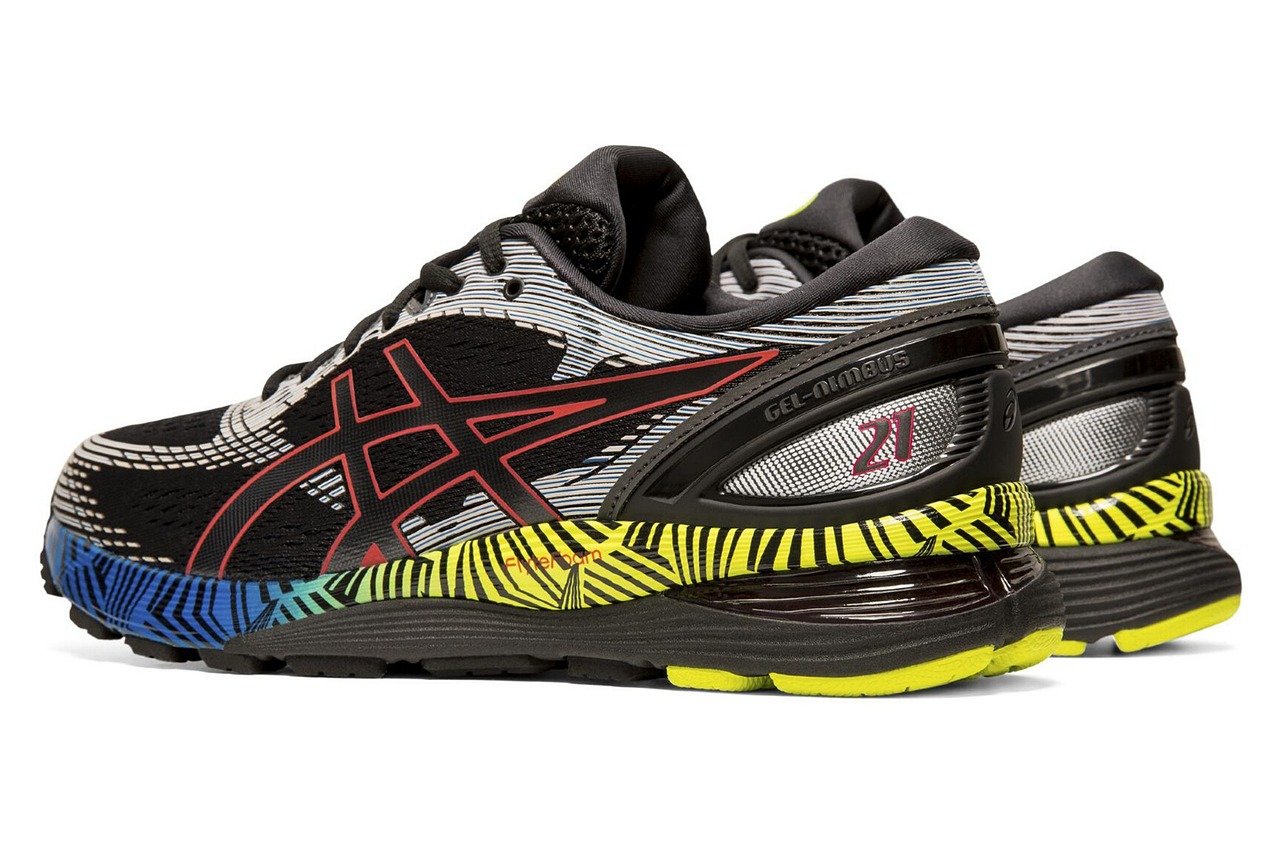
Shoe companies have sold stability and motion-control shoes to flat-footed runners for decades. The logic sounds tidy: flat feet roll inward too much, so a firmer medial post or guide rail should “correct” that roll and prevent injury.
The evidence doesn’t back the tidy version. A widely cited 2010 review of distance running shoe prescription concluded there was insufficient evidence to recommend shoes based on foot type at all. A few years later, a large trial with military recruits found that issuing motion-control shoes based on foot posture did not reduce injuries. In other words, matching a shoe to your arch didn’t deliver the promised protection.
There’s a deeper issue too: pronation is normal. Every runner’s foot rolls inward to some degree as it absorbs landing forces. Overpronation gets treated like a fault to be corrected, but it’s simply part of how gait works. “Correcting” it isn’t automatically beneficial, and a shoe that fights your natural motion can feel stiff and awkward.
Current sports-medicine thinking has shifted toward a simpler rule: choose shoes by comfort and fit, not by arch type. If a shoe feels good on a test run, that’s meaningful data. If it feels like a brick with a hard lump under your arch, no amount of marketing should override your own feet.
So What Should Flat-Footed Runners Actually Look For?
Comfort-first doesn’t mean anything goes. A few features tend to matter more for low arches, and it’s worth knowing why.
Cushioning and Underfoot Feel
More cushioning spreads impact over a wider area and can take pressure off a low arch. Maximal-cushion shoes have become a popular option for flat-footed runners precisely because they soften the ride without forcing the foot into a rigid position. If you’re logging long distances or running on hard pavement, a plush midsole is often the difference between finishing fresh and finishing sore.
Rocker Geometry
A rocker midsole curves up at the toe and heel, encouraging the foot to roll forward through the stride. For flat-footed runners who feel like their foot “collapses” and drags at toe-off, a rocker can smooth that transition. It’s not magic, but many runners describe it as taking work off tired arches.
A Supportive but Not Aggressive Upper
The upper matters more than people think. A flat foot tends to spread wider under load, so a roomy toe box with a secure midfoot wrap keeps the foot from sliding. Look for a heel counter that holds without pinching. If your foot spills over the midsole edge, the shoe is too narrow, full stop.
What About Stability Posts?
Some flat-footed runners genuinely like a mild stability element, especially if they’ve had good experiences with one before. That’s fine. The mistake is assuming everyone with a low arch needs a firm medial post. Try both categories if you can, and let your legs vote.
Try Before You Commit: Practical Tips That Save Money
Store test runs are short, and short runs lie. Here’s what actually works in practice.
- Run, don’t just stand. Jog a loop on the store’s treadmill or outside if they allow it. Walk around for a minute, then run for three. Feel the arch, the heel, the toe box.
- Shop late in the day. Feet swell during the day, and a shoe that fits at 9 a.m. may pinch by evening.
- Bring your own socks and, ideally, your worn-out pair. The wear pattern on an old shoe tells a fitter a lot about how you load the foot.
- Buy from a store with a real return policy. Many specialty shops let you run in shoes outdoors for a trial period and exchange them. Use that window.
- Change one variable at a time. Don’t switch shoes, insoles, and mileage in the same week. If something hurts, you won’t know what caused it.
- Rotate two pairs. Alternating shoes lets midsoles recover between runs and gives you a fallback if one pair starts irritating your arch.
A common mistake: buying the shoe a review called “the best” without testing it. Another: sizing up to relieve arch pressure when the real issue is a narrow fit or a stiff midsole. If you want a broader framework for judging whether a shoe suits your terrain and training, this guide on how to judge shoes and surfaces before you go walks through the questions worth asking before checkout. Runners who split time between road and trail should also read up on when trail runners beat hiking boots on the trail, since lug depth and rock plates change how a flat foot loads.
Do You Need Insoles or Orthotics?
Custom foot orthoses may reduce pain for some people, though the evidence for preventing running injuries is limited. Over-the-counter arch supports are cheaper and worth a try if a shoe’s stock insole feels flat and hard.
The practical sequence that works for most runners:
- Find a shoe that fits and feels comfortable with its stock insole.
- If arch discomfort persists after a couple of weeks, add an over-the-counter insole.
- If pain continues or worsens, see a clinician or podiatrist rather than buying more inserts.
One caution: stacking a thick orthotic inside an already snug shoe can crowd the toes and create new problems. Fit the shoe around the insole you plan to use.
When Flat Feet Need a Doctor, Not a Shoe
Shoes are not medical devices, and some situations call for assessment rather than a shopping trip. Watch for:
- Persistent pain in the arch, heel, or inner ankle that doesn’t settle with rest
- Rigid flatfoot, where the arch never forms
- Sudden arch collapse, especially after an injury
- Pain that keeps returning despite sensible shoe changes and gradual training
These signs point to something a shoe can’t solve on its own. A clinician can assess alignment, tendon health, and whether orthotic support is appropriate.
Cross-Training and Daily Footwear Matter Too
Your running shoes only cover part of your week. Flat-footed runners often notice arch ache from standing all day in unsupportive casual shoes, then blame their running shoes for the problem. If you spend hours on your feet at work, consider supportive everyday shoes as part of the same investment.
The same principle applies to other footwear choices. Dress shoes with steep heels can load the arch and forefoot differently than training flats, and the trade-offs are worth understanding before a long event. This piece on high heels, foot pain, and what you can do about it explains the mechanics clearly. And if you’re weighing walking versus riding on the course, this breakdown of golf shoes walkers should know before buying a pair covers comfort features that translate well to anyone who spends four hours on their feet.
Strength work helps too. Calf raises, single-leg balances, and toe spreads build the muscles that support the arch. A few minutes a few times a week is a low-cost complement to any shoe purchase.
How the Main Shoe Categories Compare
| Category | Best For | Watch Out For |
|---|---|---|
| Neutral cushioned | Most flat-footed runners; daily miles | May feel unstable if cushioning is very soft |
| Stability | Runners who prefer a firmer medial feel | Can feel intrusive; evidence for injury prevention is weak |
| Maximal cushion | Long runs, hard surfaces, sensitive arches | Heavier; less ground feel |
| Rocker | Runners who feel stuck at toe-off | Takes adjustment; not ideal for quick, agile work |
| Barefoot-style minimal | Strong-footed runners building load slowly | Demanding on calves and arches; transition gradually |
There’s no universal winner in that table. The right row depends on your body, your mileage, and what feels good on a test run.
Conclusion
The best running shoes for flat feet aren’t defined by a label on the box. They’re the pair that fits your foot’s width, cushions without smothering, and lets you run comfortably mile after mile. The evidence simply doesn’t support prescribing shoes by arch type, and the comfort-first approach has largely taken over among sports-medicine clinicians. Start with a proper fit, test before you commit, add insoles only if needed, and see a clinician when pain persists or the flatfoot is rigid. Your feet will tell you more than any sales pitch ever could.
Frequently Asked Questions
Do I need motion-control shoes if I have flat feet?
Not necessarily. Research has not shown that assigning motion-control shoes based on foot posture prevents injuries. Many flat-footed runners do best in neutral, cushioned shoes chosen for comfort. If you’ve had good results with stability shoes, there’s no reason to abandon them, but a low arch alone isn’t a prescription.
Can you run with flat feet?
Yes. Flat feet are common and often painless, and many runners with low arches train and race without issues. The key is building mileage gradually, wearing shoes that fit well, and addressing pain early rather than pushing through it.
Are custom orthotics better than over-the-counter insoles for running?
Not automatically. Custom orthoses may reduce pain for some people, but the evidence for preventing running injuries is limited. Over-the-counter insoles are cheaper and a reasonable first step. If discomfort continues, a podiatrist can advise whether custom support is worth it for your situation.
How do I know if a running shoe fits properly?
You should have roughly a thumb’s width of space at the toe, no sliding at the midfoot, and no pressure points under the arch. Your foot shouldn’t spill over the midsole edge. Run in the shoe before buying if possible, and shop late in the day when feet are at their largest.
Does overpronation cause injuries?
Pronation is a normal part of gait, and rolling inward isn’t inherently harmful. Some runners develop issues, but “overpronation” alone isn’t a reliable predictor of injury. Training load, recovery, and footwear comfort generally matter more than trying to eliminate natural foot motion.
When should someone with flat feet see a doctor?
See a clinician if you have persistent arch, heel, or ankle pain; a rigid flatfoot where the arch never forms; or a sudden collapse of the arch, especially after injury. These situations need assessment beyond what a new pair of shoes can offer.














