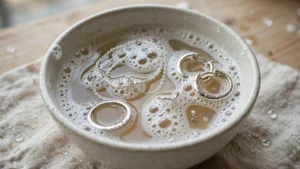
Hard water is one of the most common reasons hair looks dull and feels heavy, and most people never realise it is the water, not the shampoo, causing the problem. If your hair feels coated after washing, if your colour fades faster than it should, or if your blonde turns brassy within weeks, mineral build-up is a likely cause.
The right shampoo for hard water does two things an everyday shampoo does not: it uses chelating agents or clarifying ingredients to lift mineral deposits, and it does so without stripping the hair so aggressively that it becomes dry, tangled, or brittle. A shampoo that removes build-up but leaves hair feeling like straw is not a solution, and a gentle shampoo that never touches the minerals is not one either.
Below are nine shampoos worth considering in 2027, from a dedicated chelating formula to clarifying shampoos that work as a weekly reset, each described by what it is good at, what to watch for, and who it suits best.
Key takeaways
- Hard water leaves calcium and magnesium deposits on hair, making it dull, heavy, frizzy, and harder to style, and it can make colour fade and blonde turn brassy.
- Chelating shampoos use ingredients such as EDTA or citric acid to bind and lift minerals, while clarifying shampoos use stronger cleansers to remove general build-up.
- A hard-water shampoo is best used once or twice a week, not every day, because frequent clarifying can dry out hair and irritate the scalp.
- Always follow a clarifying wash with conditioner or a hydrating mask, and protect coloured hair with a colour-safe formula and cooler water.
- No shampoo changes your water supply, and no product removes years of build-up in a single wash, so a shower filter and a regular routine are the honest long-term fix.
What hard water actually does to hair
Hard water is tap water with a high concentration of dissolved minerals, mainly calcium and magnesium. You cannot see them, but you can feel them: they leave white scale on taps and shower heads, soap scum in the bath, and a similar residue on hair. With every wash, a thin layer of minerals settles on the hair shaft, and over weeks and months, that layer builds up.
The most common sign is dullness. Mineral deposits scatter light instead of reflecting it, so hair loses shine and looks flat, no matter how much conditioner you use. Hair can also feel coated, sticky, or waxy after washing, as if the shampoo never fully rinsed out. For wavy and curly hair, build-up weighs the pattern down, so curls lose spring and definition. For coloured hair, the effects are worse, because minerals can grab onto dye molecules and speed up fading, and they can push blonde hair toward a brassy, yellow tone.
Hard water also makes shampoo and conditioner work less well. Minerals react with the cleansing agents in shampoo, reducing lather and leaving more product residue behind, which can irritate a sensitive scalp and make itchy, flaky skin worse. It is not the same as dandruff, and treating it as dandruff rarely helps.
How we chose these shampoos and what to look for
Look first at the ingredient list. A true chelating shampoo contains an ingredient that binds to minerals, such as disodium EDTA, tetrasodium EDTA, or citric acid. A clarifying shampoo may not list a chelating agent, but it uses stronger surfactants, such as olefin sulfonate, to lift general build-up. If your main problem is mineral deposits rather than styling-product build-up, a chelating formula is the more targeted choice.
Look next at how often you can use it. A shampoo made for weekly use is usually stronger, and using it daily will dry out most hair types. A gentler chelating formula can be used two or three times a week, which suits people with very hard water or swimmers. Check whether the formula is colour-safe, because some clarifying shampoos strip colour. A slightly acidic formula helps close the hair cuticle after cleansing, which restores shine.
Finally, a hard-water shampoo is only half a routine. A good conditioner, or a hydrating mask once a week, replaces the moisture that clarifying removes. Our guide to how to wash your hair properly covers the technique that makes the biggest difference, because even the best shampoo cannot help if it is rinsed out after ten seconds or piled on top of a scalp that was never massaged properly.
The 9 best shampoos for hard water of 2027
Malibu C Hard Water Wellness Shampoo
What we like: A dedicated chelating shampoo made specifically for mineral build-up, with a gentle, sulfate-free formula that is safe for colour-treated hair and leaves hair noticeably lighter and shinier.
What to consider: It is a treatment shampoo, so it works best once or twice a week rather than daily, and it is more expensive per millilitre than a standard clarifying shampoo. Key ingredients: Disodium EDTA, citric acid, panthenol. Hair type: All, especially colour-treated and blonde. Size: 266 ml. Cruelty-free: Yes.
The most targeted option here, and the one to try first for mineral deposits; colourists often recommend it before a colour appointment.
Ion Hard Water Shampoo
What we like: An affordable chelating shampoo that removes calcium, magnesium, and iron deposits, helps prevent brassiness in blonde and grey hair, and is widely available at a low price.
What to consider: It can feel drying if used more than twice a week, and the scent is stronger than a salon formula. Key ingredients: Disodium EDTA, citric acid, panthenol. Hair type: Normal, oily, blonde, grey. Size: 355 ml. Cruelty-free: No.
Hard to beat for the price: it does the core job at a fraction of a salon shampoo’s cost.
Kenra Clarifying Shampoo
What we like: A salon clarifying shampoo that removes product build-up, minerals, and chlorine, with a clean, fresh scent and a formula that is safe for colour-treated hair when used occasionally.
What to consider: Strong cleansing, so it should be used once a week at most, and very dry or damaged hair will need a deep conditioner afterwards. Key ingredients: Sodium C14-16 olefin sulfonate, citric acid, witch hazel. Hair type: Normal, oily, thick. Size: 300 ml. Cruelty-free: No.
A proper reset shampoo for heavy build-up, styling-product users, and swimmers; one weekly wash is enough.
Bumble and bumble Sunday Shampoo
What we like: A classic weekly clarifying shampoo that removes product residue, hard-water minerals, and chlorine, leaving hair light, clean, and ready to absorb conditioner or a treatment.
What to consider: Premium price, and it can strip natural oils if used more than once a week. Key ingredients: Ginseng extract, rosemary leaf extract, sage extract. Hair type: All, especially oily and product-heavy hair. Size: 250 ml. Cruelty-free: No.
A salon staple for years; think of it as a Sunday reset, best followed by a hydrating mask.
Ouai Detox Shampoo
What we like: A clarifying shampoo with apple cider vinegar that removes hard-water build-up, product residue, and excess oil, with a pleasant scent and a formula that does not leave hair feeling stripped.
What to consider: It is a clarifying formula, so it is still best used once or twice a week, and the price is higher than a drugstore option. Key ingredients: Apple cider vinegar, keratin, citric acid. Hair type: Normal, oily, fine. Size: 300 ml. Cruelty-free: No.
A good middle ground: stronger than a daily shampoo, gentler than a harsh clarifier, and kind to fine hair.
Paul Mitchell Shampoo Three
What we like: A clarifying shampoo made for swimmers and people with hard water, removing chlorine, minerals, and product build-up, with a fresh scent and a formula that is widely available in salons.
What to consider: It is strong, so it should be used once or twice a week, and very dry hair will need a deep conditioner afterwards. Key ingredients: Disodium EDTA, wheat-derived conditioners, panthenol. Hair type: All, especially swimmers and colour-treated hair. Size: 300 ml. Cruelty-free: Yes.
The one to reach for if you swim regularly: it removes chlorine and minerals together.
Moroccanoil Clarifying Shampoo
What we like: A clarifying shampoo with argan oil and keratin that removes build-up and minerals while leaving hair softer than most clarifiers, with a signature scent and a colour-safe formula.
What to consider: Premium price, and it is still a clarifying shampoo, so weekly use is the sensible limit. Key ingredients: Argan oil, keratin, lavender and chamomile extracts. Hair type: Normal, dry, colour-treated. Size: 250 ml. Cruelty-free: No.
Unusual among clarifiers because the argan oil and keratin soften the result, suiting dry or colour-treated hair.
Neutrogena Anti-Residue Shampoo
What we like: A simple, affordable clarifying shampoo that removes up to 90 percent of dulling residue from hair products and hard water, with a clean, non-irritating formula.
What to consider: It is very basic, with no conditioning ingredients, so a good conditioner is essential afterwards, and it is not designed as a daily shampoo. Key ingredients: Sodium C14-16 olefin sulfonate, citric acid. Hair type: Normal, oily. Size: 177 ml. Cruelty-free: No.
The budget option: it will not condition your hair, but it removes the residue that makes hair look dull.
R+Co Oblivion Clarifying Shampoo
What we like: A gentle, sulfate-free clarifying shampoo that removes hard-water minerals, product build-up, and excess oil without stripping colour, with a fresh, herbal scent and a vegan formula.
What to consider: It is gentler than a strong clarifier, so very heavy build-up may need two washes, and the price is at the premium end. Key ingredients: Sunflower seed extract, peach leaf extract, panthenol. Hair type: All, including colour-treated and sensitive scalps. Size: 241 ml. Cruelty-free: Yes.
The gentlest clarifier here, and the best choice for sensitive scalps or colour-treated hair.
Which shampoo for hard water is right for your hair type
Fine hair needs the lightest touch: a gentle chelating shampoo once a week is enough, since fine hair shows build-up quickly but also dries out quickly. Thick or coarse hair can handle a stronger clarifier, and often needs one, because build-up hides inside the density of the hair.
Colour-treated hair needs a colour-safe formula and a gentler hand. Chelating shampoos such as Malibu C are designed for this, because they remove minerals without stripping dye. Avoid strong clarifiers on freshly coloured hair, and wait at least a week after colouring. Blonde and grey hair benefit most from a chelating formula, because mineral deposits push blonde toward brass and grey toward yellow. A hydrating hair mask used once a week after your clarifying wash will replace the moisture that clarifying removes, which matters most for dry, curly, and colour-treated hair.
Curly and coily hair needs the most care: a gentle chelating shampoo once every one to two weeks, followed by a deep conditioner, beats a strong weekly clarifier. Oily hair and scalps can clarify up to twice a week, because the scalp produces oil faster than clarifying removes it.
The caveats that matter
A hard-water shampoo is a treatment, not a daily shampoo. Used too often, a clarifying formula strips the natural oils that protect hair, leaving it dry, frizzy, and prone to breakage. That is why every shampoo on this list is best used once or twice a week, with a gentle shampoo on the other days. If your hair feels squeaky after washing, the cuticle has been stripped, and it needs conditioner.
A shampoo also cannot fix your water. It removes the minerals already on your hair, but the next wash brings them back. For a long-term fix, a shower filter is worth considering, especially if your water is very hard. It will not remove every mineral, but it reduces the load, so your shampoo has less to do and your hair stays cleaner for longer. And if your scalp is itchy, flaky, or sore, that may be a skin condition rather than mineral build-up, so see a dermatologist if it does not improve after a few weeks.
| Detail | What is known |
|---|---|
| What hard water does | Calcium and magnesium deposits coat hair, causing dullness, heaviness, frizz, and faster fading |
| Best ingredient to look for | A chelating agent such as disodium EDTA or citric acid, which binds and lifts minerals |
| How often to use it | Once or twice a week for most hair; a gentler formula can be used up to three times a week |
| Who should use one | Anyone with dull, heavy, or brassy hair in a hard-water area, and swimmers |
| What to avoid | Daily use of a strong clarifier, which dries out hair and irritates the scalp |
| After the wash | Always follow with conditioner or a hydrating mask to replace lost moisture |
| Long-term fix | A shower filter reduces mineral load, but does not remove every mineral |
| What it does not do | It does not change your water supply, repair damaged hair, or remove years of build-up in one wash |
If you are pregnant, breastfeeding, or using prescription scalp treatments, check with your clinician before changing your hair routine, especially if you use medicated shampoos. That is not a formality. Prescription treatments change what your scalp can tolerate, and a simple check avoids weeks of irritation. A good hair oil applied to the ends after washing can also help, because it seals in moisture and protects the hair while it recovers from clarifying.
Checklist: choosing a shampoo for hard water honestly
Use these checks before you buy, and again after two weeks of use.
- Check the ingredient list: look for a chelating agent such as disodium EDTA or citric acid, not just a strong cleanser.
- Check how often you can use it: once or twice a week is right for most people.
- Check colour safety: if your hair is coloured, choose a formula labelled colour-safe and wait a week after colouring before clarifying.
- Patch-test first: use it once and check how your scalp and hair feel the next day.
- Pair it with conditioner: always follow a clarifying wash with conditioner or a hydrating mask, especially on dry or curly hair.
- Consider a shower filter: if build-up returns within days, your water is very hard and a filter will help more than any shampoo.
Frequently asked questions
How do I know if I have hard water?
White scale on taps and shower heads, soap that does not lather well, and hair that feels coated or dull after washing are the common signs. Your water supplier can confirm the hardness level in your area, and a simple test strip will give you a number.
Can I use a hard-water shampoo every day?
Most people should not. A chelating or clarifying shampoo is a treatment, best used once or twice a week. Daily use can dry out hair and irritate the scalp, so use a gentle shampoo on the other days.
Will a hard-water shampoo strip my hair colour?
A strong clarifying shampoo can speed up colour fading, especially on freshly coloured hair. Choose a colour-safe chelating formula, wait at least a week after colouring, and use cooler water when you rinse.
Does hard water cause hair loss?
There is no strong evidence that hard water directly causes hair loss. It can make hair weaker and more prone to breakage, and it can irritate the scalp, but it is not a proven cause of hair loss on its own.
Can apple cider vinegar replace a hard-water shampoo?
An apple cider vinegar rinse can help remove some mineral residue and add shine, but it is not as effective as a chelating shampoo. It is a useful extra step between clarifying washes, not a replacement.
Do shower filters really help with hard water?
They help, but they do not solve the problem completely. A good shower filter reduces mineral and chlorine levels, so there is less build-up on hair, but it will not soften water as fully as a whole-house softener.
The bottom line
The best shampoo for hard water in 2027 is not the strongest clarifier on the shelf. It is the one that removes mineral build-up without leaving your hair dry, and that you will actually use once or twice a week. For most people, a dedicated chelating shampoo such as Malibu C is the smartest first choice; for heavy build-up, a weekly clarifier such as Kenra or Bumble and bumble Sunday is a better reset.
Choose one shampoo, use it consistently for a month, always follow it with conditioner, and judge it on how your hair looks and feels between washes. And if build-up returns within days, consider a shower filter, because no shampoo can outwork very hard water on its own.