Platinum jewellery has a quiet confidence that gold never quite manages. It is heavier in the hand, cooler in colour, and it does not shout. That is exactly why people who buy it tend to keep it for decades. The problem is not finding platinum jewellery. It is knowing what you are actually paying for, because platinum pieces vary widely in purity, weight, and workmanship, and the price tag does not always explain the difference.
Platinum is a naturally white metal, dense and rare, and it is usually sold at 95 percent purity, stamped Pt950. Unlike white gold, it needs no rhodium coating to stay white, and unlike silver, it does not tarnish. It does develop a soft patina over time, a gentle dulling of the surface that many owners love and others prefer to polish away. Both are normal, and neither means the metal is damaged.
Below are nine platinum jewellery pieces worth considering in 2027, from a classic solitaire ring to a simple chain necklace. Each one is described by what it is good at, what to watch for, and who it suits best, so you can choose with your budget and your daily life in mind, not just the sparkle in the display case.
Key takeaways
- Platinum is usually sold at 95 percent purity (Pt950), which is higher than most gold alloys, and its natural white colour needs no coating.
- Platinum is denser and heavier than gold, so a platinum piece of the same design will feel noticeably weightier on the hand or neck.
- Platinum does not tarnish, but it does develop a patina over time; a jeweller can restore the original shine with a polish.
- Platinum is a good choice for sensitive skin, since high-purity platinum is hypoallergenic for most people.
- Platinum costs more than gold per gram and is harder to resize or repair, so buy from a jeweller who works with platinum regularly.
What platinum jewellery actually is
Platinum is a naturally occurring white metal, rarer than gold, and it has been used in fine jewellery for over a century. A piece described as platinum jewellery is usually made from an alloy that is 95 percent pure platinum, with the remaining 5 percent made up of other platinum-group metals that add strength. That purity is stamped on the inside of a ring or on the clasp of a necklace as Pt950, and it is worth checking before you buy.
The metal’s most useful quality is its density. Platinum is about 60 percent denser than 14k gold, which gives it a satisfying weight and makes it very hard-wearing. Prongs made from platinum hold stones securely, because the metal is less likely to wear thin over years of daily use. That is one reason platinum is so popular for engagement rings and wedding bands, pieces that are worn every single day.
Platinum also behaves differently from gold when it scratches. Gold loses tiny amounts of metal when it is scratched, while platinum is mostly displaced rather than lost, which is why a platinum ring can be polished back to its original finish again and again. The surface will show fine scratches sooner than gold does, but those marks are part of the metal’s character, and a professional polish restores the shine in minutes.
How we chose these pieces and what to look for
Look first at the hallmark. A genuine platinum piece should be stamped Pt950 or 950 Plat, and a reputable jeweller will show you the stamp without being asked. If there is no stamp, or the stamp reads something vague, ask for the paperwork. A certificate from the jeweller or an independent laboratory is the simplest protection against paying platinum prices for a white metal that is not platinum at all.
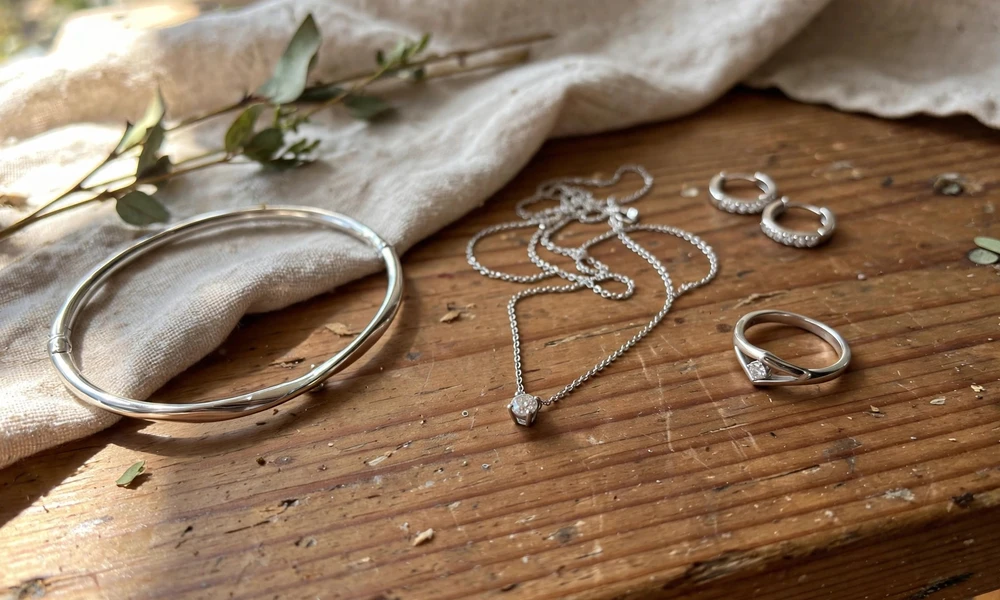
Look next at the weight and the finish. Pick the piece up and feel it. Platinum should feel heavier than a gold piece of the same size, and that weight is part of what you are paying for. Check the finish too: a high-polish finish shows scratches more readily, while a brushed or satin finish hides them and develops a softer look over time. Neither is better, but the finish you choose should match how you actually wear jewellery day to day.
Finally, look at the setting and the clasp. Platinum prongs should be neat and even, with no gaps where a stone could catch. Chains should have a secure clasp that closes firmly, and earring posts should be straight and comfortable. A guide to diamond jewellery for everyday wear is a useful companion here, because many platinum pieces are set with diamonds, and the same everyday-wear checks apply: secure settings, comfortable weight, and a design that does not snag on clothing.
The 9 best platinum jewellery pieces of 2027
The Classic Platinum Solitaire Ring
What we like: A single diamond held in four or six platinum prongs, clean lines, and a setting that will outlast the trend cycle. What to consider: The most expensive way to buy a simple ring, and the prongs should be checked by a jeweller once a year. Best For: Engagements and milestone gifts. Material: Pt950 platinum, round or oval diamond. Price Range: $2,500–$8,000. Standout Feature: The prongs wear down far more slowly than gold ones.
This is the ring platinum was made for. The white metal makes a colourless diamond look brighter, and the weight of the band feels substantial without being heavy on the finger. Choose a six-prong setting if the stone is large, and a four-prong setting if you prefer a lighter, more open look.
The Slim Platinum Wedding Band
What we like: A plain, comfort-fit band that sits neatly beside an engagement ring and never needs replating. What to consider: A very slim band can feel light for platinum, so try 3 mm or wider if you want the weight. Best For: Weddings and anniversaries. Material: Pt950 platinum, plain or lightly engraved. Price Range: $900–$2,200. Standout Feature: The comfort-fit profile makes it easy to wear all day.
A plain platinum band is the most honest piece of jewellery you can own. There is nothing to hide a flaw, so the quality of the metal and the finish is on full display. It pairs well with any engagement ring, and it will look the same in twenty years as it does on the day you buy it.
The Platinum Tennis Bracelet
What we like: A continuous line of diamonds set in platinum links, with a secure clasp and a safety catch. What to consider: The most expensive bracelet in this list, and the clasp deserves a professional check every year. Best For: Evenings and special occasions. Material: Pt950 platinum, round diamonds. Price Range: $3,000–$12,000. Standout Feature: The links flex smoothly and sit flat on the wrist.
A tennis bracelet in platinum is a quiet statement. The metal’s white colour lets the diamonds do the talking, and the weight keeps the bracelet sitting neatly on the wrist instead of sliding around. Look for a box clasp with a safety catch, and ask the jeweller to show you how it opens and closes.
The Delicate Platinum Pendant Necklace
What we like: A fine platinum chain with a small diamond or pearl pendant, light enough for daily wear. What to consider: Fine chains can tangle, so store it flat and fastened. Best For: Everyday wear and layering. Material: Pt950 platinum chain, diamond or pearl pendant. Price Range: $600–$2,000. Standout Feature: The chain keeps its colour without ever needing a recoat.
This is the easiest platinum piece to wear every day. The pendant sits close to the collarbone, the chain is strong for its fineness, and the whole piece works with almost any neckline. It also layers well with a longer gold chain if you like a mixed-metal look.
The Platinum Diamond Stud Earrings
What we like: A pair of round diamond studs in platinum basket settings, comfortable for all-day wear. What to consider: Buy the screw-back or secure push-back version if you are prone to losing earrings. Best For: Everyday wear and work. Material: Pt950 platinum, round diamonds. Price Range: $800–$5,000. Standout Feature: The settings hold the stones low and close to the ear.
Diamond studs are the most worn piece of jewellery most people own, and platinum is the right metal for them. The settings are strong, the posts do not bend easily, and the white metal suits every skin tone. Choose a size you can wear comfortably for twelve hours, not the largest size you can afford.
The Platinum Eternity Band
What we like: Diamonds set all the way around the band, so the sparkle shows from every angle. What to consider: A full eternity band cannot be resized, so get the size right before you buy. Best For: Anniversaries and milestone birthdays. Material: Pt950 platinum, round or princess-cut diamonds. Price Range: $2,000–$7,000. Standout Feature: The shared-prong setting keeps the band slim despite the stones.
An eternity band is a commitment in more ways than one, and platinum suits it well. The metal’s strength protects the small stones around the band, and the design never goes out of style. If you are unsure about the size, a half-eternity band, with stones on the top half only, is easier to resize later.
The Minimal Platinum Signet Ring
What we like: A plain, flat-faced signet ring in solid platinum, with an optional engraved initial. What to consider: Engraving is permanent, so be sure of the design before you commit. Best For: Everyday wear and personal gifts. Material: Pt950 platinum, plain or engraved face. Price Range: $700–$1,800. Standout Feature: The weight of solid platinum gives a small ring real presence.
A signet ring in platinum is a modern take on a very old design. The metal’s cool white colour suits the flat, geometric face, and the piece works equally well for men and women. Wear it on its own or stacked with a slim band, and let the patina develop naturally for a softer, lived-in look.
The Platinum Chain Necklace
What we like: A solid platinum chain, cable or curb link, that can be worn alone or with a pendant. What to consider: Solid platinum chains are priced by weight, so a longer, thicker chain costs much more than a fine one. Best For: Everyday wear and layering. Material: Pt950 platinum, cable or curb link. Price Range: $1,500–$6,000. Standout Feature: The links are strong enough to carry a heavy pendant safely.
The Platinum Pearl Pendant
What we like: A single white or grey pearl set in platinum, understated and elegant. What to consider: Pearls are soft, so keep the pendant away from perfume, hairspray, and hard surfaces. Best For: Weddings, formal occasions, and gifts. Material: Pt950 platinum, freshwater or Akoya pearl. Price Range: $500–$2,500. Standout Feature: The cool white metal flatters the pearl’s lustre without competing with it.
Platinum and pearls are a natural pairing. The metal’s white colour picks up the pearl’s glow, and the simple setting lets the pearl be the focus. This is a good choice if you want something dressy that still feels calm and wearable, rather than flashy.
Which platinum jewellery is right for you
Start with how often you will wear it. A ring or a pair of studs that you wear every day should be platinum’s strongest case, because the metal’s durability and hypoallergenic nature matter most in daily wear. A necklace or bracelet worn occasionally can be gold or silver without any real downside, so save the platinum budget for the pieces that take the most wear.
Next, think about your skin tone and your wardrobe. Platinum’s cool white colour suits cool and neutral skin tones particularly well, and it looks sharp against dark clothing and bright colours. If you wear mostly warm tones, or you already own a lot of yellow gold, a mixed-metal approach works well, and a guide to gold jewellery for everyday wear can help you compare the two metals side by side before you decide.
Finally, be honest about your budget. Platinum costs more than gold, and the difference is real, not a markup trick. If the budget is tight, choose one platinum piece you will wear daily, such as a wedding band or a pair of studs, and choose gold or silver for the rest. One well-chosen platinum piece is better than three compromises.
The caveats that matter
Platinum is not a perfect metal, and the caveats are practical rather than dramatic. It scratches more visibly than gold, it is harder and more expensive to resize, and it is heavier, which some people find uncomfortable in a large ring or a thick chain. None of these are reasons to avoid platinum, but they are reasons to buy it with your eyes open.
| Detail | What is known |
|---|---|
| Usual purity | 95 percent platinum, stamped Pt950 |
| Colour | Naturally white, needs no rhodium coating |
| Tarnish | Does not tarnish, but develops a patina over time |
| Weight | Denser and heavier than gold at the same size |
| Sensitive skin | High-purity platinum is hypoallergenic for most people |
| Resizing | Harder and more expensive than resizing gold |
| Scratches | Shows fine scratches, which a polish can remove |
| Price | Costs more than gold per gram, and prices vary with weight |
If you have a nickel allergy, check the alloy. Most platinum jewellery is made with other platinum-group metals rather than nickel, but some lower-purity pieces may contain it, so ask the jeweller what the remaining 5 percent is made of. For valuable pieces, keep the receipt and the certificate, and have the settings checked once a year.
Checklist: choosing platinum jewellery honestly
Use these checks before you buy, and again after a month of wear.
- Check the hallmark: Pt950 or 950 Plat, stamped where you can see it.
- Check the weight: it should feel heavier than a gold piece of the same size.
- Check the setting: prongs neat and even, stones secure, clasp closing firmly.
- Check the finish: high polish shows scratches, brushed finishes hide them.
- Check the size: measure twice, because resizing platinum is costly.
- Check the jeweller: buy from someone who works with platinum regularly, not just gold.
Frequently asked questions
Is platinum better than white gold?
It depends on what you value. Platinum is purer, denser, and keeps its white colour without a coating, while white gold is lighter and cheaper but needs replating every few years. For a ring worn daily, platinum’s durability is a real advantage.
Does platinum jewellery tarnish?
No, platinum does not tarnish. It does develop a patina, a soft dulling of the surface from tiny scratches, which many owners like. A jeweller can polish it back to a bright shine whenever you want.
Is platinum good for sensitive skin?
Usually yes. High-purity platinum is hypoallergenic for most people, and it is often recommended for those who react to nickel in some gold alloys. If you have a known metal allergy, ask the jeweller about the exact alloy before buying.
Why is platinum more expensive than gold?
Platinum is rarer than gold, denser, so more metal is used for the same design, and it is harder to work with, which adds to the making cost. The price also reflects its 95 percent purity, which is higher than most gold alloys.
Can platinum rings be resized?
Yes, but it is harder and more expensive than resizing gold, because platinum has a higher melting point and needs specialist equipment. A full eternity band cannot be resized at all, so get the size right first.
Does platinum go well with other metals?
Yes, and mixed-metal jewellery is common. Platinum pairs well with yellow gold and rose gold, and a guide to platinum nose rings shows how the metal works in smaller pieces too, if you want to see the colour and finish up close before committing to a larger piece.
The bottom line
The best platinum jewellery in 2027 is not the most expensive piece in the case. It is the piece you will wear often, that suits your skin and your wardrobe, and that is made well enough to last for decades. A solitaire ring, a wedding band, or a pair of studs are the strongest choices, because platinum’s durability and purity matter most in pieces worn every day.
Buy from a jeweller who works with platinum regularly, check the Pt950 hallmark, and choose a design you will still like in ten years. Platinum is a long-term metal, and the right piece should feel like a quiet, lasting part of your daily life, not a purchase you second-guess.