A silk scarf is the smallest thing in a wardrobe that can change an outfit completely. It turns a plain white shirt into something deliberate, softens a tailored jacket, and adds colour to a coat without adding bulk. It is also one of the easiest accessories to get wrong, because silk shows every crease, slips off the neck, and looks tired fast if the fabric is thin or the print is cheap.
That is why this guide is organised by how a scarf is actually worn, not just by brand name. A large square works as a headscarf, a neck scarf and a bag charm. A long, narrow scarf works as a belt, a hair tie and a wrap. A small square is best kept for the neck and the wrist. Size matters more than logo, and fabric weight matters more than either.
Below are nine silk scarves worth considering in 2027, from a classic investment square to affordable everyday options. Each one is described by what it is good at, what to watch for, and who it suits best, so you can choose with your wardrobe in mind, not just a bestseller list.
Key takeaways
- A silk scarf adds colour and polish to an outfit without bulk, and one good scarf can be worn at the neck, in the hair, on a bag, or as a belt.
- Size decides how a scarf can be worn: large squares are the most versatile, narrow scarves suit hair and bags, and small squares work best at the neck.
- Look for 100 percent mulberry silk with a twill weave and hand-rolled hems, which signal a scarf that will drape well and last.
- Keep the palette close to what you already own, so the scarf works with three or four outfits, not just one.
- No scarf suits every outfit or every climate, and a thin, loosely woven silk will crease, slip, and look worn out far sooner than a good twill.
What silk scarves actually do for an outfit
A silk scarf does three things at once. It adds colour near the face, which is where colour matters most. It adds a soft, reflective texture that contrasts with wool, denim, and cotton. And it adds a finished detail, a small sign that an outfit was put together on purpose rather than thrown on in a hurry.
The effect is strongest when the scarf is the only strong colour in the outfit. A printed square with a navy coat and jeans, for example, reads as intentional. The same scarf with a printed dress and a patterned bag reads as busy. If the rest of the outfit is plain, the scarf can carry the colour. If the rest is already loud, a plain silk scarf in a single tone works better.
Silk also behaves differently from other scarf fabrics. It drapes rather than bunches, so it sits flat under a coat collar and does not add bulk at the neck. It catches the light, which is why a silk scarf looks brighter in daylight than a wool one in the same colour. And it is light enough to wear indoors, which means it can stay on all day rather than coming off at the door.
How we chose these scarves and what to look for
Look first at the fabric. The best scarves in this guide are 100 percent mulberry silk in a twill weave, which is smooth, slightly structured, and resistant to creasing. A satin silk is softer and shinier but slips more and shows wear sooner. A silk blend can be a sensible saving, but check the label: anything below 70 percent silk loses the drape and sheen that make a silk scarf worth buying.
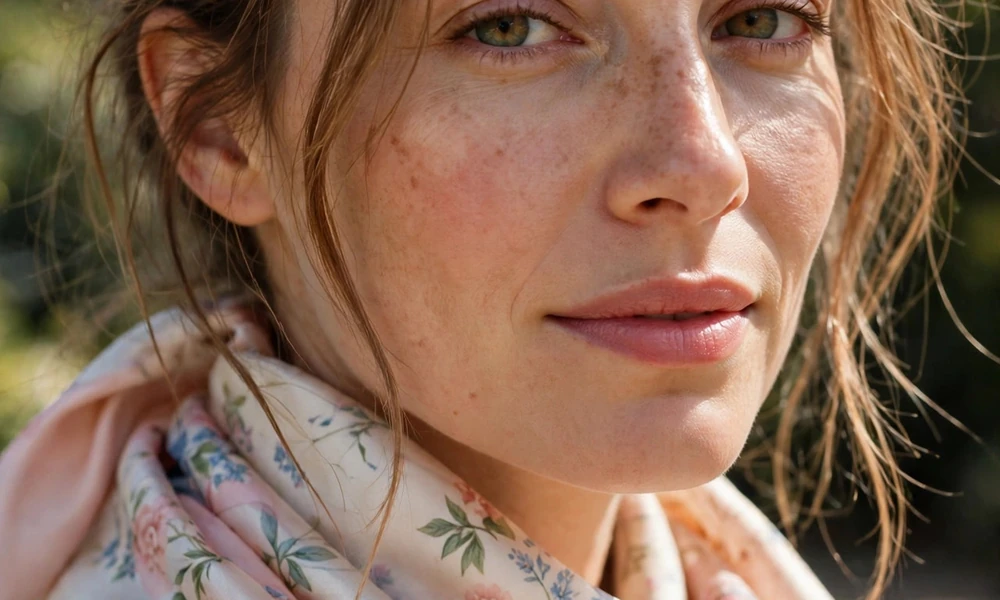
Look next at the size and the hem. A 90 cm square is the classic choice because it folds into a triangle, a band, or a small shawl. A long, narrow scarf, around 180 cm by 10 cm, is best for hair and bags. Hand-rolled hems are the quiet sign of quality: they are sewn by hand, lie flat, and do not pucker after washing. Machine-stitched hems are fine at lower prices, but they tend to curl.
Finally, look at the print and the palette. A scarf with three or four colours that already appear in your wardrobe will be worn far more than a beautiful print in colours you never wear. Our guide to silk blouses makes the same point about silk in general: the fabric is an investment, so the colour should earn its place across several outfits, not just one.
The 9 best silk scarves of 2027
Hermès Grand Apparat Silk Scarf
What we like: The benchmark for silk scarves: 100 percent silk twill, a hand-rolled hem, and a print that stays vivid for years. The 90 cm square folds, ties, and drapes beautifully in every position.
What to consider: A true investment price, and the silk needs gentle care. Best for: A one-scarf wardrobe and special occasions. Fabric: 100% silk twill. Price range: £700 and above. Standout feature: Hand-rolled hems and a print that never fades.
This is the scarf other scarves are measured against. It is not the cheapest, and it is not the most practical for daily wear, but for a single piece that will last a decade, it remains a strong first choice.
Burberry Silk Scarf
What we like: A classic check in 100 percent silk twill, with a clean, recognisable pattern that works with coats, blazers, and simple knitwear.
What to consider: The check is bold, so it suits plain outfits best, and the price is firmly in luxury territory. Best for: Coats and tailored looks. Fabric: 100% silk twill. Price range: £300 to £450. Standout feature: The iconic check in a soft, smooth twill.
A practical luxury choice for anyone who wears coats most of the year. The check does the work, so the rest of the outfit can stay simple.
Gucci Silk Twill Scarf
What we like: A 90 cm square in 100 percent silk twill with bold, playful prints and a hand-rolled hem, in colours that stand out against neutral tailoring.
What to consider: The prints are statement-making, which limits how often they can be repeated, and the price is high. Best for: Adding colour to neutral outfits. Fabric: 100% silk twill. Price range: £350 to £500. Standout feature: Bold, collectible prints on a classic square.
If your wardrobe is mostly black, navy, and grey, a Gucci square is the fastest way to add personality without buying a new coat.
Acne Studios Silk Scarf
What we like: A modern, understated take on the silk scarf, with clean prints and a soft twill that drapes well at the neck or in the hair.
What to consider: Fewer classic prints than the heritage houses, and the palette leans muted. Best for: Minimal wardrobes. Fabric: 100% silk twill. Price range: £150 to £250. Standout feature: A contemporary print that suits simple outfits.
A good middle ground between high-street and heritage luxury, and one of the easiest scarves in this guide to wear every day.
Toteme Monogram Silk Scarf
What we like: A refined, tonal monogram print on 100 percent silk, designed to sit quietly with tailored coats and knitwear rather than compete with them.
What to consider: The print is subtle, so it reads as a texture rather than a statement, and the price is premium. Best for: Quiet luxury looks. Fabric: 100% silk. Price range: £200 to £300. Standout feature: A tonal monogram that works with everything.
For anyone who wants the quality of a luxury scarf without a loud logo or print, this is the most wearable option in the guide.
& Other Stories Silk Scarf
What we like: A 100 percent silk square with fresh, seasonal prints at a price that allows two or three in rotation, with a soft hand and good drape.
What to consider: The silk is lighter than heritage twill, so it creases more easily and needs gentle handling. Best for: Everyday colour and experimenting with prints. Fabric: 100% silk. Price range: £35 to £55. Standout feature: Seasonal prints at an everyday price.
The best way to try a new print or colour without committing to a luxury price. Buy one, wear it for a month, and see which colours you actually reach for.
COS Silk Scarf
What we like: A clean, architectural approach to the silk scarf, with solid colours and simple geometric prints in 100 percent silk.
What to consider: The palette is deliberately restrained, so there are fewer bold options, and the sizes run smaller than a classic square. Best for: Work outfits and minimal styling. Fabric: 100% silk. Price range: £45 to £70. Standout feature: Solid colours that pair with tailoring.
A sensible, well-made option for the office, where a quiet scarf adds polish without drawing attention away from the outfit.
Massimo Dutti Silk Scarf
What we like: A polished, classic silk scarf with traditional prints and a smooth twill, at a price that sits comfortably between high street and luxury.
What to consider: The prints lean traditional, so they suit classic wardrobes more than trend-led ones. Best for: Classic and work wardrobes. Fabric: 100% silk twill. Price range: £50 to £90. Standout feature: A traditional print with a smooth, even drape.
If you want a scarf that looks at home with a blazer and a coat, this is a reliable choice that does not need a luxury budget.
Mango Silk Scarf
What we like: An affordable 100 percent silk scarf with on-trend prints, a soft hand, and a size that works at the neck, in the hair, or on a bag.
What to consider: The silk is fine and light, so it slips more than a heavier twill and needs a knot that holds. Best for: Trying trends and everyday wear. Fabric: 100% silk. Price range: £25 to £45. Standout feature: Trend-led prints at the lowest price in this guide.
The easiest entry point in the guide, and a good way to learn which sizes and prints you actually wear before spending more.
Which silk scarf is right for you
Start with size. If you want one scarf that does everything, buy a 90 cm square. It folds into a neck scarf, a headscarf, a bag charm, and a small shawl, and it is the size every classic scarf is designed around. If you mostly wear scarves in your hair or on a bag, a long, narrow scarf is lighter and easier to tie.
Next, match the print to your wardrobe. A scarf with two or three colours you already wear will be used weekly. A scarf in a colour you never wear will sit in a drawer, however beautiful it is. Hold the scarf against your face in daylight before buying: the right colours brighten the skin, while the wrong ones can make it look tired.
Finally, think about the season. A silk scarf is a year-round accessory, but it is at its best in spring and autumn, when it adds warmth without bulk. In deep winter, it works best layered over a coat or under a collar, and our guide to winter scarves covers the heavier options for the coldest months, when wool and cashmere take over.
The caveats that matter
Silk is a delicate fabric, and a scarf is worn close to the skin, the hair, and the bag, so it picks up wear faster than a coat or a dress. Perfume, sunscreen, and hair products can mark silk, so apply them first and let them dry before putting a scarf on. Water spots are the most common problem: a single drop can leave a visible ring on a light-coloured silk.
| Detail | What is known |
|---|---|
| Best fabric | 100% mulberry silk in a twill weave, with hand-rolled hems |
| Most versatile size | A 90 cm square, which folds into a neck scarf, headscarf, or bag charm |
| How to choose a print | Pick two or three colours already in your wardrobe, and check them against your face in daylight |
| When to wear it | Year-round, but at its best in spring and autumn, or layered under a coat in winter |
| What to avoid | Perfume, sunscreen, and hair products applied after the scarf is on |
| Cleaning | Dry clean, or hand wash in cool water with a gentle detergent, and dry flat |
| Storage | Fold loosely, keep away from direct sunlight, and store with moth protection |
| What it does not do | It does not add warmth like wool, and a thin silk will crease and slip more than a good twill |
Cleaning needs care. Most silk scarves should be dry cleaned, or hand washed in cool water with a gentle detergent and dried flat, never wrung out or tumble dried. Iron on a low setting with a cloth between the iron and the silk, or steam from a distance. Stored folded and out of direct sunlight, a good silk scarf keeps its colour for years.
Checklist: choosing a silk scarf honestly
Use these checks before you buy, and again after a month of wear.
- Check the label: 100 percent silk, ideally mulberry silk in a twill weave, not a blend below 70 percent silk.
- Check the size: a 90 cm square is the most versatile, while a narrow scarf suits hair and bags.
- Check the hem: hand-rolled hems lie flat and last, while machine hems can curl and pucker.
- Check the colours against your face in daylight, not under shop lighting.
- Check the weight: hold the scarf up and let it drape, because a good twill falls smoothly and a thin silk collapses.
- Check the care label: make sure you are happy to dry clean or hand wash it, because silk needs gentle care.
Frequently asked questions
How do I wear a silk scarf without it looking old-fashioned?
Keep the rest of the outfit modern and simple. A silk square with jeans, a white shirt, and trainers looks current. The same scarf with a twinset and pearls can look dated, so let the scarf be the only classic element in the outfit.
What size silk scarf should I buy first?
A 90 cm square is the best first buy. It works at the neck, in the hair, on a bag, and as a small shawl, while smaller squares and narrow scarves are more limited in how they can be worn.
Can I wear a silk scarf in winter?
Yes, layered over a coat or under a collar, where it adds colour and a soft layer at the neck. For real warmth, pair it with a heavier scarf or wear it under a wool one, because silk alone does not insulate like wool.
How do I stop a silk scarf from slipping?
Tie it with a knot that holds, such as a simple loop or a cowboy knot, and avoid smooth, slippery fabrics underneath. A small scarf ring or a brooch can also hold the fold in place without damaging the silk.
How do I clean a silk scarf?
Dry clean it, or hand wash in cool water with a gentle detergent, rinse well, and dry flat out of direct sunlight. Never wring it out, never tumble dry it, and iron on low with a cloth between the iron and the silk.
Are expensive silk scarves worth the price?
Often yes, if the scarf is 100 percent silk twill with hand-rolled hems, because it drapes better, holds its colour, and lasts far longer than a cheap silk. A good guide is our roundup of luxury fashion brands, which explains what the price of a heritage piece actually pays for. That said, a well-chosen scarf at a lower price can be just as wearable if the fabric and print are right.
The bottom line
The best silk scarf in 2027 is not the most expensive or the most famous. It is the one in a size you can wear several ways, in colours you already own, made from a silk twill that drapes well and holds its colour. A 90 cm square in 100 percent silk is the safest first buy, and it will work with more outfits than any other single accessory.
Choose one scarf, wear it for a month in different ways, and notice which outfits it improves. That is the honest test of whether a silk scarf earns its place in your wardrobe, and it will tell you more than any brand name or price tag.