

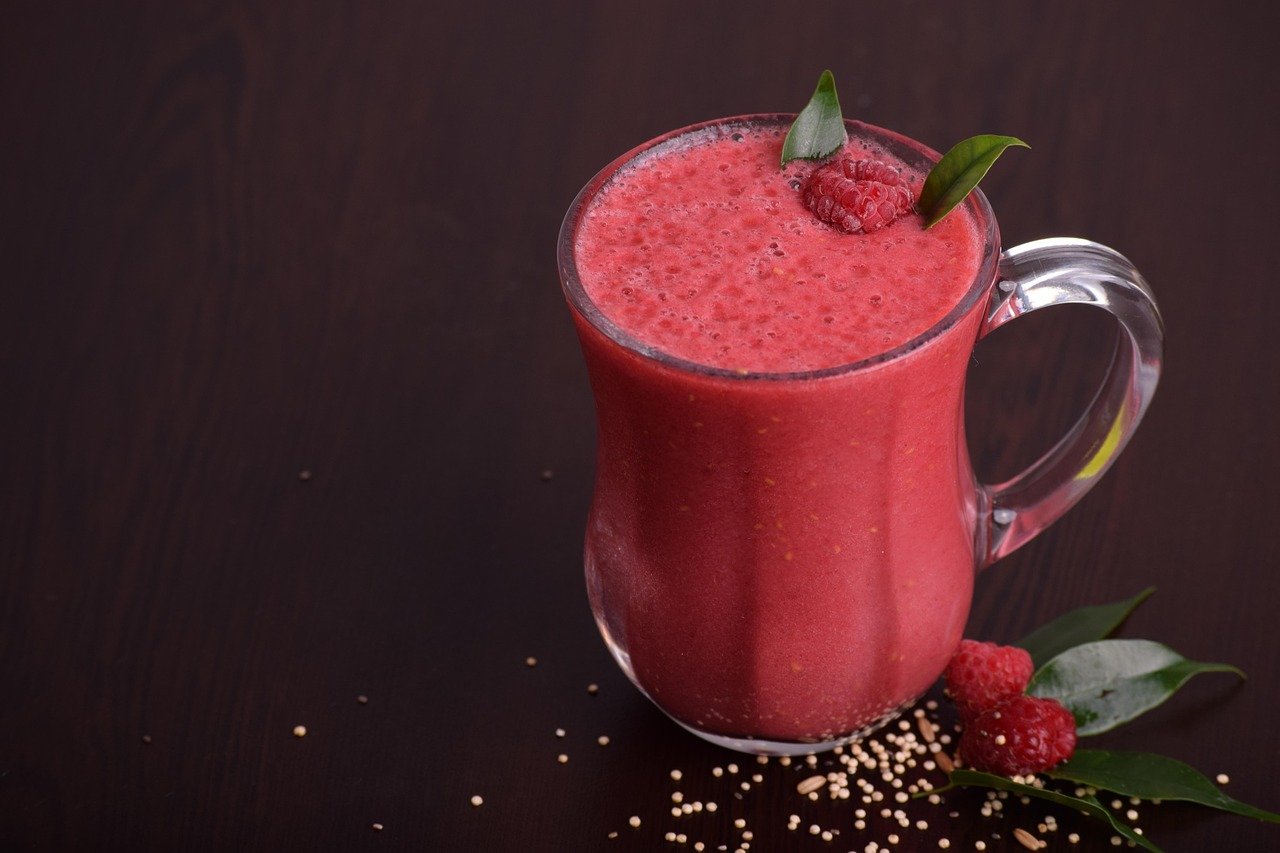

What if the drink you thought was helping you lose weight is quietly working against you? A tall, frosty smoothie feels like the poster child of healthy eating. But plenty of them pack more sugar than a can of soda, and an hour later you are digging through the pantry. The difference between a smoothie that supports weight loss and one that sabotages it comes down to a handful of practical choices: protein, fiber, portion size, and what you blend it with.
This guide breaks down how to build smoothies that genuinely keep hunger in check, which recipes are worth trying, and the mistakes that turn a “diet” drink into a dessert in disguise.
Why Most Smoothies Fail at Weight Loss
Weight loss comes down to energy balance. You need to take in fewer calories than you burn, or burn more than you take in. A smoothie is not magic. It only helps if it fits inside that deficit.
Here is the problem. A smoothie can range from roughly 100 calories to well over 700, depending on what goes in the blender. Toss in juice, a scoop of nut butter, honey, a banana, and a handful of dates, and you have built a milkshake with a health halo. People drink it in five minutes, feel virtuous, and then eat a normal lunch because they are still hungry.
There is also the liquid calories issue. Research on satiety suggests liquids tend to be less filling than solid foods of the same calorie count, though the evidence is mixed and depends heavily on fiber and protein content. Your brain does not register a drink the same way it registers chewing. That is why a smoothie built on fruit juice and frozen fruit alone can leave you hungrier than if you had eaten the fruit whole.
The fix is not to abandon smoothies. It is to build them like a small meal, not a dessert.
The Four Building Blocks of a Weight-Loss Smoothie

Every smoothie worth drinking on a weight-loss plan has four parts. Get these right and the recipe almost writes itself.
1. A protein anchor
Protein is the most satiating macronutrient and helps preserve muscle while you lose fat. Good options include Greek yogurt, cottage cheese, silken tofu, protein powder, or a spoon of nut butter in small amounts. Aim for 15 to 30 grams of protein per smoothie. Without it, you are drinking fruit soup.
2. Fiber from whole ingredients
Fiber slows digestion and steadies blood sugar. Blend whole fruit rather than juice, and add vegetables like spinach, zucchini, or cauliflower rice. These bulk up the volume without adding many calories. A scoop of chia seeds or ground flaxseed adds fiber and a little healthy fat. Note that adults generally need roughly 25 to 38 grams of fiber a day, and one smoothie rarely closes that gap alone.
3. A liquid that does not add sugar
Use water, unsweetened almond milk, skim milk, or unsweetened soy milk. Skip fruit juice, sweetened yogurt drinks, and flavored plant milks. Fruit juice counts as a free sugar in most dietary frameworks, while whole fruit does not.
4. Controlled sweetness and portion
A little sweetness is fine. A lot is where things go wrong. Use half a banana instead of a whole one, or rely on berries, which are lower in sugar. And measure your pour. A smoothie that fills a 24-ounce cup is probably two servings, not one.
A Quick Comparison: What Changes the Calorie Math
| Ingredient choice | Rough effect on calories | Effect on fullness |
|---|---|---|
| Fruit juice base | High, adds sugar fast | Low |
| Water or unsweetened milk base | Low | Neutral |
| Whole berries | Moderate, adds fiber | High |
| Whole banana | Higher sugar | Moderate |
| Greek yogurt | Moderate, adds protein | High |
| Large spoon of nut butter | Very high | Moderate |
| Handful of spinach | Very low | Slight |
| Chia or flax | Moderate | High |
The pattern is clear. Protein and fiber earn their calories. Juice and oversized nut butter portions spend them badly.
Seven Smoothie Recipes Worth Blending
These recipes are built around the four blocks. Each makes one serving unless noted. Adjust portions to fit your daily calorie target.
1. The Classic Berry Protein Smoothie
Blend 1 cup unsweetened almond milk, 1/2 cup frozen mixed berries, 1/2 cup plain Greek yogurt, 1 scoop vanilla protein powder, and 1 tablespoon chia seeds. This lands around 25 to 30 grams of protein and plenty of fiber. It is the workhorse recipe, and it is hard to get wrong.
2. Green Spinach and Apple
Blend 1 cup water, 2 big handfuls of spinach, 1/2 green apple, 1/2 cup plain cottage cheese, and a squeeze of lemon. The spinach disappears behind the apple, and the cottage cheese gives it a creamy texture with serious protein. Do not add juice. The apple is sweet enough.
3. Chocolate Peanut Butter Recovery Shake
Blend 1 cup unsweetened soy milk, 1 scoop chocolate protein powder, 1 tablespoon powdered peanut butter, 1/2 frozen banana, and 1 tablespoon ground flaxseed. Powdered peanut butter cuts the fat and calories dramatically compared with the jar version. This one tastes like a treat and behaves like a meal.
4. Tropical Tofu Blend
Blend 1/2 cup silken tofu, 1/2 cup unsweetened coconut milk beverage, 1/2 cup frozen mango, a handful of spinach, and a splash of lime. Silken tofu is a secret weapon. It adds creaminess and protein without a strong flavor. If you have ever wondered whether a chicken smoothie is even safe to try, the answer is that cooked chicken blends poorly and offers no advantage over these options, so stick with tofu or dairy.
5. Zucchini Vanilla Oat Shake
Blend 1/2 cup frozen zucchini, 1/2 cup unsweetened almond milk, 1/2 cup Greek yogurt, 2 tablespoons rolled oats, 1/2 teaspoon vanilla, and a pinch of cinnamon. Frozen zucchini adds volume and fiber with almost no calories. The oats add slow-digesting carbs that keep you steady until lunch.
6. Coffee Cottage Cheese Shake
Blend 1/2 cup cold brewed coffee, 1/2 cup cottage cheese, 1/2 frozen banana, 1 tablespoon cocoa powder, and ice. The caffeine gives you a morning lift, and the cottage cheese carries the protein. Blend long enough to smooth out the curds.
7. Tart Cherry and Kefir Nightcap
Blend 1/2 cup plain kefir, 1/2 cup frozen tart cherries, 1/2 cup unsweetened almond milk, and 1 tablespoon chia seeds. Kefir adds protein and live cultures. This one works well as an evening snack that will not leave you hunting for cookies at ten o’clock.
Common Mistakes People Make
Drinking instead of eating, then eating anyway. A smoothie is a meal replacement or a snack, not a free bonus. Decide which one it is before you pour.
Loading up on “healthy” sweeteners. Honey, agave, maple syrup, and dates are all sugar. A tablespoon of honey is about 60 calories of pure sweetness that does nothing for fullness.
Skipping the protein. This is the single biggest error. A fruit-only smoothie spikes your blood sugar and drops you off a cliff an hour later.
Using a giant cup. Portion creep is real. Use a smaller glass and measure your ingredients for the first week or two until you can eyeball them.
Blending vegetables that taste bitter. Raw kale and broccoli can overwhelm a smoothie. Spinach, zucchini, and cauliflower rice are far more forgiving. If you want to branch out into vegetable-forward cooking, the same principle applies to easy Finnish recipes at home, where simple ingredients and restraint beat complicated flavor stacking.
How to Fit Smoothies Into Your Day
Timing matters less than total intake, but a few habits help. Have your smoothie for breakfast or as a post-workout meal, when it can genuinely replace food you would have eaten anyway. If you use it as a snack, keep it small and lean on protein.
If you are also exploring other wellness routines, be skeptical of anything that promises dramatic results without changing your diet. Detox bath recipes, for example, feel therapeutic but do not remove toxins or burn meaningful calories. The same skepticism applies to smoothie marketing. A cleanse in a blender is still just a low-calorie day.
One more practical note: if you are considering a structured program rather than DIY blending, it pays to do a California weight loss spa check before you book, since regulations and offerings vary widely. And if celebrity weight-loss stories are what inspired you, it helps to separate confirmed facts from rumors. The reporting on what Danielle Brooks has said about weight loss in 2025, for instance, is a useful reminder that public figures rarely endorse a single smoothie recipe.
Making Smoothies Sustainable
The best smoothie is the one you will actually make on a Tuesday when you are running late. That means prep work. Wash and freeze fruit in portions. Keep a bag of spinach ready. Pre-portion protein powder. A blender that lives on the counter gets used; one in a cabinet does not.
Rotate flavors so you do not get bored. Berry one day, chocolate the next, tropical after that. Boredom is the quiet killer of most eating plans. And do not expect any single food to do the work. Smoothies are a tool for hitting your protein and fiber targets with less effort, not a shortcut around the basics.
If you are weighing equipment purchases too, know that gear matters less than consistency. A sturdy bench and a blender will not lose weight for you, but reading up on what Keppi weight bench 6000 buyers should know before ordering is a good example of how a little research prevents expensive regrets.
Conclusion
The best smoothie recipes for weight loss are not the ones with the longest ingredient lists or the trendiest superfoods. They are the ones built on protein, fiber from whole foods, an unsweetened liquid, and a portion you can hold in one hand. Berry and Greek yogurt, spinach and cottage cheese, chocolate and powdered peanut butter, tofu and mango: none of these are glamorous, and that is exactly why they work. They fit inside a calorie deficit, they keep you full for hours, and you can make them in five minutes.
Start with one recipe. Measure it for a week. Notice how you feel before lunch. Then adjust. That feedback loop, not a miracle ingredient, is what moves the number on the scale.
Frequently Asked Questions
Are smoothies good for weight loss?
They can be, but only if they fit within your daily calorie needs. A smoothie built on protein, whole fruit, vegetables, and an unsweetened liquid can replace a meal and keep you full. A smoothie loaded with juice, honey, and nut butter can easily exceed the calories of the meal it replaces.
What is the best time to drink a smoothie for weight loss?
Most people do best using a smoothie as breakfast or as a post-workout meal, because it replaces food they would have eaten anyway. Using it as an extra snack on top of normal meals adds calories rather than removing them. Total daily intake matters more than timing.
How many calories should a weight-loss smoothie have?
It depends on your daily target, but a smoothie used as a meal replacement often lands between 250 and 400 calories. A smoothie used as a snack is usually better around 150 to 200 calories. Weigh your ingredients for the first week so you know what you are actually drinking.
Should I use protein powder in smoothies?
It is optional but helpful. Protein powder is a convenient way to reach 15 to 30 grams of protein per smoothie, which supports fullness and muscle retention. Greek yogurt, cottage cheese, silken tofu, and small amounts of nut butter work just as well if you prefer whole foods.
Is fruit juice bad in a smoothie?
Fruit juice adds sugar and calories without the fiber that whole fruit provides, and it does little for fullness. Water, unsweetened almond milk, skim milk, or unsweetened soy milk are better bases. If you want fruit flavor, blend whole fruit instead of pouring juice.
Can I drink a smoothie every day?
Yes, as long as it fits your overall eating pattern and you vary the ingredients. Rotating fruits, vegetables, and protein sources helps you cover more nutrients and keeps you from getting bored. Watch portion size, since daily smoothies can quietly add up if they are oversized.











