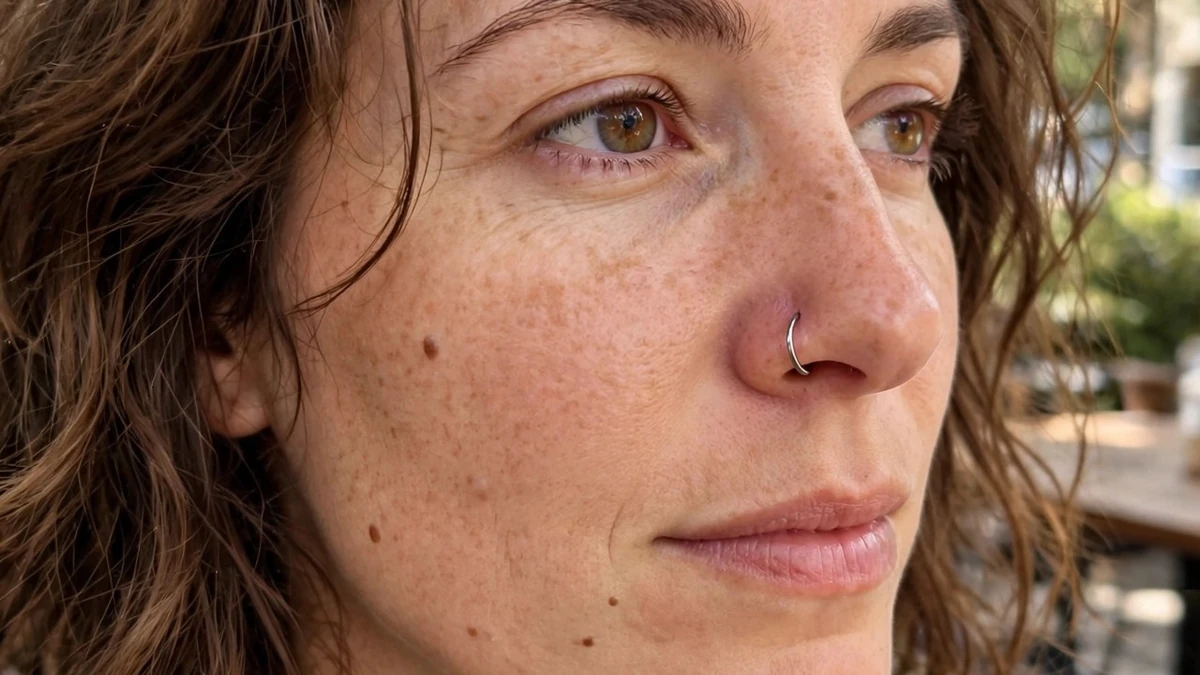

Stainless Steel Nostril Rings 2027: 9 Picks Worth Wearing
Stainless steel nostril rings are the affordable classic. They are strong, widely available, and easy to find in almost any shape, which is why they are often the first nostril ring people buy. A good surgical steel ring looks clean and bright, holds its shape well, and costs far less than gold or platinum, so it is a sensible way to try a new style before committing to a precious metal.
The catch is quality. Surgical stainless steel is a specific standard, and not every ring sold as steel meets it. Lower grades can contain enough nickel to irritate a sensitive piercing, and a badly finished ring can have rough edges that catch and sting. The shape matters too. A seamless ring, an L-shaped stud, and a small hoop each behave differently when you sleep, wash your face, or pull a jumper over your head.
Below are nine stainless steel nostril rings worth considering in 2027, from a classic polished ring to black steel and a paved front. Each one is described by what it is good at, what to watch for, and who it suits best, so you can choose with your piercing in mind, not just the price.
Key takeaways
- Surgical stainless steel is strong, affordable, and widely available in almost every nostril ring shape.
- Look for 316L surgical steel, and avoid unmarked or very cheap rings that may be a lower grade.
- Polished and brushed finishes suit everyday wear, while black steel adds a bold, modern edge.
- Gauge and diameter matter more than decoration: a ring that is too tight pinches, and one that is too loose catches on everything.
- Steel does not suit everyone, and a ring that causes persistent redness, swelling, or itching should come out and be checked by a piercer.
What stainless steel nostril rings actually are
A stainless steel nostril ring is a small piece of jewellery worn through a nostril piercing, made from surgical stainless steel rather than gold, silver, or titanium. The grade worth looking for is 316L, often called surgical steel, because it is corrosion-resistant and polished to a smooth finish. It is heavier than titanium but lighter than solid gold, and it holds its shape well, which makes it a practical daily choice.
Nostril rings come in several shapes. A seamless ring is a plain circle that closes with no visible join. An L-shaped stud bends at a right angle inside the nostril to stay put. A hoop with a small ball or gem end adds a little sparkle. A slim seamless style sits close to the nostril and barely shows. Each shape suits a different piercing and a different level of experience, and a piercer can help you match the shape to the angle of your piercing.
Steel can also be finished in black, usually through a coating or an ion-plating process. Black steel looks striking, but the finish is a surface layer rather than part of the metal, so it needs gentler care than plain polished steel. That trade-off is worth knowing before you buy.
Comfort is worth thinking about too. Steel is heavier than titanium, so a steel ring pulls a little more on the piercing, but most people stop noticing it within a day or two. The weight also helps the ring hold its shape, so a slim steel ring is less likely to bend out of shape in a bag or a pocket than a very fine titanium one. For a ring you wear every day, that sturdiness is a genuine advantage.
How we chose these stainless steel nostril rings and what to look for
Look first at the grade. Surgical stainless steel, marked 316L, is the standard to ask for. If a seller does not state the grade, treat that as a warning sign. Look next at the gauge and the diameter. Most nostril piercings use 20 or 18 gauge, and the diameter should match your piercing so the ring sits close without pulling. If you are unsure, your piercer can measure it in a minute.

Look then at the finish and the closure. A smooth, well-polished surface is gentler on a piercing than a rough or sharp edge, and a secure closure means the ring will not open in your sleep. A plain polished ring is the easiest daily choice, while a gem or paved front needs a secure setting so the stones do not loosen. Nose hoops are the closest cousins to nostril rings, and our guide to the best nose hoops for women is a useful comparison if you are deciding between the two styles.
Finally, think about your routine. If you swim, work out, or sleep on your side, a slim, snug ring is more practical than a large hoop. If you change jewellery often, a seamless ring is easier to swap than a screw end. The best stainless steel nostril ring is the one that fits your piercing, your skin, and your day, not the one with the most decoration.
The 9 best stainless steel nostril rings of 2027
The Classic Polished Steel Ring
What we like: A smooth, mirror-polished seamless ring that suits every face and never looks dated. What to consider: Very plain, so it adds no colour or sparkle. Best for: Everyday wear and first jewellery after healing. Material: 316L surgical stainless steel. Price range: Low. Standout feature: A bright polish that stays shiny with almost no care.
This is the ring to buy first. It is strong, affordable, and goes with everything, and it is the easiest way to find out which shape suits your piercing.
The Brushed Steel Ring
What we like: A soft, satin finish that hides small scratches and looks quietly expensive. What to consider: Less shine than a polished ring, so it reads as subtle rather than striking. Best for: Workdays and minimal styling. Material: 316L surgical stainless steel. Price range: Low. Standout feature: A brushed texture that stays looking new for longer.
If polished metal feels too bright for you, the brushed finish is a calmer alternative that still reads as deliberate and well made.
The Steel Ring with a Tiny Crystal
What we like: A small clear crystal set into a slim steel ring, adding sparkle without weight. What to consider: The setting needs checking now and then so the stone stays secure. Best for: Evenings and special occasions. Material: 316L surgical stainless steel with a cubic zirconia. Price range: Low to mid. Standout feature: A single stone that catches light from across a room.
This is the most versatile dressed-up option in the list, small enough for daily wear but bright enough for an evening out.
The Black Steel Ring
What we like: A deep black finish that looks bold and modern against any skin tone. What to consider: The black finish is a surface layer, so it needs gentle cleaning and can wear over time. Best for: Statement styling and darker wardrobes. Material: 316L surgical stainless steel with a black finish. Price range: Low to mid. Standout feature: A rich black colour at a very accessible price.
Black steel is a good choice if you want your nostril ring to be noticed, and at this price it is an easy style to try.
The Steel L-Shaped Stud
What we like: A neat L-shaped bend that stays securely in place and is easy to fit. What to consider: The bend can feel fiddly to insert until you get used to it. Best for: New piercings and anyone who loses rings in their sleep. Material: 316L surgical stainless steel. Price range: Low. Standout feature: A secure fit that rarely slips out on its own.
The L-shaped stud is the practical choice. It is not the flashiest style, but it is the one most likely to still be in place in the morning.
The Steel Ring with a Pearl End
What we like: A small white pearl on a slim steel ring, soft and classic rather than flashy. What to consider: Pearls need gentle cleaning and should not be soaked in harsh solutions. Best for: Weddings, formal days, and soft styling. Material: 316L surgical stainless steel with a freshwater pearl. Price range: Mid. Standout feature: A pearl end that looks elegant without trying hard.
This is the gentlest-looking ring here, and it works well when you want your jewellery to feel refined rather than edgy.
The Slim Steel Seamless Ring
What we like: An extra-fine seamless ring that is barely there, with no join to catch or irritate. What to consider: Very slim rings can bend if handled roughly. Best for: Minimal looks and sensitive piercings. Material: 316L surgical stainless steel. Price range: Low. Standout feature: A light, discreet feel that you forget within an hour.
If you want a nostril ring that whispers rather than shouts, this slim seamless style is the one to try.
The Steel Ring with a Paved Front
What we like: A row of tiny crystals set along the front of the ring, giving maximum sparkle for the size. What to consider: Paved stones need regular checking, and the setting should be cleaned gently. Best for: Parties, weddings, and evenings out. Material: 316L surgical stainless steel with cubic zirconia. Price range: Mid. Standout feature: A glittering front that looks far more expensive than it is.
This is the boldest sparkle in the list, and it is the ring to reach for when you want your nostril jewellery to be the talking point.
The Tiny Steel Ring
What we like: A miniature ring that sits close to the nostril and suits smaller piercings. What to consider: Small rings are harder to open and close, so ask a piercer to fit the first one. Best for: Petite features and understated styling. Material: 316L surgical stainless steel. Price range: Low. Standout feature: A tiny diameter that looks delicate and neat.
This is the smallest ring in the list, and it proves that a nostril ring does not need size to make an impression.
Which stainless steel nostril ring is right for you
Start with your piercing. A fresh or recently healed piercing does best with a simple polished ring or an L-shaped stud, because both are smooth, secure, and easy to clean. A long-healed piercing gives you more freedom, so a crystal end, a pearl, or a paved front becomes a safe choice. If your piercing is at an angle, a ring may sit better than a stud, and a piercer can confirm which shape suits you.
Think next about your skin. Surgical steel works well for most people, but it does contain a small amount of nickel, so if you have reacted to nickel before, titanium may be the safer choice. If your skin tolerates steel, a polished finish is gentler than a textured one, and a seamless closure avoids any rough edge against the piercing.
Finally, think about how you live. If you sleep on your side, swim, or work with your hands near your face, a snug, slim ring will cause fewer problems than a large hoop. If you like sparkle, a diamond-set nostril ring is worth comparing, and our guide to the best diamond nostril rings shows how stones change the look of a small ring.
Budget is the last thing to weigh. Stainless steel is the most affordable of the common nostril ring metals, often a third of the price of a comparable titanium ring and a fraction of solid gold. That makes it the best way to try a new shape or size before spending more, and it means you can own two or three styles for the price of one precious-metal ring. A single well-made steel ring often outlasts several cheap unmarked ones.
The caveats that matter
Stainless steel is a reliable everyday metal, but it is not a guarantee. Some people react to the nickel in steel, and a piercing can also react to a ring that is the wrong gauge, the wrong diameter, or fitted while the piercing is still healing. If a ring causes ongoing redness, swelling, heat, or itching, take it out and speak to your piercer before trying another style.
| Detail | What is known |
|---|---|
| Best grade to buy | 316L surgical stainless steel |
| Common gauges | 20 or 18 gauge for most nostril piercings |
| Weight | Heavier than titanium, lighter than solid gold |
| Nickel content | 316L steel contains a small amount of nickel |
| Black finish | A surface layer that needs gentle care and can wear over time |
| When to change jewellery | Only after the piercing is fully healed, usually several months |
| Cleaning | Warm water and mild soap, or a saline solution, before the first wear |
| What it does not do | It does not suit nickel-sensitive skin, and it does not heal a piercing on its own |
Cheap steel is a real problem. Unmarked or very cheap rings may be a lower grade, and they can irritate a piercing that surgical steel would not. Buy from a seller who states the grade clearly, and check the ring under good light before you wear it. A rough edge, a sharp join, or a loose stone is a reason to send it back. A ring that fits well should feel like nothing at all after the first day. If you are aware of it constantly, or if it snags every time you change a shirt, the size or the shape is wrong, and a piercer can usually fix that in one visit. Gold and silver each suit different skin tones and budgets, and our comparison of gold vs silver nostril rings can help if you are weighing steel against a precious metal.
Checklist: buying a stainless steel nostril ring honestly
Use these checks before you buy, and again when the ring arrives.
- Check the grade: 316L surgical stainless steel, from a seller who states it clearly.
- Check the gauge and diameter: 20 or 18 gauge for most piercings, sized to sit close without pulling.
- Check the finish: smooth and well polished, with no sharp edges, rough joins, or loose stones.
- Check the closure: it should open and close cleanly and stay shut through the night.
- Clean it first: wash with warm water and mild soap, or a saline solution, before the first wear.
- Wait for healing: do not change jewellery until the piercing is fully healed, and ask a piercer if you are unsure.
Frequently asked questions
Is stainless steel good for a nostril piercing?
Yes, 316L surgical stainless steel is a good, affordable choice for most people. It is strong, corrosion-resistant, and widely available, though it is heavier than titanium and contains a small amount of nickel.
What gauge should I choose?
Most nostril piercings use 20 or 18 gauge. If you are unsure, ask your piercer to measure your piercing, because the wrong gauge can irritate even a healed piercing.
Can I wear steel if I am allergic to nickel?
Probably not. Surgical steel contains a small amount of nickel, so if you have reacted to nickel before, implant-grade titanium is usually the safer choice.
How do I clean a stainless steel nostril ring?
Wash it with warm water and mild soap, or use a saline solution, and dry it before wearing. Avoid harsh chemicals and abrasive cloths, which can dull the finish.
Will a black steel ring stay black?
The black finish is a surface layer, so it can wear over time, especially with rough handling or harsh cleaning. Treat it gently and it will last much longer.
When can I change my nostril ring?
Only after the piercing is fully healed, which usually takes several months. Changing jewellery too early is the most common cause of irritation, so wait until there is no tenderness, redness, or discharge.
The bottom line
The best stainless steel nostril ring in 2027 is not the most decorated or the most expensive. It is the one in 316L surgical steel, in the right gauge and diameter, with a smooth finish and a secure closure. For most people that means a classic polished ring or a slim seamless style, with a crystal, pearl, or paved front when you want something more personal.
Choose one ring, check the grade before you buy, clean it before the first wear, and give your piercing time to settle. That is the honest way to enjoy stainless steel: strong, affordable, and easy to live with, without the irritation that makes people give up on a piercing they love.