

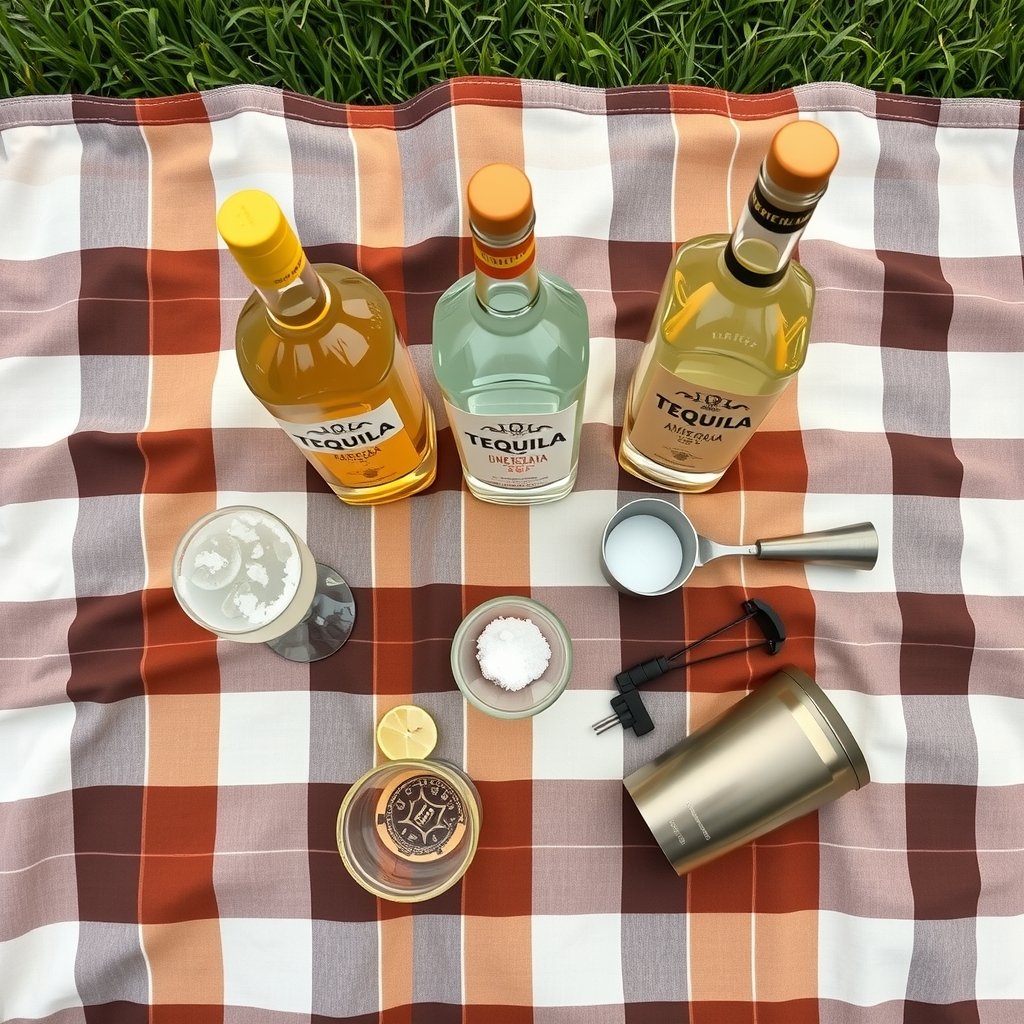
What if the reason your homemade margaritas never taste like the ones at a good bar has nothing to do with your lime-juice-to-syrup ratio and everything to do with the bottle sitting on your counter? That is the uncomfortable truth a lot of home bartenders discover after years of blaming their shaker. The tequila you pour is roughly half the drink, and it decides whether the finished cocktail tastes bright and clean or sweet, muddy, and vaguely like a headache waiting to happen.
The good news is that picking the right bottle is not complicated once you know what to look for. It does not require spending fifty dollars, and it does not require memorizing a hundred brand names. It requires understanding a handful of label terms, a little about how tequila is made, and a realistic sense of what a margarita does to the spirit you put in it. This guide walks through all of it, from the agave field to the salt rim.
Why the Tequila Choice Matters More Than You Think
A margarita is a simple drink. The standard build, as listed by the International Bartenders Association, is tequila, triple sec, and lime juice in roughly a 7:4:3 ratio. That is it. Three ingredients, one of which is tequila. So when a margarita tastes off, the tequila is the first place to look, because it is the largest single component and the one with the most variation between bottles.
Cheap tequila tends to bring two problems to a cocktail. First, it can carry a harsh, solvent-like heat that lime juice does not fully mask. Second, if it is not made from all agave sugar, it can taste thin and sweet in a way that fights the orange liqueur instead of complementing it. A good margarita tequila should taste like cooked agave, with a little pepper and citrus, and it should finish clean rather than cloying.
There is also a practical point that rarely gets mentioned: the margarita is a forgiving format. You do not need a luxury sipping tequila to make a great one. You need a clean, honest, 100% agave bottle, and there are plenty of those at reasonable prices. Spending more than you need to on a cocktail ingredient is one of the most common mistakes people make, and it is entirely avoidable.
The Label Terms That Decide Everything
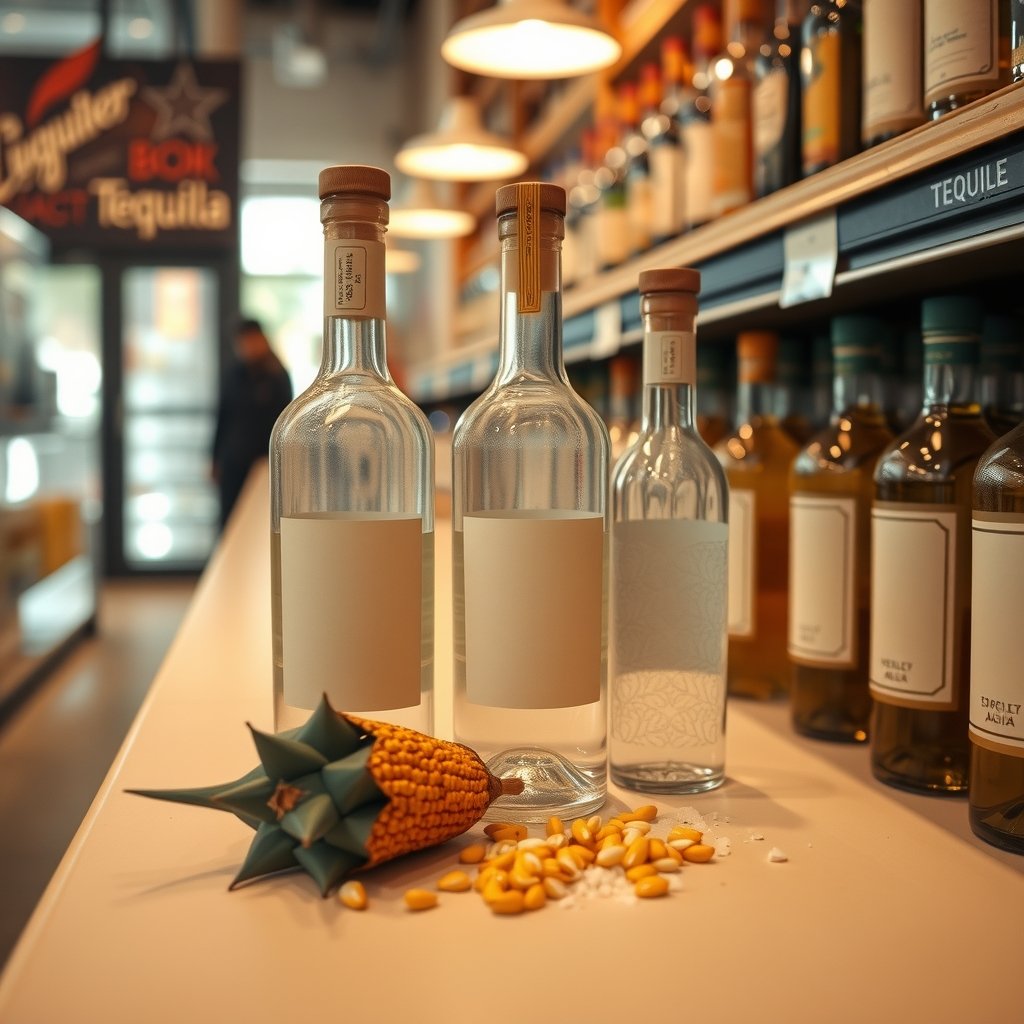
Before naming bottles, it helps to know what the label is actually telling you. Mexican tequila rules are specific, and a few terms carry real weight.
100% de agave versus “mixto”
This is the single most important distinction on any tequila bottle. A bottle labeled 100% de agave must be fermented entirely from blue Weber agave sugars. A bottle labeled simply “tequila,” often called a mixto, may contain up to 49% fermentable sugars from other sources, commonly cane sugar or corn syrup. For margaritas, 100% agave is the standard recommendation, because added sugars can make the drink taste sweet and heavy. If you want to go deeper on what those labels really signal, there is a useful breakdown of what an additive free tequila label really tells you and why some producers are now printing more detail than the law requires.
Blanco, reposado, añejo
Aging categories are set in the Mexican standard NOM-006. Blanco is aged up to about two months, often not at all. Reposado rests in oak for a minimum of two months. Añejo ages at least one year, and extra añejo at least three. For margaritas, blanco is the common pick because its clean agave flavor stands up to lime and orange liqueur without competing. Reposado is a popular alternative when you want a rounder, slightly oaky drink. This is bartender consensus rather than a formal rule, so treat it as a strong starting point, not a law.
Additives and “smoothness”
Many mass-market tequilas add small amounts of sweeteners, glycerin, or oak extract to smooth out rough edges. It works on the palate neat, but in a margarita those additions can read as syrupy. If a tequila tastes oddly sweet and rounded for its price, additives are a reasonable suspicion.
What Makes a Tequila Good for a Margarita
Think of the margarita as a balance test. The drink has acid from lime, sweetness from orange liqueur or syrup, and salt on the rim. The tequila has to sit in the middle of that and hold its own without turning harsh or disappearing.
A margarita-friendly tequila usually has three traits:
- Clear agave flavor. You should taste cooked agave, not alcohol alone.
- Bright citrus and pepper notes. These echo the lime and make the drink taste cohesive.
- A clean, dry finish. Sweetness in the tequila compounds with the liqueur and throws off the balance.
Blanco bottles tend to hit all three. Reposado brings vanilla and oak that can be lovely but can also blur the lime. Añejo is usually wasted in a margarita, because the barrel character you paid for gets buried under citrus.
A Practical Shortlist by Style and Budget
There is no single “best” tequila, because taste is personal and prices vary by market. What follows is a set of reliable directions rather than a ranked list, grouped by what you are trying to achieve.
| Goal | Style to choose | What to look for on the label | Typical price band |
|---|---|---|---|
| Classic, bright margarita | Blanco | 100% de agave, no additives | Low to mid |
| Rounder, slightly richer drink | Reposado | 100% de agave, short oak aging | Mid |
| Party batch on a budget | Blanco | 100% de agave, value brand | Low |
| Upgraded sipping-grade cocktail | Blanco or reposado | 100% de agave, single estate | Mid to high |
Value brands deserve a specific mention, because this is where most home bartenders should start. A well-made budget blanco is the sweet spot for margaritas. One example worth understanding is the Lunazul tequila value brand that takes agave seriously, which shows that low price and real agave flavor are not mutually exclusive. If you are shopping at the bottom of the shelf, it also helps to know what you actually get from a cheap tequila you actually get budget bottle, because the category is uneven and some bottles are far better than their price suggests.
On the other end, brands with heavy marketing sometimes charge a premium for a bottle that performs no better in a cocktail than a mid-priced one. Knowing what is actually in the bottle matters more than the label’s reputation, which is why a closer look at what a Centenario tequila whats actually bottle reveals can be more useful than any ranking.
Common Mistakes That Ruin a Good Bottle
Even a solid tequila can produce a disappointing margarita if a few easy errors creep in. These come up again and again.
Using a mixto without realizing it. The label says “tequila,” not “100% de agave,” and the drink tastes thin and sweet. Always check the fine print.
Reaching for the añejo. Barrel aging is expensive, and citrus buries it. Save the aged bottle for sipping.
Over-sweetening. Triple sec is already sweet. If the tequila is sweet too, the drink turns into candy. Cut back on syrup and let the agave speak.
Skipping fresh lime. Bottled lime juice is a different product. Fresh juice is the difference between a margarita and a sour mix.
Serving it warm. A margarita should be cold, and the tequila should be chilled or at least not stored next to the stove. Warm spirits taste hotter and harsher.
Not tasting the tequila first. Pour a small amount neat before you commit a bottle to a batch. If it tastes harsh or artificially sweet on its own, it will taste that way in the drink.
How to Taste Before You Commit
A quick neat taste is the most reliable test you can run, and it takes thirty seconds. Pour a small measure into a glass, let it sit for a minute, and smell it. You are looking for cooked agave, a little citrus, maybe some pepper or mineral notes. Then taste a small sip. It should feel clean going down, not burning or coated.
If you want a slightly more structured comparison, line up two or three blancos and taste them side by side. The differences become obvious fast, and you will learn your own preferences better than any review can teach you. This is also how you discover that a bottle you dismissed as “too harsh” neat might actually be excellent in a cocktail, or the reverse.
Matching the Tequila to the Margarita Style
Not every margarita is the same drink, and the tequila should follow the recipe.
A classic margarita with triple sec and fresh lime wants a bright blanco. The clean agave flavor is the point.
A Cadillac margarita, which swaps in a premium orange liqueur and often a float of aged tequila, can handle a richer spirit. If you are going to spend more, this is the format that rewards it, and a look at what makes a Cadillac margarita cocktail makes it worth upgrade explains where the extra money actually goes.
A frozen or blended margarita is more forgiving because the dilution and texture soften harsh edges, but it still benefits from 100% agave. A batched party margarita should use a value blanco, because you are pouring volume and the mixer will carry some of the load.
A spicy margarita with jalapeño or chili tincture works best with a blanco that has some pepper of its own. Reposado can clash with the heat.
What About Additives and “Clean” Tequila?
The additive question has become a real consumer issue. Tequila rules allow small amounts of certain additives in some categories, and producers are not always required to disclose them. For margarita drinkers, the practical takeaway is simple: if a bottle tastes unusually sweet or smooth for its price, additives are a likely reason, and that sweetness will show up in the cocktail.
Some brands now market themselves as additive-free, which is a meaningful claim when it is accurate. But the term is not tightly policed in every market, so it pays to read carefully rather than trusting a sticker. A bottle that tastes like agave and nothing else is doing what you want, whatever the label says.
Does Price Predict Quality?
Only loosely. The agave plant takes roughly six to eight years to mature, and prices for blue Weber agave have swung widely across past cycles, which pushes bottle prices around in ways that have little to do with quality. A shortage year can make a mediocre bottle expensive, and an oversupply year can make a good one cheap.
That is why the most useful skill is reading the label and tasting, not memorizing price tiers. A mid-priced 100% agave blanco from a producer that farms its own agave is usually a better margarita buy than a premium bottle built on marketing.
Conclusion
The best tequila for a margarita is not the most expensive one or the most famous one. It is a 100% de agave blanco with clean agave flavor, bright citrus notes, and a dry finish, chosen with the drink in mind rather than the shelf talker. Reposado works when you want a rounder cocktail, and añejo is better saved for sipping. Check the label for the 100% agave line, taste before you commit a bottle to a batch, use fresh lime, and do not over-sweeten. Do those things and the margarita stops being a gamble and starts being reliable, which is really all anyone wants from a cocktail they make at home.
FAQ
What is the best type of tequila for a margarita?
A blanco made from 100% de agave is the most common choice, because its clean agave flavor stands up to lime and orange liqueur without competing. Reposado is a fine alternative if you prefer a rounder, slightly oaky drink. Añejo is usually too barrel-forward for a cocktail and is better saved for sipping.
Is 100% agave tequila worth it for mixed drinks?
Yes, for most people. A mixto can contain up to 49% fermentable sugars from sources other than agave, which often makes a margarita taste thin and sweet. A 100% agave bottle delivers clearer agave flavor and a cleaner finish, and plenty of them are affordable.
Should I use reposado or blanco in a margarita?
Blanco is the standard pick because it is bright and lets the lime lead. Reposado brings vanilla and oak that can be pleasant but can also blur the citrus. If you like a richer, softer margarita, try reposado; if you want the classic profile, stay with blanco.
How much should I spend on tequila for margaritas?
You do not need to spend much. A well-made value blanco is the sweet spot for most home bartenders, because the cocktail format is forgiving and the mixer carries part of the load. Price and quality only loosely track each other, especially given how agave prices swing.
Does the tequila really change the taste of a margarita?
It is the largest single ingredient, so yes. The tequila decides whether the drink tastes bright and clean or sweet and harsh. A quick neat taste before you commit a bottle to a batch will tell you most of what you need to know.
What is the standard margarita ratio?
The International Bartenders Association lists tequila, triple sec, and lime juice at roughly 7:4:3, or 50 ml, 20 ml, and 15 ml. Treat that as a starting point and adjust for the sweetness of your liqueur and the acidity of your limes.














