


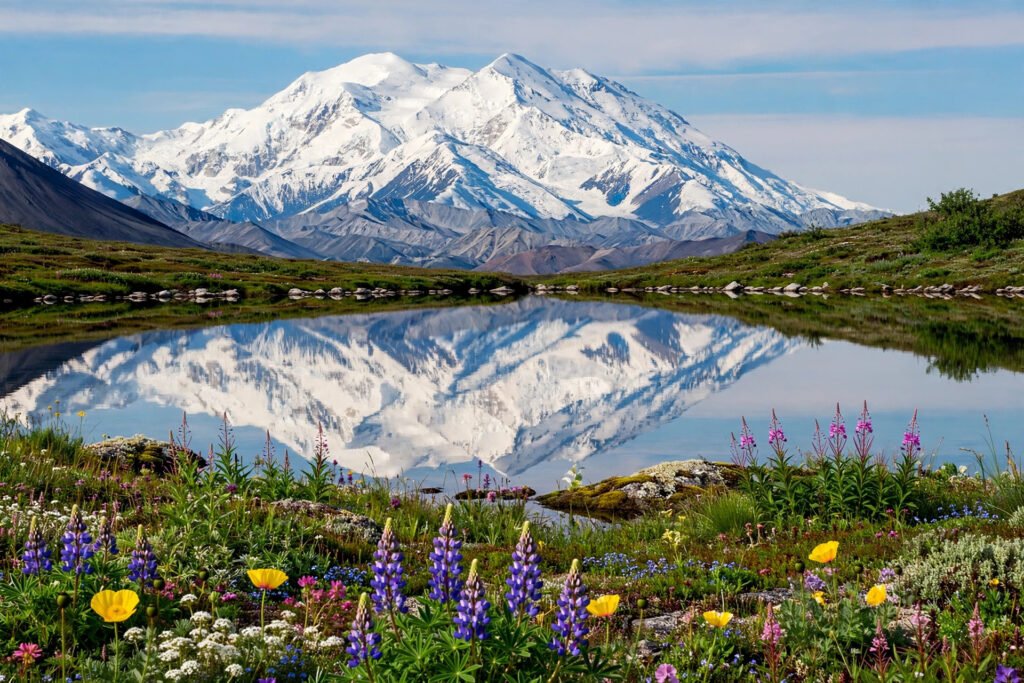
Short answer: The best time to visit Alaska is mid-May to mid-September, when days are long, the weather is warmest, cruises and tours are running, and wildlife is active. June to August is the true peak, with the highest crowds and prices. May and September are the best-value shoulder months — fewer people, lower prices, and September adds fall colour and the return of the northern lights. For the aurora, come between late August and late April, with December to March offering the longest, darkest nights. Below is the full month-by-month breakdown.
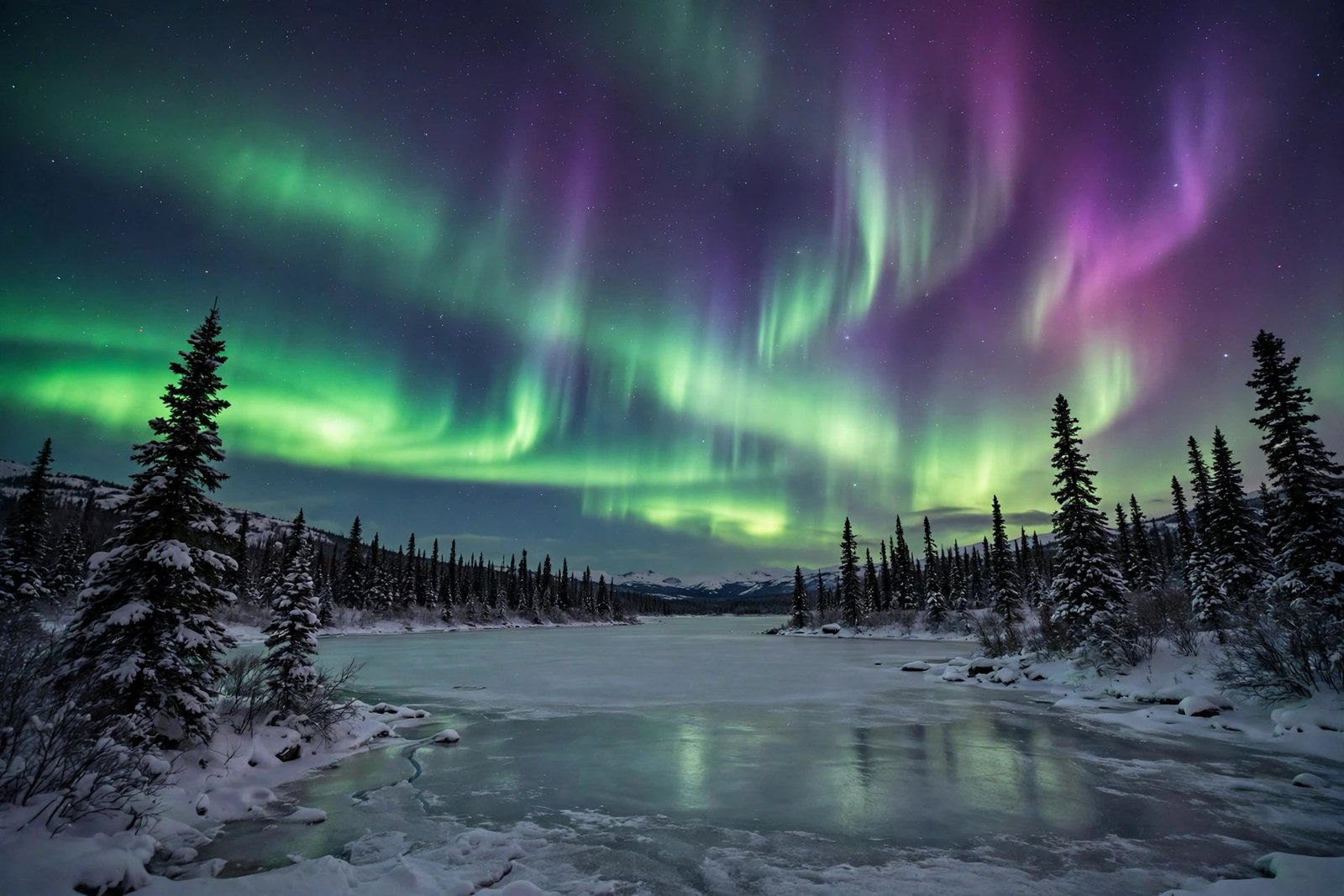
1. January–February — Deep Winter and the Northern Lights
Winter in Alaska is cold, dark and quiet — and that is exactly the point for aurora hunters. Anchorage averages a daytime high of around -5°C (23°F) in January, while Fairbanks often stays below -18°C (0°F). Daylight is short: on the winter solstice, Anchorage gets about 5.5 hours of sun (sunrise 10:14 am, sunset 3:41 pm), Fairbanks just 3 hours 42 minutes, and Utqiaġvik, on the Arctic coast, sees no sunrise at all from late November to late January. Most tourist services are closed, but Fairbanks is one of the best places to see the aurora in Alaska — it sits almost directly under the auroral oval, and the long nights give you the most hours of darkness. Best for: the northern lights, dog sledding and winter festivals, including Anchorage’s Fur Rendezvous in February.
2. March — Spring Aurora and the Iditarod
March is the best winter month to visit Alaska. Days are longer and brighter — Anchorage gains five to seven minutes of daylight a day around the equinox — yet the nights are still dark enough for the aurora, and the odds of seeing it are roughly twice as high around the March equinox as at the solstices. The famous Iditarod sled-dog race starts in Anchorage in early March, and winter sports are at their peak. Anchorage highs average around 1°C (34°F). Best for: aurora viewing with milder cold than midwinter, the Iditarod, and late-season skiing.
3. April — Breakup, the Month to Skip
April is Alaska’s in-between month, and the hardest one to recommend. Snow melts, roads and trails turn muddy, winter operations wind down and summer ones have not yet opened. Anchorage highs average around 7°C (44°F), with daylight growing fast to 14–16 hours, but most lodges, glacier tours and park shuttles are still closed. The first cruise ships appear only at the very end of the month. Best for: almost nobody — unless you want the cheapest, quietest Alaska possible and do not mind limited services.
4. May — The Shoulder Season Begins
May is one of the best-value months to visit Alaska. It is one of the driest months of the year, days are already long (16–19 hours), and summer services start opening through the month — Denali’s bus season begins on 20 May, and the first cruise ships arrive in late April and early May. Anchorage highs average around 13°C (56°F). Wildlife wakes up: bears emerge, migratory birds arrive, and calves are born. Early May is still half-closed, so aim for the second half of the month. Best for: budget travellers, birdwatching, and the year’s driest weather.
5. June — The Midnight Sun
June brings the longest days of the year. On the summer solstice, Anchorage gets about 19.5 hours of daylight (sunrise 4:20 am, sunset 11:42 pm), Fairbanks gets 21 hours 50 minutes, and in Utqiaġvik the sun does not set at all from around 10 May to 2 August. Everything is open, trails are drying out, and wildlife is active — though mosquitoes are at their worst, so bring repellent. Anchorage highs average around 17°C (63°F), and the interior can reach 26°C (79°F). Best for: hiking, the midnight sun, and the classic Alaska summer, before the July crowds peak.
6. July — Peak Everything
July is the warmest, busiest and most expensive month in Alaska. Anchorage highs average around 18°C (65°F), salmon runs draw bears to the rivers, wildflowers cover the tundra, and every tour, lodge and cruise is running. It is also the best month for bear viewing: at Brooks Falls in Katmai National Park, the first sockeye salmon run arrives in late June, and mid-July typically brings the largest number of bears to the river — though the viewing platform wait can exceed an hour. Glacier Bay’s humpback whales peak in July and August. Best for: bear viewing, salmon fishing, whale watching and first-time visitors who want everything open. Book marquee lodges and bear-viewing flights months ahead.
7. August — Wildlife, Whales and Fading Bugs
August is the quieter half of peak season. Temperatures stay mild (Anchorage highs around 17°C / 63°F), rainfall picks up on the coast, and the tundra begins turning gold and red. Mosquitoes fade, humpback whales are still at their peak in Glacier Bay, and the second half of the month brings the first real darkness — the aurora becomes visible again from about 21 August. Best for: travellers who want peak wildlife without peak crowds, and photographers chasing the first fall colours.
8. September — Fall Colour and the Aurora Returns
September is the best-value month in Alaska. Fall colour blazes across the tundra, crowds thin out, prices drop, and the northern lights return in earnest — the weeks around the September equinox are statistically among the best of the year for aurora activity. Anchorage highs average around 13°C (55°F), with about 12–16 hours of daylight. It is also the second prime window for bear viewing at Brooks Falls, as bears return to feed on spawned-out salmon before hibernation — though Brooks Lodge closes around 18 September and many tours wind down through the month. Best for: fall colour, the northern lights, bear viewing and the best prices of the open season.
9. October — The Last Light Before Winter
October is the end of the line for most Alaska travel. Summer services have closed, Denali’s park road shuts to vehicles once snow arrives (usually by 15 October), and daylight shrinks below 11 hours. The last cruise ships leave in early October — in 2026 the final large ship called at Ketchikan on 9 October. Nights are dark enough for the aurora, and the autumn scenery can be superb, but most of tourist Alaska is effectively shut. Best for: aurora chasers on a budget and travellers who do not mind travelling independently.
10. November–December — Winter Returns
By November, Alaska is back in deep winter. Daylight in Anchorage falls to around 6–7 hours, snow covers the ground, and the winter-sports season begins. The aurora season is in full swing — December to March are the peak months in Fairbanks, with the longest nights of the year — and solar activity remains elevated after the 2024–2025 solar maximum, so displays have been more frequent than average. Best for: the northern lights, skiing, dog sledding and a quiet, snowy Christmas.
How to Choose the Best Time to Visit Alaska
- Best overall trip? Mid-June to mid-July, for the longest days, the driest trails and all services running — but book early and expect peak prices.
- Best value? Late May or September. May is the driest month and September adds fall colour and the aurora, both with lower prices and thinner crowds.
- Northern lights? Late August to late April, with the best odds in December to March and around the March and September equinoxes. The prime viewing hours are roughly 9 pm to 3 am, and Fairbanks is the best base.
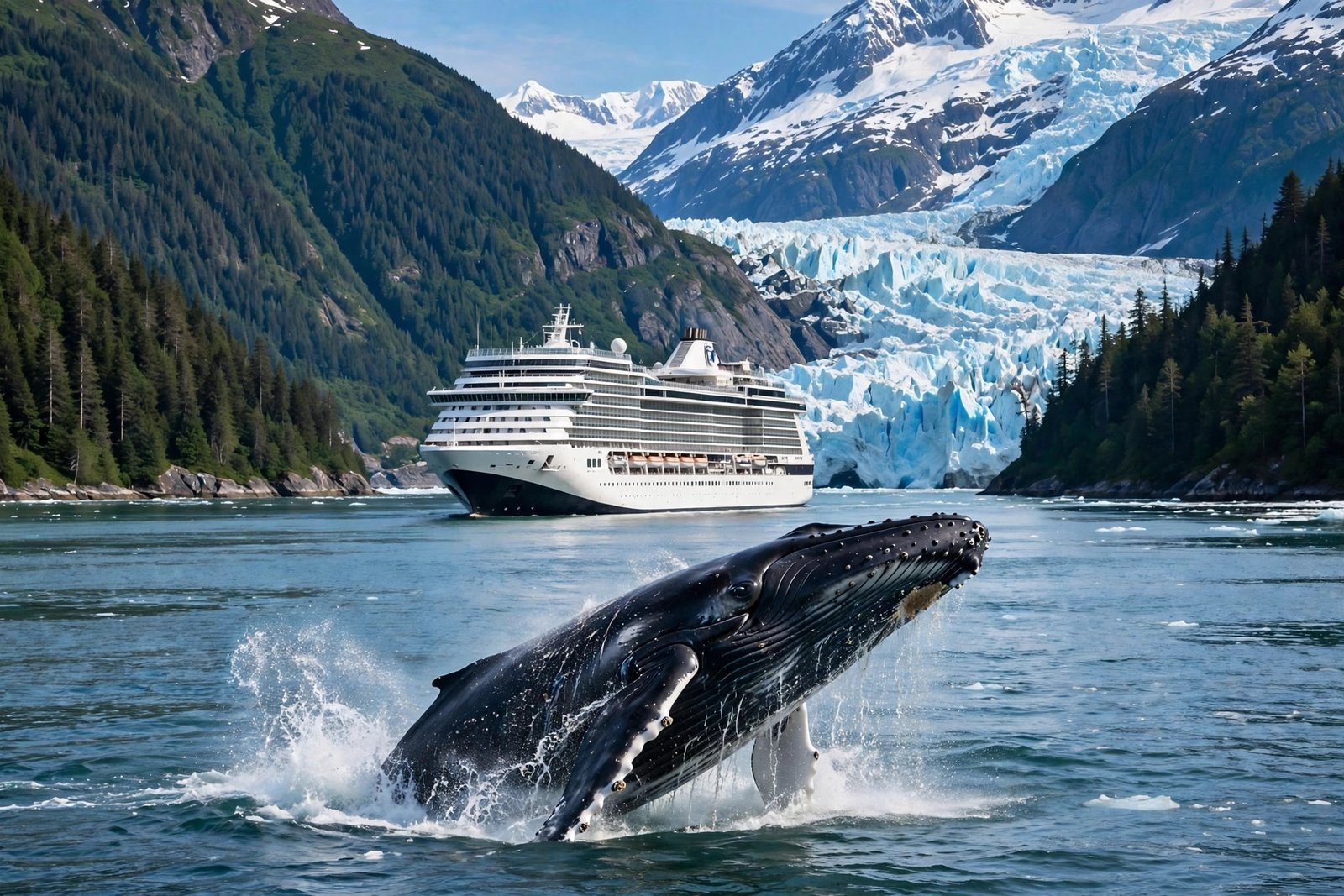
- Cruises? The main season runs May to September, with the first large ships arriving in late April and the last leaving in early October. Seven-night fares start from roughly $650–$1,200 per person in May and September, and run higher in July and August.
- Bear viewing? Late June to July at Brooks Falls for the salmon run, or September for big, fat bears feeding before hibernation.
- Denali? Go between 20 May and mid-September, when the park buses run. Denali is one of the best national parks in the USA to visit. In 2026, transit buses ran to East Fork (Mile 43) for $33.50 per adult, and bus service further into the park is planned to resume in phases from 2027.
- Want to avoid the crowds? Skip July. May, late August and September give you nearly the same Alaska with far fewer people.
FAQs
When is the best time to visit Alaska?
Mid-May to mid-September is the best time for most travellers: long daylight, the warmest weather, and all cruises, tours and lodges running. June to August is peak season; May and September are the best-value shoulder months. For the northern lights, visit between late August and late April instead.
What is the best month to visit Alaska?
July is the warmest and most wildlife-active month, with peak salmon runs and bear viewing — but also the busiest and most expensive. June is the best all-rounder, with the longest days and slightly fewer crowds. September is the best month for value, fall colour and the northern lights.
When can you see the northern lights in Alaska?
From about 21 August to 21 April around Fairbanks, when the sky gets dark enough. December to March are the peak months, the best hours are roughly 9 pm to 3 am, and your odds are roughly twice as high around the March and September equinoxes. Fairbanks, under the auroral oval, is the best base.
When is Alaska cruise season?
The main Alaska cruise season runs from May to September, with a few sailings in late April and early October. In 2026 the first large ship reached Ketchikan on 21 April and the last left on 9 October. June to August is peak season; May and September are cheaper and quieter.
How many hours of daylight does Alaska get in summer?
On the summer solstice, Anchorage gets about 19.5 hours of daylight and Fairbanks gets 21 hours 50 minutes. In Utqiaġvik, the sun does not set at all from around 10 May to 2 August. In winter, Anchorage gets only about 5.5 hours of daylight on the shortest day.
Sources
- Travel Alaska (Alaska State Tourism) — northern lights season, late August to late April — alaska.life
- University of Alaska Fairbanks Geophysical Institute — aurora season 21 August to 21 April, best hours 9 pm to 3 am — alaska.life
- U.S. National Park Service, Denali operating hours and seasons — nps.gov
- U.S. National Park Service, Bear Viewing at Brooks Camp, Katmai — nps.gov
- NOAA solar data via Time for Views — Alaska daylight hours by month — timeforviews.com
- JourneyFinder, “Best Time to Visit Alaska (2026): Month-by-Month Guide” — journeyfinder.net
- Best Times to Travel, “Best Time to Visit Alaska” — besttimestotravel.com
- CruiseKick, “Best Time to Cruise Alaska” — cruisekick.com
- AFAR, “When, Where, and How to See the Northern Lights in Alaska” — afar.com









