Best Titanium Nose Hoops 2027
A titanium nose hoop is the quiet workhorse of nose jewellery. It is light, strong, and kind to sensitive skin, which is why so many people who cannot wear other metals end up here. Titanium is also the metal piercers reach for when a fresh piercing needs something that will not react, and that same reliability carries over once the piercing is healed and you want a hoop you can wear every day without thinking about it.
The trouble is that not all titanium hoops are equal. Some are implant-grade and precisely made, while others are cheap alloy blends sold under a titanium name, with rough joins and clasps that catch.
Below are nine titanium nose hoops worth considering in 2027, from a classic seamless ring to a black anodised hoop and a slim stacking piece. Each one is described by what it does well, what to watch for, and who it suits best, so you can choose with your nose in mind, not just a product photo.
Key takeaways
- Implant-grade titanium (ASTM F-136) is the safest choice for sensitive skin and fresh piercings, and it is the standard to look for on the label.
- Gauge and diameter matter more than style: a hoop that is too tight pinches, one that is too loose catches, and either one irritates a piercing.
- Seamless and hinged hoops are the easiest to wear daily, while captive bead rings suit people who like a visible, secure closure.
- Titanium can be anodised in colours such as gold, rose gold, blue and black without plating, so the colour will not flake off.
- No hoop suits a fresh or irritated piercing, and a hoop that hurts, smells, or will not sit straight should be removed and checked, not pushed through.
What titanium nose hoops actually are
A titanium nose hoop is a circular ring made from titanium, worn through a nostril piercing. Most are made from implant-grade titanium, the same material used in medical implants, because it is biocompatible, which means the body rarely reacts to it. It is also naturally resistant to corrosion, so it does not tarnish the way silver can, and it does not turn skin green the way cheap copper alloys sometimes do.
Titanium is also remarkably light for its strength. A hoop that looks substantial on the nose can feel almost weightless, which matters when you wear jewellery all day. It holds a polish well, it can be anodised into a range of colours, and it is strong enough to keep its shape in thin gauges where softer metals would bend. That combination is why it has become the default recommendation for people with metal sensitivities, and for anyone who wants a hoop that simply stays out of the way.
The main thing to understand is the grading. Implant-grade titanium is labelled ASTM F-136 or Grade 23. Commercially pure titanium, labelled Grade 1 or Grade 2, is also good quality and widely used in body jewellery. What you want to avoid is a hoop that just says “titanium” with no grade, no gauge, and no maker, because that is often a mystery alloy with a titanium-coloured coating rather than solid titanium.
How we chose these titanium nose hoops and what to look for
Look first at the grade and the gauge. Implant-grade titanium, ASTM F-136, is the safest bet, and a gauge of 20 or 18 is the usual range for a nostril piercing. If you do not know your gauge, check with your piercer before ordering, because a hoop in the wrong gauge will either slip through too loosely or refuse to sit properly. Diameter is the other number that matters: measure the distance from your piercing to the edge of your nostril, and add a millimetre or two for comfort.
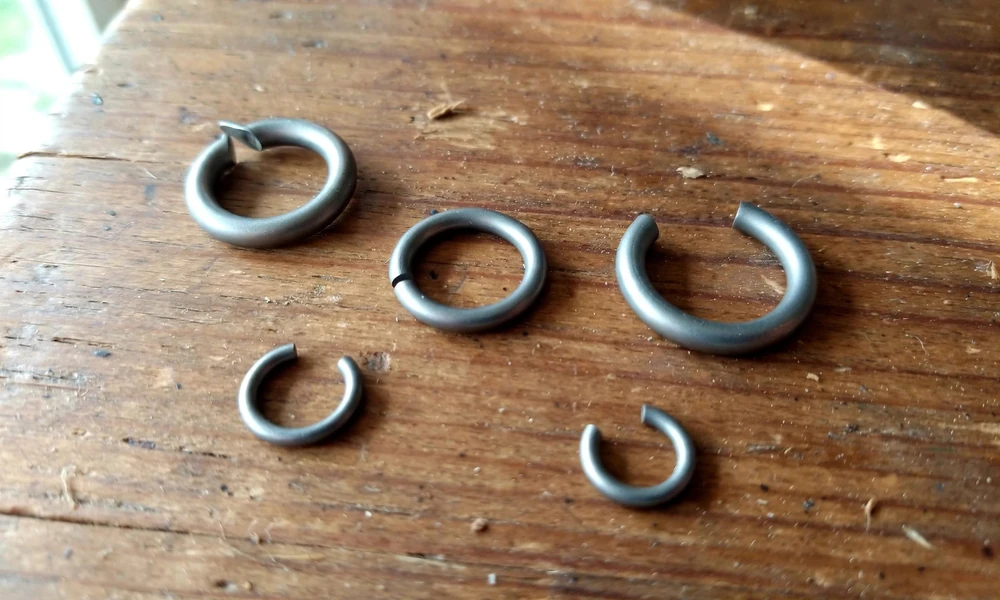
Look next at the closure. A seamless hoop has no visible join and slides through the piercing with nothing to catch. A hinged hoop opens and closes on a small hinge, which makes it easy to put in and take out without tools. A captive bead ring holds a small bead in place with tension, which looks decorative but can be fiddly to open. For daily wear, a seamless or hinged closure is usually the easiest to live with. A guide to gold jewellery for everyday wear makes a similar point about closures, because the best piece is the one you can put on without a struggle.
Finally, look at the finish. A mirror polish is smooth against skin and easy to clean. A brushed or matte finish hides scratches better but can feel slightly rougher on a healing piercing. Anodised colours are a real advantage of titanium, since the colour is part of the metal surface rather than a coating, so it will not peel. Check that the seller names the grade, the gauge, and the diameter in plain numbers before you buy.
The 9 best titanium nose hoops of 2027
The Classic Polished Titanium Hoop
What we like: A mirror-polished seamless hoop in implant-grade titanium, smooth, light, and easy to wear every day. What to consider: The plain finish shows every fingerprint and scratch, and it can look plainer than a decorative hoop. Best for: Everyday wear and sensitive skin. Material: Implant-grade titanium, ASTM F-136. Price range: £10 to £25. Standout feature: A flawless mirror polish that is gentle on healed piercings.
This is the hoop to buy first if you are new to titanium. It does nothing flashy, and that is the point. It sits quietly, it does not irritate, and it goes with everything.
The Brushed Titanium Hoop
What we like: A soft brushed finish that hides scratches and gives the hoop a calm, modern look. What to consider: The matte surface can feel slightly less smooth than a mirror polish on a sensitive piercing. Best for: People who want a subtle, understated hoop. Material: Implant-grade titanium, ASTM F-136. Price range: £12 to £28. Standout feature: A brushed finish that stays looking new for longer.
The brushed finish is a practical choice rather than a decorative one. It does not catch the light as much, which suits people who prefer jewellery that whispers rather than shouts.
The Titanium and Diamond Accent Hoop
What we like: A small cubic zirconia set into the front of the hoop, adding a point of sparkle without adding weight. What to consider: The stone setting needs occasional cleaning, and a prong setting can catch on fabric. Best for: Evenings and occasions when you want a little shine. Material: Implant-grade titanium with a cubic zirconia. Price range: £20 to £45. Standout feature: A single sparkling stone set flush into the hoop.
One small stone is enough. It catches the light when you turn your head, and the titanium keeps the whole piece light enough to forget you are wearing it.
The Black Titanium Hoop
What we like: A deep black anodised finish that looks sharp against every skin tone and never flakes, because the colour is in the metal itself. What to consider: Black can look severe in a large diameter, and the colour may vary slightly between makers. Best for: A bold, modern look. Material: Anodised implant-grade titanium. Price range: £15 to £35. Standout feature: A rich black anodised finish with no plating to wear off.
Black titanium is one of the best arguments for the metal, because no other common jewellery metal holds a black finish this well. It stays dark, it stays smooth, and it suits a minimal wardrobe.
The Titanium Adjustable Hoop
What we like: A slightly open hoop that can be gently adjusted for fit, useful if you are between sizes or your piercing sits at an awkward angle. What to consider: It needs careful handling to avoid bending, and it is not the best choice for a fresh piercing. Best for: People who struggle with standard diameters. Material: Implant-grade titanium, ASTM F-136. Price range: £12 to £30. Standout feature: A flexible fit that adapts to your nostril shape.
Adjustable does not mean flimsy. A well-made adjustable hoop holds its shape once set, and it is a forgiving option if you are unsure of your exact diameter.
The Anodised Blue Titanium Hoop
What we like: A vivid blue anodised finish, unique to titanium, that adds colour without any coating or plating. What to consider: The blue is bold, so it suits confident styling more than quiet everyday looks. Best for: Adding a pop of colour to a simple outfit. Material: Anodised implant-grade titanium. Price range: £15 to £35. Standout feature: A bright blue colour that only anodised titanium can produce.
Blue is the colour that shows off what titanium can do. It is not painted on, so it will not chip, and it stays bright for years with basic care.
The Slim Titanium Hoop
What we like: A fine, delicate hoop in a thin gauge that looks light and elegant on the nose. What to consider: Thin hoops bend more easily and can be tricky to put in without a tool. Best for: A minimal, barely-there look. Material: Implant-grade titanium, ASTM F-136. Price range: £10 to £25. Standout feature: A fine profile that reads as jewellery, not hardware.
The slim hoop is the one to choose when you want the piercing to be the point, not the metal. It is quiet, it is light, and it works with almost any outfit.
The Titanium and Gold Two-Tone Hoop
What we like: A titanium hoop anodised in gold, giving a warm gold look with titanium’s light weight and skin-friendly properties. What to consider: The gold tone is an anodised colour, not real gold, so it will not match solid gold jewellery exactly. Best for: People who love gold but need titanium. Material: Gold-anodised implant-grade titanium. Price range: £15 to £35. Standout feature: A warm gold tone on a hypoallergenic titanium base.
This is a clever compromise. You get the look of gold with the comfort of titanium, and the anodised colour is far more durable than gold plating on a cheaper base metal.
The Tiny Titanium Hoop
What we like: A small-diameter hoop that hugs the nostril closely for a neat, tidy look. What to consider: A tight fit leaves little room for swelling, so it suits fully healed piercings only. Best for: A close, discreet fit. Material: Implant-grade titanium, ASTM F-136. Price range: £10 to £25. Standout feature: A snug fit that sits flush against the nostril.
The tiny hoop rewards patience. Once your piercing is fully healed, it sits so close that it almost disappears, leaving just a clean circle of metal.
Which titanium nose hoop is right for you
Start with your piercing, not the style. If your piercing is fully healed and you know your gauge and diameter, a seamless hoop in a mirror polish is the safest first buy. If your skin reacts to most metals, stick to implant-grade titanium and avoid anything that does not name its grade. A guide to the best nose hoops for women covers the same fitting questions in more detail, because the right diameter matters more than the right design.
Then think about how you will wear it. For daily wear, a plain polished or brushed hoop is the easiest to live with, because it does not catch on scarves, masks, or pillowcases. For evenings, a diamond accent or a black anodised hoop adds interest without changing the fit. For colour, anodised blue or gold gives you options no other metal offers at this price, and the colour will not flake.
Finally, be honest about your patience. A slim or tiny hoop looks beautiful but needs a steady hand to put in. A hinged hoop is far more forgiving. If you change your jewellery often, choose a closure you can manage without tools and without a struggle.
The caveats that matter
Titanium is one of the safest metals for nose jewellery, but it is not magic. A hoop in the wrong gauge can irritate a piercing just as badly as a cheap alloy, and a hoop that is too tight can put pressure on the tissue and cause a bump. Fit matters more than metal, and a good piercer is worth consulting if you are unsure of your size.
| Detail | What is known |
|---|---|
| Best grade to look for | Implant-grade titanium, ASTM F-136, or commercially pure Grade 1 or 2 |
| Usual gauge for nostrils | 20 or 18 gauge; check with your piercer if unsure |
| Why it suits sensitive skin | Biocompatible and nickel-free, so reactions are rare |
| Anodised colours | Gold, rose gold, blue, purple and black, with no plating to flake |
| Weight | Very light for its strength, comfortable for all-day wear |
| Who should avoid it | Anyone with a fresh, irritated or infected piercing should wait |
| Cleaning | Warm water and mild soap, or a saline rinse; dry before storing |
| What it does not do | It does not heal a piercing, and it cannot fix a wrong gauge or diameter |
If you are pregnant, breastfeeding, or taking medication that affects healing, check with your clinician or piercer before changing jewellery. A hoop is a small piece of metal, but it sits in living tissue, and a quick professional check is cheaper than weeks of irritation.
Checklist: buying a titanium nose hoop honestly
Use these checks before you buy, and again when the hoop arrives.
- Check the grade: look for ASTM F-136 or Grade 23 on the listing, not just the word titanium.
- Check the gauge: confirm 20 or 18 gauge matches your piercing, or ask your piercer first.
- Check the diameter: measure from your piercing to the edge of your nostril and add a millimetre or two.
- Check the closure: choose seamless or hinged for daily wear, and avoid closures you cannot open and close yourself.
- Check the finish: a smooth polish is kindest to skin; anodised colour should be even, with no patchy spots.
- Check the return policy: buy from a seller who accepts returns, so a wrong size is a swap, not a loss.
Frequently asked questions
Is titanium safe for a nose piercing?
Yes. Implant-grade titanium is the metal most piercers recommend, because it is biocompatible and nickel-free. Reactions are rare, and it is the usual choice for a fresh piercing as well as for healed ones.
What gauge should I choose for a titanium nose hoop?
Most nostril piercings are 20 or 18 gauge. If you do not know yours, ask your piercer or check the jewellery you already wear. A hoop in the wrong gauge will not sit properly, however good the metal is.
Can I wear a titanium nose hoop in a fresh piercing?
Only if your piercer fits it. A hoop can move more than a stud, which can slow healing, so many piercers prefer a stud at first and switch to a hoop once the piercing is settled. Do not swap jewellery in a fresh piercing without professional advice.
Does anodised titanium colour wear off?
No, not in the way plating does. Anodising changes the surface of the metal itself, so the colour is part of the titanium. It can fade very slightly over years of wear, but it will not flake or peel.
How do I clean a titanium nose hoop?
Warm water and mild soap, rinsed well, is enough for daily care. A saline rinse is useful after swimming or sweating. Avoid harsh chemicals and abrasive cloths, which can dull a polished finish.
Can I wear a titanium nose hoop if I am allergic to other metals?
Usually yes. Titanium contains no nickel, which is the most common cause of metal allergy in jewellery. If you have had reactions before, our guide to titanium nose cuffs explains the same skin-friendly properties in more detail, and a patch test with a piercer is still a sensible first step.
The bottom line
The best titanium nose hoop in 2027 is the one that fits your piercing, names its grade, and suits how you actually live. For most people, that is a seamless hoop in implant-grade titanium, in the right gauge and diameter, with a mirror polish or a soft brushed finish. It is light, it is kind to skin, and it does not demand attention.
Choose one hoop, wear it for a few weeks, and judge it on comfort, not on how it looks in a photo. If it sits quietly, does not irritate, and still looks good after a month of daily wear, you have found the right one. That is the honest test for any piece of nose jewellery.