A winter scarf is the hardest-working accessory in a cold-weather wardrobe. It is the first thing you reach for on a freezing morning, the last layer you take off indoors, and the one piece that can make an old coat look new again. The problem is not finding a scarf. It is finding one that is actually warm, that does not pill after a week, that stays put instead of slipping, and that suits the coat you already own.
That is why this guide is organised by warmth and fabric, not just by colour or brand. A chunky wool knit can be wonderfully warm and hopelessly itchy. A cashmere wrap can feel like a blanket and cost as much as a coat. A fleece-lined infinity scarf can be the warmest thing you own and the hardest to style. The right choice depends on how cold your winters are, how you wear your coat, and whether you want a scarf that makes a statement or one that quietly does its job.
Below are nine winter scarves worth considering in 2027, from a classic cashmere wrap to a quilted puffer scarf built for real cold. Each one is described by what it is good at, what to watch for, and who it suits best, so you can choose with your winter in mind, not just a shop window.
Key takeaways
- Wool, cashmere, merino and alpaca are the warmest winter scarf fabrics, and a blend is often warmer and tougher than a single fibre alone.
- A larger scarf is more versatile in winter, because it can be wrapped twice, worn as a shawl, or pulled up over your chin on a cold walk.
- Check the fabric content on the label, not just the feel: a scarf described as cashmere should say so, and a very cheap one is rarely pure cashmere.
- Match the scarf to your coat: chunky knits suit long wool coats, while a slim wrap works better under a tailored coat that fastens at the neck.
- No scarf makes a thin coat warm on its own, and a scarf that pills, sheds, or slips constantly is a poor buy at any price.
What a winter scarf actually does for you
A winter scarf does three jobs at once. It traps warm air around your neck and chest, which is where you lose heat fastest on a cold day. It closes the gap between your coat collar and your chin, so wind cannot get in. And it adds colour, texture and shape to an outfit that might otherwise be one dark coat after another. A good one does all three without needing to be adjusted every ten minutes.
Warmth comes mostly from the fabric and the size. Wool and cashmere trap air in their fibres, which is what keeps you warm, and a larger scarf traps more of it. A thin, flat scarf can look elegant, but it will not keep you warm on a freezing morning. A thick, loosely knitted scarf looks bulky, but it is the one you will reach for when the temperature drops below zero. That trade-off is the heart of choosing well.
The other thing a winter scarf does is protect the rest of your outfit. It sits between your coat and your skin, so it takes the wear that would otherwise go to your collar and your neckline. It also takes the makeup, the moisturiser and the perfume that would otherwise mark your coat. A scarf you can wash, or at least clean easily, will last far longer than one that needs a dry cleaner every month.
How we chose these scarves and what to look for
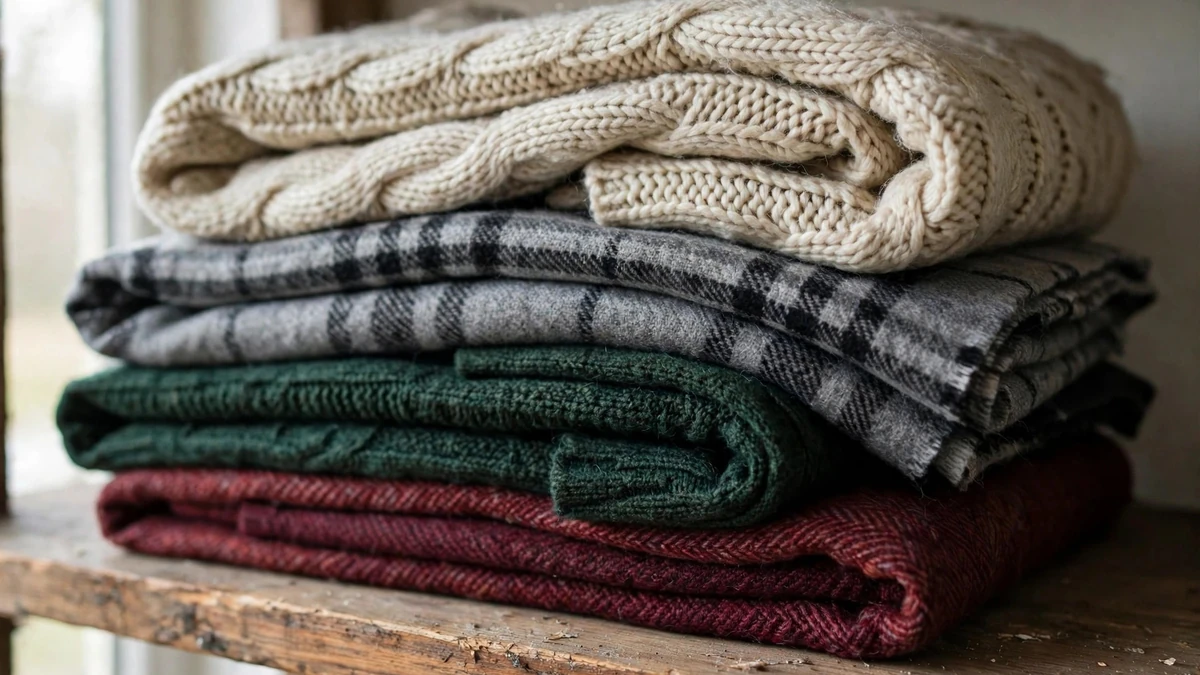
Look first at the fabric content. Pure wool is warm and hard-wearing. Cashmere is warmer for its weight and softer against the skin, but it needs more care. Merino wool is soft, breathable and less itchy than ordinary wool. Alpaca is very warm and light, and it rarely pills. A blend, such as wool and cashmere, or wool and alpaca, often gives you the best of both: warmth, softness and a price that is easier to live with.
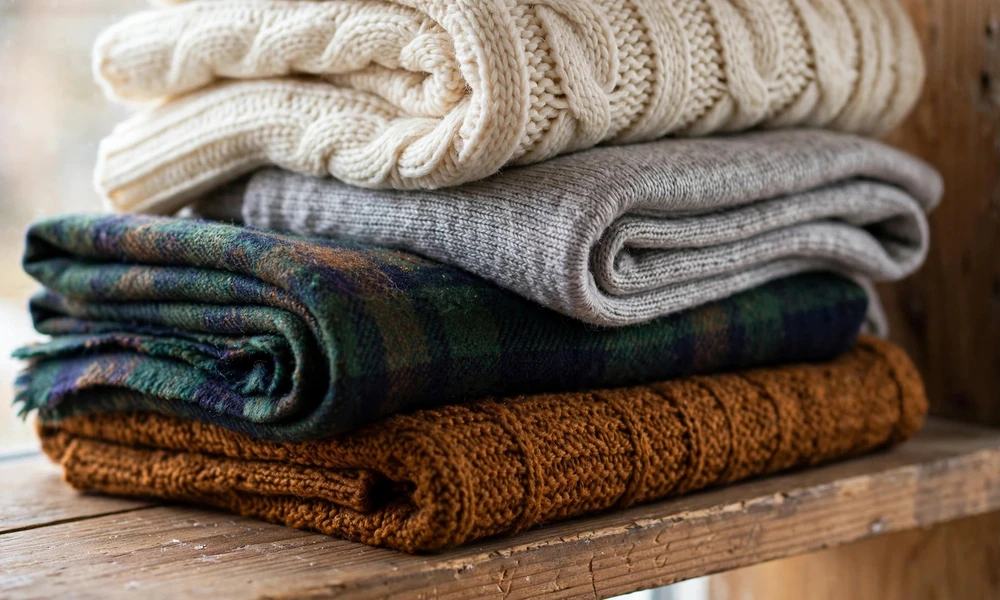
Look next at the size and the weight. A scarf around 180 to 200 centimetres long is long enough to wrap twice and still leave ends to tuck in. A width of 30 to 40 centimetres gives you enough fabric to pull up over your chin without looking like a blanket. Weight matters too: a heavy scarf feels warm the moment you put it on, but a very heavy one can drag a light coat down and slip off your shoulders. Our guide to the best winter coats for women is a useful companion here, because the scarf and the coat have to work together, and a scarf that fights your coat collar will never be comfortable.
Finally, look at the finish. Fringed ends are classic and easy to wear. A neat, bound edge is smarter and less likely to fray. Check the stitching on a knit scarf: loose, uneven stitches will snag and stretch, while a tight, even knit holds its shape. If the scarf sheds on your coat the first time you wear it, it will keep shedding. Put it back.
The 9 best winter scarves for women of 2027
The Chunky Wool Knit Scarf
What we like: Thick, warm, and instantly cosy, with a bold knit that looks good with a long wool coat or a puffer jacket. What to consider: It can be heavy, and cheaper wool can feel itchy against bare skin. Best for: Very cold days and outdoor walks. Fabric: Chunky wool, often a wool and acrylic blend. Price range: Mid-range. Standout feature: The bold, visible knit that makes a plain coat look finished.
The Classic Cashmere Wrap
What we like: Exceptionally soft and warm for its weight, with a smooth drape that works as a scarf, a wrap, or a shawl. What to consider: Expensive, and it needs gentle washing and careful storage to avoid moth damage. Best for: Everyday luxury and smarter winter outfits. Fabric: Pure cashmere. Price range: Premium. Standout feature: The softness: nothing else feels quite like cashmere against the neck.
The Oversized Blanket Scarf
What we like: Huge, warm, and versatile: wear it as a scarf, a shawl, or a wrap over your shoulders indoors. What to consider: It can overwhelm a small frame, and it is too bulky to wear under a fitted coat. Best for: Lounging, travel, and very cold weekends. Fabric: Wool blend, often with a checked or plaid pattern. Price range: Mid-range. Standout feature: The size: it doubles as a travel blanket on a long journey.
The Fleece-Lined Infinity Scarf
What we like: A continuous loop with a soft fleece lining, so there are no ends to tuck in and no gaps for the wind. What to consider: Less versatile than a long scarf, and the fleece lining can look bulky under a slim coat. Best for: Commuting, school runs, and anyone who hates fussing with scarf ends. Fabric: Knit outer with a fleece lining. Price range: Affordable to mid-range. Standout feature: The loop design: it stays put all day.
The Merino Wool Scarf
What we like: Soft, breathable and warm, with fine fibres that do not itch the way ordinary wool can. What to consider: It can be thinner than a chunky knit, so it suits cold days rather than freezing ones. Best for: Sensitive skin and everyday winter wear. Fabric: Pure merino wool. Price range: Mid-range. Standout feature: The softness: merino is the wool for people who think they cannot wear wool.
The Alpaca Blend Scarf
What we like: Very warm and light, with a silky feel and a natural resistance to pilling. What to consider: Pure alpaca is expensive, and blends vary, so check the label for the alpaca content. Best for: Cold, dry winters and anyone who hates pilling. Fabric: Alpaca and wool blend. Price range: Mid-range to premium. Standout feature: The warmth-to-weight ratio: it feels light and keeps you very warm.
The Quilted Puffer Scarf
What we like: Padded and quilted like a puffer jacket, so it is extremely warm and windproof. What to consider: It is a statement piece, and it only really works with a puffer jacket or a sporty winter outfit. Best for: Freezing weather, skiing trips, and sporty winter looks. Fabric: Quilted nylon with a padded fill. Price range: Mid-range. Standout feature: The warmth: it is the closest thing to wearing a duvet around your neck.
The Silk-Lined Wool Scarf
What we like: Warm wool on the outside, smooth silk against the skin, so it is warm without the itch. What to consider: More expensive than plain wool, and the silk lining needs gentle care. Best for: Smart winter outfits and sensitive skin. Fabric: Wool outer with a silk lining. Price range: Premium. Standout feature: The lining: silk against the neck, wool against the cold.
The Ribbed Knit Snood
What we like: A close-fitting tube that hugs the neck, with a ribbed knit that stretches and holds its shape. What to consider: It cannot be styled as many ways as a long scarf, and it suits casual outfits best. Best for: Everyday warmth, cycling, and walking the dog. Fabric: Ribbed wool or a wool blend. Price range: Affordable. Standout feature: The fit: it stays close to the neck and never slips.
Which winter scarf is right for you
Start with your winters. If your winters are mild and damp, a merino or cashmere scarf will be warm enough, and you will wear it more often than a chunky knit. If your winters are freezing and windy, a chunky wool knit, a puffer scarf, or a fleece-lined infinity scarf will serve you better. The warmest scarf is the one that matches your weather, not the one with the highest price.
Then think about your coat. A long wool coat suits a long scarf you can wrap twice and let hang. A short, fitted coat suits a slimmer scarf that does not add bulk at the neck. A puffer jacket suits a chunky knit or a puffer scarf, because the proportions match. A scarf that fights your coat will spend the winter in a drawer, however beautiful it is. The best cashmere sweaters make a good layering partner here, because a warm scarf and a warm sweater together mean you can wear a lighter coat and still be comfortable.
Finally, think about how you will care for it. Cashmere and alpaca need gentle washing and careful storage. Wool can usually be hand-washed. Fleece-lined and puffer scarves are often machine-washable, which matters if you wear your scarf every day. A scarf you can wash easily is a scarf you will actually keep clean, and a clean scarf lasts longer and looks better.
The caveats that matter
Winter scarves have a few honest drawbacks. Cheap cashmere is often a blend with very little cashmere in it, and it will pill and thin out within a season. Very cheap wool can be scratchy, and no amount of wearing will soften it. A scarf that is too short cannot be wrapped twice, which is the main way a scarf keeps you warm. And a light-coloured scarf will show makeup and moisturiser marks quickly, so choose a colour you can live with, not just one that looks good in the shop.
| Detail | What is known |
|---|---|
| Warmest fabrics | Wool, cashmere, merino, alpaca, and blends of these fibres |
| Best length | 180 to 200 centimetres, long enough to wrap twice and tuck in |
| Best width | 30 to 40 centimetres, enough to pull up over the chin |
| Who should choose merino | Anyone with sensitive skin, or who finds ordinary wool itchy |
| What to check on the label | Fibre content in percentages, not just the word cashmere or wool |
| What to avoid | Very cheap cashmere, loose uneven knits, and scarves that shed on first wear |
| Care | Hand-wash wool and cashmere, machine-wash fleece and puffer styles where the label allows |
| What it does not do | It does not make a thin coat warm on its own, and it cannot fix a coat that does not fit |
If you have a wool allergy, or very sensitive skin, choose a silk-lined wool scarf, a merino scarf, or a fleece-lined style with no wool against the skin. And if you buy a scarf online, check the return policy first: colour, weight and softness are hard to judge from a photograph, and a scarf that looks perfect on screen can feel wrong in your hands.
Checklist: choosing a winter scarf honestly
Use these checks before you buy, and again after a week of wear.
- Check the label: fibre content in percentages, not just a reassuring word like cashmere or wool.
- Check the length: it should wrap twice around your neck and still leave ends to tuck in.
- Check the feel: wear it against your bare neck for a minute, not just in your hand, to test for itch.
- Check the coat match: try it with the coat you will actually wear it with, not a different one.
- Check for shedding: if it leaves fibres on your coat on the first wear, it will keep doing so.
- Check the care: make sure you are willing to wash it the way the label requires, or it will not last.
Frequently asked questions
How long should a winter scarf be?
Around 180 to 200 centimetres is ideal for most people. That is long enough to wrap twice around your neck and still leave ends to tuck into your coat. Shorter scarves work as a single loop, but they leave gaps for the wind.
Is cashmere worth the price for a winter scarf?
Often yes, if you buy genuine cashmere and look after it. It is warmer for its weight than wool, softer against the skin, and it lasts for years. Very cheap cashmere, however, is usually a blend with little cashmere in it, and it is not worth the price.
How do I stop my scarf from slipping?
Wrap it twice and tuck the ends into your coat, or choose a loop or infinity style that has no ends at all. A heavier scarf also slips less than a very light one, because its own weight holds it in place.
Can I machine-wash a wool scarf?
Usually not, unless the label says so. Most wool and cashmere scarves should be hand-washed in cool water with a gentle detergent, then dried flat. Fleece-lined and puffer scarves are often machine-washable, but always check the label first.
What colour winter scarf should I buy first?
A neutral colour you already wear: camel, grey, navy or black. It will go with every coat you own, and you will reach for it every day. Add a bold colour or a pattern as a second scarf, once the neutral one is earning its place. Our guide to the best sweater trends for winter can help you match a scarf colour to the knits you already own.
Why does my scarf pill?
Pilling happens when short fibres rub together, usually at the neck where the scarf moves against your coat. Cheaper, shorter fibres pill more. You can remove pills with a fabric comb, but a scarf that pills heavily in the first week is unlikely to improve.
The bottom line
The best winter scarf for women in 2027 is not the most expensive or the most fashionable. It is the one that is warm enough for your winters, soft enough for your skin, long enough to wrap twice, and easy enough to care for that you will actually wear it every day. For most people, that means a good wool or merino scarf in a neutral colour, with a cashmere wrap for smarter days and a chunky knit for the coldest mornings.
Choose one scarf, wear it with the coat you already own, and judge it after a cold week, not after five minutes in a warm shop. Warmth, comfort and a colour you reach for again and again are the honest signs of a scarf worth keeping.