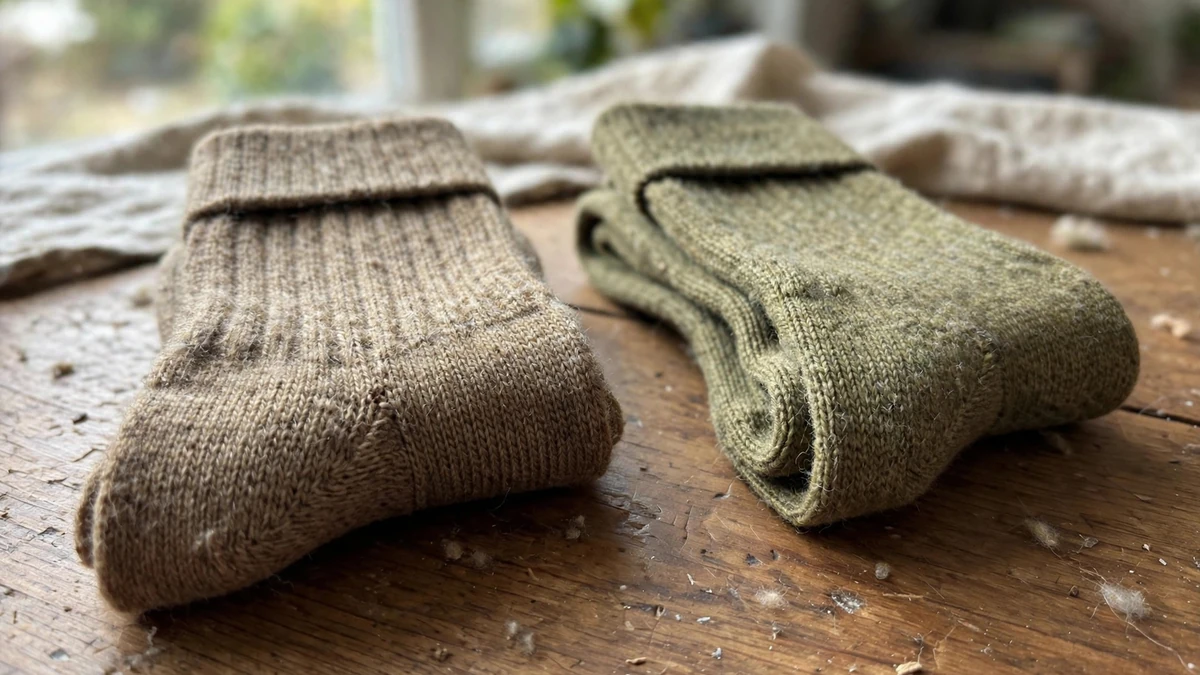
Teenagers are hard on socks. They wear them to school, to training, on long walks, on cold mornings waiting for the bus, and then they leave them on the bedroom floor. A cheap cotton pair will be thin at the heel within weeks, damp by midday, and cold by the evening. A good pair of wool socks for teens is a small upgrade that changes all of that, because wool keeps feet warm when it is wet, dries faster than cotton, and holds its shape through wash after wash.
The trick is choosing socks that a teenager will actually wear. They need to be soft, not scratchy, the right length for the shoes they own, and tough enough for daily use. They also need to survive the wash, which means a wool blend rather than pure wool, and a size that fits now rather than one they will grow into by spring. Price matters too, because teenagers lose socks, and a pair that costs as much as a new hoodie is a pair that will cause an argument when one goes missing.
Below are nine wool socks for teens worth considering in 2027, from hard-wearing hiking socks to soft everyday pairs for school and sport. Each one is described by what it is good at, what to watch for, and who it suits best, so you can buy once and buy well, rather than replacing thin, damp socks every few weeks.
Key takeaways
- Wool keeps feet warmer than cotton when damp, and merino wool is the softest, least itchy option for teenagers.
- A wool blend with nylon or elastane lasts far longer than pure wool, and it holds its shape in the wash.
- Match the sock length to the shoe: crew for boots and trainers, quarter for low shoes, knee-high for long boots.
- Buy the size that fits now, not a size up, because a loose sock bunches, rubs, and causes blisters.
- No sock is indestructible, and wool socks still need gentle washing and air drying to last their full life.
What makes a wool sock work for teenagers
A wool sock works because wool fibres trap air, and trapped air is what keeps feet warm. Wool can also absorb a surprising amount of moisture before it feels wet, which is why feet stay comfortable on a long school day or a cold walk, even when shoes get damp. Cotton, by contrast, holds moisture against the skin and loses its warmth as soon as it gets wet, which is why cotton socks feel cold and clammy by the afternoon.
For teenagers, the most important quality after warmth is softness. Cheap, coarse wool itches, and an itchy sock will be left in the drawer. Merino wool has much finer fibres than ordinary wool, so it feels soft against the skin and rarely causes itching. Most of the socks in this guide use merino, or a merino blend, for exactly that reason. A small amount of nylon, usually 20 to 30 percent, adds strength at the heel and toe, and a little elastane keeps the sock from slipping down inside a trainer. That is why a teenager who walks to school in winter often comes home with warm feet in wool socks and cold, damp feet in cotton ones.
Fit is the part parents most often get wrong. A sock that is too big bunches under the foot, and a sock that is too small pulls tight and wears through at the toe. Teenagers’ feet grow fast, so check the size range on the packet rather than guessing, and remember that a sock listed for ages 11 to 14 is not the same as one listed for adult sizes 3 to 6. When in doubt, the smaller end of the range is usually the better fit for a younger teen.
How we chose these socks and what to look for
Look first at the fibre content. A good teen wool sock is usually 50 to 80 percent wool, most often merino, with the rest made up of nylon for strength and a little elastane for stretch. Pure wool feels lovely, but it wears through faster and shrinks more easily in the wash. A blend is the practical choice for everyday wear, and it is what most of the socks below use. If a sock is labelled 100 percent wool, treat it as a cosy at-home pair rather than a daily school sock.

Look next at the cushioning. Hiking and sports socks have extra padding at the heel and under the ball of the foot, which protects against blisters on long walks and gives comfort in stiff boots. Everyday school socks are thinner, which matters because a thick sock can make a school shoe feel tight. Our guide to the best wool socks for winter explains the difference in more detail, because the right thickness depends on the shoe as much as on the weather.
Finally, look at the washing instructions and the price per pair. Wool socks should be washed cold or at 30 degrees, inside out, and left to air dry. A tumble dryer will shrink them and shorten their life. Buying a pack of three usually brings the price per pair down by a third, which matters when you are buying for a teenager who will need several pairs in rotation.
The 9 best wool socks for teens in 2027
Darn Tough Junior Hiker Micro Crew
What we like: A tough merino blend with a lifetime guarantee, cushioned at the heel and toe, and a snug fit that stays up all day without slipping.
This is the sock to buy if your teenager walks a lot, hikes, or wears boots most days. The cushioning is placed where it matters, the merino keeps feet warm without overheating, and the guarantee means a worn-through pair is replaced rather than thrown away.
Smartwool Kids’ Classic Hike Full Cushion Crew
What we like: Soft merino with full cushioning, a comfortable flat toe seam, and a fit designed for growing feet rather than scaled-down adult sizes.
A warm, well-made hiking sock that suits teenagers who spend time outdoors in winter. The full cushioning makes stiff boots comfortable, and the merino blend handles sweat better than a thick cotton sock ever could.
Bombas Merino Wool Calf Socks
What we like: A soft merino calf sock with a honeycomb arch support, a seamless toe, and a comfortable, everyday fit that works with trainers and boots alike.
This is a good all-rounder for a teenager who wants one sock for most days. It is warm without being bulky, the arch support stops it sliding down, and the seamless toe is comfortable for long days on foot.
Icebreaker Everyday Crew Socks
What we like: A light, soft merino crew sock that is easy to wear every day, with a smooth toe and a relaxed fit that suits school shoes.
If your teenager mostly needs a warm, comfortable sock for school and everyday life, this is a sensible pick. It is thin enough for normal shoes, soft enough to wear all day, and the merino content is high for the price.
Falke TK2 Wool Trekking Socks
What we like: A German-made trekking sock with targeted cushioning, a left and right fit, and a durable blend that holds up to heavy use.
A serious walking sock for teenagers who hike regularly. The anatomical fit reduces rubbing, the cushioning is placed under the heel and ball of the foot, and the build quality means it lasts through a full season of outdoor use.
Uniqlo Heattech Wool Blend Socks
What we like: An affordable wool blend sock that is widely available, soft enough for daily wear, and sold in multipacks that bring the price down further.
This is the practical choice when you need five or six pairs and do not want to spend a fortune. The wool content is modest, but it is enough to keep feet warmer and drier than cotton, and the price makes losing a pair far less painful.
Pantherella Merino Wool Socks
What we like: A finely knitted, smart merino sock made in England, smooth and comfortable, with a neat fit that suits smarter shoes and school uniforms.
For teenagers who need a sock that looks right with a school uniform or smarter shoes, this is a strong option. It is thin, neat and soft, and it avoids the bulky, sporty look of a hiking sock.
Johnstons of Elgin Cashmere Blend Socks
What we like: A soft cashmere and wool blend that feels luxurious, warm without bulk, and comfortable for long days indoors and out.
This is the cosy, premium choice, best bought as one or two pairs rather than a full rotation. It is noticeably softer than any other sock here, and it makes a good gift for a teenager who feels the cold.
Decathlon Quechua MH500 Wool Hiking Socks
What we like: A sturdy, affordable hiking sock with good cushioning, a reinforced heel and toe, and a fit that works well in walking boots.
For outdoor trips and expeditions, this is hard to beat on value. It is warm, well cushioned and tough, and at this price you can buy two pairs for the cost of one premium sock, which is exactly what a wet weekend away demands.
Which wool socks are right for your teenager
Start with how the socks will be used. For school, a thin or medium merino crew sock is the right choice, because it fits normal shoes, looks neat, and is warm enough for a classroom and a walk home. For hiking or outdoor trips, choose a cushioned hiking sock with a reinforced heel and toe, and buy two pairs so one can dry while the other is worn. For sport, look for arch support and a seamless toe, which reduce rubbing during long sessions.
Think about length too. Crew socks suit boots and high-top trainers. Quarter socks suit low trainers and are cooler in spring. Knee-high socks suit long boots and cold days, but they can feel too warm indoors. Most teenagers are happiest with crew length, which covers the ankle and stays up without being fussy. Our guide on how to style socks is a useful next step here, because the right length also depends on the trousers and shoes the socks will be worn with.
Finally, buy enough pairs to rotate. Three pairs is the minimum for a school week, five is more comfortable, because wool socks need a day to air dry properly and should not be worn two days running. A pack of three from a mid-priced brand is usually better value than six cheap pairs that wear through by half term.
The caveats that matter
Wool socks are better than cotton for warmth and comfort, but they are not magic. They still need washing, they still wear out, and they still shrink if they are washed hot or tumble dried. The most common mistake is treating them like cotton socks, washing them at 40 or 60 degrees and throwing them in the dryer, and then wondering why they have gone stiff and small. Cold or 30-degree washes, turned inside out, and air drying will double their life.
| Detail | What is known |
|---|---|
| Best fibre for teens | Merino wool, 50 to 80 percent, blended with nylon for strength |
| Why wool beats cotton | It stays warm when damp and dries faster than cotton |
| Best length for most teens | Crew length, which suits boots, trainers and school shoes |
| How many pairs to buy | Three as a minimum, five for a comfortable school-week rotation |
| How to wash them | Cold or 30 degrees, inside out, and air dry, never tumble dry |
| When to size up | Only if your teen is at the top of the size range, not as a growth allowance |
| What to avoid | Pure wool for daily wear, and hot washes that shrink and stiffen the fibres |
| What wool socks do not do | They do not stop feet sweating, and they do not last forever |
If your teenager has very sensitive skin or a wool allergy, look for a high-quality merino or a superwash wool, which is treated to feel softer, and patch-test a single pair before buying a pack. A few teenagers find even merino irritating, and in that case a cotton sock with a wool blend lining, or a bamboo blend, may be a better compromise than forcing wool.
Checklist: buying wool socks for teens honestly
Use these checks before you buy, and again after the first wash.
- Check the fibre content: at least 50 percent wool, ideally merino, with nylon for strength.
- Check the size range on the packet, and buy the size that fits now, not a size up.
- Check the length: crew for boots and trainers, quarter for low shoes, knee-high for long boots.
- Check the cushioning: thick for hiking and boots, thin for school shoes and everyday wear.
- Buy a pack of three or more, so there is always a clean, dry pair ready.
- Wash cold or at 30 degrees, inside out, and air dry to keep the wool soft and the fit right.
Frequently asked questions
Are wool socks too hot for teenagers to wear all day?
Usually not. Wool regulates temperature, so a medium-weight merino sock is comfortable indoors and out. A very thick hiking sock can feel warm in a heated classroom, so save those for outdoor days and choose a thinner crew sock for school.
Do wool socks itch?
Cheap, coarse wool can itch, but fine merino wool rarely does. If your teenager has found wool itchy before, try a merino blend with a high nylon content, or a superwash wool, which is treated to feel smoother against the skin.
How many pairs of wool socks does a teenager need?
Three pairs is the minimum for a school week, and five is more comfortable. Wool socks need a day to air dry after washing, so a rotation of five means there is always a dry pair ready, even if washing day slips.
Can wool socks go in the washing machine?
Yes, on a cold or 30-degree cycle, turned inside out. Use a gentle detergent and avoid fabric softener, which coats the fibres. Never tumble dry them, because the heat shrinks wool and shortens the life of the sock.
Are wool socks worth the price compared with cotton?
For daily wear in cold weather, yes. A good wool sock lasts longer, keeps feet warmer and drier, and needs replacing less often than a cheap cotton pair. The value is best when you buy a mid-priced pack rather than the most expensive single pair. If you are weighing up the softer end of the range, our guide to the best cashmere socks for teens compares the luxury option with everyday wool.
What size wool socks should I buy for a growing teenager?
Buy the size that fits their feet now. A sock that is too big bunches and causes blisters, and it will not stay up properly. Check the size range on the packet, measure their feet if you are unsure, and expect to replace socks as feet grow, just as you would with shoes.
The bottom line
The best wool socks for teens in 2027 are the ones that are soft enough to wear all day, tough enough to survive the wash, and the right length for the shoes they will be worn with. A merino blend with nylon for strength is the practical sweet spot, and a pack of three or five is better value than a single expensive pair. For hiking and outdoor trips, a cushioned sock with a lifetime guarantee is worth the extra cost. For school, a thinner crew sock in a neutral colour is the everyday answer.
Buy the size that fits now, wash them cold and air dry them, and replace them when the heel thins rather than waiting for a hole. That is the honest way to keep a teenager’s feet warm, dry and comfortable through the cold months, without spending more than the socks are worth.