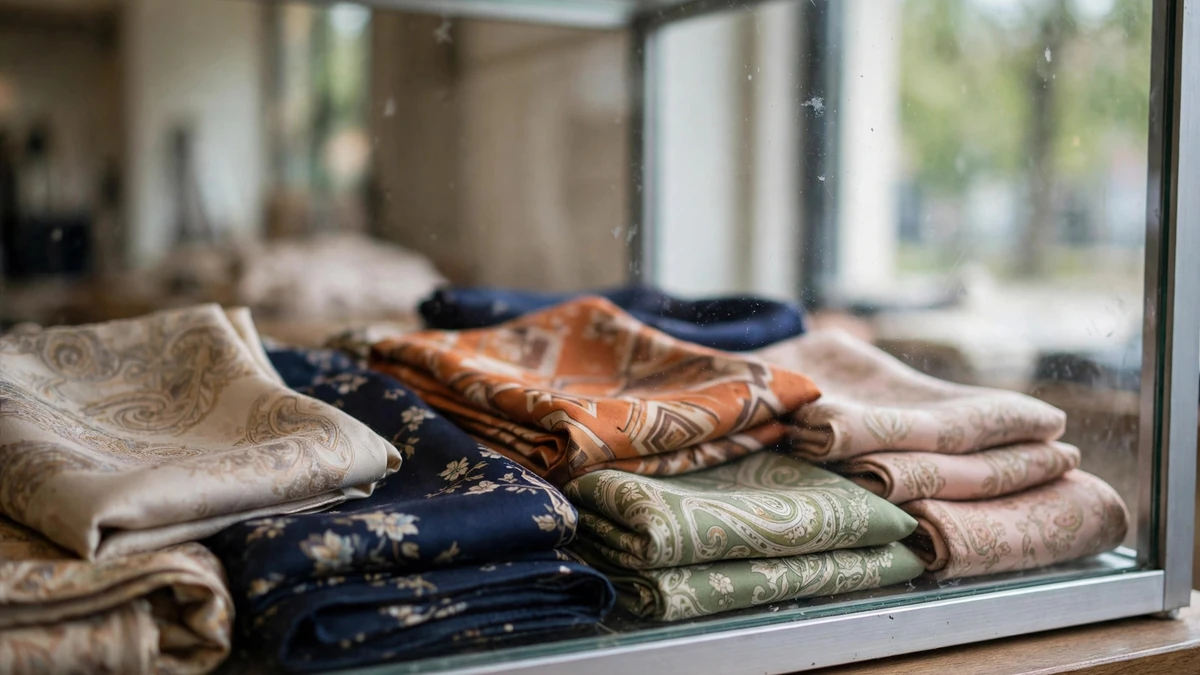
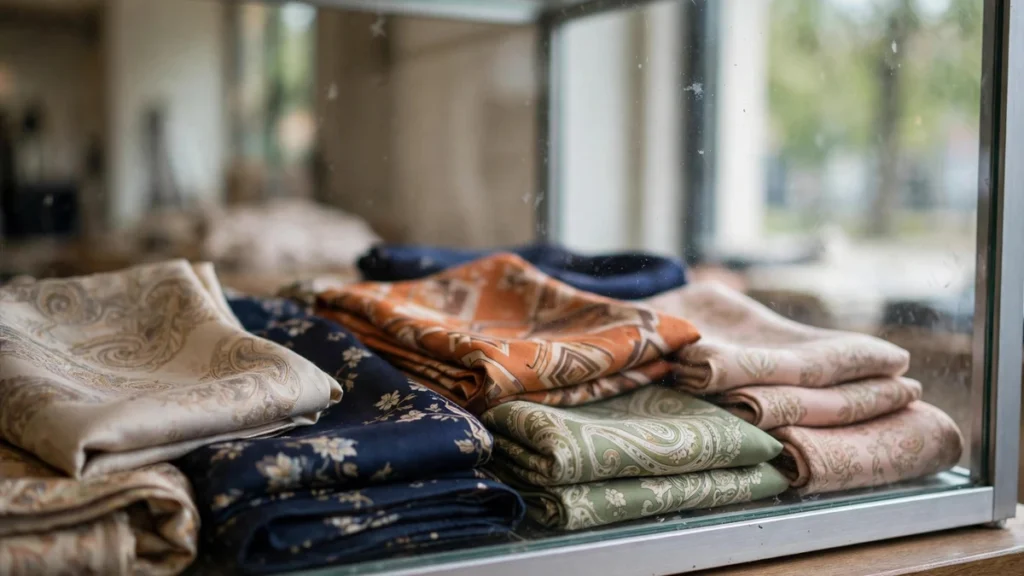
A scarf is the smallest thing in a wardrobe, and it can also be the most expensive. A square of silk or a length of cashmere, made well, can cost more than a winter coat, and the most expensive scarves in the world cost more than many people spend on clothes in a year. That sounds absurd until you understand what goes into one: the finest fibres, the slowest weaving, the hand-rolled edges, and the name of a house that has made scarves for a century.
The price is not only about the material. A cashmere scarf made from the finest Mongolian fibre, woven slowly and finished by hand, costs more to make than a machine-made scarf in the same fibre, and the difference shows in the hand, the drape and the way it lasts. A silk scarf printed by hand, with dozens of colours and a rolled edge sewn by one person, takes hours to finish. You are paying for time, skill and scarcity, not just for a label.
Below are the ten most expensive scarves in the world in 2027, from hand-finished cashmere to museum-grade silk. Each one is described by what it is good at, what to watch for, and who it suits.
Key takeaways
- The most expensive scarves are made from the finest cashmere and silk, woven or printed slowly, and finished by hand.
- Price tracks fibre quality, weave density, hand finishing and scarcity, not just the name on the label.
- Hand-rolled edges, even colour and a dense, even weave are the practical signs of a scarf worth its price.
- Even the finest scarf needs gentle care, dry cleaning, and proper storage to last more than a few seasons.
- No scarf is a financial investment, and a mid-priced scarf in good fibre is often the smarter buy.
What makes a scarf so expensive
The first cost is the fibre. The finest cashmere comes from the undercoat of goats in Mongolia and Inner Mongolia, combed by hand in spring, and only a small fraction of each year’s harvest is fine enough for a luxury scarf. The finest silk comes from mulberry silkworms, and the best grades are smooth, strong and lustrous in a way cheaper silk is not. A scarf in either fibre, at the top grade, starts expensive before anyone has woven a thread.
The second cost is the making. A hand-loomed cashmere scarf can take days to weave, and a hand-printed silk scarf can pass through dozens of screens, one for each colour, with drying and checking between each one. The edges of a fine silk scarf are rolled and stitched by hand, a slow job that a machine cannot copy convincingly. A machine-made scarf can look similar from a distance, but it does not feel the same, and it does not last the same.
The third cost is scarcity and name. A house that makes a few thousand scarves a year, in limited colours and designs, can charge more than a house that makes hundreds of thousands. The name adds to the price, but it also adds to the resale value and to the certainty that the scarf is what it claims to be. That is why the most expensive scarves come from houses with a long history of making them. Our roundup of the best silk scarves for women covers the same ground at more ordinary prices, which is a useful comparison if you want to see what the extra money actually buys.
How we chose these scarves and what to look for
Look first at the fibre and the weave. A cashmere scarf should feel soft without feeling thin, and the weave should be dense and even, with no gaps or loose threads when you hold it up to the light. A silk scarf should feel smooth and cool, with a sheen that changes as you move it, and the print should be sharp on both sides if it is a fine twill.
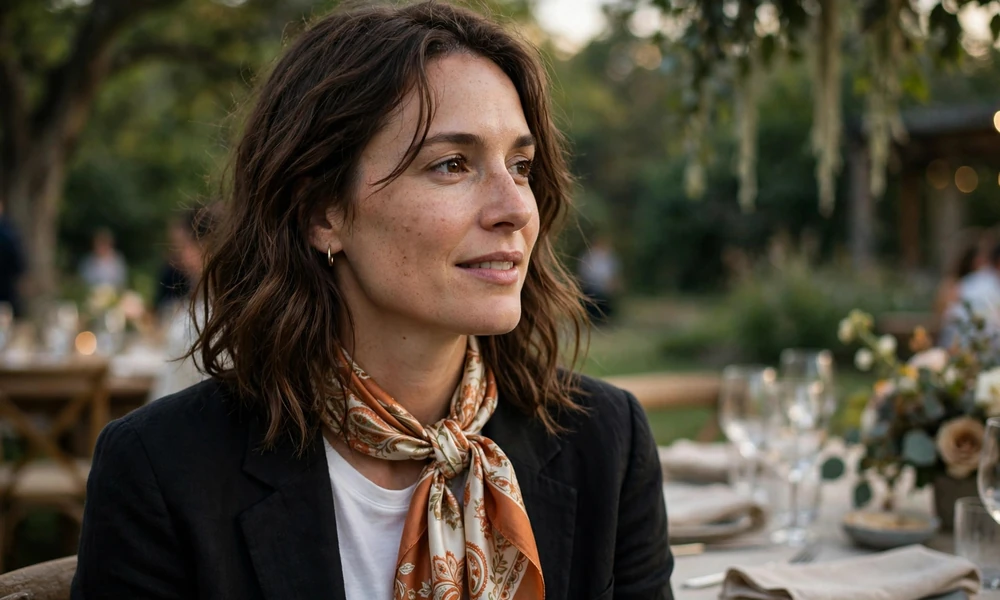
Look next at the finishing. Hand-rolled edges are the clearest sign of a fine scarf. Turn the edge over and look for small, even, hand-sewn stitches, not a machine hem. On a cashmere scarf, look for a clean, even fringe, or a neat finished edge, with no fraying. On a silk scarf, look for colour that is even across the whole square, with no fading or patchiness, and a print that lines up cleanly at the corners.
Finally, look at the size and the weight. A fine scarf is usually generous, at least 90 centimetres square for silk, and at least 180 centimetres long for cashmere, because a luxury scarf is meant to be worn in many ways. A very small or very light scarf at a luxury price is a warning sign. Weight is not a virtue on its own, but a scarf that feels insubstantial for its price is rarely worth it.
The 10 most expensive scarves in the world in 2027
Hermès Grand Carré Cashmere and Silk
What we like: A large, hand-finished square in a cashmere and silk blend, with Hermès’ famous hand-rolled edges and a print that is sharp on both sides. What to consider: The price is at the very top of the market, and the size makes it a statement rather than an everyday scarf. Best for: Collectors and anyone who wants the most recognised luxury scarf in the world. Fabric: Cashmere and silk blend. Price range: Around £800 to £1,000. Standout feature: Hand-rolled edges and a print archive that spans decades.
Loro Piana Cashmere Scarf
What we like: Made from Loro Piana’s own fine cashmere, woven slowly and finished with a soft, dense hand that is immediately recognisable. What to consider: Quiet and understated, so it does not advertise its price, and the colours are deliberately muted. Best for: Anyone who wants the finest cashmere without a visible logo. Fabric: Pure cashmere. Price range: Around £600 to £800. Standout feature: Cashmere sourced and woven by the house itself.
Chanel Cashmere and Silk Scarf
What we like: A soft, generous scarf in a cashmere and silk blend, with Chanel’s restrained elegance and excellent finishing. What to consider: The designs change with the seasons, so a favourite colour may not be available for long. Best for: Anyone who wants a luxury scarf that works with a tailored wardrobe. Fabric: Cashmere and silk blend. Price range: Around £500 to £700. Standout feature: A blend that is warm, light and easy to wear.
Brunello Cucinelli Cashmere Scarf
What we like: Made in Italy from fine Mongolian cashmere, with a soft, dense weave and a restrained, elegant palette. What to consider: The price reflects the hand finishing and the Italian making, and the styles are deliberately quiet. Best for: Anyone who wants Italian cashmere at its most refined. Fabric: Pure cashmere. Price range: Around £500 to £650. Standout feature: Hand finishing and a cashmere that softens beautifully with wear.
Burberry Cashmere Scarf
What we like: A classic, generous cashmere scarf, often in the house check, with a soft hand and a long, practical shape. What to consider: The check is very recognisable, which some people love and others do not, and the most famous designs are the most copied. Best for: Anyone who wants a classic British cashmere scarf. Fabric: Pure cashmere. Price range: Around £400 to £550. Standout feature: The house check and a shape that works in many ways.
Akris Cashmere Scarf
What we like: A refined, understated cashmere scarf from a Swiss house known for precision and quiet luxury. What to consider: The designs are subtle, so it will not make a statement, and availability is limited outside major cities. Best for: Anyone who wants Swiss precision in a cashmere scarf. Fabric: Pure cashmere. Price range: Around £400 to £550. Standout feature: A precise, even weave and a very clean finish.
Akris is the connoisseur’s choice on this list. It is not the most famous name, but the making is exacting, and the scarf feels as good as it looks.
Saint Laurent Silk Scarf
What we like: A large silk twill square with a bold, graphic print and a smooth, lustrous hand. What to consider: The prints are seasonal and often bold, so choose one you will still like in five years. Best for: Anyone who wants a silk scarf with presence. Fabric: Silk twill. Price range: Around £350 to £500. Standout feature: Bold prints on fine silk twill.
Saint Laurent’s scarves are for people who want their scarf to be seen. The silk is excellent, the prints are confident, and the square is large enough to wear in a dozen ways.
Etro Silk Scarf
What we like: A silk scarf in Etro’s famous paisley, printed with many colours and finished with hand-rolled edges. What to consider: The paisley is distinctive, and it suits some wardrobes better than others. Best for: Anyone who loves pattern and colour. Fabric: Silk twill. Price range: Around £300 to £450. Standout feature: The house paisley, printed in many colours.
Etro has made paisley its signature, and its silk scarves are the best expression of it. The print is complex, the colours are rich, and the hand-rolled edges are beautifully done.
Gucci Silk Twill Scarf
What we like: A large silk twill square with Gucci’s bold, playful prints and a smooth, substantial hand. What to consider: The designs are fashion-led, so a seasonal print may date faster than a classic one. Best for: Anyone who wants a silk scarf with personality. Fabric: Silk twill. Price range: Around £300 to £400. Standout feature: Bold, collectible prints on fine silk.
Gucci’s scarves are the most playful on this list. They are well made, generously sized, and fun to wear, and the best designs become collectible in their own right.
Which expensive scarf is right for you
Start with the fibre, not the name. If you want warmth, choose cashmere, and choose the finest you can afford, because the difference between good and great cashmere is something you feel every time you wear it. If you want colour and pattern, choose silk, and choose a twill with a hand-rolled edge, because that is where the craftsmanship shows. If you want both, a cashmere and silk blend is the honest compromise, warm, light and easy to wear.
Think about how you will wear it. A large silk square is the most versatile, because it can be worn as a scarf, a shawl, a head covering or a bag accessory. A long cashmere scarf is the warmest and the simplest, and it is the one you will reach for on a cold morning. A shorter, narrower scarf is the smartest, and it works best with a tailored coat. Buy the shape you will actually use, not the one that looks best folded in the box.
Finally, be honest about the price. A scarf that costs £800 is not eight times better than a scarf that costs £100, and a mid-priced scarf in good fibre, well finished, will serve most people just as well. The guide to the top cashmere scarves for women covers that middle ground in detail, and it is the right place to start if you want quality without the top of the market. Buy the most expensive scarf only if you love the making, the design and the house, and you will wear it for years.
The caveats that matter
Even the finest scarf is fragile. Silk snags, cashmere pills, and both are damaged by moths, sunlight and rough handling. A scarf that costs £800 and is thrown in a drawer will look worse in a year than a scarf that costs £100 and is stored properly. Care is not optional at this price, and it is part of what you are buying into.
| Detail | What is known |
|---|---|
| Most expensive on this list | Hermès Grand Carré, around £800 to £1,000, in cashmere and silk |
| Best cashmere for quiet luxury | Loro Piana, around £600 to £800, pure cashmere woven by the house |
| Best silk for print and colour | Etro and Gucci, around £300 to £450, in silk twill with hand-rolled edges |
| 10th scarf on this list | Alexander McQueen skull silk scarf, around £250 to £350, in silk twill |
| What to check first | Fibre, weave density, hand-rolled edges, and even colour |
| How to care for it | Dry clean only, store folded in tissue, keep away from moths and sunlight |
| What to avoid | Machine washing, rough jewellery that snags silk, and plastic storage bags |
| What it does not do | It does not increase in value reliably, and it does not stay new without care |
Counterfeits are a real problem at this price, and the most copied scarves are the most famous ones. Buy from the house itself, or from an authorised retailer, and keep the receipt and the packaging. A scarf from an unknown seller at a large discount is almost certainly not what it claims to be.
Checklist: buying an expensive scarf honestly
Use these checks before you buy, and again after a season of wear.
- Check the fibre: pure cashmere or fine silk twill, with a dense, even weave and no gaps.
- Check the edges: hand-rolled and hand-stitched on silk, clean and even on cashmere.
- Check the colour: even across the whole scarf, with no fading, patchiness or misaligned print.
- Check the size: generous enough to wear in several ways, not small for its price.
- Check the seller: buy from the house or an authorised retailer, and keep the receipt.
- Check the care: know how you will clean and store it before you pay, not after.
Frequently asked questions
Why is a Hermès scarf so expensive?
Because of the fibre, the hand printing, the hand-rolled edges, and the time each scarf takes to make, plus the scarcity of the designs and the history of the house. A Hermès scarf is not simply a square of silk. It is hours of skilled work, and the price reflects that, not just the name.
Is cashmere or silk better for a scarf?
Cashmere is warmer and softer, so it suits winter. Silk is cooler, lighter and better for pattern, so it suits spring, summer and evening wear. A blend gives you some of both. Choose the fibre for the season and the use, not for the price.
Can I wash an expensive scarf at home?
No, not safely. Fine cashmere and silk should be dry cleaned by a cleaner experienced with luxury fibres, or hand washed very gently if the care label allows it. Machine washing will felt cashmere and dull silk, and the damage is usually permanent.
Do expensive scarves hold their value?
Some do, some do not. Classic designs from Hermès and Chanel in good condition can resell well, but most scarves lose value, and none is a reliable investment. Buy a scarf because you will wear it, not because you expect to sell it. Our roundup of the best winter scarves for women shows how much quality is available at ordinary prices, which is the right comparison if resale is on your mind.
How do I spot a fake luxury scarf?
Look at the edges, the print and the feel. A genuine fine scarf has hand-rolled edges with small, even stitches, a sharp print on both sides, and a smooth, substantial hand. A fake usually has a machine hem, a blurry or one-sided print, and a thin, slippery feel. When in doubt, buy from the house itself.
How should I store an expensive scarf?
Fold it loosely in acid-free tissue, inside a breathable box or drawer, away from sunlight and moths, with cedar or lavender as a deterrent. Never hang a silk scarf, which can stretch, and never store any fine scarf in plastic, which traps moisture.
The bottom line
The most expensive scarves in the world are expensive for real reasons: the finest fibres, the slowest making, the hand finishing, and the scarcity of the designs. A Hermès Grand Carré, a Loro Piana cashmere, or a hand-printed Etro silk is a genuinely well-made thing, and if you love the craft and will wear it for years, the price can be justified.
But the price is not the measure of the scarf. A mid-priced scarf in good fibre, well finished and properly cared for, will keep you just as warm and look just as good, and it will leave you money for the rest of your wardrobe. Buy the most expensive scarf only if you love it, and buy the best scarf you can afford if you do not.