

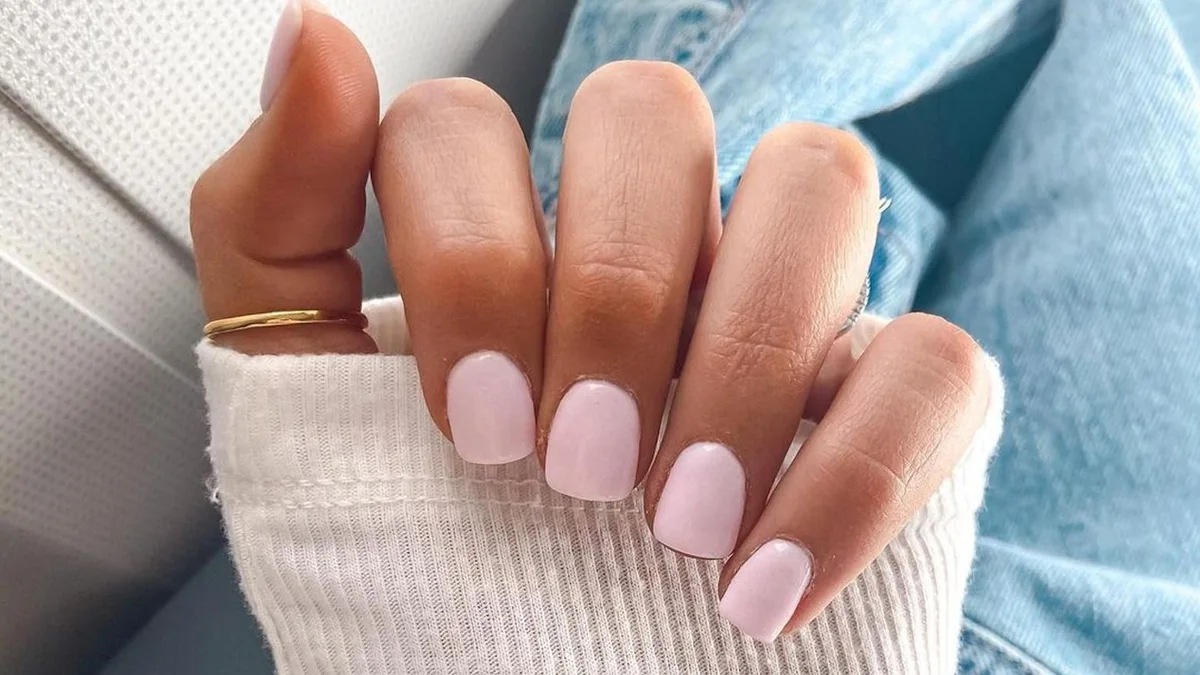

Dip powder nails are a popular choice for people who want a long-lasting manicure without using a UV or LED lamp. The process combines a bonding liquid, colored powder, an activator, and a top coat to create a hard layer over the natural nail.
A dip powder manicure can last around three to four weeks, although the exact wear time depends on the product, application, and daily activities.
This guide explains how dip powder nails work, what happens during the application, how they compare with gel and acrylic nails, and how to care for and remove them safely.
Key Takeaways
- Dip powder nails use bonding liquid, colored powder, activator, and top coat.
- Standard dip systems do not need a UV or LED lamp.
- A dip manicure often lasts around three to four weeks.
- Wear time depends on application, nail growth, and daily activities.
- Avoid peeling, picking, or scraping off the product.
- Shared powder jars can create hygiene risks.
- Acetone removal requires care because it can dry and irritate the skin.
- Stop using nail products if you develop signs of an allergic reaction.
What Are Dip Powder Nails?

Dip powder nails are a type of manicure made with a bonding liquid and colored powder. The powder sticks to the wet base layer. An activator then hardens the product, and a top coat seals the surface.
Unlike gel polish, a standard dip powder system does not need a UV or LED lamp. The activator helps the product harden through a chemical process.
A typical dip powder system includes four main products:
- Base coat: Helps the powder stick to the nail.
- Colored powder: Adds the color and builds the coating.
- Activator: Helps harden the layers.
- Top coat: Seals the manicure and adds shine.
Dip powder creates a firm coating over the natural nail. It is not the same as a nail extension, although some systems can be used to add length.
If you are comparing different artificial nail options, read our guide to fake nails and their types.
How Dip Powder Nails Are Applied: 6 Steps
The exact instructions can vary by brand, so a nail technician should follow the product manufacturer’s directions. A typical salon service follows these six steps.
1. Prepare the Nails
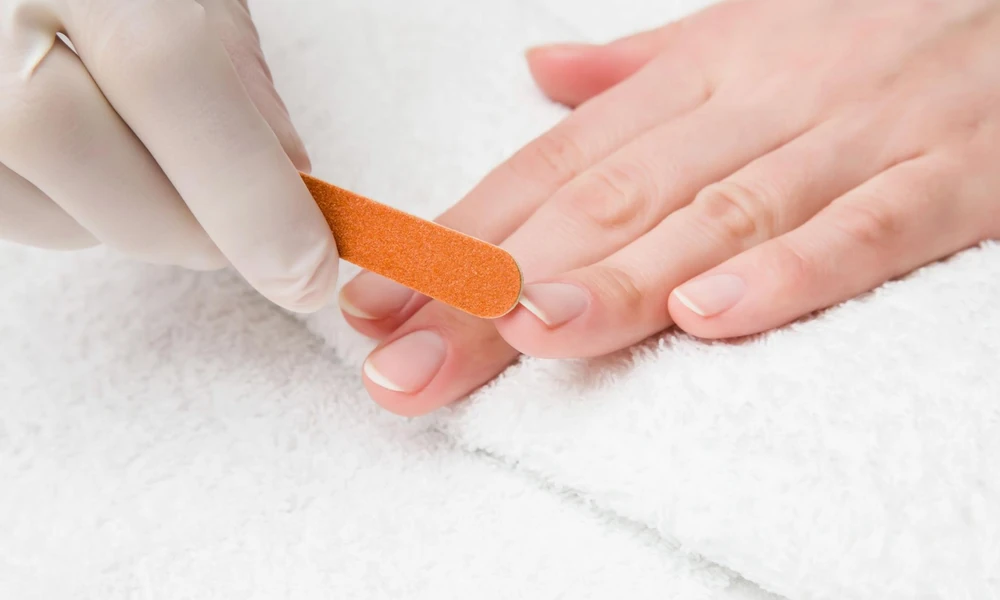
The technician cleans the nails and shapes them to the desired length. The nail surface may be lightly prepared so the product can stick. Cuticles should not be cut or pushed back forcefully. Rough filing can also weaken the natural nail.
2. Apply the Base Coat

A thin layer of bonding liquid is applied to the nail. It is usually best to work on a few nails at a time so the product does not dry before the powder is applied.
3. Apply the Colored Powder
The nail is coated with colored powder. Depending on the salon’s method, the technician may sprinkle powder over the nail or use a separate container for each client. The base coat and powder steps may be repeated to build the desired color and thickness. Follow the system’s instructions rather than using extra layers without a reason.
4. Apply the Activator
The activator is brushed over the powder. It helps the product harden. A standard dip powder system does not need a UV or LED lamp for this step.
5. Shape and Smooth the Nails

Once the product has hardened, the technician files the surface and edges to create an even shape. This step needs care. Heavy filing can thin the natural nail, so the technician should avoid removing more of the nail surface than necessary.
6. Apply the Top Coat
The final top coat seals the color and creates the finish. Many dip manicures have a glossy look, but the final appearance depends on the products used. The technician should allow each layer to dry or set according to the product instructions.
Dip Powder Nails vs. Gel vs. Acrylic

Dip powder, gel polish, and acrylic nails are different systems. They also have different application and removal methods.
| Feature | Dip powder | Gel polish | Acrylic nails |
| Main products | Bonding liquid and colored powder | Gel polish | Liquid and powder acrylic system |
| How it hardens | Chemical activator | UV or LED lamp | Chemical reaction after mixing |
| Lamp needed | No, for standard systems | Usually yes | No |
| Typical wear | Often around 3–4 weeks | Often around 2–3 weeks | Depends on the set and maintenance |
| Nail extensions | Some systems can add length | Depends on the gel system | Commonly used for extensions |
| Removal | Usually filing and acetone soaking | Depends on the gel formula | Usually professional filing and/or soaking |
No system is automatically the safest choice for everyone. Nail damage can happen when the natural nail is over-filed, when product is peeled off, or when removal is rushed.
Choose a system based on the look you want, the condition of your nails, and whether you can have it applied and removed properly.
How Long Do Dip Powder Nails Last?
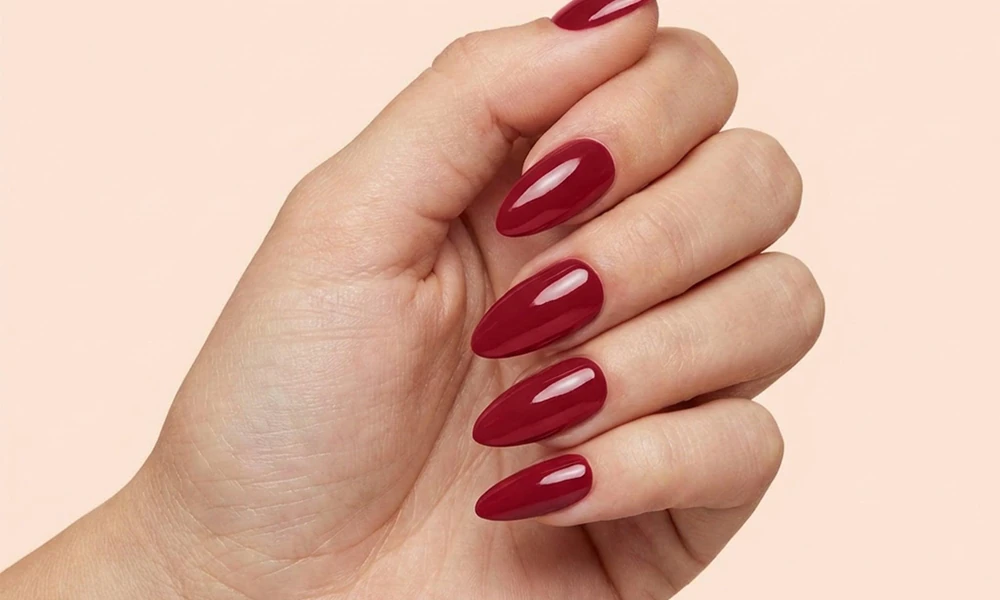
Dip powder nails often last around three to four weeks. Some people may get longer wear, while others notice lifting or damage earlier.
Wear time depends on several things:
- How well the nails were prepared.
- Whether the products were applied correctly.
- The condition of your natural nails.
- How often your hands are exposed to water and cleaning products.
- Your daily activities and nail habits.
As your natural nails grow, a gap appears between the product and the cuticle area. This is normal growth, not necessarily a sign that the manicure has failed.
Do not keep a damaged or lifting set on just to reach a certain number of weeks. Have it checked or removed safely.
Aftercare Tips for Dip Powder Nails
A dip manicure still needs care. These simple habits can help protect the coating and the natural nails underneath.
Apply Cuticle Oil
Use cuticle oil or a suitable moisturizer around your nails. This helps keep the surrounding skin from becoming dry.
Wear Gloves for Cleaning
Wear protective gloves when washing dishes or using household cleaning products. Long exposure to water and chemicals can affect the manicure and dry the skin.
Do Not Pick or Peel the Product
Picking at a lifted edge can remove layers of your natural nail. If the coating starts to lift, do not pull it off. Arrange proper repair or removal.
Avoid Using Nails as Tools
Do not use your nails to open cans, scrape labels, or force objects apart. These actions can cause the coating to crack or lift.
Check Your Natural Nails
Look at your nails after the color is removed. Pay attention to unusual discoloration, lifting, swelling, or changes in the skin around the nails.
If you notice a problem, avoid covering it with another manicure until you understand what is causing it.
How to Remove Dip Powder Nails

Dip powder should not be peeled, pulled, or scraped off while it is hard. Forceful removal can damage the natural nail.
Many dip systems are removed by reducing the product thickness and soaking the remaining coating in acetone. However, the correct method depends on the product. Follow the manufacturer’s removal instructions or visit a trained nail technician.
A typical removal process involves:
- Reduce the top layer: A technician carefully files the shiny top coat and some of the product. Avoid filing into the natural nail.
- Prepare the soak: Small pieces of cotton are soaked in acetone and placed over the nails.
- Wrap the nails: Each nail can be wrapped with foil to keep the cotton in place.
- Wait as directed: Allow the product to soften according to the system’s instructions. Removal time can vary.
- Check the product: If the coating has softened, it may begin to loosen. Do not force it off.
- Repeat if needed: If the product remains firm, soak again or ask a professional for help.
- Moisturize: Wash your hands and apply moisturizer or cuticle oil after removal.
Acetone safety: Acetone is flammable and can irritate the skin. Use it in a well-ventilated area and keep it away from flames, cigarettes, stoves, heaters, and other heat sources. Never microwave or directly heat acetone.
If you want more detail about gentle removal, read our guide on how to remove acrylic nails. Acrylic and dip systems are not identical, so always check the removal instructions for the product you are wearing.
Dip Powder Nail Problems to Watch For
Dip powder manicures can look neat and last for weeks, but problems can still happen.
Lifting at the Edges
Lifting can happen when the product does not bond properly or when the manicure is exposed to stress. Do not pull at a lifted area. Have it checked and repaired or removed safely.
Thick or Uneven Nails
Too much product or poor shaping can make the nails look bulky. The layers should be applied evenly, and filing should be controlled.
Nail Weakness
Repeated buffing, filing, and acetone removal can leave natural nails dry or thin. Give your nails time without artificial coatings if they become weak or damaged.
Itching, Burning, or Swelling
Some people develop an allergic reaction to ingredients in nail products. Signs can include itching, redness, swelling, or small blisters around the nails. Stop using the product if you notice a reaction. Seek advice from a dermatologist, especially if symptoms continue or become worse.
Is Dip Powder Nail Application Hygienic?
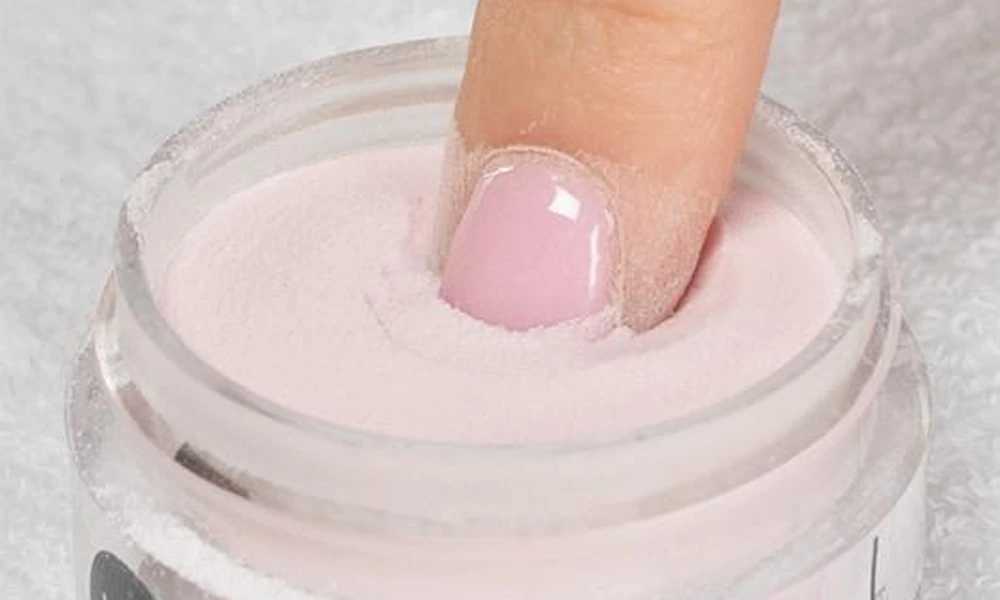
Hygiene is important when choosing a salon for dip powder nails. One major concern is sharing a powder container. If several clients put their fingers into the same jar, germs can pass from one person to another.
The American Academy of Dermatology recommends that salons avoid this practice. Safer methods include:
- Sprinkling powder over the client’s nail.
- Pouring powder into a separate disposable container for each client.
- Throwing away any unused powder from a single-use container.
You can ask the technician how the powder is applied before booking. A clean station, clean tools, and proper hand hygiene also matter.
Frequently Asked Questions
Do dip powder nails need a UV lamp?
No. Standard dip powder systems use an activator to harden the product. They do not need a UV or LED lamp in the same way that gel polish does.
How long do dip powder nails last?
They often last around three to four weeks. Actual wear time depends on the product, application, nail growth, and daily activities.
Are dip powder nails bad for natural nails?
They can contribute to nail damage, especially when the natural nail is over-filed or the product is removed by peeling or scraping. Careful application and proper removal help reduce the risk.
Can dip powder nails be removed at home?
Some systems can be removed at home with the correct products and instructions. However, removal can take time, and forcing off hard product can damage the nail. Ask a professional if you are unsure which system you have.
Why do my dip powder nails look thick?
The coating may be too thick because too much powder or too many layers were applied, or because the product was not shaped properly. A trained technician should create an even finish without filing into the natural nail.
Can dip powder nails cause an allergic reaction?
Yes. Some people react to ingredients in the bonding products. Itching, redness, swelling, or blisters around the nails may be signs of a reaction. Stop using the product and seek medical advice.
How can I tell if a dip powder salon is clean?
Ask how the salon handles its powder. The technician should not dip several clients’ fingers into the same shared jar. Look for clean work surfaces, clean tools, and good hand hygiene.
Final Thoughts
Dip powder nails are an option for people who want a firm, long-lasting manicure without a UV or LED lamp. The process is different from gel polish and acrylic nails, so it is important to understand how the system works before choosing it.
For better nail care, choose a clean salon, avoid shared powder jars, and never peel or scrape off the coating. Follow the correct removal instructions and give your natural nails attention between manicures.
A neat manicure should not come at the cost of damaged nails. The American Academy of Dermatology’s dip powder manicure guide shares dermatologist advice for getting dip powder nails while protecting nail health.









