

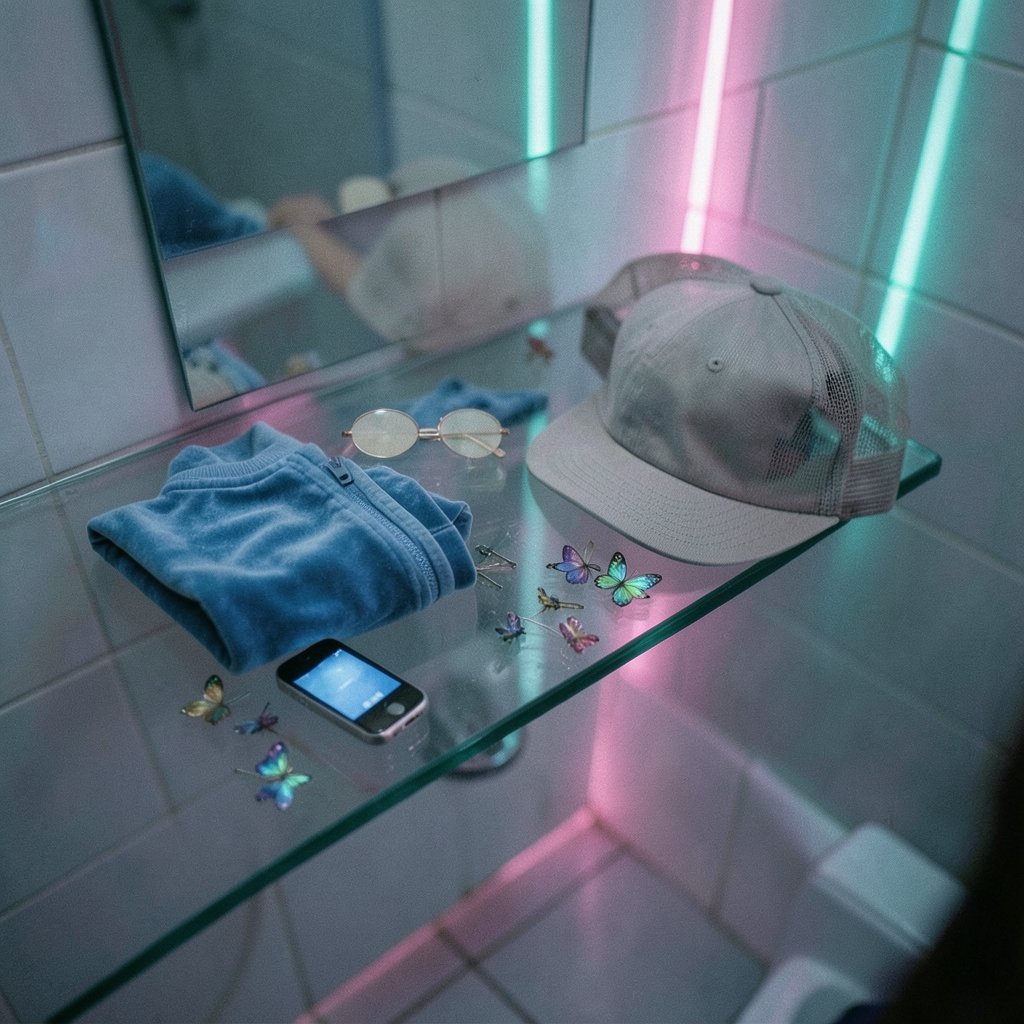
What happens when a decade’s style is so strange, so specific, and so deeply tied to celebrity culture that people can’t stop talking about it twenty years later? Early 2000s fashion is that decade. Velour tracksuits. Whale tails. Tiny sunglasses before they were ironic. Trucker hats worn with absolute sincerity. The era gets mocked, then revived, then mocked again, and somehow it keeps coming back. This guide breaks down what early 2000s fashion actually was, why it happened, and how to wear it today without looking like you raided a costume box.
What Counts as Early 2000s Fashion?
First, a definition problem. Fashion historians don’t agree on exact dates. Some start the era in 1997, others in 2000. Some end it in 2003, others stretch it to 2005. The term Y2K fashion is itself a later coinage, named after the Year 2000 computer-bug anxiety, not a label designers used at the time. That matters because it tells you something honest: this era was defined in hindsight, by people looking back and noticing patterns.
Broadly, the era runs from roughly 1998 to 2003, with a boho-chic transition around 2003 to 2005 led by Sienna Miller, Kate Moss, and Chloé under Phoebe Philo (who became creative director in 2001). Think of it as two acts: the glossy, logo-driven Y2K act, then the floaty, vintage-inspired boho act.
The Low-Rise Jean and the Silhouette That Defined a Generation
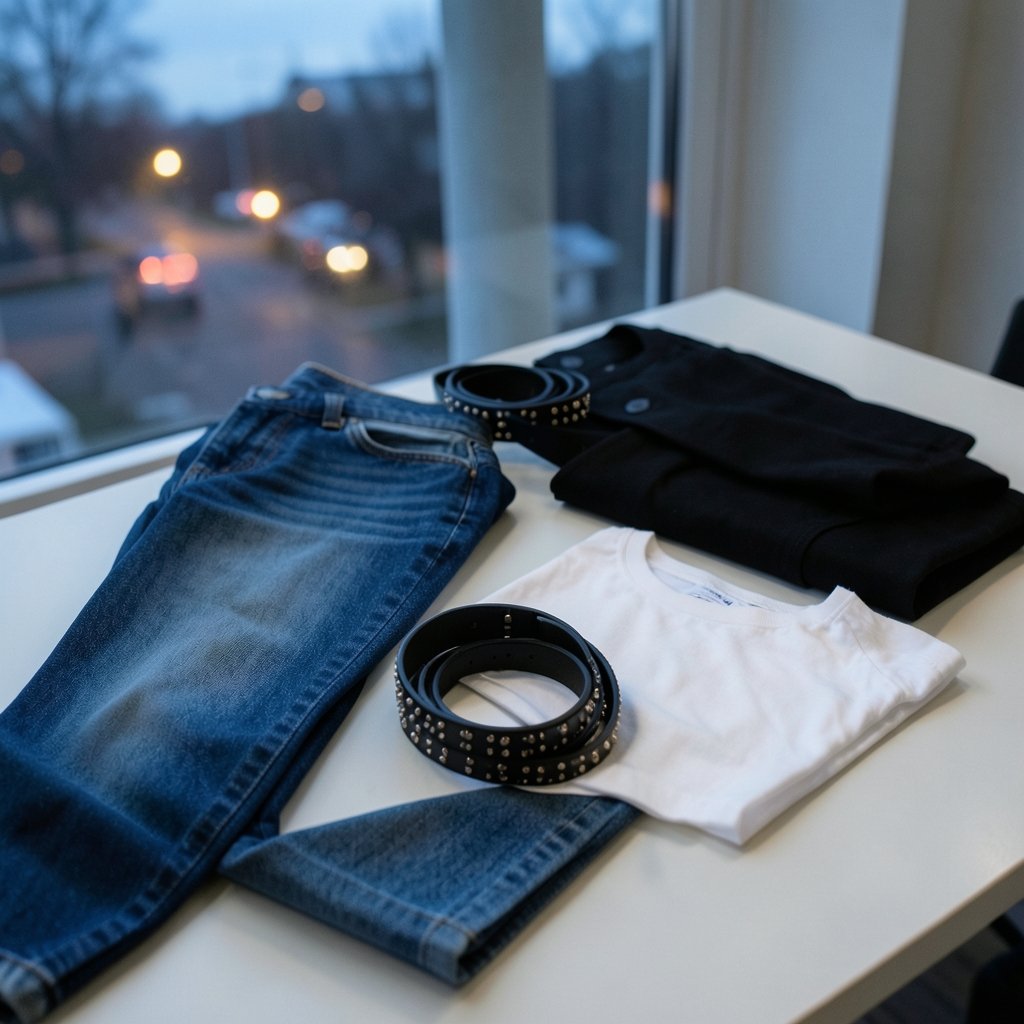
If you remember one thing about early 2000s fashion, it’s the low-rise jean. Waistbands dropped, hemlines flared, and the midriff became the center of the outfit. The trend is often traced to designers including Tom Ford at Gucci and Miuccia Prada, and it hit mass-market saturation around 2001 to 2003. Exact origins are disputed among fashion historians, which is fair, because trends rarely have a single parent.
What made low-rise stick wasn’t the runway. It was the mall. The silhouette worked with everything the decade loved: cropped tops, belts worn as decoration, exposed waistbands, and the layered look that made getting dressed feel like assembling a outfit from parts.
Practical tip for wearing low-rise today
The mistake people make is copying the exact proportions of 2002. Instead, balance the waistband with volume elsewhere: a boxy jacket, a longer top layer, or wide-leg denim. The goal is proportion, not replication. Also, check the rise measurement before buying online. “Low-rise” today can mean anything from 7 to 9 inches, and a half-inch changes everything.
Velour, Logos, and the Celebrity Machine
Juicy Couture tracksuits launched in 2001 and became a celebrity status item by 2002 to 2004. The brand itself was founded in 1997 by Pamela Skaist-Levy and Gela Nash-Taylor. Velour, low-rise, flared, often in pastel or hot pink, worn with a tiny bag and sunglasses. It was comfortable clothing marketed as aspirational, which is a very early 2000s trick.
Then came the logos. Von Dutch trucker hats peaked around 2002 to 2004, popularized by Ashton Kutcher and other celebrities. The brand’s boom and ugly decline are documented in the 2019 documentary The Curse of Von Dutch, released on Hulu in 2021. Baby Phat, launched in 1999 by Kimora Lee Simmons, and Ed Hardy, revived in the mid-2000s, round out the logo-mania moment. The aesthetic was simple: if people couldn’t read the brand from across a room, what was the point?
This is where early 2000s fashion connects to bigger shifts in how style spread. The decade’s look was powered by paparazzi photos, music videos, and reality TV in a way earlier eras weren’t. For a deeper look at how image culture rewrote the rules, the story of how 2010s fashion, athleisure and streetwear collided on Instagram picks up exactly where this era left off.
The It Bag Era and Fast Fashion’s Big Moment
The early 2000s were the golden age of the It bag. The Fendi Baguette, launched in 1997, peaked in the early 2000s. The Balenciaga Motorcycle bag arrived in 2001 via Nicolas Ghesquière. Bags became characters in their own right, and Sex and the City (HBO, 1998 to 2004) turned accessory obsession into plot.
Meanwhile, fast fashion scaled up fast. Zara expanded internationally through the late 1990s and 2000s. H&M’s designer collaboration era began with Karl Lagerfeld in November 2004, a moment that changed how high-low fashion worked. Suddenly a designer name could appear in a mall store, and the queue outside became its own kind of status symbol.
| Element | Early 2000s Version | Modern Equivalent |
|---|---|---|
| Waistline | Low-rise, exposed midriff | Mid or high-rise with crop layers |
| Tops | Tiny, cropped, logo-heavy | Fitted knits, cropped but layered |
| Bottoms | Flared low jeans, velour pants | Wide-leg denim, relaxed trousers |
| Accessories | Tiny shoulder bag, trucker hat | Mini bag, baseball cap |
| Footwear | Pointed boots, platform sandals | Chunky loafers, strappy heels |
Why Did This Era Look Like That?
Three forces explain most of it.
First, technology optimism. The late 1990s and early 2000s felt futuristic. Shiny fabrics, metallic accents, and synthetic materials reflected a culture obsessed with the new millennium. Fashion responded with clothes that looked like they belonged in a music video, because often they did.
Second, celebrity accessibility. Reality TV blurred the line between famous and famous-for-being-famous. The Simple Life (2003 to 2007) made leisurewear and obliviousness into entertainment. When celebrity felt achievable, celebrity style felt copyable.
Third, cheap production. Fast fashion made trend cycles faster and cheaper. A trend could go from runway to mall in weeks. That speed is why the era looks so loud in retrospect: there was no time for subtlety.
If you want to see how designers translate runway energy into something people actually wear, Angelica Hicks turns runway moments into illustrations that capture exactly this kind of cultural shorthand.
Boho-Chic: The Soft Landing
Around 2003 to 2005, the mood shifted. Out went the velour and the logos; in came floaty dresses, belts over tunics, layered jewelry, and a vintage-hunting sensibility. Sienna Miller and Kate Moss became the faces of it. Chloé under Phoebe Philo gave it designer credibility.
Boho-chic is technically the tail end of the era, but it matters because it shows how fast early 2000s fashion moved. In five years, the dominant look went from synthetic and shiny to earthy and layered. That pivot is why periodization is contested: depending on where you draw the line, the era ends in 2003 or 2005, and both answers are defensible.
How Early 2000s Fashion Came Back
The revival started in the mid-to-late 2010s and has never fully stopped. Low-rise jeans returned on runways. Tiny sunglasses came back as a deliberate joke. Trucker hats reappeared, this time worn knowingly. The difference between then and now is irony. In 2002, a Von Dutch hat was sincere. In 2026, it’s a reference.
That’s also why the current revival looks different. Today’s version is more curated, more sustainable in intent, and more aware of the era’s problems, including its lack of size inclusivity and its disposable production model. For a broader read on where things stand now, this 2026 fashion trends guide covers what’s in, out, and worth wearing, and the 2026 fashion trends female tag collects the ongoing coverage. If you’re tracking the revival specifically, the fashion trends 2026 archive is a useful running record.
Common mistakes when reviving the look
- Buying true vintage without checking condition. Twenty-year-old velour often has stretched elastic and pilling. Inspect seams and waistbands.
- Ignoring proportion. A low-rise jean with a cropped top and no layering reads as costume. Add one modern element.
- Overdoing the logos. One logo piece is a statement. Three is a theme party.
- Skipping the fit check. Early 2000s cuts ran small and straight. Modern sizing varies wildly, so measure.
What Actually Works in Practice
The most reliable way to wear early 2000s fashion today is to borrow one or two elements, not the whole outfit. A low-rise flare with a simple fitted tee and modern sneakers. A velour hoodie with tailored trousers. A mini shoulder bag with an otherwise minimal look. The era’s pieces are strong enough to carry a look alone.
Fabric matters too. The original era leaned on synthetics because they were cheap and shiny. Modern versions in better materials drape differently, which is usually an improvement. If you’re shopping, check the composition label: a cotton-blend velour behaves very differently from a polyester one.
And be honest about comfort. Low-rise jeans were famously unforgiving, and that wasn’t a neutral design choice. Today’s versions often sit slightly higher and stretch more. That’s not a compromise; it’s an upgrade.
The Era’s Legacy in 2026
Early 2000s fashion left behind more than memes. It normalized casualwear as public wear, accelerated fast fashion’s global reach, and proved that celebrity culture could drive sales faster than any ad campaign. It also gave us the modern trend cycle: faster, louder, and more self-aware.
The revival continues partly because the era is easy to remix. Its pieces are recognizable, its references are clear, and its mistakes are instructive. That combination keeps designers coming back. The broader Italian luxury fashion world has also absorbed the era’s influence, particularly in accessory design and logo revival strategies, showing that even the loudest trends get absorbed into high-end vocabulary eventually.
Conclusion
Early 2000s fashion is a decade that refuses to be filed away neatly. Its boundaries are fuzzy, its taste is debatable, and its influence is undeniable. Low-rise denim, velour tracksuits, trucker hats, and It bags defined an era shaped by technology optimism, celebrity culture, and cheap, fast production. The boho-chic pivot showed how quickly the mood could change. And the ongoing revival shows that even the most mocked trends eventually earn a second look.
The smartest way to engage with it now is selectively. Take the silhouette, skip the excess. Borrow the confidence, leave the disposable production behind. Done right, early 2000s style isn’t a nostalgia trip. It’s a reminder that fashion’s most awkward moments are often its most influential ones.
FAQ
What years count as early 2000s fashion?
Most sources place it roughly between 1998 and 2003, with a boho-chic transition running to about 2005. There’s no single authoritative definition, and historians disagree on exact start and end dates.
Why is it called Y2K fashion?
The term references the Year 2000 computer-bug anxiety. It’s a retrospective label coined later, not a term designers used during the era itself.
Who popularized low-rise jeans?
The trend is often traced to designers including Tom Ford at Gucci and Miuccia Prada, with mass-market saturation around 2001 to 2003. Exact origins are disputed among fashion historians.
When did Juicy Couture tracksuits become popular?
The velour tracksuit launched in 2001 and became a celebrity status item by 2002 to 2004. The brand was founded in 1997 by Pamela Skaist-Levy and Gela Nash-Taylor.
What ended the Y2K look?
The boho-chic turn around 2003 to 2005 shifted the mood toward floaty dresses and layered styling, associated with Sienna Miller, Kate Moss, and Chloé under Phoebe Philo.
Is early 2000s fashion back in style?
Yes. The revival began in the mid-to-late 2010s and continues, though today’s versions are usually more curated and worn with irony rather than sincerity.
The era also left a practical lesson about trend literacy. Recognizing why a look returns, and what conditions produced it, makes it easier to decide whether to participate. That skill matters more now than it did in 2002, when trends arrived through a handful of magazines and music videos rather than an endless feed. Early 2000s fashion rewards that literacy: its references are legible, its excesses are obvious, and its best pieces still work when separated from the hype that surrounded them.














