


What happens when a brand built on body-hugging clubwear starts dressing six-year-olds? That question sits at the center of the conversation around Fashion Nova Kids, the children’s extension of the Los Angeles fast-fashion giant. The line has become a flashpoint in a much bigger argument about how young girls are styled, how fast fashion treats its youngest customers, and whether adult trends should trickle down to playgrounds at all. This article walks through what the line actually is, why critics push back, what parents should weigh, and how to shop it without regrets.
What Fashion Nova Kids Actually Is
Fashion Nova built its reputation on curve-hugging dresses, crop tops, and the kind of outfits that live on Instagram grids. The kids line applies that same aesthetic logic to children’s clothing, offering coordinated sets, mini versions of adult silhouettes, and trend-driven pieces at low price points.
The formula is familiar across fast fashion: take a popular adult look, shrink it, and ship it fast. That approach explains the line’s appeal to parents who want affordable, photogenic outfits. It also explains the unease. A garment that reads as playful on a 25-year-old can read very differently on a seven-year-old, and the gap between those two readings is where most of the criticism lives.
It helps to place the brand in a wider context. Fashion Nova sits inside a broader Italian luxury fashion and global apparel ecosystem where trend cycles now move at social-media speed, and children’s clothing has been pulled along with it. The same forces that push adult trends from runway to rack in weeks also push them into kids’ sections.
Why the Line Draws Criticism
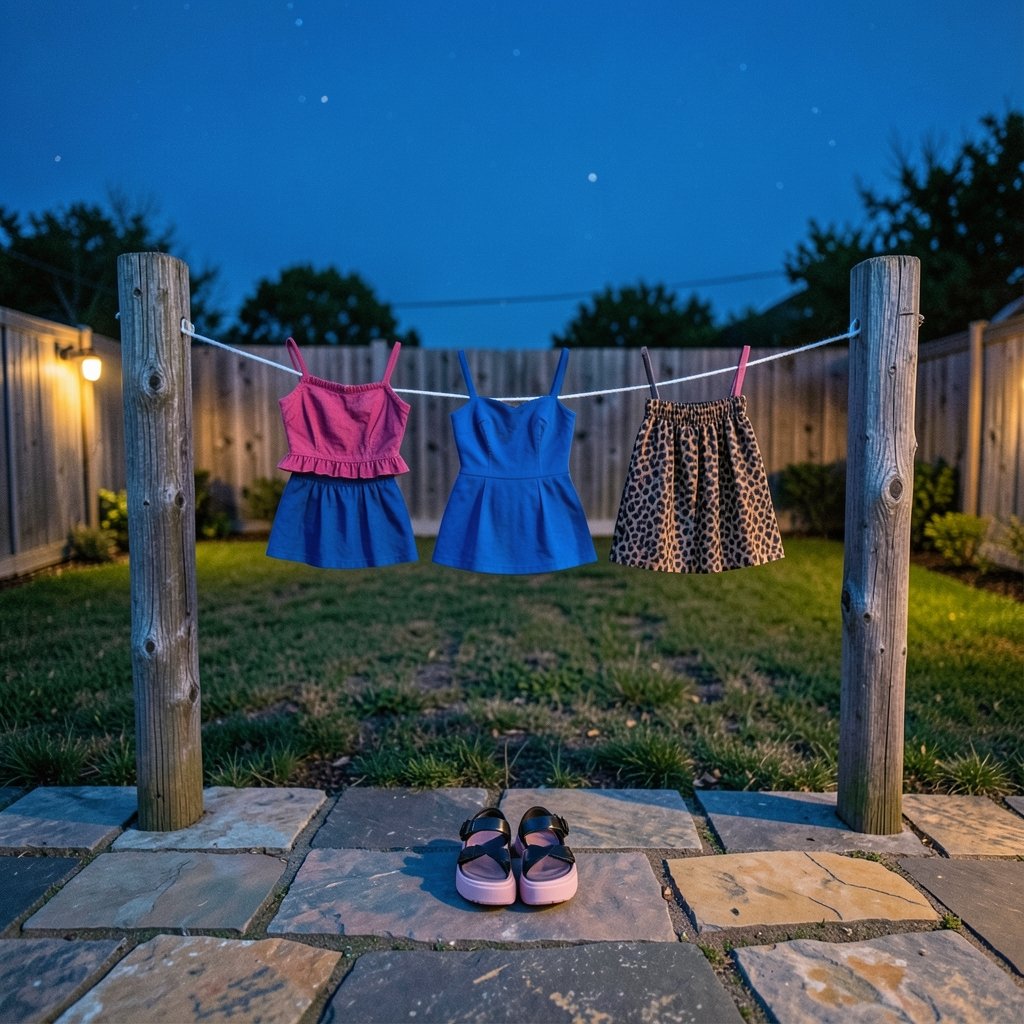
Adult Aesthetics on Young Bodies
The most common complaint is stylistic. Critics argue that some Fashion Nova Kids pieces mirror adult designs too closely, with fitted silhouettes, crop lengths, and styling that reads as mature rather than childlike. Parents who object rarely frame it as prudishness. Their concern is developmental: clothing shapes how kids see themselves and how others see them, and dressing children in miniature adult outfits can speed up expectations they are not ready for.
This is not a new argument. Every generation has debated whether children’s clothing has grown up too fast. What is new is the speed and scale. A trend that once took a season to reach a kids’ department now appears within days, and social media amplifies every look to an audience far younger than the one the style was designed for.
Fast Fashion’s Environmental and Labor Record
The second line of criticism targets the business model itself. Fast fashion is built on high volume, low prices, and rapid turnover. That model has well-documented environmental costs, from textile waste to the resources consumed in producing garments worn a handful of times. Children outgrow clothes quickly, which makes the waste problem even sharper: a cheap outfit that lasts one season is a bargain for the wallet and a loss for the planet.
Labor questions follow the same logic. Low retail prices depend on low production costs, and scrutiny of supply chains across the industry has not faded. These critiques apply to the parent company rather than the kids line specifically, but parents shopping for children often weigh them more heavily than they would for themselves.
Regulatory Scrutiny of the Parent Brand
Fashion Nova has drawn attention from U.S. regulators on separate matters. The Federal Trade Commission took action over suppressed negative reviews, resulting in a settlement in 2022. California’s attorney general reached a settlement with the company in 2020 over shipping-delay disclosures. Neither action concerned children’s clothing, but both shape how consumers read the brand’s promises. Parents researching the line will encounter these episodes, and they are worth understanding rather than dismissing.
What Parents Actually Get
Strip away the debate and the practical question remains: what is the line like to shop and wear? Based on how the brand operates and what fast-fashion kids’ lines typically deliver, here is a realistic breakdown.
| Factor | What to Expect | What to Watch |
|---|---|---|
| Price | Low, with frequent promotions | Bundles can encourage overbuying |
| Sizing | Trend-led cuts that may run slim | Check size charts, not age labels |
| Fabric | Mixed quality, often synthetic-heavy | Feel for stretch and breathability |
| Durability | Variable; built for a season | Wash tests reveal a lot |
| Style | Adult trends, scaled down | Assess each piece on its own |
| Returns | Policy-dependent, read the fine print | Keep tags until you are sure |
The practical takeaway is that quality varies piece by piece. Some items hold up through repeated washing; others pill or lose shape quickly. Parents who treat the line as a source of occasional fun pieces rather than a full wardrobe tend to be happier with the results.
Practical Tips for Shopping Kids’ Fast Fashion
Experience with fast-fashion children’s lines points to a handful of habits that separate smart buys from regret purchases.
- Judge the garment, not the photo. Styled shoots use lighting, posing, and accessories that change how a piece reads. Imagine it on a kid running through a park.
- Read the fabric composition before the price. Natural fibers and breathable blends matter more for children’s skin than for adults.
- Check the size chart against measurements. Trend-led cuts often run slim; age labels are a rough guide at best.
- Buy for the season you are in. Deep discounts on end-of-season stock often mean the item fits for three weeks.
- Set a per-item ceiling. A low price is only a deal if the piece gets worn more than twice.
- Wash one item before committing to the rest. A single test wash tells you more about durability than any product description.
A common mistake is buying a full coordinated set because the styling looks great online. In practice, kids wear the pieces separately, and one weak item drags down the value of the whole purchase. Another mistake is ignoring return windows. Fast-fashion return policies vary, and a missed deadline turns a bad fit into a permanent loss.
How the Kids Line Fits Into 2026 Fashion Trends
Children’s clothing rarely invents trends; it absorbs them. The looks showing up in kids’ sections now echo what is happening in adult fashion, filtered through the same trend machinery that shapes the wider fashion trends 2026 conversation. Athleisure, coordinated sets, and social-media-driven micro-trends all trickle down quickly.
That trickle-down is worth watching closely. The 2010s fashion athleisure streetwear Instagram rewrote rules era showed how fast a casual, body-conscious aesthetic could become the default, and those same visual codes now appear in miniature. Parents who want a broader view of where style is heading can consult a 2026 fashion trends guide to see which adult trends are likely to appear in kids’ collections next.
For parents thinking about what to buy for the year ahead, the useful question is not “what is trending” but “which trends survive contact with a school day.” A trend that requires careful styling rarely lasts in a child’s closet. One that works with sneakers and a backpack usually does.
The Bigger Conversation About Kids and Style
The Fashion Nova Kids debate is a proxy for a larger question: how much should children’s clothing reflect adult culture? There is no consensus, and the disagreement is genuine rather than manufactured.
On one side, parents argue that kids should be allowed to be kids, and that clothing marketed to them should not fast-forward adolescence. On the other, plenty of parents see no harm in affordable, fun outfits and resent the implication that their choices are irresponsible. Both positions have reasonable ground.
What tends to get lost is the middle path. A child can wear a trendy outfit without the outfit defining them. A parent can buy from a fast-fashion brand while pushing for better materials, fairer production, and more age-appropriate design. Consumer pressure has moved the industry before, and it will again.
For anyone tracking how fashion media frames these questions, the way runway moments get translated for everyday shoppers is part of the story. Outlets that document that translation, such as Angelica Hicks’ fashion illustration work that turns runway moments into commentary, show how quickly a high-fashion idea becomes a mainstream look, and how that look then reaches the children’s rack. Understanding that pipeline makes it easier to decide where to draw your own line.
What to Watch Going Forward
The children’s fast-fashion segment is growing, and scrutiny will grow with it. Expect continued debate over age-appropriate design, more attention to supply chains, and pressure on brands to disclose more about materials and production. Parents who want to stay informed can follow fashion media that covers the industry critically, including outlets that track how trends move from catwalk to closet, like the coverage of the 2026 fashion trends female market and the reporting on how Barbie’s world tour book delivered the fashion movie only hinted at in its on-screen styling.
One quieter shift is worth noting: newsletters and independent writers now shape buying decisions as much as traditional magazines do. A guide to finding the best fashion substacks without wasting your inbox is a practical starting point for parents who want independent, critical coverage rather than marketing copy.
Conclusion
Fashion Nova Kids is less a scandal than a mirror. It reflects how fast trends now travel, how aggressively adult aesthetics get pushed toward younger audiences, and how hard it is for parents to balance budget, style, and values in a single purchase. The line offers affordable, trend-forward options, and it comes with real questions about design, materials, and the environmental cost of disposable clothing.
The balanced position is not to boycott or to buy blindly, but to shop deliberately. Judge each piece on fabric, fit, and whether a child will actually wear it. Read the size chart. Test one wash. Set a spending ceiling. And keep asking brands for better. The debate over what children should wear will not be settled by one retailer, but the choices parents make at checkout send a signal the industry cannot ignore.
Frequently Asked Questions
What is Fashion Nova Kids?
Fashion Nova Kids is the children’s clothing line from Fashion Nova, the Los Angeles fast-fashion retailer known for trend-driven, body-conscious adult styles. The kids line applies a similar aesthetic to children’s clothing, offering coordinated sets and scaled-down versions of adult looks at low price points.
Why has Fashion Nova Kids been criticized?
Critics raise two main concerns. First, some pieces closely mirror adult designs, with fitted silhouettes and mature styling that opponents say pushes children to grow up too fast. Second, the fast-fashion model itself draws criticism for its environmental footprint and labor practices, concerns that apply to the parent company rather than the kids line alone.
Is Fashion Nova Kids good quality?
Quality varies by item. Some pieces hold up well through repeated washing, while others pill or lose shape after a few wears. Parents generally get better results by checking fabric composition, reading size charts carefully, and test-washing one item before buying more.
How should parents choose sizes in the kids line?
Measure the child rather than relying on age labels. Trend-led cuts often run slim, so compare actual chest, waist, and height measurements against the brand’s size chart. When a child falls between sizes, sizing up usually gives more wear before the garment is outgrown.
Does Fashion Nova have regulatory problems?
The parent company has faced regulatory action on matters unrelated to the kids line. The Federal Trade Commission took action over suppressed negative reviews, settled in 2022, and California’s attorney general reached a settlement in 2020 over shipping-delay disclosures. Neither case involved children’s clothing.
Is it okay to buy children’s clothes from fast fashion?
Many parents do, and the decision comes down to personal priorities. A practical approach is to buy fewer, more versatile pieces, favor breathable fabrics, check return policies, and treat fast-fashion items as occasional additions rather than a full wardrobe. Consumer pressure for better materials and age-appropriate design has influenced the industry before.














