



What makes a decade of clothes refuse to die? The 1970s have been declared “back” so many times that the phrase has lost meaning. Yet the era’s best ideas keep resurfacing, not because designers run out of imagination, but because the 70s solved problems that never went away: how to look dressed up without being uncomfortable, how to mix colour without looking chaotic, and how to wear one outfit from a daytime errand to a nighttime party. (September vacation ideas)
That durability is why 70s fashion ideas remain one of the most searched style topics year after year. The decade gave the world platform boots, wide-leg trousers, wrap dresses, and a colour palette that still looks warm on almost everyone. It also produced a few traps, and knowing where those traps are is half the battle. This guide walks through the silhouettes, fabrics, and styling tricks worth borrowing, plus the mistakes that make a 70s look read as a costume rather than an outfit. (Halloween fashion show runway ideas costume trends actually)
Why the 70s Keep Coming Back
The 1970s were not one style. They were at least four running at once. Glam rock put David Bowie and Marc Bolan in metallic jumpsuits and platform boots in the early to mid-70s. Disco dressing spread wrap dresses, halter necks, sequins, and wide-leg trousers from dance floors into mainstream shops, especially after 1977’s Saturday Night Fever. Punk arrived around 1976 and 1977 as a deliberate rejection of all of it, with ripped T-shirts, safety pins, and tartan. And underneath all three sat a quieter revolution: tracksuits, jeans, and T-shirts became everyday wear, and unisex clothing was a noted retail trend in the early 1970s.
That range is the reason the decade never really leaves. If you want glamour, it is there. If you want rebellion, it is there. If you want to wear elasticated trousers and call it fashion, the 70s got there first. (Italian luxury fashion)
One caution before diving in: exact peak years for any trend vary by country. A silhouette that dominated London in 1971 might have reached American high streets two years later. Treat every date here as a rough marker, not a rule.
Start With the Silhouette, Not the Costume
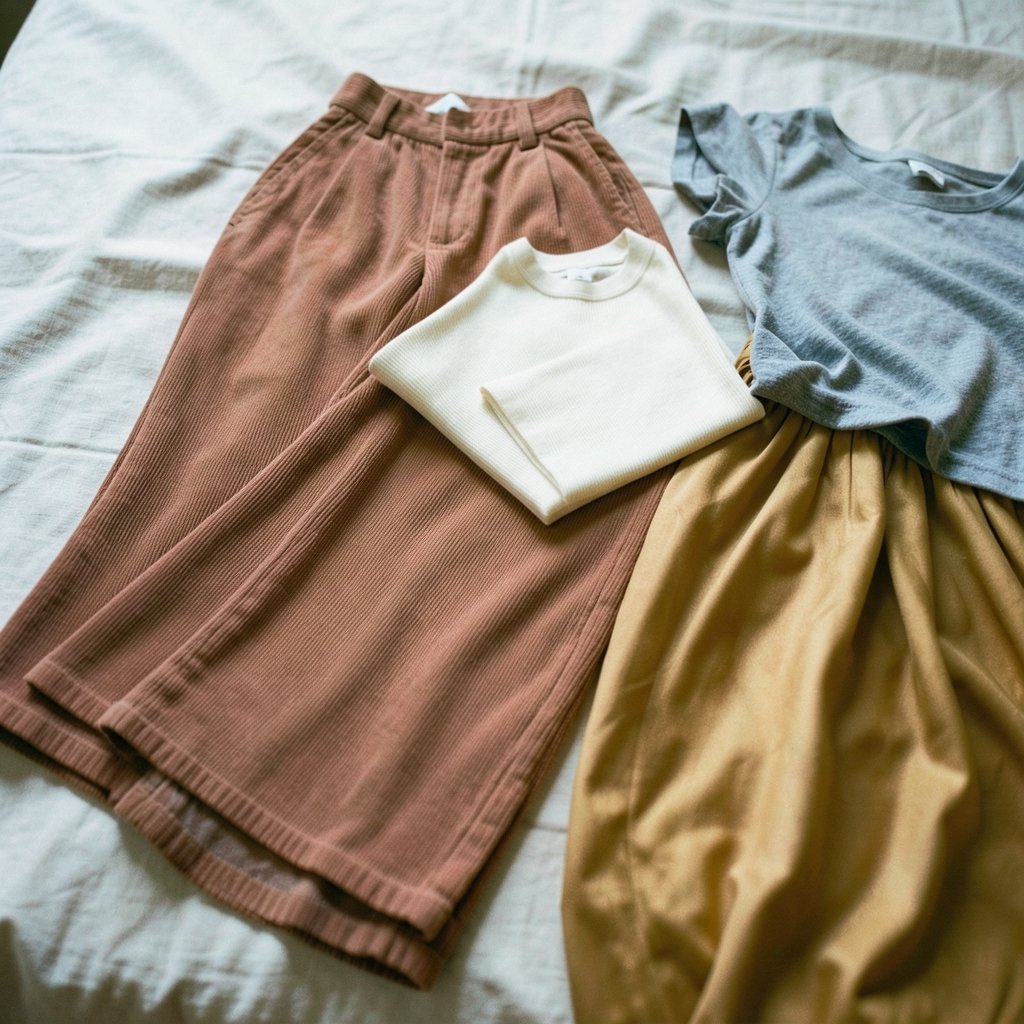
The single most common mistake is treating 70s style as a costume. People buy a fringed suede vest, a peace-sign pendant, and a pair of round tinted glasses, then wonder why the whole thing feels like a fancy-dress party. The fix is simple: build from silhouette outward, not from accessories inward.
The 70s silhouette has three moving parts:
| Element | What It Does | Modern Version |
|---|---|---|
| Wide or flared leg | Balances the upper body and lengthens the line | High-waisted wide-leg trousers in wool or denim |
| Fitted or defined top | Prevents the look from swamping you | Ribbed knit, tucked shirt, or a belted blouse |
| Elevated sole | Adds height and a deliberate stance | Block-heel boots or a modest platform |
Get those three right and you can skip almost every accessory. Get them wrong and no amount of turquoise jewellery will save the outfit. The proportion rule matters more than the decade: one volume at a time. Wide trousers with a slim top. A flowing maxi skirt with a close-fitting tee. A billowing blouse with straight-leg jeans.
The Trousers That Define the Era
Bell-bottoms and flares moved from 1960s counterculture into the mainstream in the early 1970s, widening steadily through the decade before narrowing again by the late 70s. They are the most wearable 70s idea available, and also the most misjudged.
What actually works in practice is a flare that starts at the knee rather than the thigh, sits high on the waist, and breaks just over the shoe. A flare that starts too low looks like a bootcut from a discount rail. A flare that is too wide at the hem turns into a puddle the moment it rains.
Practical tips learned the hard way by anyone who has worn them:
- Check the hem against the shoes you will actually wear, not the shoes you wish you owned.
- Choose a fabric with some weight. Thin, stretchy flares cling and show every line; wool blends and sturdy denim hang properly.
- Keep the waist genuinely high. Mid-rise flares cut the leg in half.
- If you are short, a smaller flare reads better than a dramatic one.
Pair them with a tucked-in knit or a simple tee, and the outfit works in 2024 as easily as it did in 1974. For anyone building a wardrobe around statement pieces, the same logic applies to any strong runway-inspired look: one strong element, everything else quiet.
Skirts, Shorts, and the Midi Question
The midi skirt was genuinely controversial when designers pushed it around 1970 and 1971, competing with the mini that had dominated the previous decade. Hemlines dropped, customers complained, and the industry learned a lesson it keeps relearning: you cannot dictate a length.
The midi survived because it is flattering in a way the mini and the maxi are not. It hits at the widest part of the calf, which means it needs a defined waist and a shoe with some presence. A flat ballet pump with a midi skirt creates a stump; a block heel or a knee boot fixes it instantly.
Hot pants were a brief but heavily covered trend around 1971, usually worn with opaque tights or boots. They are the least practical 70s idea for most people, and the one most likely to look dated. If you want the spirit without the exposure, high-waisted tailored shorts in a heavier fabric do the same job.
Maxi skirts and dresses, by contrast, are the easiest entry point. A long, flowing skirt in a print with a plain fitted top and flat sandals is a complete outfit that requires no thought. It also travels well, which is why the silhouette keeps appearing in vacation packing lists.
Colour, Print, and the Earth-Tone Trap
The 1970s palette leaned on earth tones: brown, orange, mustard, and avocado green, often alongside bold geometric or floral prints. This is where most modern attempts go wrong. Wearing head-to-toe brown, orange, and mustard makes skin look tired and the outfit look like a sofa from 1976.
The fix is contrast. Keep the earth tones but add one clean neutral, or one bright, to break them up:
- Mustard knit with cream trousers and tan boots
- Rust shirt with dark indigo denim
- Olive suede jacket over a white tee
Prints need the same discipline. A bold 70s geometric print works best as a single piece, not a matching set, unless you are deliberately going full retro. If pattern mixing appeals, keep every print in the same colour family and vary only the scale. Large floral with small polka dot in the same two colours reads as intentional; two unrelated palettes read as an accident.
This is the same principle behind good nail art: a limited palette with one focal point always looks more considered than a little of everything.
Footwear: Platforms, Boots, and What to Actually Buy
Platform shoes and boots became a defining 70s silhouette for both men and women, peaking in the early to mid-70s and drawing on 1960s mod and glam rock. They are also the item most likely to injure you.
A few practical realities:
- A true 70s platform can be three or four inches of solid sole. Modern versions are usually lighter and safer.
- Chunky platforms require ankle strength. If you are not used to them, start with a two-inch lift.
- Boots are the more forgiving option. A knee-high platform boot under a midi skirt or over skinny jeans does more work than any other single purchase.
- Check the sole material. Cheap foam platforms compress and become unstable within a season.
If platforms feel like too much, a block-heel ankle boot or a chunky loafer captures the same grounded, deliberate stance without the risk.
Disco Dressing Without the Costume
Disco gave the decade its most glamorous vocabulary: wrap dresses, halter necks, sequins, and wide-leg trousers in fluid fabrics. The trick to wearing it now is restraint.
A wrap dress is the single best disco-era purchase you can make. It flatters almost every body shape, works in jersey or silk, and transitions from office to evening with a change of shoe. A halter neck top works under a blazer. Sequins work best as one piece against matte everything else: a sequinned skirt with a plain cashmere knit, or a sequinned top with dark tailored trousers.
What does not work is full-tilt glamour in daylight. Sequins, satin, and metallic fabrics all read as evening. Wearing them at noon makes the wearer look like they are on the way home rather than on the way out.
Glam Rock, Punk, and Borrowing the Edges
Glam rock popularised androgynous, theatrical dressing: jumpsuits, metallic fabrics, platform boots, and a general disregard for gendered clothing rules. Its modern legacy is the statement jumpsuit, which remains one of the most practical one-and-done outfits available.
Punk, which emerged around 1976 and 1977 in London and New York, contributed ripped denim, tartan, safety pins, and bondage trousers. Most of it does not translate to daily wear, but two elements do: a battered leather jacket and a tartan trouser or skirt worn with something plain. Both add edge without requiring a mohawk.
The unisex and sportswear thread is the quietest 70s idea and probably the most influential. Tracksuits, jeans, and T-shirts became everyday wear through the decade. That legacy is why a plain tee and straight-leg jeans still feels like a complete outfit rather than a failure of effort.
Building a 70s-Inspired Wardrobe: A Practical Order
If you want to add the decade to an existing wardrobe without waste, buy in this order:
- High-waisted wide-leg trousers in a neutral. The most useful piece in the entire era.
- A wrap dress in jersey. Works year-round.
- A knee-high boot with a modest platform or block heel.
- One earth-tone knit, ideally mustard or rust.
- A suede or leather jacket in tan or brown.
- One print piece, a midi skirt or a blouse, not both.
Six pieces produce dozens of outfits. Everything else is optional, and most of it is a costume.
Common Mistakes and How to Avoid Them
The recurring failures are predictable. Wearing too many era signifiers at once is the biggest: flares, a fringe, a headband, and tinted glasses together read as fancy dress. Choosing cheap fabrics is the second: 70s silhouettes rely on drape and weight, and thin polyester ruins both. Ignoring proportion is the third: volume on volume swallows the wearer.
The fourth mistake is subtler. Many people treat the decade as a single look when it was four or five competing ones. Mixing disco sequins with punk tartan with glam metallic rarely works, because those styles were arguing with each other at the time. Pick one lane per outfit.
Finally, footwear gets neglected. The 70s silhouette was built on a raised sole, and pairing wide-leg trousers with flat trainers collapses the whole line. It is the smallest change that makes the biggest difference, and the same principle of one deliberate finishing element applies whether you are dressing for a summer wedding or a Saturday market run.
Conclusion
The 70s endure because the decade’s best ideas solved real problems. Wide-leg trousers are comfortable and flattering. Wrap dresses fit almost anyone. Earth tones with one clean contrast look warm rather than muddy. Platform boots add height and presence without requiring a heel you cannot walk in. None of that requires a costume, and none of it requires committing to a full retro look.
The discipline is the same as with any strong style reference: choose the silhouette, control the palette, and let one piece lead. Buy the trousers first. Add the wrap dress. Find a boot you can actually walk in. Skip the peace-sign pendant unless you genuinely love it. That approach produces outfits that look like they belong to the person wearing them, which is the only test that has ever mattered.
Frequently Asked Questions
What are the most wearable 70s fashion ideas for everyday wear?
High-waisted wide-leg trousers, a jersey wrap dress, a midi skirt with a fitted top, and a knee-high boot with a modest platform. These four carry the decade’s silhouette without any costume elements, and all of them work in ordinary settings.
How do I wear 70s earth tones without looking washed out?
Add contrast. Keep the mustard, rust, or olive but pair it with cream, white, or dark indigo rather than more earth tones. Head-to-toe brown and orange drains colour from the face; one clean neutral restores it instantly.
Were platform shoes actually a 1970s trend?
Yes. Platform shoes and boots became a defining silhouette for both men and women, peaking in the early to mid-1970s and drawing on 1960s mod and glam rock. Modern versions are generally lighter and more stable than the originals.
What is the difference between disco style and glam rock style?
Disco dressing centred on dance-floor glamour: wrap dresses, halter necks, sequins, and fluid wide-leg trousers, spreading into mainstream shops in the mid to late 70s. Glam rock was theatrical and androgynous, built on jumpsuits, metallic fabrics, and platform boots. They overlapped but were not the same look.
Can I mix 70s pieces with modern clothes?
Yes, and it usually works better than a full retro outfit. One 70s element against modern basics reads as a style choice rather than fancy dress. Wide-leg trousers with a plain modern tee, or a 70s print blouse with current straight-leg jeans, are reliable combinations.
Why did the midi skirt cause controversy in the early 70s?
Designers pushed the midi around 1970 and 1971 as a replacement for the mini, and many customers resisted being told to drop their hemlines. The length eventually settled in as a staple because it flatters a wide range of body shapes when paired with a defined waist and a shoe with some height.














