


What happens to a designer handbag when its first owner tires of it? For a growing number of shoppers, the answer is Fashionphile, a California-born business that has spent more than two decades turning used Chanel flaps, Hermès Birkins, and Louis Vuitton totes into a mainstream retail category. If you have ever typed “fashion phile” into a search bar after spotting the name on a resale listing, you are in good company. The company sits at the center of one of fashion’s biggest shifts: the rise of buying luxury secondhand as a normal habit rather than a secret.
This article breaks down what Fashionphile is, how its buyout model differs from consignment, where its history gets interesting, and what practical details matter if you are considering selling a bag or buying one. It also covers the traps that catch first-time resellers, because the gap between a smooth sale and a frustrating one usually comes down to preparation.
What Is Fashionphile?
Fashionphile is a U.S. reseller of pre-owned luxury handbags, jewelry, and accessories. It buys items directly from sellers and resells them to buyers. That single sentence explains most of what follows, because the buyout structure shapes everything from pricing to how fast a seller gets paid.
The company was founded in 1999 by Ben and Sarah Davis in Carlsbad, California, reportedly starting from a small storefront. Over time it grew into a warehouse-scale operation with a headquarters in Carlsbad and showrooms in a handful of U.S. cities, including New York and Beverly Hills at various points. Locations shift, so anyone planning an in-person visit should confirm the current list before making the trip.
The brands it handles read like a luxury department store’s greatest hits: Chanel, Hermès, Louis Vuitton, Gucci, and similar labels. That focus matters. Fashionphile is not a general marketplace for vintage clothing or mid-range labels. It is a specialist, and specialization is what makes authentication and pricing expertise possible at volume.
Buyout Versus Consignment: The Difference That Matters
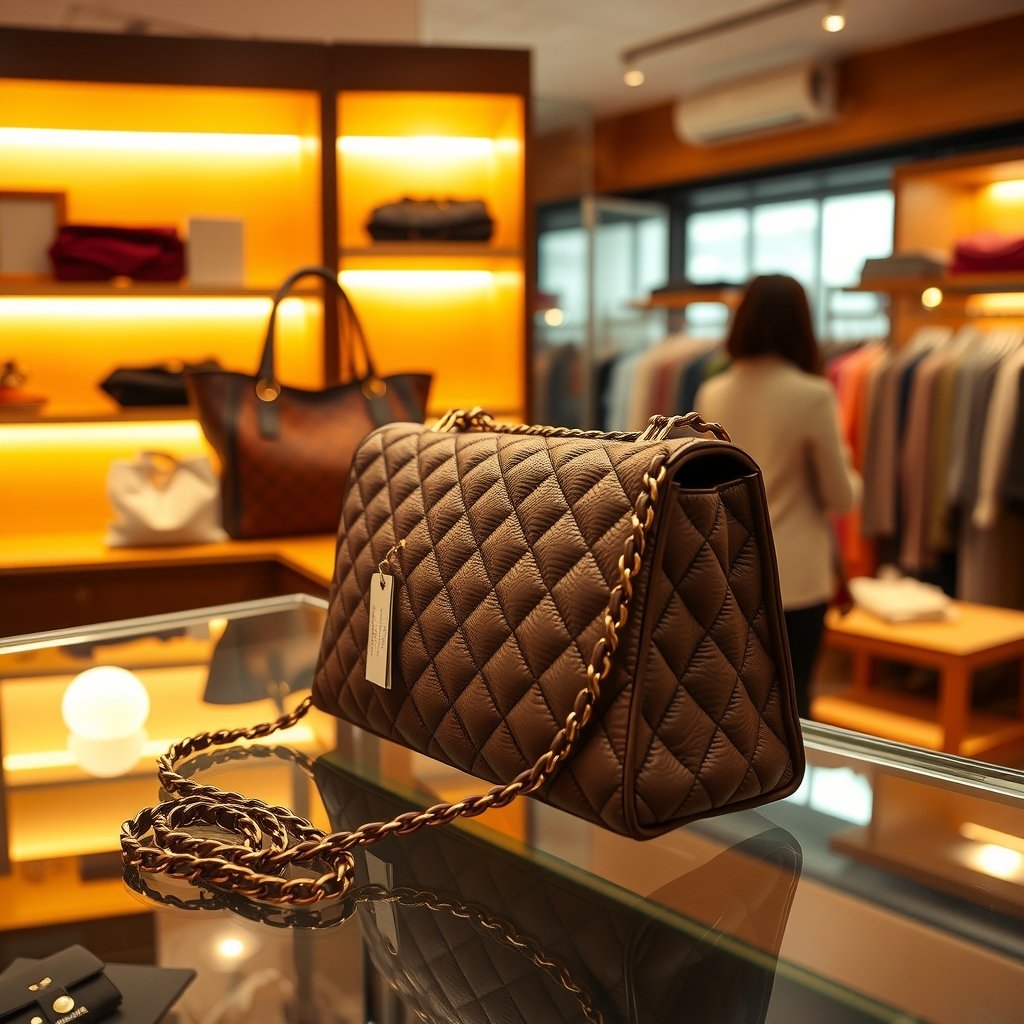
Most resale platforms ask sellers to wait. You ship an item, it sits in a warehouse, it sells eventually, and you get paid minus a commission. Fashionphile’s model flips that. The company quotes a price, buys the item outright, and takes on the risk of reselling it. The seller gets certainty; the company gets the upside if the bag sells quickly at a strong price.
| Feature | Buyout model (Fashionphile’s approach) | Consignment model |
|---|---|---|
| Who owns the item during resale | The reseller | The original owner until sale |
| When the seller gets paid | Upfront, once the quote is accepted | After the item sells |
| Who carries the risk of slow sales | The reseller | The seller |
| Typical payout per item | Lower, reflecting risk transfer | Higher if the item sells well |
| Effort required from seller | Quote, ship, done | Listing, waiting, possible returns |
Neither model is better in absolute terms. A seller with a rare, in-demand piece and patience may earn more through consignment. A seller who wants cash this week and does not want to babysit a listing will usually prefer the buyout route. The practical tip here is simple: get a quote from a buyout buyer and compare it against what similar items actually sold for on consignment platforms. The gap tells you what your time and risk tolerance are worth.
A Short History With a Complicated Middle Chapter
Fashionphile’s timeline is more interesting than most resale origin stories. In 2019, Neiman Marcus Group acquired a minority stake in the company, and Fashionphile opened drop-off buyback spaces inside some Neiman Marcus stores. The idea was elegant: a luxury shopper could walk into a department store, hand over a bag she no longer carried, and walk out with credit toward something new. It positioned resale as part of the luxury shopping loop rather than a separate errand.
Then came May 2020, when Neiman Marcus filed for Chapter 11 bankruptcy. The retailer’s stake in Fashionphile was swept into those proceedings. Chapter 11 is a reorganization process rather than a liquidation, and it is worth understanding as background because it explains why retail partnerships can change shape quickly. For shoppers, the lesson is not about any single deal. It is that resale businesses and traditional luxury retail are now financially entangled, and those ties can be renegotiated.
What did not change was the core business. Fashionphile kept buying and reselling, and the broader pre-owned luxury sector kept expanding through the late 2010s and into the 2020s alongside competitors such as The RealReal and Rebag. The category went from niche to normal, and that normalization is arguably the bigger story than any one partnership.
How Authentication Works, and What It Can’t Promise
Fashionphile markets in-house authentication of every item before resale. That is a meaningful claim, and it is also a company claim. Independent, published methodology documents are hard to come by in this industry, which is true of nearly every reseller. Buyers should treat authentication as a strong filter rather than an absolute guarantee.
In practice, authentication at scale relies on a few things: trained authenticators who handle thousands of items, reference libraries of hardware, stitching, date codes, and materials, and physical inspection under magnification. Counterfeiters improve constantly, which is why no reseller can credibly promise perfection.
For buyers, the practical habits that reduce risk are unglamorous but effective. Read the condition notes line by line rather than skimming. Study the photos for corner wear, handle darkening, and hardware scratches. Check whether the listing mentions original dust bag, box, or receipts, since those affect both authenticity confidence and resale value later. And understand the return window before you buy, because a generous return policy is itself a form of buyer protection.
The 2026 Context: Why Resale Keeps Growing
Resale’s rise is not a blip. It tracks with broader shifts in how people think about ownership, value, and sustainability. Shoppers who follow 2026 fashion trends female are increasingly mixing new purchases with secondhand statement pieces, and the fashion trends 2026 conversation regularly features archival and pre-owned luxury as a legitimate style choice rather than a compromise.
That shift has real consequences for pricing. When a bag becomes a trend item, resale values for that model climb, sometimes within weeks. Sellers who time a sale to a brand’s moment of visibility can capture meaningfully more than sellers who list during a quiet season. Buyers who understand this can also avoid overpaying for a piece that is currently inflated by hype. A broader 2026 fashion trends guide is useful background here, because knowing what is rising and what is cooling helps you judge whether a resale price is fair or frothy.
There is also a cultural layer. Fashion illustration and commentary have made runway moments more accessible, and accounts that translate shows into wearable ideas feed directly into resale demand. Work like Angelica Hicks’ fashion illustration shows how a single viral runway detail can send shoppers hunting for a specific silhouette, strap, or colorway on the secondary market. Fashionphile benefits from that attention economy whether or not it courts it.
Practical Tips for Selling to Fashionphile
If you are considering selling, the difference between a strong quote and a disappointing one usually comes down to preparation. These steps are worth following in order.
- Gather everything that came with the bag. Dust bag, box, authenticity cards, receipts, and spare straps all support a higher quote. Missing pieces do not disqualify an item, but they lower it.
- Photograph honestly. Bright, clear photos of the front, back, corners, interior, hardware, and any flaws. Hiding wear to get a better initial quote backfires when the item is inspected on arrival and the offer is revised.
- Clean before you ship, but do not “restore.” A gentle wipe-down is fine. Home repairs, dye touch-ups, or amateur leather treatments often reduce value because they cannot be undone.
- Check the quote against recent sold prices. Look at what comparable items actually sold for, not what sellers are asking. Asking prices are wishes; sold prices are facts.
- Read the shipping and payment terms. Know who insures the package in transit, how long payment takes, and what happens if the company disagrees with your description.
- Consider timing. If a brand is having a moment, that is the week to submit. Quotes are not static.
The most common mistake is emotional pricing. Sellers remember what they paid and anchor to that number. Resale value depends on current demand, condition, and completeness, not on your original receipt. The second most common mistake is skipping the comparison step entirely and accepting the first quote without checking a second buyer.
Practical Tips for Buying Pre-Owned Luxury
Buying well is its own skill. Start with the condition scale and read it as a range, not a grade. “Excellent” on a ten-year-old bag still means ten years of use. Zoom into photos rather than trusting thumbnails, and pay attention to the interior, where wear hides. Ask about odor if the listing does not mention it, since smoke and perfume are difficult and sometimes impossible to remove.
It also helps to know your own exit strategy. A bag bought at a strong price from a reseller with broad reach is easier to resell later than an obscure model bought at a premium. If you are drawn to Italian luxury fashion and its classic shapes, you are generally on safer ground than with a highly seasonal piece, because timeless silhouettes hold value across cycles.
Context matters too. The resale boom did not appear from nowhere; it built on a longer shift in how style spreads. The way 2010s athleisure and streetwear rewrote the rules through social media taught the industry that desire can be manufactured fast and that secondary markets follow attention. The same dynamic now applies to luxury handbags, only with higher stakes and bigger price tags.
If you want to follow the resale conversation more closely, curating a short list of trustworthy newsletters beats subscribing to everything. A guide to finding the best fashion substacks without wasting your inbox is a reasonable starting point for building that list deliberately.
Where Fashionphile Fits in the Wider Market
The pre-owned luxury sector now has several distinct models. Buyout resellers offer speed and certainty. Consignment platforms offer higher ceilings and more work. Peer-to-peer marketplaces offer the highest potential payout and the least protection. Auction houses serve grail-level pieces and collectors. Each model suits a different seller and a different moment.
Fashionphile’s position is the middle of the market with a luxury tilt: accessible enough for a first-time seller, specialized enough to handle a five-figure handbag, and structured so that the seller never waits for a buyer. That combination is why the name keeps surfacing in conversations that start with “I have this bag and I do not know what to do with it.”
The honest caveat is that no reseller is the right answer every time. A seller with a pristine, highly sought piece and no urgency may do better elsewhere. A buyer hunting a specific discontinued model may find nothing in stock. The value of understanding the model is that you can tell, quickly, whether it fits your situation.
Conclusion
Fashionphile occupies a clear role in modern luxury: it turns idle handbags into cash and turns cash into authenticated secondhand pieces, all without the waiting game of consignment. Founded in 1999 in Carlsbad, California, by Ben and Sarah Davis, it grew from a small storefront into a warehouse-scale operation, briefly became entangled with Neiman Marcus through a 2019 minority investment, and weathered that retailer’s 2020 Chapter 11 filing without changing its core buyout model.
For sellers, the playbook is preparation and comparison: gather the extras, photograph honestly, check sold prices, and time the submission. For buyers, it is condition literacy and return-policy awareness. Neither role requires expertise, but both reward attention. In a resale market that keeps expanding, the people who do best are the ones who treat the transaction as a small piece of research rather than a leap of faith.
Frequently Asked Questions
What is Fashionphile and what does it sell?
Fashionphile is a U.S. reseller of pre-owned luxury handbags, jewelry, and accessories. It buys items directly from sellers and resells them to buyers, focusing on brands such as Chanel, Hermès, and Louis Vuitton rather than general secondhand clothing.
Is Fashionphile consignment or buyout?
It operates a buyout model. The company quotes a price, purchases the item outright, and takes on the risk of reselling it. Sellers are paid upfront rather than waiting for a buyer, which typically means a lower payout per item than consignment in exchange for speed and certainty.
Who founded Fashionphile and when?
It was founded in 1999 by Ben and Sarah Davis in Carlsbad, California, reportedly starting from a small storefront. The business grew into a warehouse-scale operation with a Carlsbad headquarters and showrooms in several U.S. cities over the years.
Does Fashionphile authenticate every item?
The company markets in-house authentication of every item before resale. That is a company claim, and like most resellers it does not publish a detailed public methodology. Buyers should treat authentication as a strong filter and still review condition notes, photos, and return terms carefully.
What happened between Fashionphile and Neiman Marcus?
In 2019, Neiman Marcus Group acquired a minority stake in Fashionphile, and drop-off buyback spaces opened inside some Neiman Marcus stores. When Neiman Marcus filed for Chapter 11 bankruptcy in May 2020, that stake became part of the proceedings, which illustrates how closely resale and traditional luxury retail are now linked.
How can sellers get the best quote?
Gather original packaging and receipts, photograph flaws honestly, avoid amateur repairs, and compare the quote against recent sold prices for similar items. Timing matters too, since demand for a specific model can spike quickly when a brand has a visible moment.














