

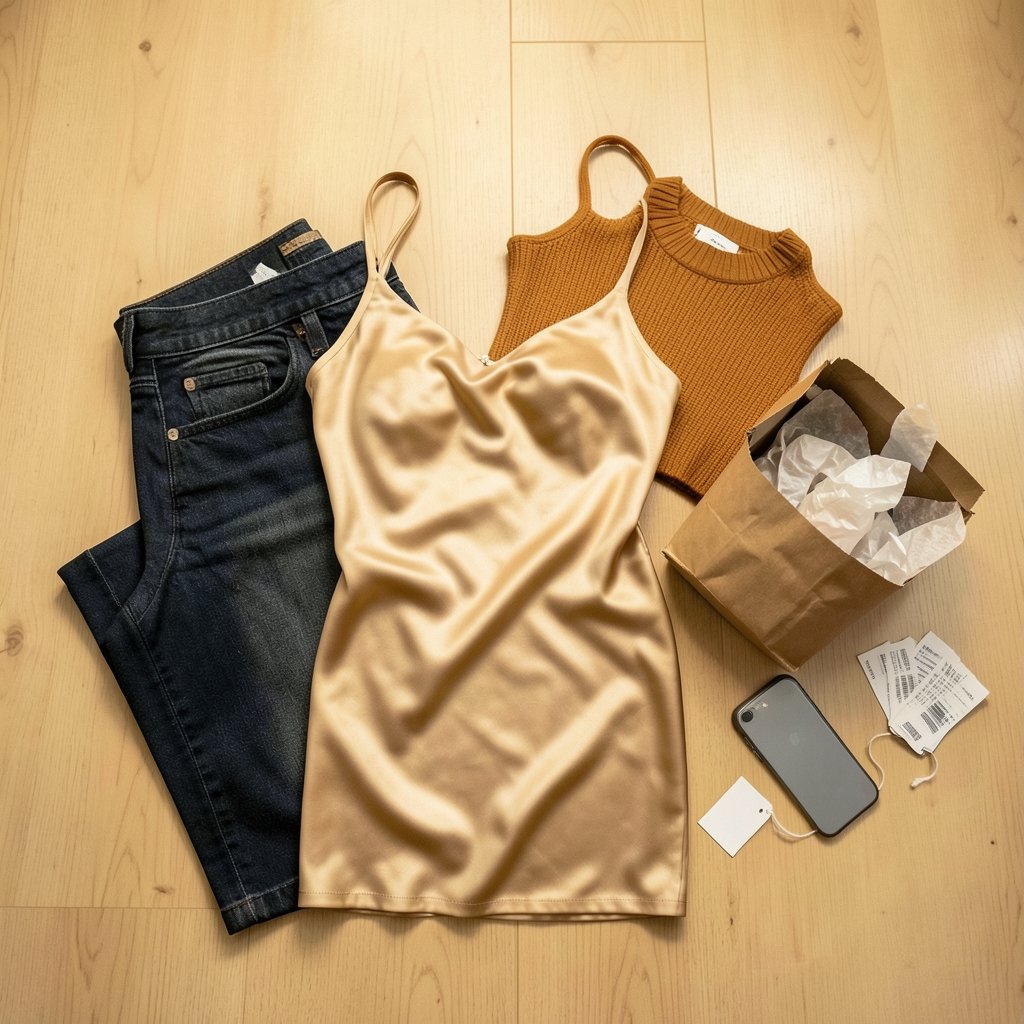
Why does Fashion Nova seem to run a sale every single week? Open the app on a Tuesday and there’s a sitewide percentage off. Check back on Friday and a new code has appeared. For shoppers, that rhythm feels like a permanent invitation to grab a bargain. For anyone who likes to think before they click, it raises a fair question: is that struck-through price actually a discount, or just a number doing theater?
This guide breaks down how Fashion Nova discounts work in practice, where the real savings hide, how to read a “was/now” price without getting fooled, and the mistakes that quietly cost shoppers money. No hype, no invented promo codes, just the mechanics explained clearly.
What Kind of Retailer Is Fashion Nova, and Why Discounts Are Built In?
Fashion Nova is a Los Angeles–based fast-fashion e-commerce retailer, founded in 2006 by Richard Saghian. It sells mostly online and through its app, with a small number of physical stores. That digital-first setup matters, because it shapes the entire pricing strategy.
Unlike traditional retailers that follow seasonal markdown cycles, Fashion Nova built its reputation on low base prices and near-constant promotions. Sitewide percentage-off events, app-only offers, and influencer promo codes are core to the model rather than occasional treats. In other words, the discount is not an exception to the business. It is the business.
That has two consequences worth understanding. First, you rarely need to wait long for a deal, because another one is usually around the corner. Second, a “sale” loses some of its urgency when sales never really stop. The smart shopper stops chasing the next code and starts tracking what a garment actually costs over time.
This constant-promotion approach is common across the fast-fashion world, and it connects to broader shifts in how people shop. The rise of app-driven, influencer-led retail rewrote the rules in ways that still shape pricing today, a story explored in coverage of how 2010s fashion athleisure and streetwear on Instagram rewrote the rules. Fashion Nova sits squarely in that lineage.
Where Fashion Nova Discounts Actually Come From

Shoppers tend to lump every markdown together, but the savings arrive through several distinct channels. Knowing which is which helps you judge whether a deal is genuinely good.
Sitewide percentage-off events
These are the headline promotions: a flat percentage off most or all of the site for a limited window. They are the easiest to spot and often the easiest to overvalue, because the reference price they discount from may not reflect what the item usually sells for.
App-only offers
The app is a priority channel for the brand, and app-exclusive promotions are a recurring feature. If you shop mainly on desktop, you may simply never see some of the offers. Downloading the app is one of the few genuinely practical moves a discount hunter can make.
Influencer and celebrity promo codes
Fashion Nova has long leaned on celebrity and influencer partnerships, with associated promo codes tied to well-known figures. These codes circulate widely and are usually easy to find through the influencer’s own channels. Partnership dates vary by figure, so treat any specific code as time-limited and verify it before relying on it.
Clearance and end-of-line markdowns
Standard clearance works much as it does anywhere: older stock gets marked down to move. These can be genuinely good value, especially on basics, because the base price was already low.
| Discount type | How it reaches you | What to check |
|---|---|---|
| Sitewide percentage off | Banners, email, app | Whether the reference price is realistic |
| App-only offer | The Fashion Nova app | That the app price beats the web price |
| Influencer code | The influencer’s own posts | That the code is still active |
| Clearance markdown | Clearance section | Whether the item is final sale |
How to Read a “Was/Now” Price Without Getting Fooled
Here is where a little knowledge pays off. When you see a price crossed out next to a lower one, the crossed-out figure is a claim. And claims about reference prices are regulated.
In the United States, the Federal Trade Commission maintains Guides Against Deceptive Pricing (16 CFR Part 233), which govern when a “former” or “original” price can be advertised alongside a sale price. The FTC finalized revisions to these guides in 2023. The principle behind them is simple: a discount should be measured against a price the item was actually offered at recently, not an inflated figure invented to make the sale look bigger.
Because Fashion Nova is based in California, state law adds another layer. California’s Business and Professions Code § 17501, alongside its False Advertising Law, restricts advertising a price as reduced unless the higher reference price was actually offered recently.
Consumer-protection bodies on both sides of the Atlantic have warned about “was/now” pricing where the reference price was rarely or never charged. The practical lesson for shoppers is straightforward: compare the sale price to the typical selling price you have seen over weeks, not to the struck-through number. A 40% discount off a price nobody ever paid is not a 40% discount.
A simple reality check
Before buying, ask three questions. What does this item usually cost when it is not on promotion? Is the current price lower than that typical price? And would I buy it at this price even without the “sale” label? If the answer to the last one is no, the discount is doing the selling, not the product.
Common Mistakes That Cost Shoppers Money
Plenty of discount hunting goes wrong in predictable ways. These are the traps worth sidestepping.
Chasing the code instead of the item. Shoppers often buy something they only half want because a code appeared. The biggest “saving” is always the purchase you did not need to make.
Ignoring the final price after shipping and returns. A percentage off the subtotal means little if shipping and return costs eat the difference. Check the total at checkout, not the banner.
Assuming the app and the website match. App-only offers mean the two channels can price differently. Compare before you commit.
Trusting a code without testing it. Promo codes expire, and influencer codes are time-limited. Apply the code at checkout and confirm the reduction before you pay.
Overlooking final-sale terms. Clearance items are frequently non-returnable. A deep markdown on something that does not fit is not a bargain.
Buying in a rush because the timer is ticking. Countdown clocks are designed to compress your thinking. Step away for ten minutes and the urgency usually evaporates.
For readers who like to follow fashion retail closely, there is a wider world of independent commentary worth tapping. A good starting point is learning to find the best fashion substacks without wasting your inbox, which helps separate genuine analysis from affiliate noise.
What Actually Works in Practice
Strip away the marketing and a few habits reliably pay off.
First, build a short wishlist and wait. Add items you genuinely want, then watch them across a couple of promotion cycles. You will quickly learn the typical price and spot a real markdown when it appears.
Second, use the app if you shop often. App-only offers are a structural feature of the model, and ignoring the app means ignoring a channel.
Third, check the returns policy before checkout, especially on clearance. A discount you cannot return is a risk, not a reward.
Fourth, compare against the wider market. Fast fashion is competitive, and similar pieces are sold across many brands. A quick comparison keeps any single “deal” in perspective.
Finally, treat influencer codes as a bonus, not a plan. They are useful when they work, but building a purchase around a code that may have expired is a recipe for disappointment.
The Bigger Picture: Price, Ethics, and Informed Buying
A discount is only one part of a purchase decision, and Fashion Nova has drawn scrutiny on other fronts that shoppers may want to weigh.
In December 2019, reporting described garment workers in Los Angeles being paid per piece at very low rates, raising questions about how such low prices are sustained. Separately, regulators have stepped up enforcement against deceptive marketing more broadly, including a 2024 FTC rule banning fake reviews and testimonials. None of this is unique to one brand, but it is context worth holding alongside a tempting price tag.
For shoppers interested in the wider fashion conversation, including how luxury and fast fashion diverge, there is plenty of thoughtful coverage. The world of Italian luxury fashion offers a useful contrast in how value is communicated, while runway-focused work such as how Angelica Hicks turns runway moments into illustration shows how fashion storytelling shapes desire. Understanding that machinery makes it easier to see a discount for what it is: a marketing tool, not a moral verdict.
If you are planning a wardrobe refresh, it also helps to know what is actually trending. A clear-eyed look at the 2026 fashion trends guide can stop you buying a discounted piece that will feel dated in a month, and browsing fashion trends for 2026 helps you judge whether a sale item is a keeper or a passing fad.
Conclusion
Fashion Nova discounts are real, but they are also relentless, and that changes how you should shop them. When promotions never stop, the savvy move is not to pounce on every code but to understand the baseline price, read the reference price critically, and buy only what you would pay full price for anyway. The brand’s app-first, influencer-driven model means offers will keep coming, so patience costs you nothing and often saves you plenty. Treat the struck-through number as a question rather than an answer, check the total at checkout, and keep the returns policy in view. Do that, and a discount becomes what it should be: a modest bonus on a purchase you had already decided was worth making.
FAQ
Is a Fashion Nova discount code always worth using?
Not automatically. A code only helps if the item is something you genuinely want at a price you would pay anyway. Because promotions run almost constantly, waiting for the next one rarely costs you much, and it gives you time to judge whether the item is worth buying at all.
Why does Fashion Nova seem to have sales all the time?
Discounting is built into the business model rather than reserved for seasonal clearance. Sitewide percentage-off events, app-only offers, and influencer codes are core channels. That means sales are the norm, so a “limited-time” label deserves a calm second look rather than immediate urgency.
How can I tell if a crossed-out price is a real discount?
Compare the sale price to the typical price you have seen the item sell for over several weeks, not to the struck-through figure. Pricing rules in the US and California require that a reference price reflect a price actually offered recently, but the simplest safeguard is your own record of what the item usually costs.
Do Fashion Nova promo codes from influencers still work?
Sometimes, but they are time-limited and expire. Apply any code at checkout and confirm the reduction appears before you pay. Treat influencer codes as a bonus rather than something to build a purchase plan around.
Is it cheaper to shop on the Fashion Nova app or the website?
They can differ. The app is a priority channel and app-only offers are a recurring feature, so prices and promotions are not always identical across both. If you shop often, it is worth checking both before you commit to a purchase.
Are clearance items returnable?
Often not. Clearance and final-sale items frequently come with restricted returns, so check the policy before checkout. A deep markdown on something that does not fit or cannot be returned is not the saving it first appears to be.














