

What if the single most important piece of hiking gear isn’t your pack or your jacket, but what’s on your feet? It’s a fair question. A pack can be adjusted, a jacket can be unzipped, but a pair of shoes that fights your feet will ruin a trip faster than bad weather. The tricky part is that “best” is not a single shoe. It’s the shoe that matches your foot shape, your terrain, and how far you plan to walk. This guide breaks down what actually matters, where people go wrong, and how to choose wisely.
Start With Your Feet, Not the Shoe
Most buyers start by scrolling reviews. That’s backwards. The best hiking shoe in the world is useless if it doesn’t fit your foot. Feet differ in width, arch height, and volume, and brands build their lasts (the foot-shaped form a shoe is built around) differently. A shoe that fits one hiker like a glove can pinch another hiker’s toes on the same trail.
Practical approach: get your feet measured later in the day, when they’re at their largest. Try shoes with the socks you’ll actually hike in. Then test the details that reviews can’t tell you:
- Toe room: You should have roughly a thumb’s width between your longest toe and the front of the shoe. On descents, your foot slides forward, and too little room means blackened toenails.
- Heel lock: Your heel should stay put when you walk uphill. If it lifts, you’ll get blisters no matter how good the cushioning is.
- Width at the ball: The widest part of your foot should match the widest part of the shoe. Squeezed forefeet cause numbness on long days.
- Volume: If the shoe feels loose on top even when laced snugly, you may need a lower-volume model or a different brand.
A common mistake is buying shoes that feel “snug and supportive” in the store. Hiking feet swell, sometimes by half a size over a long day. A little extra room is not a flaw; it’s insurance.
Trail Shoes vs. Boots: What Actually Fits Your Hike

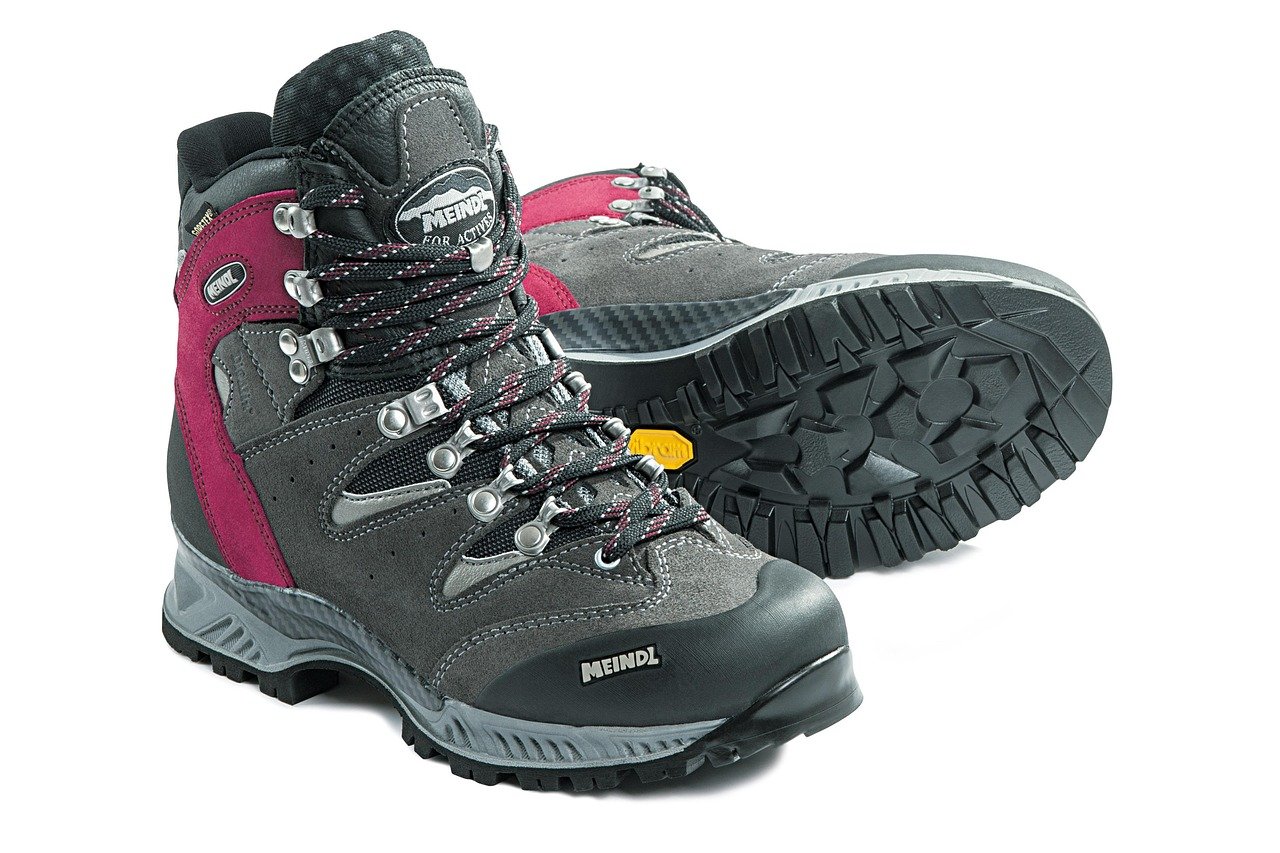
The old assumption that serious hiking requires heavy boots no longer holds. Low-cut trail shoes are lighter, breathe better, and dry faster. Boots offer more ankle structure and protection under heavy loads. The real question is what your hike demands. For a deeper look at this trade-off, see this breakdown of hiking shoes when trail runners beat boots.
| Factor | Low-cut trail shoes | Mid or high boots |
|---|---|---|
| Weight | Lighter, less fatigue | Heavier, more effort per step |
| Ankle support | Minimal | More structure under load |
| Breathability | Generally better | Often reduced, especially waterproof models |
| Dry time | Fast draining and drying | Slower once wet |
| Protection | Rock plates vary | Often more underfoot and around the ankle |
| Best for | Day hikes, fastpacking, well-graded trails | Heavy packs, rough ground, cold and wet conditions |
Neither column wins outright. A hiker carrying a light pack on maintained trails usually gains more from lower weight than from ankle structure. A hiker hauling a heavy load over talus may want the extra support. Be honest about your typical trip rather than buying for the extreme case you hike once a year.
The Specs That Matter (and the Ones That Don’t)
Shoe marketing throws a lot of numbers at buyers. Here’s how to read them without getting lost.
Weight
Weight per shoe matters more than most people think, because you lift it thousands of times a day. A few ounces saved per foot can noticeably reduce fatigue on long hikes. That said, don’t chase the lightest shoe if it sacrifices durability or protection you need.
Drop and Stack Height
Drop is the difference in height between heel and toe. Stack height is how much material sits under your foot. Lower-drop, lower-stack shoes give more ground feel and a more natural stride; higher-stack shoes cushion more but can feel less stable on uneven ground. There’s no universally correct number here. If you’re used to traditional shoes, a sudden jump to a very low drop can strain your calves, so transition gradually.
Lug Depth and Outsole
Lug depth is the height of the tread knobs. Shallow lugs suit groomed trails and mixed surfaces; deeper lugs bite into loose dirt and mud. Outsole rubber compound matters too, since softer rubber grips better but wears faster. If you’re weighing grip against durability for other activities, the same logic applies in this guide on how to judge shoes and surfaces before you go.
Waterproofing
This is the most misunderstood feature. A waterproof membrane keeps water out, but it also traps moisture and slows drying once water gets in over the collar. Non-waterproof shoes drain and dry faster, which many hikers prefer in warm, wet conditions. Waterproofing earns its keep in cold, wet, muddy environments where staying dry matters more than breathability. There’s no universal best, only a trade-off.
Rock Plates and Uppers
A rock plate is a stiff layer embedded in the midsole that shields your foot from sharp stones. It adds protection but reduces ground feel. Uppers range from breathable mesh to leather and synthetics. Leather tends to be more durable and supportive but heavier and slower to dry; mesh is lighter and cooler but wears faster.
Match the Shoe to the Terrain
Terrain should shape your shortlist more than brand loyalty. A shoe tuned for muddy forest paths will feel clumsy on smooth granite, and a stiff, protective model can be overkill on a flat rail trail.
- Groomed trails and easy paths: Light, flexible shoes with shallow lugs and good breathability.
- Rocky, technical ground: Prioritize a rock plate, a grippy outsole, and a precise fit that keeps your foot from sliding.
- Mud and loose dirt: Deeper lugs and uppers that shed muck rather than soak it up.
- Wet, cold conditions: Waterproofing and warmer construction start to make sense.
- Hot, humid hikes: Non-waterproof, highly breathable shoes that drain and dry fast.
If your trips mix all of the above, aim for the middle: moderate lugs, a modest rock plate, and a fit you trust. Versatility beats specialization for most weekend hikers.
Fit Tips That Actually Work in Practice
Store fitting is one thing; trail performance is another. These habits separate comfortable hikers from miserable ones:
- Size up for long days. If you’re between sizes or planning big mileage, lean toward the roomier option. Swelling is real.
- Use a heel-lock lacing technique. Threading the top eyelets differently can stop heel slip without crushing the forefoot.
- Break shoes in before the big trip. Even modern shoes benefit from a few short walks to soften stiff areas and reveal hot spots.
- Trim your toenails before descents. It sounds trivial until it isn’t.
- Test on an incline. Walk up and down a ramp or slope in the store. Many shops have one for exactly this reason.
- Bring your own socks. Thin dress socks hide fit problems that thick hiking socks will expose.
The most common mistake is buying for looks or hype. The second most common is refusing to return shoes that don’t fit because they were on sale. A poorly fitting bargain is the most expensive shoe you’ll own.
Don’t Forget the Rest of the Kit
Shoes do most of the work, but the system around them matters. Socks affect moisture and friction as much as the shoe does; merino and synthetic blends manage sweat better than cotton. And on exposed trails, sun and rain protection for your head and neck changes how comfortable the whole day feels, which is why a good hat belongs in the same conversation, as covered in this guide to the best hiking hats for sun, rain and cold protection.
Footwear habits carry across activities, too. Walkers who log long distances in any shoe face the same fit, cushioning, and durability questions, whether they’re on trails or fairways, as this piece on what golf shoe walkers need to know before buying a pair explains. The lesson transfers: comfort over miles comes from fit first, features second.
How to Compare Shoes Before You Buy
Once you have a shortlist of three or four models, compare them side by side on the dimensions that affect your hiking:
| What to compare | Why it matters | What to look for |
|---|---|---|
| Weight per shoe | Fatigue over distance | Lighter for speed, heavier for durability |
| Drop and stack | Stride and stability | Gradual change from your current shoes |
| Lug depth | Grip on loose ground | Deeper for mud, shallower for groomed trails |
| Waterproofing | Wet-weather comfort | Match to climate, not marketing |
| Upper material | Durability vs. breathability | Mesh for heat, leather for abuse |
| Rock plate | Underfoot protection | Present for sharp, rocky terrain |
| Return policy | Fit risk | Generous window for trail testing indoors |
Buy from sellers with real return policies, and test shoes indoors on carpet first. Walk around for an hour. If anything pinches, return them before they touch dirt. Reviews are useful for durability patterns and sizing quirks, but they can’t feel your feet.
Common Mistakes to Avoid
A few traps catch almost everyone at some point. Buying shoes too small because they feel “secure” in the store. Choosing waterproof shoes for hot summer hikes and wondering why feet feel swampy. Jumping straight to a minimal, low-drop shoe after years in cushioned ones. Assuming a brand that fits a friend will fit you. And replacing shoes too late: midsoles compress and lose cushioning long before the tread looks worn, so track your mileage and retire shoes when they feel flat, not when they look destroyed.
Conclusion
The best hiking shoes aren’t the ones with the most awards or the loudest reviews. They’re the ones that fit your feet with room to swell, match your terrain with appropriate grip and protection, and suit your climate with the right waterproofing trade-off. Start with fit, narrow by terrain, and treat every spec as a tool rather than a badge. Do that, and the shoe question stops being complicated. Your feet will tell you the rest.
Frequently Asked Questions
Are hiking shoes better than boots?
Not universally. Low-cut shoes are lighter and dry faster, which suits most day hikes and light packs. Boots offer more ankle structure and protection for heavy loads and rough, cold conditions. The right choice depends on your load, terrain, and climate rather than a general rule.
Should hiking shoes be a size bigger?
Not necessarily a full size, but they should be roomier than your everyday shoes. Feet swell during long hikes, so allow roughly a thumb’s width at the toe and test on descents. If you’re between sizes and planning big mileage, the larger option is usually safer.
Are waterproof hiking shoes worth it?
They are worth it in cold, wet, muddy conditions where keeping water out matters most. In hot or humid weather, waterproof membranes reduce breathability and slow drying once water gets in, so many hikers prefer non-waterproof shoes that drain and dry quickly.
How often should you replace hiking shoes?
Replace them when the midsole feels flat or packed down, even if the tread looks fine. Cushioning degrades before visible wear appears. Tracking approximate mileage helps; most hikers notice declining comfort and support well before the upper falls apart.
Do you need special socks for hiking?
Socks make a real difference. Merino and synthetic blends manage moisture and reduce friction better than cotton, which holds sweat and encourages blisters. Bring the socks you’ll hike in when trying on shoes, since thickness changes fit.
Can you use trail running shoes for hiking?
Often, yes. Trail runners work well for day hikes with light packs on varied terrain, offering low weight and fast drying. They offer less ankle structure and sometimes less durability than hiking-specific shoes, so they suit faster, lighter trips better than heavy-load expeditions.














