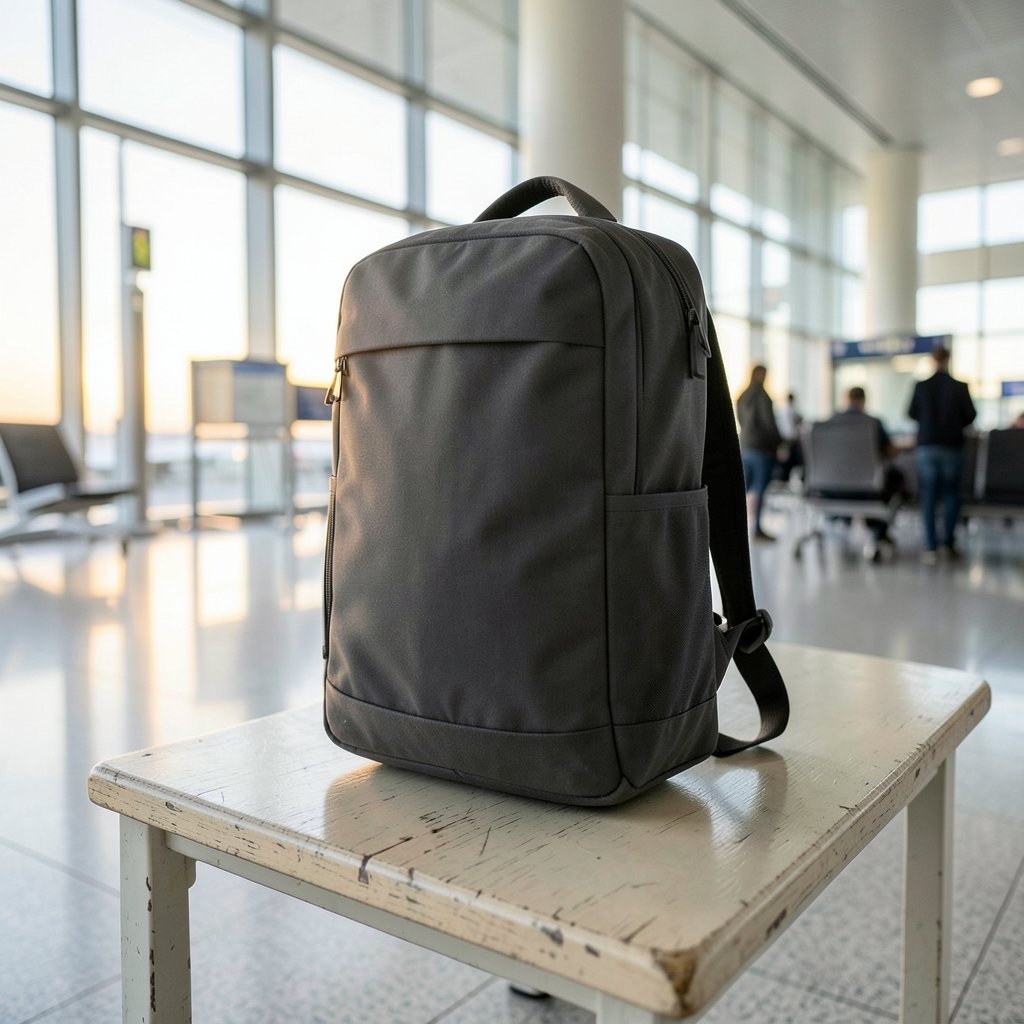
What if the single most important piece of gear on your next trip is the bag you carry on your back? Not your shoes, not your camera, not the jacket you almost left at home. The backpack. It is the one item you touch every hour of every travel day, and the one that can make a two-week trip feel effortless or miserable. Yet most people buy one in about eleven minutes, standing in a store aisle, judging by color and a quick zip test.
That is a costly shortcut. A travel backpack that fits poorly will ache your shoulders by day three. One that is slightly too big will get gate-checked on a budget flight. One with the wrong opening style will force you to unpack half your clothes to find a charger. This guide cuts through the noise with the factors that actually matter, the trade-offs nobody mentions, and the practical habits that separate a great bag from a great trip.
Why “Best” Is a Moving Target
Here is the uncomfortable truth the review industry rarely leads with: there is no universal consumer standard for testing travel backpacks. No certified lab score, no independent safety rating, no single benchmark. Every “best of” list reflects a reviewer’s own methodology, body type, and travel style. That does not make reviews useless, but it does mean a bag crowned “best overall” by one outlet can be a poor fit for a five-foot-two traveler with a short torso.
The same problem applies to carry-on rules. Common US domestic limits hover around 22 × 14 × 9 inches (roughly 55 × 35 × 23 centimeters), but each airline sets its own rules and enforces them inconsistently. Recommended dimensions exist, yet airlines are not bound by them. So a 40-liter pack marketed as “carry-on compatible” may sail through one carrier and get flagged by another, depending on frame shape, how full it is, and the mood of the gate agent.
The practical takeaway: treat every “best” claim, including the ones in this article, as a starting filter rather than a verdict. The right bag is the one that fits your torso, your airline, and your packing habits.
Start With Fit, Not Capacity
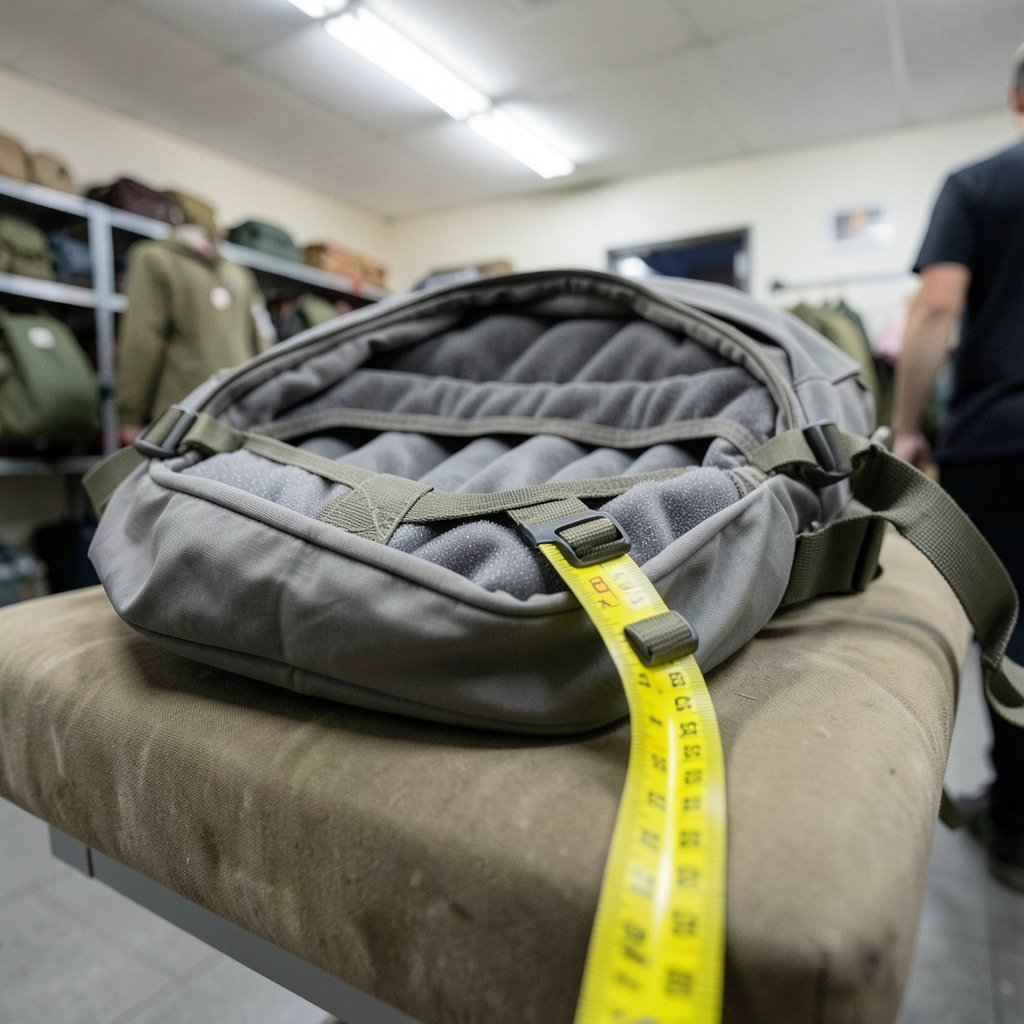
Most shoppers begin with liters. That is backwards. Capacity tells you how much the bag holds. Fit tells you whether you can carry it for an hour without regret.
Backpack fit is measured by torso length, not your height. Torso length is typically measured from the C7 vertebra at the base of your neck down to the iliac crest, the top of your hip bones. Manufacturers publish fit ranges for each frame size, and a good retailer will measure you before you buy. Two people of identical height can need different frame sizes. Buying by height alone is one of the most common and most painful mistakes travelers make.
The second fit factor is load transfer. A well-fitted hip belt should carry roughly 60 to 80 percent of the load’s weight. That is standard backpacking guidance, and it applies just as much to a 40-liter travel pack as to a 65-liter hiking pack. If your shoulders are doing most of the work, the hip belt is either too loose, too high, or the wrong shape for your body. Adjust the belt so it sits on the hip bones, not the soft waist, and tighten the load-lifter straps until the pack hugs your back.
The Fit Checklist That Actually Works
Before committing to any bag, run through this sequence in the store or at home with a full load:
- Load the bag with about 15 to 20 pounds of weight, roughly what a week of clothes and a laptop weigh.
- Loosen all straps, then put the pack on and tighten the hip belt first.
- Check that the belt wraps the hip bones and the padding sits flush against your body.
- Tighten the shoulder straps until they curve around your shoulders without gaping.
- Pull the load-lifter straps so the top of the pack tips slightly toward your head.
- Walk for five minutes. If your shoulders burn or the pack sways, the fit is wrong.
Carry-On Reality: Sizes, Frames, and Compression
The 40-liter versus 45-liter debate is mostly about fit, not capacity. Many packs in that range are sold as carry-on-friendly, but whether they pass depends on the frame, the compression straps, and the airline. A soft-sided bag that compresses flat has a real advantage over a rigid frame that stays boxy even when half empty.
Three habits make the difference in practice:
- Check your airline’s current limit before you buy, not after. Rules change, and enforcement varies by route and crew.
- Pack to the bag’s compressed size, not its expanded size. A bag that is technically within limits when full can bulge past them when overstuffed.
- Wear your bulkiest items on travel day. A jacket and boots on your body are weight the scale never sees.
If you are planning a trip around peak-season crowds and tight connections, it also helps to study which destinations reward light packing in the first place. A little planning around September travel destinations can mean milder weather, fewer layers, and a smaller bag that clears every gate check.
Opening Style: The Decision That Shapes Your Whole Trip
Ask frequent travelers what they would change about their bag, and the answer is rarely capacity. It is access. How you get into the bag determines how you live out of it for two weeks.
| Opening style | Best for | Trade-off |
|---|---|---|
| Clamshell (full zip-around) | Living out of the bag in a hotel | Needs floor space to open fully |
| Panel loader (front panel) | Organized packers with packing cubes | Less structured when partially full |
| Top loader | Hiking and moving daily | Digging for items; poor for city travel |
| Hybrid (panel plus top) | One-bag travelers who mix hiking and cities | Slightly heavier and pricier |
For most city-focused trips, a clamshell or panel loader wins because it opens like a suitcase and lets you see everything at once. Top loaders are wonderful on trails and frustrating in a hostel dorm. Hybrids are the flexible compromise, though they usually add weight and cost.
Materials, Weight, and the Denier Trap
Higher denier fabric, such as 1000D versus 210D nylon, generally means more abrasion resistance but also more weight. That is the whole trade-off in one sentence. Coated nylons and recycled fabrics vary widely, and there is no single standard behind “durability” claims, so treat marketing language with suspicion.
What actually holds up in practice:
- Abrasion points matter more than overall fabric weight. Look at the base and corners, where bags wear first.
- Zippers and hardware fail before fabric does. YKK-style zippers and replaceable buckles are worth paying for.
- Lighter is not automatically better. A 3-pound bag that sags under load is worse than a 4-pound bag that carries well.
Warranty, Repairability, and the Long Game
Warranty and repair policies are a meaningful differentiator, and they are changing. Several major outdoor brands offer lifetime repair or replacement programs, and repairability is becoming a bigger selling point as right-to-repair rules expand in some jurisdictions. Terms change, so verify current policy wording before you buy rather than trusting a decade-old reputation.
In practice, the brands worth shortlisting are the ones that publish clear repair documentation and stock replacement parts. A bag you can fix in year six is a better investment than one you replace in year three. This is also where buying from a specialist outdoor retailer beats a general marketplace: they can service what they sell.
Battery and Liquid Rules That Catch Travelers Out
Two regulatory details trip up more travelers than any packing mistake.
First, lithium batteries. Power banks and spare lithium batteries must generally travel in carry-on baggage, not checked bags. Bags with built-in batteries face extra scrutiny, and some airlines restrict them further. If your backpack has a USB port, check whether the battery is removable, because a removable one is far easier to fly with.
Second, liquids. The US 3-1-1 rule limits carry-on liquids to containers of 3.4 ounces (100 milliliters) or less, packed in a single quart-sized bag. Some airports with newer CT scanners have relaxed this, but the rule remains the safe default. A backpack with a dedicated, easy-to-reach liquids pocket saves you from unpacking at security.
Matching the Bag to the Trip
The best travel backpack is a moving target because trips differ. A few pairings that hold up in practice:
- City breaks and business travel: a 28 to 35-liter clamshell with a padded laptop sleeve and clean lines. Pair it with a well-organized travel wallet for your next trip so documents and cards stay separate from the main compartment.
- One-bag long trips: a 40 to 45-liter panel loader with compression straps and a hip belt that transfers load properly.
- Hiking-focused travel: a 45 to 55-liter top loader with a real frame, accepting that it may need to be checked on smaller flights.
- Luxury and resort travel: a lighter, more refined bag that looks at home in a nice lobby. If that is your lane, the luxury travel section is worth a browse for gear that matches the itinerary.
For travelers building an itinerary around national parks and long drives, a bag that doubles as a daypack matters more than raw capacity. Anyone planning California travel or a Yosemite trip will want a pack that handles trail dust and car trunks equally well.
Common Mistakes That Cost Real Money
A short list of errors that show up again and again:
- Buying by height instead of torso length. The single most common fit failure.
- Skipping the loaded test walk. A bag feels fine empty and awful at 20 pounds.
- Assuming “carry-on size” is universal. It is not, and enforcement varies.
- Overpacking the first trip. Most travelers use about 70 percent of what they bring.
- Ignoring the return policy. Buy where you can test and return.
- Chasing the lightest bag. Comfort under load beats a few saved ounces.
How to Test a Bag Before You Commit
If you can, buy from a retailer that allows returns and test at home. Load the bag, walk around the block, carry it up stairs, and pack it as you would for a real trip. Check whether it stands upright on its own, whether the zips glide when full, and whether the laptop sleeve actually protects a laptop. Then return it if it fails. This one habit eliminates most buyer’s remorse, and it is the closest thing to a real-world test standard that exists.
Conclusion
The best travel backpack is not the one at the top of a list. It is the one whose frame matches your torso, whose dimensions clear your airline’s gate, whose opening style matches how you actually live out of a bag, and whose warranty keeps it on the road for years. Start with fit, verify the rules, test with real weight, and buy from someone who will repair what they sell. Do that, and the bag stops being a purchase and becomes the quiet, reliable base of every trip you take.
Frequently Asked Questions
What size travel backpack is best for carry-on only?
Most travelers land in the 35 to 45-liter range, but size alone does not guarantee acceptance. Common US domestic limits sit around 22 × 14 × 9 inches, yet each airline sets and enforces its own rules. Check your specific carrier’s current limit and choose a bag that compresses well when partially full.
Is 40L or 45L better for travel?
It depends more on fit and frame shape than on the five-liter difference. A well-fitted 40-liter pack often carries better than a boxy 45-liter one. If you routinely pack bulky gear or cold-weather layers, the extra space helps; if you pack light, the smaller bag keeps you honest and clears gates more easily.
How do I know if a backpack fits me?
Fit is determined by torso length, measured from the C7 vertebra at the base of your neck to the iliac crest at your hip. Manufacturers publish fit ranges, and a good retailer will measure you. Load the bag with 15 to 20 pounds and walk for five minutes before deciding.
Can I bring a power bank in my travel backpack?
Generally yes, in carry-on, but not in checked baggage. Power banks and spare lithium batteries are restricted to the cabin under international and US rules. Bags with built-in batteries face extra scrutiny, so a removable battery is the safer choice if you want the charging feature.
How much weight should a hip belt carry?
A well-fitted hip belt should carry roughly 60 to 80 percent of the load. If your shoulders ache after an hour, the belt is too loose, sitting too high, or the wrong shape for your hips. Adjust the belt first, then the shoulder straps, then the load-lifter straps.
Do expensive travel backpacks last longer?
Not automatically, but warranty and repair policies are a real differentiator. Brands that publish clear repair documentation and stock replacement parts tend to deliver better long-term value. Fabric denier is an imperfect proxy for durability, so check the base and corners, the zippers, and whether buckles are replaceable.