

Quick Answer: Is it normal for moisturizer to burn?
It depends. A brief sting or tingle that fades within a minute or two is common, especially on dry, cracked, or irritated skin, but burning that lingers, gets worse, or comes with redness and swelling is not normal and means the product should come off.
Delayed burning that shows up hours later points more toward an allergic reaction than simple sensitivity, and burning paired with hives, facial swelling, or trouble breathing is a medical emergency rather than a skincare problem.
Before deciding what to do, check how long the sensation lasts, whether a rash appears, which ingredients are in the formula, how damaged the skin barrier is, and whether the reaction happens every single time.
Why a Moisturizer Can Sting Even When Nothing Is Wrong
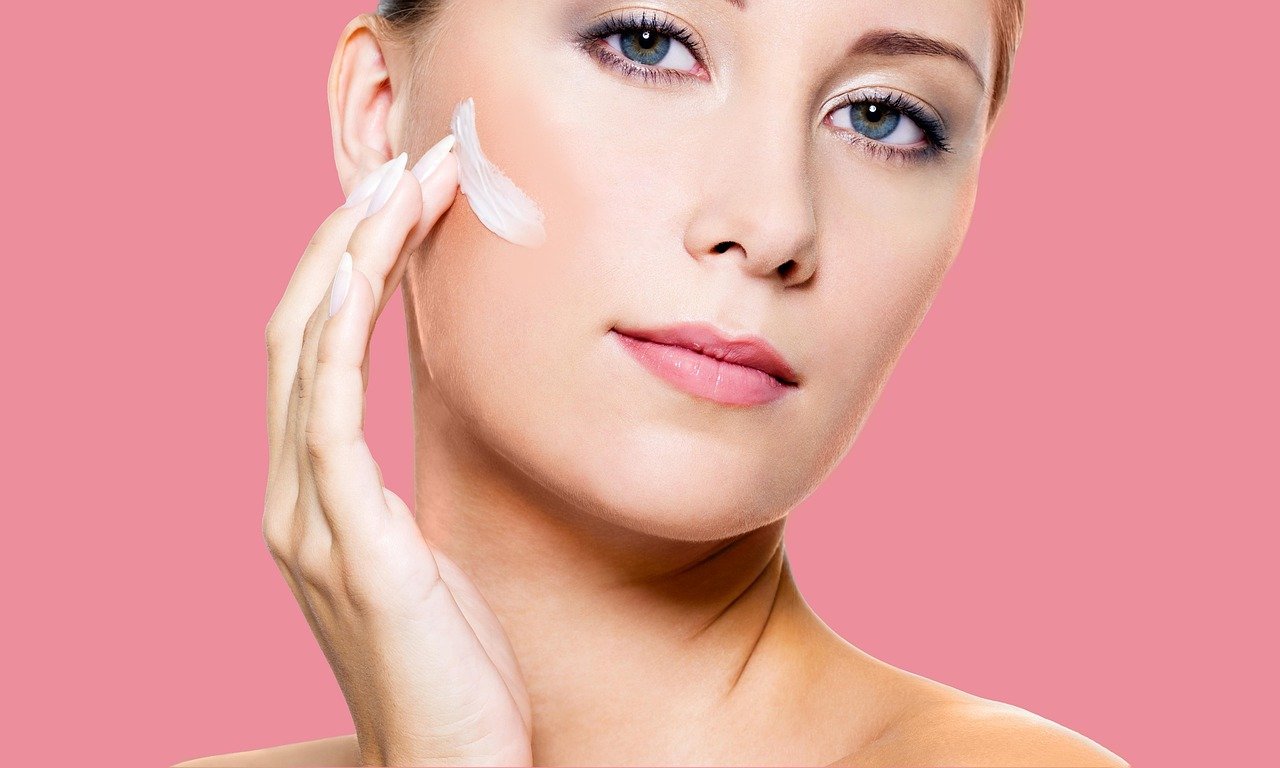
Have you ever patted on a moisturizer you have used for months and felt a sudden, sharp tingle, like tiny pins pricking your cheeks? It is startling, and the first instinct is usually to blame the product. But the more common explanation is the skin underneath it.
The outer layer of skin, the stratum corneum, works as a barrier. When that barrier is intact, most ingredients sit on top and do very little. When it is compromised, by over-washing, retinoids, acids, windburn, sunburn, or an eczema flare, water-soluble irritants and some preservatives slip through more easily and trigger stinging. This is the most common harmless reason a moisturizer that used to feel fine suddenly feels like lemon juice.
A few ingredients are also well-known stingers in their own right. Lactic acid, glycolic acid, urea at higher concentrations, propylene glycol, and some preservatives such as benzyl alcohol are all recognized causes of transient stinging, particularly on sensitive or damaged skin. Dermatologists even use a lactic acid stinging test on the nasolabial fold, the crease between nose and cheek, as a standard way to identify sensitive skin. If your moisturizer contains any of these, a short tingle is not a red flag by itself.
There is a practical lesson buried in this. People often respond to stinging by washing their face more, hoping to remove whatever caused it. That strips the barrier further and makes the next application sting more. The better move is usually the opposite: gentler cleansing, fewer actives, and a plain, fragrance-free moisturizer until the skin settles.
The Difference Between a Sting and a Burn
The word “burn” gets used loosely, and that causes a lot of confusion. A sting is a quick sensation, usually seconds to a couple of minutes, that fades on its own. A true burn is persistent, often intensifies after application, and frequently comes with visible changes: redness, warmth, swelling, or a rash.
| Feature | Normal sting | Cause for concern |
|---|---|---|
| Timing | Seconds to about two minutes | Lasts longer, or worsens over hours |
| Look of the skin | Unchanged | Redness, rash, swelling, blistering |
| Pattern | Fades as the barrier heals | Returns with every use |
| Spread | Stays where you applied it | Spreads beyond the application area |
| Other symptoms | None | Itching, hives, facial swelling |
One detail people miss is timing. Irritant stinging is immediate. Allergic contact dermatitis is typically delayed, often showing up 24 to 72 hours after exposure, and it can present as burning, itching, or redness rather than instant pain. So if your face burns the morning after you tried a new cream, that pattern fits an allergy far better than sensitivity.
If you want a deeper look at how burning sensations differ depending on the tissue involved, it helps to remember that not all burning skin is skincare-related. Nerve-related burning has its own signature, which is why guides like this one on meralgia paresthetica and outer thigh burning focus on location and nerve patterns rather than products. Facial burning after a cream is almost always a surface issue, but the principle of matching the symptom to the cause holds.
Ingredients Most Likely to Set Your Skin on Fire
Fragrance and aromatic plant oils are leading causes of allergic contact dermatitis from moisturizers, and that is worth repeating because fragrance is everywhere. Labels list “fragrance” or “parfum” as a single word, which can hide a dozen individual compounds. A reaction may not appear on day one. It can build quietly over several uses and then appear suddenly, which is why people swear a product “turned on them.”
The second group is actives. Acids, retinoids, vitamin C, and high-strength urea all increase the chance of stinging, and layering several of them under one moisturizer multiplies the risk. A moisturizer is not always the innocent party in the routine. Sometimes it is simply the last thing applied to skin that has already been pushed too far.
Preservatives deserve a mention too. Benzyl alcohol and propylene glycol are common and generally well tolerated, but on compromised skin they sting more readily. None of this means these ingredients are dangerous. It means context matters, and the same formula can feel completely different on healthy skin versus skin mid-flare.
What Actually Works in Practice
Practical experience from dermatology clinics and skincare counters points to a handful of habits that separate a quick fix from a long ordeal.
Patch test before committing. Apply a small amount to the inner forearm or behind the ear and wait 24 to 48 hours before using it on your face. This is standard advice for a reason: it costs two days and saves a week of redness. Most people skip it, then wonder why their cheeks are angry.
Strip the routine back, not the moisturizer. When skin stings, pause acids, retinoids, scrubs, and vitamin C for a week. Keep cleansing gentle and lukewarm. Use a bland, fragrance-free moisturizer. If the stinging stops once the actives are gone, the moisturizer was never the problem.
Read the label for the usual suspects. Fragrance, aromatic plant oils, alcohol denat, propylene glycol, and acids are the first things to scan for. A product marketed as “natural” is not automatically gentler; aromatic plant oils are natural and are also frequent allergens.
Do not layer stingers. If your serum contains glycolic acid and your moisturizer contains urea, you have stacked two known irritants. That is fine for resilient skin and miserable for reactive skin.
Give a new product a fair trial on its own. Introducing one product at a time makes it possible to identify the culprit. Changing cleanser, serum, and moisturizer in the same week leaves you with no information at all.
Watch for the pattern, not the moment. A single sting on a windy day is noise. Burning with every application for a week is a signal. Keeping a rough note of what you used and when the burning started turns guesswork into something a clinician can actually use.
When Burning Means Something More
Some reactions should not be managed with product swaps. If burning comes with a visible rash, blistering, or spreads beyond where you applied the cream, that is more consistent with dermatitis than with normal sensitivity, and it deserves a professional opinion. The same goes for burning that recurs with every use, lasts more than a few minutes, or does not settle after switching to a fragrance-free, bland moisturizer.
There is also a group of people whose skin reacts to products that are fine for everyone else. Rosacea and eczema both lower the threshold for stinging, and sensitive-skin formulations and patch testing are commonly recommended in both. If your skin flushes easily, reacts to many products, or burns with things other people use without issue, that history is useful information rather than an overreaction.
And then there is the emergency category. Burning with hives, swelling of the face, lips, or throat, or difficulty breathing suggests anaphylaxis or angioedema and requires urgent medical care, not a different moisturizer. This is rare with topical skincare, but it is the one scenario where the answer to “should I wait and see” is an immediate no.
For anyone also dealing with color-treated or fragile hair alongside reactive skin, the same barrier logic applies elsewhere. Resources like this guide to auburn hair care make the point that gentle, consistent routines beat aggressive ones, and skin follows the same rule.
How to Choose a Moisturizer When Your Skin Burns Easily
The safest starting point is a short ingredient list with no fragrance, no aromatic plant oils, and no acids. Ceramides, glycerin, squalane, and petrolatum are boring in the best way: they support the barrier without provoking it. If a formula contains urea, check the percentage, since low concentrations hydrate while higher ones exfoliate and sting.
Texture matters less than people think. A rich cream is not automatically more irritating than a gel, and a lightweight lotion is not automatically safer. What matters is what is in it and what state your skin is in when you apply it.
It also helps to apply moisturizer to slightly damp skin after cleansing, when the barrier is most receptive, rather than to skin that has dried out completely. And if a product stings, resist the urge to “push through.” Tolerance does not build with irritants the way it does with some actives. It usually just gets worse.
If you are comparing shades or tones in other areas of your routine, the same principle of matching the product to your actual skin applies. A guide like this one on auburn hair makes a similar point about choosing based on your own coloring rather than a trend, and skincare rewards the same honesty.
Conclusion
A moisturizer that stings for a few seconds on dry, damaged, or sensitive skin is common and usually harmless. A moisturizer that burns, lingers, reddens the skin, or reacts every single time is telling you something different, and the right response is to stop, simplify, and pay attention to the pattern. Most people find that the product was fine and the barrier was not, or that a fragrance or an acid was the real culprit all along. Patch test new formulas, keep the routine short, and treat persistent or spreading reactions as a reason to see a clinician rather than a reason to buy another bottle.
FAQ
Why does my moisturizer burn some days but not others?
Skin condition fluctuates. Wind, sun, hot showers, retinoids, over-washing, and hormonal shifts all affect the barrier, so the same formula can sting on a compromised day and feel fine a week later. If the burning is occasional and brief, the barrier is the likely variable rather than the product.
Can you become allergic to a moisturizer you have used for years?
Yes. Allergic contact dermatitis can develop after long repeated exposure, which is why a familiar product can suddenly cause burning, itching, or redness. Reactions are often delayed by 24 to 72 hours, so the connection to the product is easy to miss.
Does burning mean the product is working?
No. Stinging is not a sign of efficacy. Actives may tingle briefly, but burning is an irritation signal, not proof that ingredients are penetrating usefully. A product that works well should feel neutral on healthy skin.
Should I stop using a moisturizer if it stings for a few seconds?
Not necessarily. A brief sting that fades quickly on dry or healing skin is common. Stop and reassess if the burning lasts more than a few minutes, worsens, or comes with redness, swelling, or a rash.
Is a fragrance-free moisturizer always safer for reactive skin?
It is usually a better starting point, since fragrance and aromatic plant oils are leading causes of allergic contact dermatitis from moisturizers. That said, preservatives and other ingredients can still cause reactions, so patch testing remains worthwhile.
When should I see a doctor about burning skin?
See a clinician if burning recurs with each use, lasts more than a few minutes, causes a visible rash, or persists after switching to a bland, fragrance-free moisturizer. Seek urgent care for hives, facial or throat swelling, or difficulty breathing.









