


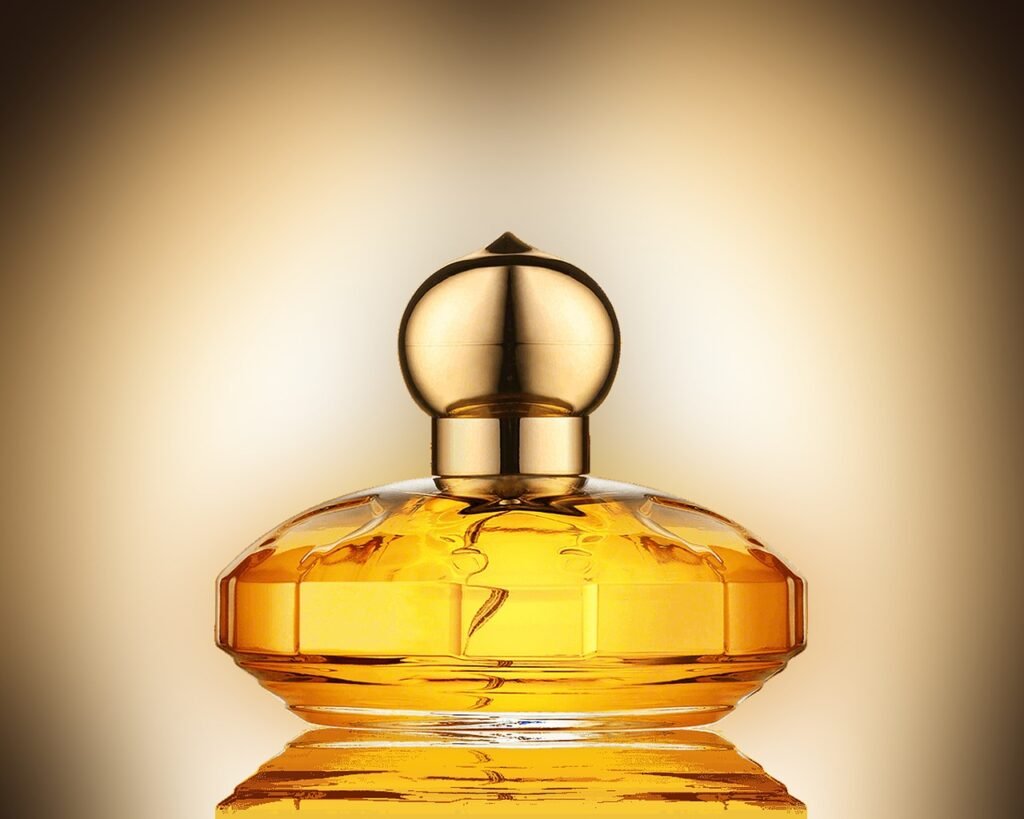
What if the scent people remember you by is not on any store shelf, but something you built yourself? That is the whole promise of fragrance layering. Instead of buying a bottle everyone else owns, you combine two or more scents to create a blend that smells like no one else. The idea is not new, but it has exploded into a full routine, complete with body oils, lotions, mists, and hair perfumes.
The appeal is practical as much as creative. A well-built combination usually lasts longer than a single spray, and it lets you adjust a fragrance that is almost right but not quite. The trick is knowing which scents play well together, the order to apply them, and when to stop. Here is the full process, from what to gather beforehand to the mistakes that quietly ruin most attempts.
What You Need Before You Start
Layering rewards preparation. Before touching a single bottle, get these basics in place.
Two or three fragrances, no more. Beginners do best with one heavier scent and one lighter one. Molecule-based perfumes and scents designed specifically for layering are the easiest entry point because they are built to sit under other fragrances without fighting them.
A fragrance-free or matching body lotion. Fragrance clings to moisturized skin far better than dry skin. An unscented lotion gives you a neutral base; a lotion in the same scent family amplifies the fragrance you are about to wear.
Knowledge of fragrance families. Think of families as broad categories: floral, woody, fresh, citrus, and sweet or gourmand. Knowing which family each bottle belongs to is the fastest way to predict whether a pairing will work.
A testing routine, not a testing spree. Your nose tires quickly. Plan to test two combinations per session, then step away for fresh air.
Layering extends beyond perfume. A scented body wash, oil, lotion, and hair mist in the same family build a scent that deepens through the day rather than fading by lunch. That full routine separates a signature scent from a single spray.
How to Layer Fragrances, Step by Step

Step 1: Choose a base scent you already love
Start with the fragrance you would happily wear alone. This becomes the foundation, and everything else supports it. If you are still deciding on a core bottle, it helps to understand what makes a scent wearable day after day rather than impressive for five minutes. The same logic in this guide to the best men’s cologne you’ll actually wear applies to anyone: pick something that fits your life rather than your wish list.
Expected result: one anchor fragrance you know suits your skin and your routine.
Step 2: Pick a partner from a compatible family
Now choose a second scent that complements rather than competes. The safest pairings sit in neighboring families: vanilla with woods, citrus with florals, rose with musk. A heavier oriental scent layered under a light citrus usually reads as rich and bright; two heavy orientals together usually read as a headache.
A useful shortcut is to think in contrasts. If your base is sweet, add something dry or green. If your base is sharp and citrusy, add something creamy. The goal is depth, not volume.
Expected result: a pairing that smells interesting on a test strip before it ever touches your skin.
Step 3: Prep the skin with moisture
Apply your unscented or matching lotion while skin is still slightly damp, focusing on pulse points and the chest. This step is unglamorous and easy to skip, and it is also the single biggest reason some people’s perfume disappears while others’ lingers.
Expected result: skin that feels soft and holds scent noticeably longer.
Step 4: Apply the heaviest scent first
Order matters. Apply the richer, denser fragrance first, close to the skin, then layer the lighter one over it. Heavier scents need body heat to open up, and lighter scents sit on top and release first. Reversing the order often buries the delicate fragrance entirely.
Spray from about six inches away and let each layer dry for a minute before adding the next. Do not rub.
Expected result: a base that smells full but not loud.
Step 5: Add the lighter layer sparingly
One or two sprays of the lighter fragrance, placed on top of or beside the first, is usually enough. This is where restraint pays off. If you can smell both scents clearly as separate things, you have probably used too much of one.
Expected result: a blended scent where neither fragrance dominates.
Step 6: Finish with hair or clothing if you want staying power
Fragrance fades from skin faster than from fabric. A light mist on the inner lining of a jacket, a scarf, or the ends of your hair extends the trail without adding intensity up close. Hair holds scent well, though it is worth keeping alcohol-heavy sprays off delicate or dry hair.
Expected result: a scent trail that follows you rather than sitting in one spot.
Step 7: Live with it for a full day before judging
Fragrances evolve. A combination that smells odd in the first ten minutes may settle into something excellent an hour later, and a combination that opens beautifully may turn sour by afternoon. Wear your test blend for a full day, in normal life, before deciding.
Expected result: a verdict based on how the scent actually performs, not on first impressions.
Pairings That Work and Pairings That Fight
| Base scent | Good partner | Why it works | Risky partner |
|---|---|---|---|
| Vanilla | Cedar or sandalwood | Sweet softened by dry wood | Another heavy gourmand |
| Citrus | White floral | Bright top note over soft depth | Sharp green scent |
| Rose | Musk | Floral rounded by skin-like warmth | Another strong floral |
| Amber or oriental | Light citrus | Rich base lifted by freshness | Second oriental |
| Fresh aquatic | Clean musk | Light layered on light | Dense oud |
The pattern is simple: contrast in texture, agreement in mood. Two scents that pull in the same direction amplify each other; two that pull in opposite directions can either create tension or cancel out.
Common Mistakes and How to Fix Them
Most layering failures come down to a handful of habits. Fix these and results improve immediately.
Spraying too many fragrances. Three is usually the ceiling, and many excellent combinations use two. More layers do not equal more complexity; they equal noise.
Rubbing wrists together. Friction and heat break down the top notes and shorten the life of the scent. Spray and leave it alone.
Layering on dry skin. Without a moisturizing base, even a great combination fades fast. This is the most common and most fixable mistake.
Testing on paper only. Test strips show the idea, not the result. Skin chemistry changes everything, so the final test has to happen on skin.
Ignoring the occasion. A dense, layered evening scent can overwhelm a small office. Build a lighter version for daytime and save the richer blend for evenings out.
Buying before testing the pair. Layering is a way to get more from what you own. It is not a reason to buy two new bottles at once.
There is a broader lesson here that applies beyond fragrance. Layering works when each layer has a job and the layers are built in the right order, whether you are dealing with scent or with makeup designed to last. The same principle of thin, deliberate layers appears in this guide on how to layer makeup so it lasts all day without caking, and the logic transfers neatly.
Building a Routine Around Your Signature Blend
Once you have a combination you like, turn it into a routine. A fragrance routine means using several products that support the same scent story: a body wash, a lotion, an oil, and the fragrance itself. The result is a scent that reads as yours from close range and from across a room, and that lasts far longer than a single spray.
Start with the products you already own. A matching lotion under your perfume is the simplest upgrade. From there, add a hair mist or a scented oil for evenings. If you want ideas for what belongs in each space and each moment, this roundup of luxury home scents for every room shows how the same layering thinking applies to the air around you, and the broader collection of best home fragrances is a useful reference for building that atmosphere.
Context matters too. A blend that works in daylight may feel wrong at night. If you are building a scent specifically for evenings, this guide to the best perfumes for a date is worth reading, because close-range performance is a different skill from projection. And if you want to go deeper into the mechanics of combining scents, the archive on scent layering covers the subject in more detail.
Conclusion
A signature scent is not something you find; it is something you assemble. Start with one fragrance you love, choose a partner from a compatible family, prep your skin, apply the heaviest layer first, and add the lighter one with restraint. Then give the blend a full day to prove itself before you judge it. Keep your combinations to two or three scents, avoid rubbing, and build a routine of supporting products around whatever works.
The best part is that this costs nothing extra. You are not buying a bespoke perfume; you are learning to use the bottles you already own with more intention. Experiment with one pairing at a time, note what works, and within a few weeks you will have a combination that people recognize before they see you.
Frequently Asked Questions
How many fragrances should I layer at once?
Two is the sweet spot for most people, and three is the practical maximum. Beyond that, the individual scents stop reading as distinct notes and start canceling each other out. Start with one heavier base and one lighter partner, then only add a third if the blend feels like it is missing something specific.
Which fragrance goes on first when layering?
Apply the heaviest, richest scent first, close to the skin, then layer the lighter fragrance over it. Heavy scents need body heat to develop, while light scents sit on top and release first. Reversing the order tends to bury the delicate fragrance and shorten the life of the whole blend.
Can I layer any two perfumes together?
No. Scents from compatible families blend well, such as vanilla with woods or citrus with white florals. Two very dense, heavy fragrances layered together usually become cloying, and two sharp scents can turn harsh. Test any pairing on skin for a full day before committing to it.
Why does my layered scent disappear so fast?
The most common cause is dry skin. Fragrance clings to moisturized skin far better than to dry skin, so apply an unscented or matching lotion first. Rubbing the wrists together after spraying and applying fragrance to very dry areas also shorten longevity. A light mist on fabric or hair adds extra staying power.
Is layering fragrances expensive?
Not necessarily. Layering is designed to help you get more from bottles you already own, which is one reason it has become so popular. The main costs are optional: a matching body lotion or a layering-friendly molecule scent. You do not need a bespoke perfume to create something personal.
How do I know if a layering combination works?
Judge it on skin, over a full day. Spray strips only show the opening notes. Wear the combination through your normal routine, in normal weather, and check how it smells after one hour and after six. If both scents are still identifiable as separate things, you have likely used too much of one.











