


What if the most expensive serum on your shelf is also the cleanest thing you own? That sounds like a marketing fantasy, but a handful of luxury labels have built their entire reputations on it. They treat ingredient lists the way watchmakers treat movements: fewer parts, better parts, and nothing hidden.
The trouble is that “clean” has no official definition. One brand means no parabens. Another means no synthetic fragrance at all. A third means 100 percent natural origin, full stop. So the useful question is not which brand shouts “clean” loudest. It is which luxury names back the claim with farming, certification, and formulas you can actually read.
What “Clean” Actually Means in Luxury Beauty
Most working definitions land on three principles: safe ingredients, clear labeling, and sustainability. The excluded list is fairly consistent across brands. Parabens, phthalates, sulfates, and synthetic fragrance sit near the top of almost every “free from” list. Some labels go further and reject drying alcohols, silicones, chemical sunscreen filters, and certain oils.
Luxury adds a second layer. A clean mass-market cleanser can get away with a short ingredient list and a plain bottle. A luxury one has to deliver texture, scent (natural or none), and results that justify the price. That is a much harder brief, and it is why so few brands genuinely pull it off.
There is also a transparency test. A brand that publishes full ingredient lists, names its farms, and holds third-party certifications is easier to trust than one that simply prints “natural” on the carton. Keep that test in mind as you read the names below.
The Brands That Set the Standard
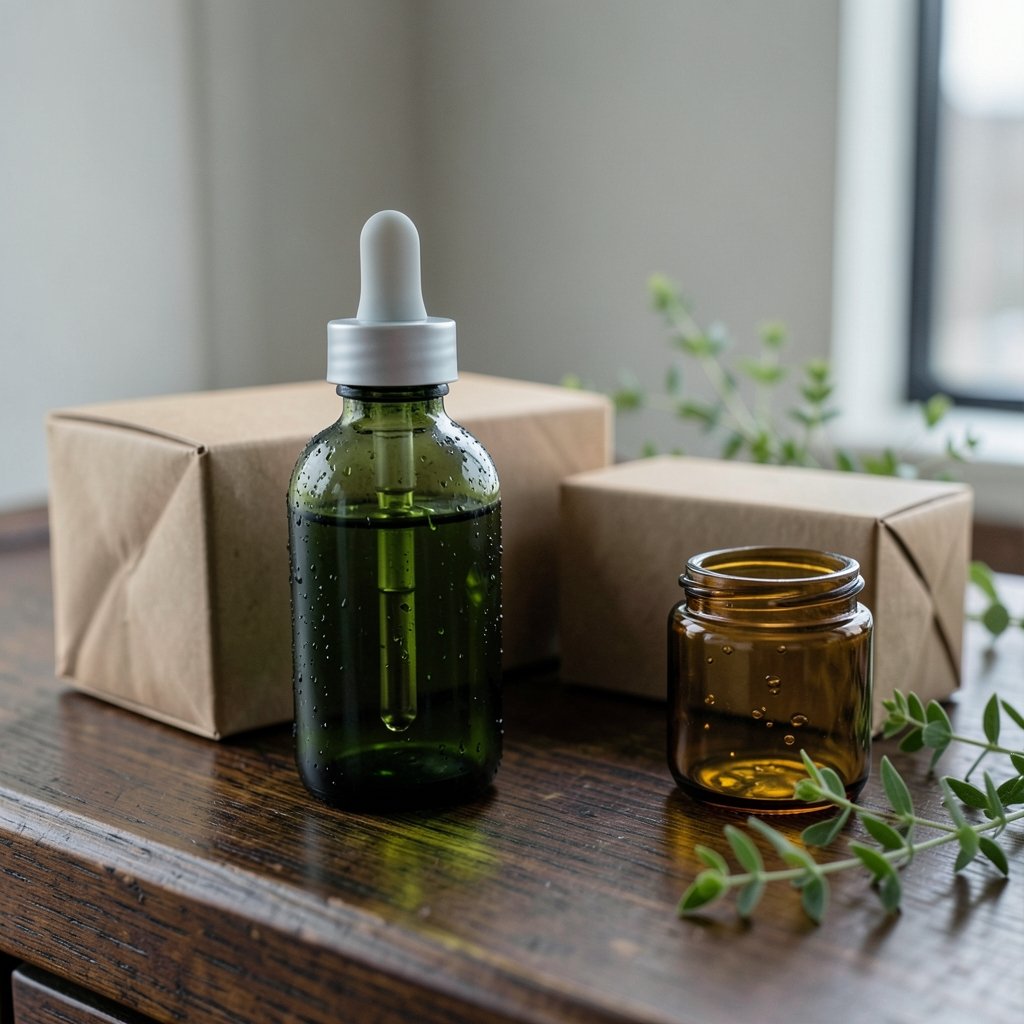
Tata Harper: The Farm-to-Face Benchmark
If one brand defines luxury clean beauty, it is Tata Harper. The formulas are 100 percent natural and non-toxic, and every product is handcrafted in the brand’s Vermont lab. The company calls its model “farm-to-face,” managing everything from growing ingredients on its own farm through manufacturing and packaging.
That control shows up in the details. The brand uses non-GMO ingredients and packages in glass, soy-ink printing, recycled paper, and corn-resin plastic. The green bottles have become instantly recognizable on vanity shelves.
The proof of concept travels well. Tata Harper, acquired by Amorepacific in 2022, was named among eight sustainable beauty brands worth watching in Singapore, with coverage praising it as the right fit for top-tier consumers who want a luxurious skincare experience without synthetic fragrance or compounds. It is a rare case of a clean brand scaling without diluting the promise. If you want a wider view of how traditional ingredients and modern luxury intersect, the story of Africa beauty ingredients traditions modern market is a good companion read.
Weleda: Biodynamic Farming With Pharmacy Precision
Weleda is Swiss, old, and quietly radical. It uses biodynamic farming methods, derives products from 100 percent natural ingredients, holds UEBT (Ethical BioTrade) certification, has a clear biodiversity policy, and is a certified B Corp. That combination is unusual: most brands manage one or two of those commitments, not all four.
The luxury here is not packaging drama. It is the supply chain. Biodynamic agriculture treats the farm as a closed living system, which is expensive and slow. Weleda has done it for generations.
Drunk Elephant: The “Suspicious Six” Approach
Drunk Elephant built its reputation on subtraction. The brand’s “clean compatible” philosophy means ingredients are natural but chosen to work well with skin. It also campaigns against what it calls the “suspicious six”: aromatic plant oils, drying alcohols, silicones, chemical sunscreens, fragrance and dyes, and SLS.
The strategy paid off. The brand became widely known after selling to Shiseido for $84.5 million, and its retinol cream remains a frequently recommended pick for smoothing lines and pigmentation. The lesson for shoppers: a short exclusion list, applied consistently, can be more credible than a long list of vague promises.
Indie Lee: Nature Supported by Science
Indie Lee’s products are free from chemicals, contaminants, and synthetics. The founder pioneered the use of ingredients sourced from nature, with formulas supported by science. That phrase matters. Clean beauty’s weak spot is often performance, and Indie Lee’s answer is to keep the sourcing natural while letting lab work handle stability and efficacy.
Caudalie: The Vineyard Laboratory
Caudalie comes out of Bordeaux, and its story is soaked in the region’s most famous export: the grape. Co-founder Mathilde Thomas built a line around grape-derived antioxidants. The entire range is free from parabens, mineral oils, and SLS.
The beauty elixir, a refreshing mist with rosemary and grape, is the signature product. It fixes makeup and revives tired skin, which is a very French interpretation of clean: pleasurable, sensory, and free from the usual suspects.
Lush and The Body Shop: The Transparency Wing
Neither brand plays in the same price bracket as a Tata Harper serum, but both belong in this conversation because they set the rules everyone else follows. Lush rejects palm oil, promotes refills, sources raw materials through fair trade, opposes animal testing, is highly transparent, and holds B Corp certification. The Body Shop works through its Community Fair Trade program, uses RSPO-certified palm oil, and is also a B Corp.
Luxury shoppers can learn from them. Refill culture and fair-trade sourcing are the operational backbone of clean claims, and both brands publish more about their supply chains than most premium labels do.
Typology: Minimalism as a Luxury Signal
Typology, founded in Paris in 2019 by Ning Li, asks what can be removed rather than added. Formulas are concise and concentrated in effective actives, ingredients are sustainably sourced, and all formulas are developed and manufactured in France. Most products contain over 95 percent naturally derived ingredients, and the brand holds PETA and B Corp certification.
It is not a heritage house, but its transparency is a useful benchmark for older luxury brands that still hide behind elegant copy.
How the Cleanest Luxury Brands Compare
| Brand | Origin | Signature Clean Commitment | Certification |
|---|---|---|---|
| Tata Harper | USA | 100% natural, farm-to-face, non-GMO | Third-party sustainability recognition |
| Weleda | Switzerland | Biodynamic farming, 100% natural | UEBT, B Corp |
| Drunk Elephant | USA | Free from the “suspicious six” | Brand-defined standard |
| Indie Lee | USA | No synthetics, nature plus science | Brand-defined standard |
| Caudalie | France | No parabens, mineral oils, or SLS | Brand-defined standard |
| Lush | UK | No palm oil, refills, fair trade | B Corp |
| The Body Shop | UK | Community Fair Trade sourcing | B Corp, RSPO-certified palm oil |
| Typology | France | 95%+ natural origin, minimal formulas | PETA, B Corp |
The strongest claims come with third-party certification, not brand language alone. B Corp status, UEBT certification, and PETA approval are checkable. “Clean” on its own is not.
The Quiet Luxury Angle: Fewer Ingredients, Better Skin
There is a quieter version of this trend. Quiet luxury skincare means high-performing products that do not go wild on the ingredient list. They include only the bare necessities, and the packaging is elegant and unassuming, like logo-free fashion. You grab it and use it every day.
This framing is useful because it shifts the question from “how many scary chemicals are missing?” to “how many ingredients does this product actually need?” A 12-step routine built on clean products can still irritate skin. A four-step routine built on the right ones often does more. The same instinct drives quiet luxury brands across fashion and homeware: restraint as a status signal.
Clean Makeup and Hair, Beyond Skincare
Clean claims have spread well beyond serums.
Ilia, founded in Vancouver by Sasha Plavsic, balances sustainability with function. The shades are flattering, the results are visible, and the ingredients are traceable, which makes the line suitable for sensitive skin. The Limitless Lash Mascara is the standout, delivering obvious volume without stinging sensitive eyes.
IGK Hair proves that natural hair care is possible even where styling is involved. Masks, dry shampoo, and gels use clean, sulfate-free formulas that still deliver salon-level results. The Amla Oil Hi-Shine Topcoat is a shine layer applied to mid-lengths and ends after blow-drying.
Tarte brings clean thinking to color cosmetics while adding skincare benefits. If you are curious how a fragrance-led house translates its aesthetic into clean formulas, the breakdown of what the Byredo makeup luxury beauty line actually offers is worth reading before you buy.
Practical Tips: What Actually Works When You Shop
Clean beauty is easy to get wrong, and most mistakes happen in the first five minutes of shopping.
- Read the full ingredient list, not the front of the box. “Natural” is unregulated. The INCI list is not.
- Check for third-party certification. B Corp, UEBT, and PETA are verifiable. A leaf icon is not.
- Patch test anything with aromatic plant oils. Natural does not mean gentle, and citrus oils and lavender are common irritants.
- Be skeptical of “chemical-free.” Water is a chemical. That phrase signals marketing, not science.
- Introduce one active at a time. Retinol, vitamin C, and AHAs are potent even in clean formulas, so start slowly and build tolerance.
- Watch for hidden fragrance. “Parfum” can contain dozens of undeclared compounds, which matters if your skin reacts.
- Do not assume price equals purity. A $200 cream can contain the same filler silicones as a $20 one.
The most common mistake is buying a whole clean routine at once. Skin needs weeks to adjust, and if something irritates you, a full shelf of new products makes the culprit impossible to find. Buy one product, use it for two weeks, then add the next.
The second mistake is treating “clean” as a medical claim. These brands avoid certain ingredients; they do not treat eczema or rosacea. If you have a diagnosed condition, a dermatologist’s advice outranks any label.
Where the Category Is Heading
Two forces are reshaping luxury clean beauty. The first is regulation-by-consumer: shoppers now expect full ingredient disclosure, and brands that resist look evasive. The second is proof. Certification is becoming a marketing requirement rather than a nice-to-have, and brands without it are increasingly asked hard questions.
The luxury sector has also learned that clean does not have to mean austere. Tata Harper’s glass bottles, Caudalie’s spa-like mists, and Typology’s minimalist design all prove that restraint can feel premium. The category’s future likely belongs to brands that can show their work: farms, certifications, lab data, and packaging that does not undermine the story.
Conclusion
The luxury beauty brands with the cleanest ingredients share a habit rather than a slogan. They subtract first, then verify. Tata Harper controls its farm. Weleda farms biodynamically and holds UEBT and B Corp certification. Drunk Elephant names its excluded ingredients outright. Caudalie, Indie Lee, Lush, The Body Shop, and Typology each publish enough for a shopper to check the claim rather than trust it.
That is the real takeaway. Clean is not a price tier or a bottle color. It is a paper trail. Choose brands that show theirs, start with one product at a time, and let your skin, not the label, have the final word.
Frequently Asked Questions
What does “clean” mean in luxury beauty?
There is no official definition, but most brands agree on three principles: safe ingredients, clear labeling, and sustainability. In practice, that means avoiding parabens, phthalates, sulfates, and synthetic fragrance, while sourcing responsibly and disclosing ingredients fully. Luxury brands add a performance requirement on top.
Which luxury beauty brand has the cleanest ingredients?
Tata Harper is the strongest example, with 100 percent natural, non-GMO formulas made farm-to-face in Vermont. Weleda is close behind thanks to biodynamic farming and UEBT and B Corp certification. Both back their claims with verifiable systems rather than marketing language.
Is clean beauty actually safer for skin?
Not automatically. Natural aromatic plant oils can irritate sensitive skin, and “chemical-free” is meaningless since water is a chemical. Clean formulas remove certain known irritants, which helps many people, but anyone with a diagnosed skin condition should follow dermatologist advice over label claims.
Are clean luxury brands worth the price?
Sometimes. You are paying for sourcing control, certification, and formulation work, which are genuinely expensive. But price is not a purity guarantee. Check the ingredient list and certifications before assuming a higher price means a cleaner formula.
What is the “suspicious six” in clean beauty?
It is Drunk Elephant’s term for six ingredient groups the brand excludes: aromatic plant oils, drying alcohols, silicones, chemical sunscreens, fragrance and dyes, and SLS. The list is brand-specific rather than an industry standard, but it is a useful shorthand for what many clean labels avoid.
How should someone start switching to clean products?
Replace one product at a time and use it for about two weeks before adding another. Start with whatever touches your skin longest, such as cleanser or moisturizer. This makes it easy to identify what works and what causes a reaction.











