


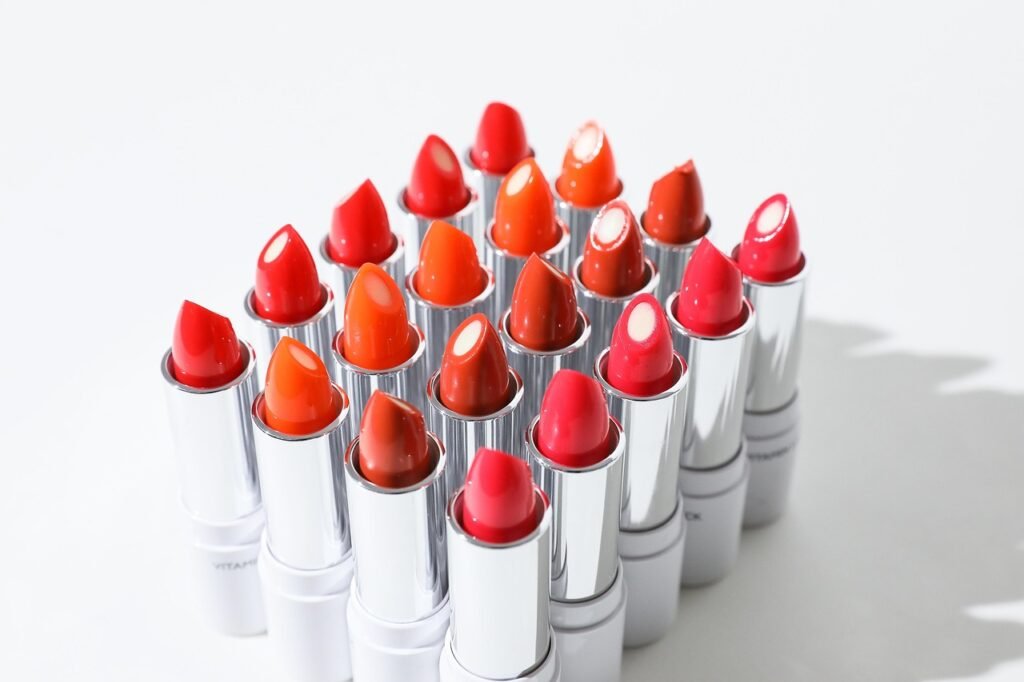
What if the most important beauty purchase of 2027 isn’t a lipstick at all, but the balm you put on before it? Current luxury lip discussion keeps returning to that question. Runway beauty for the 2027 season pointed in one clear direction: lips that look like skin first, color second. Hermès and Louis Vuitton were among the houses that built their beauty stories around care, texture, and a kind of quiet confidence rather than heavy pigment.
This edit breaks down what the big houses are actually doing, which formulas deserve the money, and the practical mistakes that make expensive lip products perform badly. No hype, no miracle claims. Just what the collections show and how to use them well.
Why 2027 Is the Year of Lip Care First
For years, luxury lip launches competed on color payoff. The 2027 collections flipped that. Hermès describes its approach as color architecture that structures the face, with the lip balm positioned as the foundation of the smile, providing invisible hydration that prepares or protects the lips. That framing matters. When a heritage house puts the balm at the center of its lip category, the message is that care is not a preliminary step. It is the product.
Louis Vuitton pushed the same idea further. For the Spring/Summer 2027 womenswear show, cosmetics creative director Pat McGrath built the look around the skin’s natural glow, using LV Baume in shade 000 Infinite Dreamer to lift the lips’ own sheen rather than mask it. The baume also doubled as a cream blush in shade 020 Rose Essentiel, adding warmth and dimension to the face. One product, two jobs, zero heaviness.
Chanel took a parallel route for its Spring/Summer 2027 ready-to-wear presentation, pairing a luminous base with lips and eyes as the focal points of an understated narrative. The through-line across all three houses is identical: the lip is treated as skin that needs support, not a surface that needs covering.
The Formulas Worth Understanding
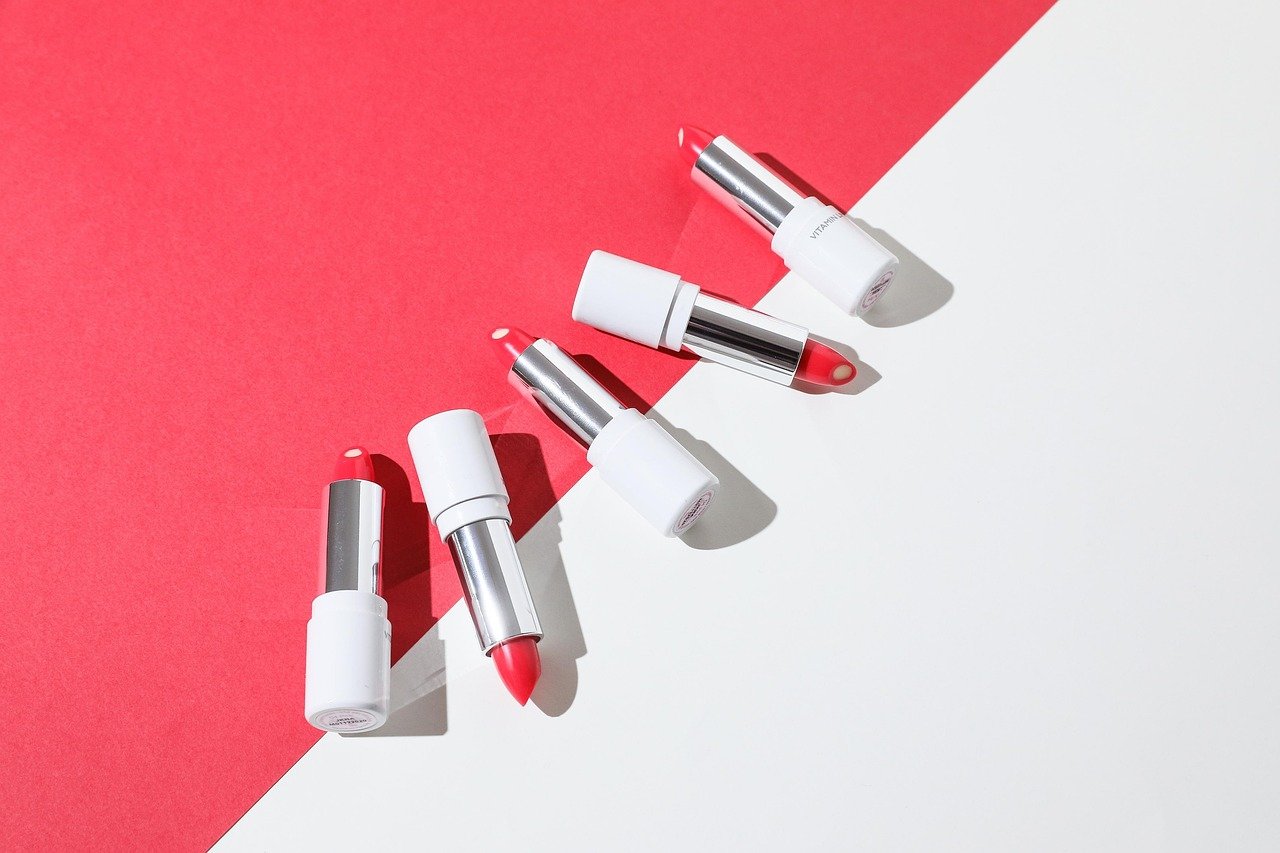
Not all luxury lip products are built the same way, and the ingredient stories explain most of the price gap. Here is how the main categories break down for 2027.
| Category | What it does | Best for | Watch out for |
|---|---|---|---|
| Tinted balm | Sheer wash of color plus hydration | Daily wear, dry lips, minimal makeup days | Fades fast; needs reapplication after meals |
| Satin lipstick | Balanced color and comfort with a soft sheen | Office, daytime events, mature lips | Can bleed without a liner on very fine lines |
| Matte lipstick | High pigment, felted finish | Evening, photography, graphic looks | Drying if the formula lacks oils or waxes |
| Liquid lipstick | Intense color, vinyl or transfer-proof finish | Long events, bold statements | Can feel tight; prep with balm first |
| Overnight lip treatment | Repair and plumping while you sleep | Anyone with chronically dry or flaky lips | Results build over weeks, not one night |
The technical story behind these categories has gotten genuinely interesting. One analysis of Chanel’s 2027 lip formulas points to ultra-fine pigment technology that delivers high color in a single pass while sitting weightlessly on the lips, a second-skin texture rather than a coating. The same analysis highlights a blend of camellia oil and a hyaluronic acid complex designed to hold moisture inside the lips for eight hours or more, even under a matte finish. That combination, pigment engineering plus serious humectants, is the real luxury marker in 2027. Color is table stakes. What you pay for is how the color behaves on living tissue over a full day.
Hermès frames it in similarly tactile terms, offering a matte red with assertive, felted character alongside satin pink finishes for a discreet, luminous glow, plus a balm for absolute care. Dior’s lineup follows the same logic, grouping lipsticks by satin, shine, and velvet finishes while weaving floral lip care into the formulas themselves.
The Runway Looks You Can Actually Copy
Runway beauty often reads as costume. The 2027 lip looks are unusually wearable, which is part of why they spread so fast.
The blurred stain
For the Louis Vuitton Cruise 2027 show, Pat McGrath paired softly contoured eyes with a blurred, stained lip in nude, berry, and red tones, a look she described through the lens of Parisian refinement meeting the downtown cool of 1970s New York. The technique is the takeaway: apply color to the center of the lip, press it outward with a fingertip, and leave the edges soft. It reads expensive because it looks lived-in.
The bare balm glow
The Spring/Summer 2027 Vuitton look used clear baume to amplify the lips’ natural shine, with a soft rose tone doubling as blush. This is the easiest luxury look to reproduce at home, and the hardest to fake with a heavy product. If your lips are flaky, no clear gloss will hide it. Prep is the whole game.
The red with bright eyes
Chanel’s 2027 presentation leaned on its signature red lip while adding light around the eyes, a combination that keeps a classic from feeling retro. The formula evolution is what makes it modern: a matte-looking red that still holds moisture.
How to Build the Edit: A Practical Order of Operations
Most people apply lip products in the wrong order and then blame the formula. Here is the sequence that consistently works, whether you are using a 30-dollar balm or a 300-dollar collector’s case.
- Exfoliate gently, twice a week. A soft damp cloth or a fine sugar scrub. Never pick at flakes; you will break the lip barrier and make texture worse.
- Apply treatment at night, not before makeup. Overnight masks with peptides and plant butters need hours to work. A thick layer before bed beats a thin layer five minutes before lipstick.
- Blot, then prime. In the morning, press off excess balm with a tissue. A thin residue helps color glide; a wet layer makes it slide off.
- Line only where you need it. Fine lines at the edges benefit from a liner. Full lips often need none.
- Build color in thin layers. Two light passes outperform one heavy one for longevity and comfort.
- Reapply balm, not color, through the day. Tinted balm over faded lipstick revives the look without caking.
The most common mistake is skipping step three. People apply a rich balm and go straight in with a matte lipstick, then wonder why the color patches within an hour. The oil in the balm breaks the pigment’s grip. Blotting solves it in five seconds.
A second frequent error: buying a bold shade in a formula your lips cannot tolerate. If your lips are prone to dryness, a velvet or satin finish will almost always outperform a true matte, and the color difference in photographs is smaller than most people expect.
The Collector’s Angle: Cases, Refills, and Value
Luxury lip products in 2027 are increasingly sold as objects. Hermès designs each tube with geometric precision, positioning the case itself as part of the promise of elegance. Chanel’s overnight lip treatment arrives with a leather pouch lined in gold tweed, an accessory as much as a skincare step. Dior offers limited-edition cases with a four-leaf clover motif designed to mix and match with any shade in the range.
Is that worth paying for? It depends on how you use the product. If a beautiful case means you keep the product in your bag and actually reapply, the value is real. If it lives in a drawer, you paid for packaging. Refillable systems are the smarter long-term play, and several houses now design their lip lines around them. For a broader look at how luxury categories are being rethought around craft and longevity, the same design thinking shows up in other industries, from the 8 new superyacht concepts redefining luxury in 2027 to the way beauty brands now treat refills as a signature rather than an afterthought.
Shades and Skin Tones: What the 2027 Palettes Get Right
The 2027 palettes are noticeably broader than their predecessors. Dior’s Addict range spans 35 shades, running from muted rosy beige to clear, vivid red, built with jasmine wax and plum oil so the color glides smoothly and leaves a glossy finish. Guerlain’s bee-inspired balm collection leans on hyaluronic acid and shea butter across seven pink, coral, and red tones, with a texture that tints the lips clearly and translucently rather than opaquely.
That translucency is the quiet trend. Sheer, buildable color flatters more skin tones than a flat opaque shade because it lets your natural lip color participate. If you have ever bought a red that looked wrong on you, the fix is often not a different red but a sheerer version of the same red.
For readers who want to see how specific shades translate into complete looks, breakdowns like this smoky eye and bold lip guide inspired by Aubrey Plaza show how lip texture changes the entire face, and a red lip and bare-face approach in the style of Emma Stone demonstrates why a well-prepped lip can carry a minimal makeup day on its own.
Care Ingredients That Earn Their Place
Strip away the marketing and a handful of ingredients do most of the work in luxury lip care.
Shea butter and plant oils like plum and camellia seal moisture and restore suppleness. Hyaluronic acid pulls water into the lip surface, which is why it shows up in both balms and color products. Peptides support the lip’s structure over time. Jasmine wax and similar floral waxes give color products their smooth glide without a heavy feel.
What does not earn its place: plumping agents that tingle aggressively. Mild stimulation can temporarily swell the lips, but consistent use of harsh irritants tends to leave lips more reactive, not less. If a product stings for more than a minute, it is probably not doing your barrier any favors.
The practical rule is simple. Spend on the treatment step, because that is where long-term lip condition is decided. Spend moderately on color, because formula technology at the mid-luxury level is genuinely good now. And never buy a matte you have not worn for a full afternoon.
What to Skip
A few 2027 habits are not worth adopting. Layering three lip products at once usually looks muddy rather than dimensional. Overlining beyond the natural lip line reads harsh in daylight, even when it photographs well under runway lighting. And matching your lip exactly to your blush, a look that resurfaces every few seasons, tends to flatten the face. A tonal relationship, warm with warm or cool with cool, works better than an exact match.
Conclusion
The 2027 luxury lip edit is less about a single must-have shade and more about a shift in priorities. Hermès built its category around a balm. Louis Vuitton let a clear baume carry a runway look. Chanel engineered a red that holds moisture for hours. The message from all of them is consistent: treat the lip as skin, prep it properly, and choose formulas that respect the barrier underneath the pigment.
If you take one thing from this edit, make it the order of operations. Night treatment, morning blot, thin layers, balm for touch-ups. Do that with a mid-priced satin and it will outperform a badly applied luxury matte every time. The investment is worth making, but only after the habit is in place.
FAQ
What is the difference between a lip balm and a lip treatment?
A balm is a surface layer that seals in moisture and adds comfort, usually with waxes and oils. A treatment is formulated to change the condition of the lips over time, typically with humectants like hyaluronic acid and peptides. Night treatments are the most effective version because they sit on the lips for hours undisturbed.
Do expensive lipsticks actually perform better?
Often yes, but not always in the way people expect. The premium usually goes into pigment engineering, comfort, and how the color wears over hours rather than initial color intensity. A luxury satin that stays comfortable for six hours can genuinely outperform a cheaper matte, but only if the lips underneath are prepped.
How do I stop matte lipstick from drying out my lips?
Prep is everything. Apply a treatment the night before, blot excess balm in the morning, and build color in thin layers rather than one heavy coat. If your lips are chronically dry, choose a velvet or satin finish instead. The visual difference in most lighting is smaller than the comfort difference.
Can I use a lip balm as blush?
Yes, and the 2027 runway looks did exactly that. A soft rose or nude balm tapped lightly onto the cheeks gives a sheer, skin-like flush. Use a small amount, blend quickly with fingers, and avoid shimmery formulas, which can emphasize texture on the cheeks.
How often should I exfoliate my lips?
Twice a week is enough for most people. More frequent exfoliation can break down the lip barrier and cause more flaking, not less. Use a gentle method, a damp cloth or fine scrub, and always follow with a treatment layer.
Are refillable lip products worth it?
They can be, if you already know you love the formula. Refills lower the cost per use over time and reduce packaging waste. The catch is commitment: buying a refillable case for a shade you end up not wearing defeats the purpose. Try a sample or a single refill first.











