

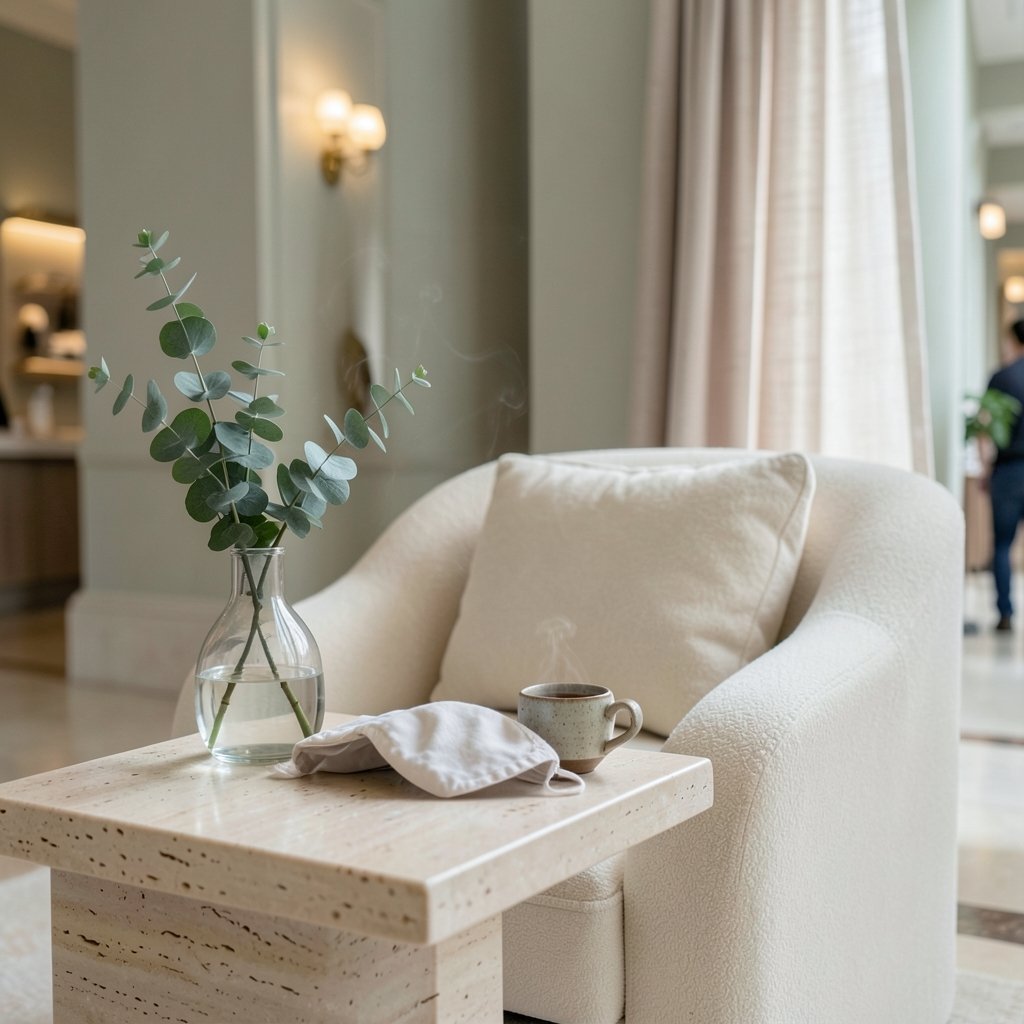
What if the most luxurious thing you could buy next year wasn’t a suite with a view, but a week where nobody could reach you? That question drives the wellness shift now reshaping high-end travel, hospitality, and even how airlines design a flight. The pitch has changed. Instead of adding more treatments, more trackers, and more scheduling, the luxury wellness trends of 2027 are largely about subtraction: fewer stimulants, less noise, better sleep, and time treated as a status symbol.
That reversal matters because the previous era of wellness didn’t always deliver. More data, more supplements, and more routines often left people more tired than when they started. What follows is a practical read on which 2027 trends hold up in real life, which are mostly marketing, and how to spend money on the ones that actually change how you feel.
Why 2027 Wellness Is About Protection, Not Optimization
The dominant theme heading into 2027 is what trend reports describe as the regulated self: the idea that overstimulation is the defining strain of the decade, and that the coming year is when people stop chasing energy and start protecting it. Wellness culture spent years handing out more to track and more to score. The correction is a deliberate step back.
This shows up in how the industry talks about its own product. One wellness retailer’s leadership described the cultural ground shifting, with run clubs becoming the new nightclubs and weekends built around saunas and ice baths. Wellness has become mainstream life rather than a niche hobby, and the global wellness market is now valued in the trillions.
The practical takeaway for anyone booking a trip or rethinking a routine: judge a wellness offering by what it removes from your day, not what it adds. A hotel that strips out noise, harsh light, and scheduling pressure is doing more for a stressed nervous system than one that stacks six treatments into an itinerary.
The Nervous System Reset: Designing the Environment, Not the Schedule

The most substantive idea in the 2027 conversation is what the travel industry calls nervous system design. The logic is simple and a little humbling: the pursuit of health has itself become a source of stress, so properties are being urged to stop adding rituals and start removing irritants. The environment should do the work.
In practice, that means natural light, soft acoustics, clean air and water, and materials that don’t agitate. It is a design brief, not a spa menu. For travelers, it offers a useful filter. When you evaluate a wellness hotel, ask what the room itself does: Can you open a window? Is the lighting warm and dimmable? Is the pool area quiet, or is there music pumping at all hours?
This is where the marketing gap opens. Plenty of properties will slap “nervous system” language on a standard spa package. The ones that actually work tend to show their hand in the details, not the brochure. If a hotel can’t tell you concretely how its building supports calm, it probably hasn’t done the work.
Time as the New Luxury: The Trend With the Best Track Record
If one 2027 trend deserves the “actually works” label, it’s the reframing of time as the real luxury. The shift moves wellness out of the spa and into hotels, landscapes, mountains, forests, and cities. It is less a pause from stress and more a deliberate demand for balance, prevention, and quality time.
That sounds abstract until you try to book it. The practical version looks like slower itineraries, breathing and meditation sessions, sleep-focused programs, and retreats built around doing less. The common mistake is treating these as add-ons squeezed between activities. A sleep program you attend after a 1 a.m. dinner is theater. The trend works only when the whole stay protects the thing you came for.
A simple rule: pick one outcome per trip, whether that’s sleep, recovery, or quiet, and let the schedule serve it. If you’re planning a family trip where the adults want recovery and the kids want a pool, it’s worth checking which properties genuinely balance both. Guides to which Orlando luxury hotels actually work for families and Miami luxury hotels that actually work for families are useful because they separate real family function from marketing claims, which is exactly the filter wellness travel now demands.
Water, Heat, and Nature: The Evidence-Backed Core
Among the 2027 predictions, thermal and nature-based wellness has the strongest practical grounding. Research behind one major hotel group’s 2027 trends report, drawn from a survey of 14,744 adults across 14 countries who expect to travel in the next year, found that 61 percent of respondents are more likely to engage in water-based wellness experiences while traveling. About 20 percent would choose accommodation specifically for its sauna or steam room, and 35 percent would book for outdoor relaxation spaces.
The same body of research found that 76 percent of respondents say travel lets them recharge mentally and physically in ways they can’t at home, and nearly two-thirds actively seek experiences that calm the body and reset the nervous system.
| Trend | What the data shows | What actually works in practice |
|---|---|---|
| Hydrotherapy and thermal bathing | 61% more likely to seek water-based wellness while traveling | Book properties with real thermal circuits, not a single hot tub |
| Sauna and steam rooms | 20% would choose a hotel for these specifically | Ask about heat cycles and quiet hours, not merely presence |
| Outdoor relaxation spaces | 35% would book for outdoor spaces | Prioritize gardens, terraces, and shaded water access |
| Mental and physical recharge | 76% say travel recharges them | Protect unstructured time instead of filling the day |
These are the trends least likely to disappoint, because heat, cold water, and time outdoors deliver felt effects quickly. The mistake people make is treating them as a checklist. Four minutes in a sauna between meetings does nothing. The benefit comes from the full cycle: heat, cool, rest, repeat, unhurried.
Sleep, Diagnostics, and the Personalization Boom
Longevity remains a core pursuit, now aided by technology on land and at sea. The 2027 version is more personalized and more diagnostic. A European longevity brand is opening a 1,200-square-metre Asia outpost in Singapore built for biohackers and vitality-seekers, where jet lag relief might involve cryotherapy or a session in a hyperbaric oxygen chamber. Its leadership framed the appeal as bringing established protocols rather than starting from scratch, with diagnostics, data, and personalization at the center.
That model works for a specific kind of traveler: someone who wants measurements and is willing to pay for clinical rigor. It works poorly for anyone who finds tracking stressful, which is a large share of the market the regulated-self trend is speaking to. The honest advice is to know which camp you’re in. If wearables make you anxious, a data-heavy retreat will undermine the very thing you booked.
Sleep is the safer bet. It’s the trend with the least hype and the most consistent payoff, and it’s increasingly built into hotel design rather than sold as a separate package. Look for blackout capability, temperature control, and quiet zones as baseline requirements rather than premium extras.
Wellness at 35,000 Feet and the Micro-Community Shift
Two smaller 2027 shifts are worth watching because they change behavior rather than just marketing. The first is the flight itself becoming part of the wellness experience. Travel predictions based on research with more than 28,000 travelers across 32 countries suggest that in 2027 the holiday begins at the boarding call, with expectations around caffeine timing, skincare kits, and child-free zones turning the cabin into something closer to a hotel in the sky.
The second is the pull toward in-person micro-communities. Young consumers in particular are gravitating toward small, real-world groups, which is an opening for brands that get the format right. This is the run-club-as-nightclub idea made concrete: wellness as social infrastructure rather than solitary optimization.
Both trends share a lesson. The experiences that stick are the ones embedded in something you already do, like flying or seeing friends, rather than bolted on as an extra appointment. If you’re rebuilding a routine for 2027, start with the moments you already have.
What to Skip, and How to Spot a Trend That Doesn’t Work
Not every 2027 trend earns its price tag. The clearest warning sign is a wellness offering that adds stimulation while claiming to reduce stress: loud pool decks, packed schedules, and treatments timed so tightly they create their own anxiety. The second warning sign is vagueness. If a property can’t describe its environment in specifics, the “nervous system” language is decoration.
A third is novelty for its own sake. New devices and protocols arrive constantly, and the ones that last tend to be simple, repeatable, and pleasant enough that you’d do them without a program. The trends that actually work in 2027 share three traits: they remove friction, they’re grounded in felt experience like heat, water, sleep, and quiet, and they fit into a life you can sustain after you get home.
If your 2027 planning stretches beyond wellness into other luxury categories, the same filter applies. The most useful guidance separates durable value from hype, whether that’s effortless luxury hair trends fall actually works for beauty routines or 8 luxury yacht trends that will dominate 2027 for travel. The principle holds: buy the version that changes your day, not the version that photographs well.
How to Build a 2027 Wellness Plan That Holds Up
A practical sequence, based on what the research and the trend reports actually support:
- Pick one outcome. Sleep, recovery, or connection. One, not three.
- Audit the environment first. Light, sound, air, water, and heat matter more than any single treatment.
- Choose thermal and nature-based experiences over gadgetry. They deliver the most reliable return.
- Protect unstructured time. Don’t fill the day you paid to leave empty.
- Match the data level to your temperament. Diagnostics help some people and stress others.
- Bring one habit home. A sauna routine, a walk, a consistent bedtime. The trip is the start, not the fix.
Conclusion
The luxury wellness trends of 2027 are, refreshingly, the ones that ask less of you. Nervous system design, time treated as a luxury, thermal bathing, sleep, and small real-world communities all point the same direction: fewer inputs, better conditions, and a willingness to let rest be the point. The trends that fail will be the ones that add noise and call it improvement. The ones that work will be quiet, specific, and easy to keep. That’s a rare thing in luxury, and it’s worth planning around.
Frequently Asked Questions
What is the biggest luxury wellness trend for 2027?
The strongest theme is the regulated self: protecting energy rather than chasing it. In practice that means less stimulation, better sleep, quieter environments, and time treated as the real luxury. It’s a shift away from tracking and optimizing toward removing what drains people.
What is nervous system design in wellness travel?
It’s an approach where the environment itself does the calming work. Instead of adding treatments, hotels focus on natural light, soft acoustics, clean air and water, and materials that don’t agitate. The idea is that the pursuit of health has become stressful, so properties should remove irritants rather than add rituals.
Do thermal baths and saunas actually help, or is it hype?
They’re among the most reliable options in the 2027 lineup because the effects are felt quickly. Survey research found 61 percent of travelers are more likely to seek water-based wellness experiences, 20 percent would choose a hotel for its sauna or steam room, and 35 percent would book for outdoor relaxation spaces. The benefit comes from the full heat, cool, and rest cycle, not a rushed visit.
Is biohacking worth it for a wellness trip?
It depends on your temperament. Diagnostic-heavy programs with cryotherapy, hyperbaric oxygen chambers, and personalized data suit people who find measurements motivating. For anyone who finds tracking stressful, a sleep-focused or nature-based stay will likely deliver more. The mistake is booking a data-heavy retreat when what you actually need is quiet.
How do I tell a real wellness hotel from a marketing one?
Ask specific questions. Can you open a window? Is the lighting dimmable and warm? Are there quiet hours and genuine outdoor spaces? Does the property describe its environment concretely, or only in buzzwords? Hotels that have done the work can explain exactly how the building supports calm.
What’s the simplest way to start a 2027 wellness routine?
Pick one outcome and one habit, then protect both. Choose thermal or nature-based experiences over gadgets, keep unstructured time in your schedule, and bring a single practice home, such as a consistent bedtime or a regular sauna visit. Trends that work are the ones you’d keep doing without a program.











