

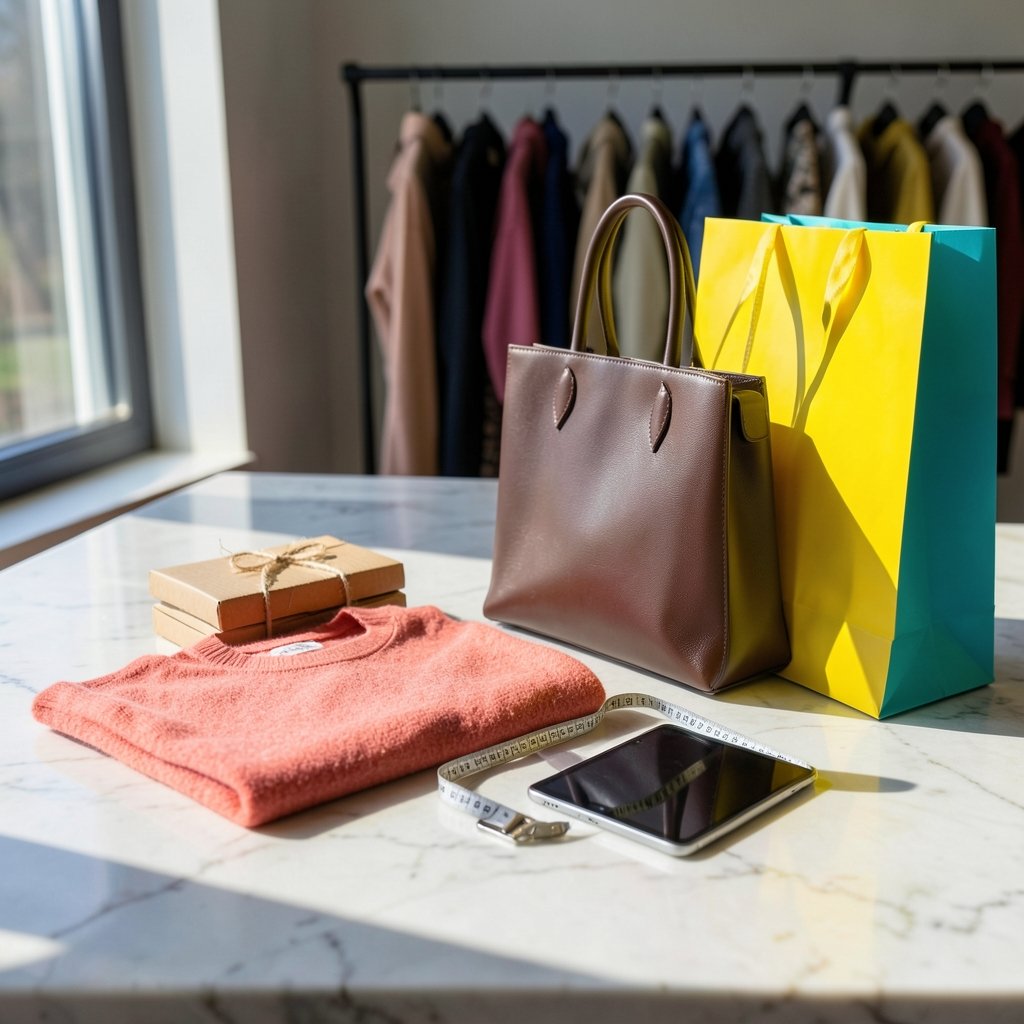
Quick Answer: Why Personal Shopping Services Are Worth It in 2027?
Personal shopping services are worth it in 2027 because they replace declining in-store service with expertise, access, and time savings that often outweigh the fee. You can use them through independent shoppers, luxury department store programs, or digital styling platforms that charge either a session fee or a commission on what you buy. (Which savannah ga five star hotels actually worth price)
The models differ sharply. Traditional luxury shoppers work in person, manage fittings and tailoring, and handle discreet purchases, while digital platforms may charge no service fee and earn from partner brand commissions instead. Independent shoppers typically take a commission starting at 10% of client spend, so the structure matters as much as the person.
Before committing, compare the fee structure, the shopper’s brand access and network, turnaround times, authenticity and sourcing guarantees, return and exchange terms, and how your personal data is handled.
Can you really save money by paying someone else to shop for you? That sounds like a contradiction, and yet it is exactly what a growing number of shoppers report. The pitch behind personal shopping services has shifted. It is no longer only about champagne in a private fitting room. It is about time, access, and avoiding expensive mistakes. In 2027, with store floors thinner on staff and online choice more overwhelming than ever, the question is less whether these services cost money and more whether they earn it back.
What Personal Shopping Actually Means Now

The phrase covers more ground than it used to. A personal shopper might be a self-employed operator who builds a long-term relationship with a handful of wealthy clients, or a stylist attached to a department store, or a digital platform that pairs you with an assistant through an app.
The market has split into two clear models. Traditional luxury personal shoppers offer a concierge-level experience: they accompany clients in person, manage fittings, coordinate with tailors, and handle private transactions for high-profile buyers. Some even buy on a client’s behalf internationally, managing customs, authenticity checks, and parcel consolidation for pieces that cannot be shipped directly. Digital platforms run on a different engine entirely. Some operate at a 0% service fee, with stylist expertise funded through commissions from partner brands, so the client pays only the retail price.
That distinction matters because it changes who is really paying whom, and what kind of advice you are likely to get.
The Service Gap That Made Shoppers Valuable
Here is the uncomfortable truth about modern retail: the experience has been optimized for speed and efficiency, often at the cost of the human expertise that once defined luxury shopping. The best stores were once places where a trusted staff member knew what suited you, remembered your last purchase, and could explain the provenance of a fabric without rushing you. That kind of service has become rare.
Declining in-store service now has a measurable cost. Clients disappointed by brands pay a third party, often 10% or more of their spend, to restore the standard they expect. Independent personal shoppers have become a fixture of luxury consumption, serving clients in the UAE, Singapore, and the US around the clock.
The pandemic accelerated the shift. When stores closed, the relationship moved online and onto messaging apps, and it never fully moved back. London-based Amber Gordon, formerly of Selfridges, now works with more than 150 clients, handling last-minute international gifts, event attendance, beauty bookings, rare vintage pieces, and holiday wardrobes, with purchases starting at £10,000. Her clients, she told the press, are often people who do not plan well: “they might contact me on a Friday night and say, ‘I have a birthday gift to give in two days in Dubai, what can I give?'”
That is the job in a sentence. Not shopping, but solving.
The Money Math: Does the Fee Pay for Itself?
The honest answer is that it depends on how you shop now. The strongest case for paying a shopper is not that you spend less per item. It is that you stop buying the wrong things.
A Perth businesswoman named Michelle Rule described a wardrobe full of clothes and nothing she wanted to wear, built from cheap pieces that never quite worked. After hiring a stylist, she reported that picking an outfit now takes five minutes. The savings came from fewer wasted purchases, not from discounts.
The math works roughly like this:
| Cost or saving | What it looks like |
|---|---|
| Session fee | UK luxury sessions start around £1,200, covering wardrobe gap analysis, vision boards, and guided appointments |
| Commission model | Independent shoppers typically earn from 10% of client spend |
| Zero-fee digital platforms | Stylist paid by partner brand commissions; you pay retail price |
| Wasted spend avoided | Fewer duplicate, ill-fitting, or never-worn purchases |
| Time recovered | Hours of searching, returns, and decision fatigue removed |
For high spenders, the commission model is the expensive one. A 10% cut on a £10,000 purchase is £1,000, which is real money even at that level. For mid-range shoppers, a fixed session fee is usually easier to justify, because it is capped and predictable.
The trap most people fall into is comparing the fee to a discount they imagine they would otherwise get. That is the wrong comparison. Compare it to what you spent last year on things you regret. If that number is uncomfortable, a shopper is probably cheaper.
Access You Cannot Get on Your Own
Some of the value is not financial at all. It is access.
When a client needs a specific bag in a specific city within 48 hours, the shopper does not browse a website. They message contacts. Gordon describes calling whoever she knows in Dubai and asking for a list of bags matching the description. That is a network, and networks take years to build.
The same applies to rare vintage pieces, last-minute event dressing, and beauty appointments in unfamiliar cities. A good shopper knows which sales associate will hold a piece, which tailor can turn around an alteration overnight, and which boutique has stock that never appears online. If you have ever wondered who actually shapes the products you end up wanting, the answer often sits with the studios and buyers behind the scenes, much like the people profiled in this look at who really leads yacht design in 2027.
The same principle applies in service industries generally: the quality of the operator matters more than the category. That is why it pays to judge yacht crew services rated in 2027 before assuming a premium label guarantees a premium result. Personal shopping rewards the same skepticism.
What Good Preparation Looks Like
Most disappointing shopping experiences trace back to a vague brief. The client says “I need a wardrobe refresh” and the shopper guesses. The fix is unglamorous and takes twenty minutes.
Practical steps that actually work:
- Photograph the contents of your wardrobe, including the pieces you never wear. The gaps become obvious fast.
- Write down three real occasions in the next three months, with dates. Weddings, interviews, holidays. Specific beats aspirational.
- Set a total budget and a per-item ceiling separately. Shoppers can work with either, but not with a number you invent later.
- List the brands you already trust and the sizes that fit, including shoe width and sleeve length.
- Say what you hate. A shopper who knows you will not wear prints saves everyone a wasted appointment.
A short questionnaire of three to five questions about occasion, style, and budget gives a professional everything needed to prepare. The best operators review your profile, pull product in advance, and stage the fitting room before you arrive. If a shopper asks you nothing before the appointment, that is a warning sign.
The Mistakes That Undermine the Investment
The first mistake is hiring for taste rather than fit. A shopper whose personal style you admire may dress a completely different body, budget, and life. Look for someone whose existing clients resemble you.
The second is treating the shopper as a personal assistant. The role is judgment and access, not errands. Clients who send forty messages a day burn through goodwill fast.
The third is ignoring the business model. If your shopper earns commission from brands, ask directly which brands and whether they are paid more for some than others. A 0% fee platform funded by partner commissions is not a scam, but you should know where the incentive sits. Transparency is the whole game.
The fourth is skipping the follow-up. A thank-you message and honest feedback about what worked keeps the relationship sharp for next season. Silence teaches a shopper nothing.
And the fifth, increasingly relevant, is assuming an algorithm can do the job. AI shopping agents are improving quickly, but shoppers remain contradictory about them. In a 2026 loyalty index, 60% of consumers wanted shared control with AI and just 4% wanted a fully autonomous experience, while half would rather a brand “just gets it right” without needing to engage. People want the magic without surrendering the wheel. A human shopper sits precisely in that gap.
Where the Money Goes Wrong: Hidden Costs
Beyond the headline fee, a few costs catch people out.
Shipping, duties, and customs on international sourcing are rarely included in a quoted session price. Alterations are usually separate, though a good shopper coordinates them. Returns on commission-based purchases can be awkward, because the shopper’s cut may already have been earned. Ask about all three before you start.
There is also a subtler cost: dependency. A shopper who becomes your only route to good decisions is a liability, not an asset. The goal is to learn the pattern, so that next time you can do eighty percent of it yourself.
When It Is Not Worth It
Balance matters here. Personal shopping is a poor fit if you genuinely enjoy browsing, if your budget is tight enough that any fee hurts, or if you need one specific item that is widely available. In those cases, a single styling consultation or a free retailer appointment will do the same job.
It is also weak value if you cannot articulate what you want and are hoping the shopper will supply a personality. They can supply outfits. They cannot supply direction.
How to Choose Without Wasting a Season
Ask three questions before booking. Who are your clients like me? How are you paid? What happens if I hate everything?
The answers tell you almost everything. A shopper with a clear client base, a transparent fee structure, and a stated returns policy is a professional. One who dodges any of the three is selling vibes.
It also helps to think about adjacent categories where the same logic applies. The same way a careful buyer reads reviews before trusting a product, as in this roundup of the best dash cams: 7 picks worth mounting your windshield, a careful client checks a shopper’s track record before handing over a budget. Standards travel across categories.
Conclusion
Personal shopping is worth it in 2027 for a specific kind of buyer: someone whose time is scarce, whose spending is already significant, and whose wardrobe contains more regret than use. For that person, the fee is not a luxury tax. It is a correction for a retail system that stopped staffing its floors properly and left the relationship to be rebuilt by independents.
For everyone else, the honest advice is to start small. Book one session, one occasion, one clear brief. If the result is a closet you actually wear and a morning that takes five minutes instead of thirty, the math has already answered the question.
Frequently Asked Questions
How much does a personal shopper cost in 2027?
It depends on the model. Independent luxury shoppers typically earn a commission starting at 10% of client spend, while UK-based luxury sessions start around £1,200 for wardrobe analysis, vision boards, and guided appointments. Some digital platforms charge no service fee at all and are funded through partner brand commissions, so you pay only the retail price.
Is a personal shopper only for wealthy people?
No, but the value scales with spend. High-net-worth clients use shoppers for access and speed, including rare pieces and last-minute international gifts. Mid-range shoppers often get better value from a single fixed-fee session focused on wardrobe gaps, because a commission on a modest spend is small but a session fee is capped and predictable.
Can a personal shopper really save me money?
Often, yes, but not through discounts. The savings come from avoided mistakes: fewer duplicate purchases, fewer ill-fitting items, and fewer things that hang unworn. One client described a wardrobe full of clothes and nothing to wear before hiring a stylist, and afterward picking an outfit took five minutes. Fewer bad buys usually beats any markdown.
What should I prepare before my first appointment?
Bring photos of your wardrobe, three dated occasions you are shopping for, a total budget plus a per-item ceiling, your trusted brands and exact sizes, and a clear list of what you will not wear. A professional will use that to pull product and stage the fitting room in advance. If nothing is asked of you beforehand, expect a generic session.
What is the difference between a traditional shopper and a digital styling platform?
Traditional shoppers provide a concierge experience: they accompany you, manage fittings and tailoring, and handle discreet or international purchases. Digital platforms pair you with a stylist remotely and often earn through brand commissions rather than client fees. The first buys access and judgment; the second buys convenience and curation at a lower entry cost.
How do I know if a shopper is recommending something because it suits me?
Ask how they are paid, plainly. If they earn commission from brands, ask which brands and whether the rate varies. A professional will answer without flinching. Transparency about incentives, plus a stated returns policy and a clear sense of their existing client base, is the best signal that the advice is about you rather than the sale.











