

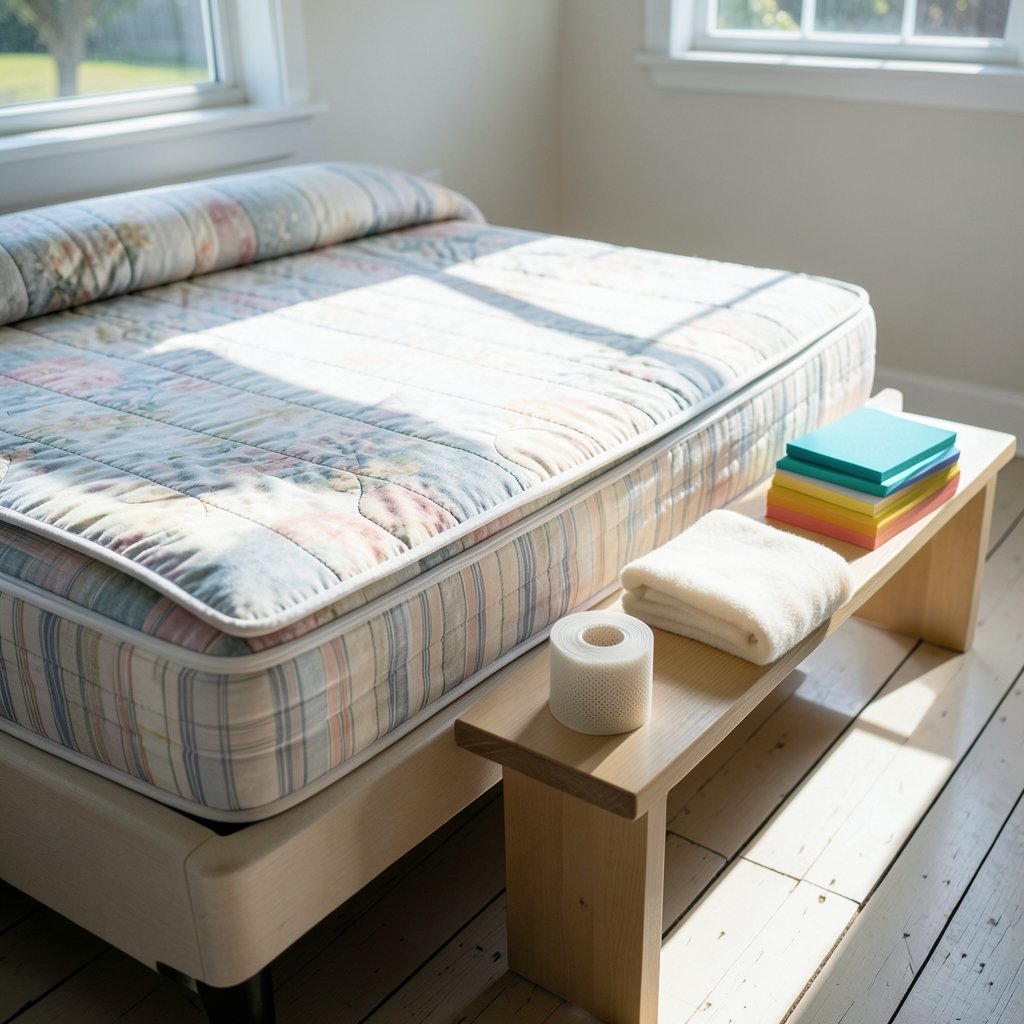
What if the secret to a better night’s sleep isn’t a new mattress at all, but a two-inch layer of foam, latex, or wool on top of the one you already own? That question drives a lot of shopping. A topper costs a fraction of a new bed, arrives in a box, and can change how a mattress feels within minutes. But the market is crowded, the labels are confusing, and “best” depends entirely on how you sleep.
This guide cuts through the noise. It explains what a topper actually does, how the main materials compare, which specs matter, and which ones are mostly marketing. It also covers the practical stuff most buyers learn too late, like return policies and fire-safety labeling.
What a Mattress Topper Actually Does
A mattress topper is typically a 2 to 4 inch layer of foam, latex, or fiber designed to change the feel or support of a mattress. That separates it from a mattress pad, which is a thin protective layer meant to shield the mattress and add slight cushioning. Retail listings blur the line constantly, so check the thickness and material before assuming which one you’re buying. (Purple brand explained mattress maker estate agent agency)
Toppers solve a few specific problems well:
- A mattress that’s too firm. A soft topper adds pressure relief without replacing the bed.
- A mattress that’s slightly too soft. A firmer topper can add support, though results are limited.
- A guest room or rental. A topper is portable and cheap to replace.
- Aging foam. A topper can buy time before a full replacement.
What a topper can’t fix: a sagging mattress with broken support, a bed that’s too small, or a sleep problem caused by noise, light, or schedule. If the mattress core has failed, a topper just adds a soft layer over a bad foundation.
The Main Materials, Compared Honestly
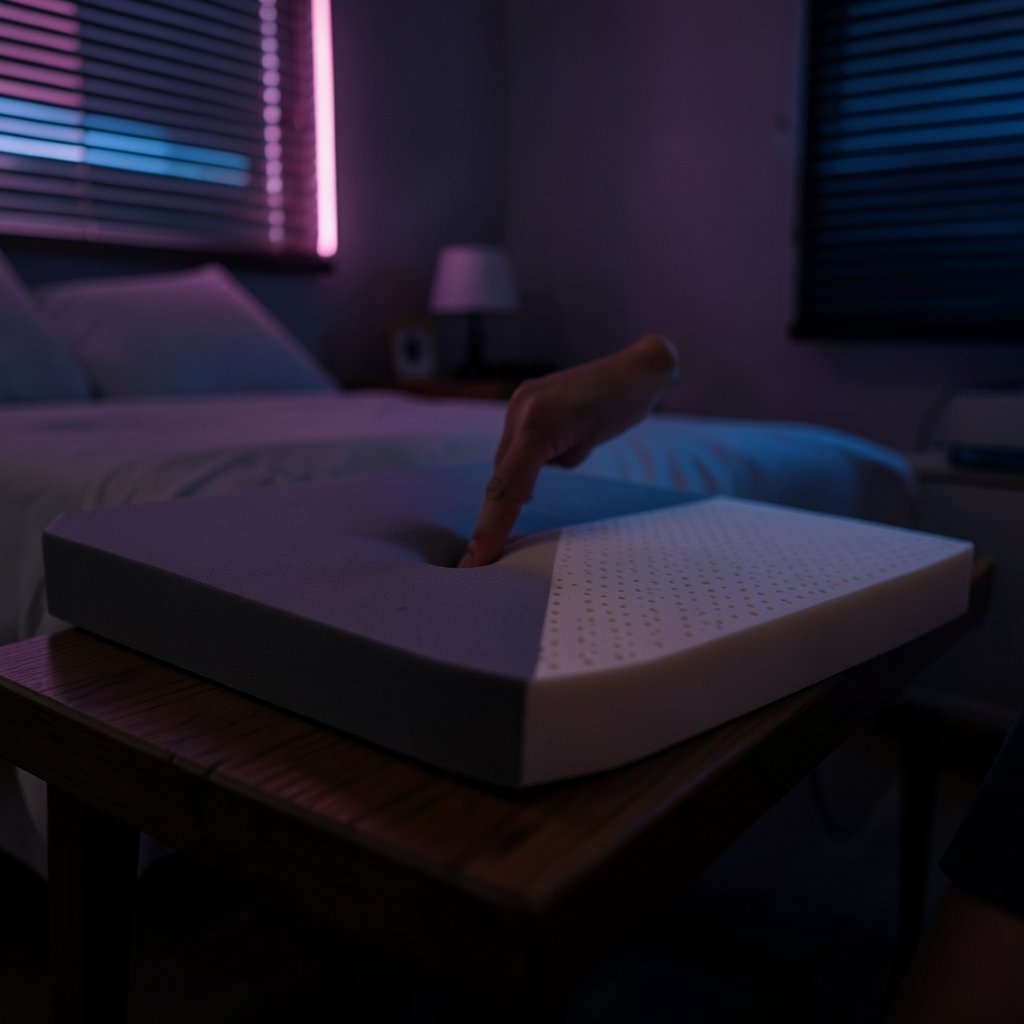
Every topper on the market falls into a handful of categories. Each has real trade-offs. Here’s how they stack up.
| Material | Feel | Support | Heat | Durability | Best For |
|---|---|---|---|---|---|
| Memory foam | Soft, contouring | Medium | Runs warm | 2–4 years typical | Side sleepers, pressure relief |
| Polyfoam | Varies | Medium | Neutral | 1–3 years | Budget buyers |
| Latex | Bouncy, responsive | Medium-firm | Cooler | 5+ years | Combination sleepers |
| Wool | Dry, springy | Soft-medium | Breathable | 3–5 years | Hot sleepers |
| Down or down-alternative | Plush | Low | Warm | 2–4 years | Comfort seekers |
| Fiberfill | Soft | Low | Varies | 1–2 years | Light cushioning |
Memory Foam: Contouring but Temperature-Sensitive
Traditional memory foam is viscoelastic, meaning it softens with body heat and slowly returns to shape. That’s why it contours so well and why it can feel warm. Gel-infused and open-cell versions are marketed as cooler, but independent evidence of large cooling effects is limited. Treat cooling claims as a bonus, not a guarantee.
Memory foam suits side sleepers who need pressure relief at the shoulders and hips. It’s a poor match for anyone who sleeps hot or changes position often, since the foam can feel “stuck” during movement.
Latex: Responsive and Long-Lasting
Latex comes in two main types. Dunlop and Talalay differ in processing and feel, and both natural and synthetic blends are sold, with labeling rules varying by country. Latex is bouncier and more responsive than memory foam, sleeps cooler, and generally lasts longer. It costs more, and some sleepers find it too springy.
Wool, Down, and Fiber: The Natural Options
Wool toppers regulate moisture and temperature well and add a dry, springy layer. Down and down-alternative toppers are plush but offer little support and compress over time. Fiberfill is the budget option: soft, light, and short-lived.
Firmness Ratings Are Not Standardized
Here’s a fact that surprises most shoppers: mattress and topper firmness is usually described on a 1 to 10 scale, but there is no universal test method. That means “medium-firm” from one brand may feel like “firm” from another. Cross-brand comparisons are approximate at best.
A practical approach is to ignore the number and read the material and thickness instead:
- Note your current mattress feel and what you want to change.
- Match the topper material to your sleep position.
- Choose thickness based on how much change you want.
- Check the return policy before ordering.
As a general guide, side sleepers usually want softer pressure relief, while back and stomach sleepers usually want firmer support. This is general guidance, not a tested standard, so treat it as a starting point.
Match the Topper to Your Sleep Position
Sleep position is the single biggest buying variable. A topper that’s perfect for a side sleeper can wreck a stomach sleeper’s back.
Side Sleepers
Side sleepers need cushioning at the shoulder and hip, where pressure concentrates. A 2 to 3 inch memory foam or soft latex topper is usually the sweet spot. Too thin and it does nothing; too thick and the hips sink out of alignment.
Back Sleepers
Back sleepers need a balance: enough cushioning to soften a hard mattress, enough support to keep the spine neutral. A medium-firm latex or polyfoam topper in the 2 inch range tends to work well. Very soft toppers let the hips drop.
Stomach Sleepers
Stomach sleepers need the firmest support of any group, because the lower back arches when the hips sink. A thin, firm topper or none at all is often the better call. Soft memory foam is usually the wrong choice here.
Combination Sleepers
People who shift positions need a responsive surface that doesn’t trap them. Latex is the standout here, since it rebounds quickly and doesn’t develop body-shaped divots.
Certifications: What They Cover and What They Don’t
Labels on topper packaging can be genuinely useful or mostly decorative. Knowing what each one covers prevents wasted money. (Bottle stoppers cork synthetic screw closures compared)
CertiPUR-US is a US voluntary certification for foam content and emissions. It covers low-VOC emissions and excludes certain heavy metals and ozone-depleting substances. Importantly, it covers foam, not finished-product safety.
OEKO-TEX Standard 100 tests textile articles for harmful substances. It applies to fabrics and covers, not foam cores. A topper with a certified cover may still have an uncertified core.
On flammability, the US federal open-flame standard for mattresses and mattress sets is 16 CFR Part 1633, effective in 2007. Toppers sold separately are generally not “mattress sets,” so check whether a product claims compliance if that matters to you. The same logic applies to other regulated products with strict labeling: the spec sheet tells you what’s covered, and the marketing copy often tells you something else.
Practical Buying Tips That Save Regret
A few habits separate a good topper purchase from a bad one.
Check the return policy first. Toppers are often non-returnable once unsealed for hygiene reasons. Confirm before buying, especially for foam.
Give it a week. Foam and latex need time to expand and for your body to adjust. Judging on night one is a common mistake.
Measure the mattress. Toppers that don’t match the mattress dimensions slide, bunch, or hang over the edge.
Use a mattress protector over the topper. It keeps the topper clean and extends its life.
Rotate it. Rotating a topper every few months evens out wear and prevents permanent body divots.
Don’t stack fixes. A soft topper over a sagging mattress, plus a pad on top, creates a wobbly stack that sleeps worse than any single layer.
There’s a broader lesson in how brands sell sleep products: the story often outruns the spec sheet. Read the label, not the logo.
Budget Versus Longevity
Price tracks material and density more than brand. A cheap polyfoam topper may last a year; a quality latex topper can last five or more. Divide the price by expected years of use to compare fairly.
| Price Tier | Typical Materials | Expected Lifespan |
|---|---|---|
| Budget | Polyfoam, fiberfill | 1–2 years |
| Mid-range | Memory foam, wool | 2–4 years |
| Premium | Latex, dense foam | 5+ years |
For most people, a mid-range topper in the right material beats a premium topper in the wrong one. Fit matters more than price.
When a Topper Isn’t the Answer
A topper is a patch, not a repair. Skip it if the mattress sags, has visible indentations, or is past its expected lifespan. Skip it too if the real problem is a bad pillow, an old foundation, or a room that’s too warm. And if you’re buying for a guest room used a few nights a year, a modest topper is plenty.
One more consideration: durability expectations vary by product category, and shoppers who expect too much from a cheap item often end up disappointed. Knowing what you’re actually buying prevents letdown.
How to Test a Topper Before You Commit
You can’t lie on a topper through a screen, but you can stack the odds.
- Read the material and thickness, not the firmness number.
- Check the return window and restocking fees.
- Confirm the dimensions match your mattress.
- Look for foam or textile certifications if sensitivities matter.
- Plan to give it seven to ten nights before deciding.
If a seller won’t state the material, thickness, and return terms clearly, that’s a signal. Move on.
Conclusion
The best mattress topper isn’t the most expensive or the most heavily marketed one. It’s the one that matches your sleep position, your mattress’s current feel, and your tolerance for heat and maintenance. Side sleepers usually do best with soft memory foam or latex, back sleepers with medium-firm support, and stomach sleepers with something thin and firm. Certifications tell you what’s covered and what isn’t, firmness numbers are brand-specific, and the return policy may matter more than any spec. Get those basics right, give the topper a fair trial, and a two-inch layer can deliver better sleep for a fraction of the cost of a new bed.
Frequently Asked Questions
How thick should a mattress topper be?
Most people do best with 2 to 3 inches. Thinner toppers add little cushioning, while thicker ones can let the hips or shoulders sink out of alignment. Stomach sleepers often want the thinnest option.
Is memory foam or latex better for a mattress topper?
It depends on how you sleep. Memory foam contours and relieves pressure but runs warmer. Latex is bouncier, cooler, and longer-lasting, which suits combination sleepers. Neither is universally better.
Can a mattress topper fix a sagging mattress?
No. A topper adds comfort on top of a sound mattress, but it can’t repair a failed core. If the mattress sags or has deep indentations, replacement is the better investment.
Do mattress toppers come with a trial period?
Some do, but many are non-returnable once unsealed for hygiene reasons. Always confirm the return window and any restocking fees before ordering, and check the policy for the exact size you’re buying. (Matt matthews tour fans should know before booking)
What does CertiPUR-US certification mean on a topper?
It’s a voluntary US certification for foam content and emissions, covering low-VOC emissions and excluding certain heavy metals and ozone-depleting substances. It applies to the foam, not the finished product or the cover.
How often should a mattress topper be replaced?
It depends on the material. Fiberfill may last a year or two, memory foam two to four years, and quality latex five or more. Rotating the topper regularly and using a protector helps it last longer.














