


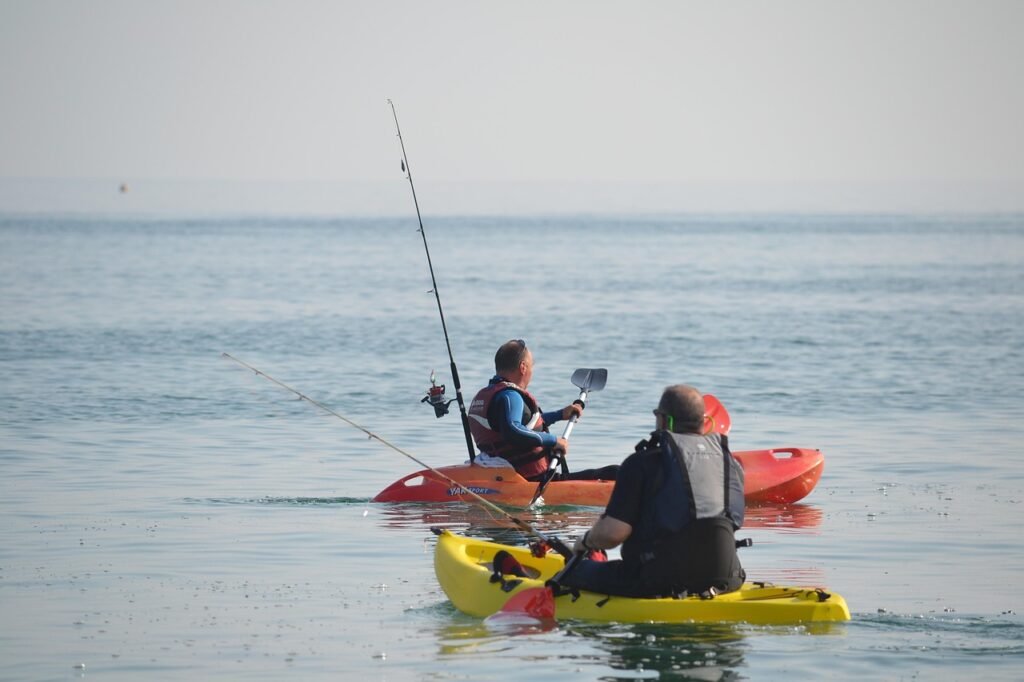
What if the difference between a frustrating day on the water and a great one has less to do with the fish and more to do with the boat under you? That is the honest truth about fishing kayaks. The “best” model is not a single boat. It is the boat that matches your water, your body, and the way you actually fish. A pond paddler and a coastal angler need completely different hulls, and buying the wrong one is an expensive lesson. (Fishing hopper grasshopper patterns catch late summer trout)
This guide walks through the design trade-offs that matter, the categories worth comparing, and the practical details that buying guides gloss over. No hype, no brand rankings pulled from thin air. Just the engineering and habits that separate a good purchase from a garage ornament.
Why there is no single best fishing kayak
Kayak design is a game of trade-offs. A longer, narrower hull tracks straighter and paddles faster, but it turns slowly. A shorter, wider hull spins on a dime and feels stable, yet it pushes water and tires you out on long crossings. Every feature you gain costs you something else.
That is why the question “what is the best fishing kayak” has no universal answer. The right boat depends on three things: where you fish, how far you travel, and how much weight you need to carry. A flatwater lake angler who casts from a standing position wants something very different from a river paddler dodging rocks or a coastal fisherman chasing tidal currents.
Stability: the two kinds that actually matter
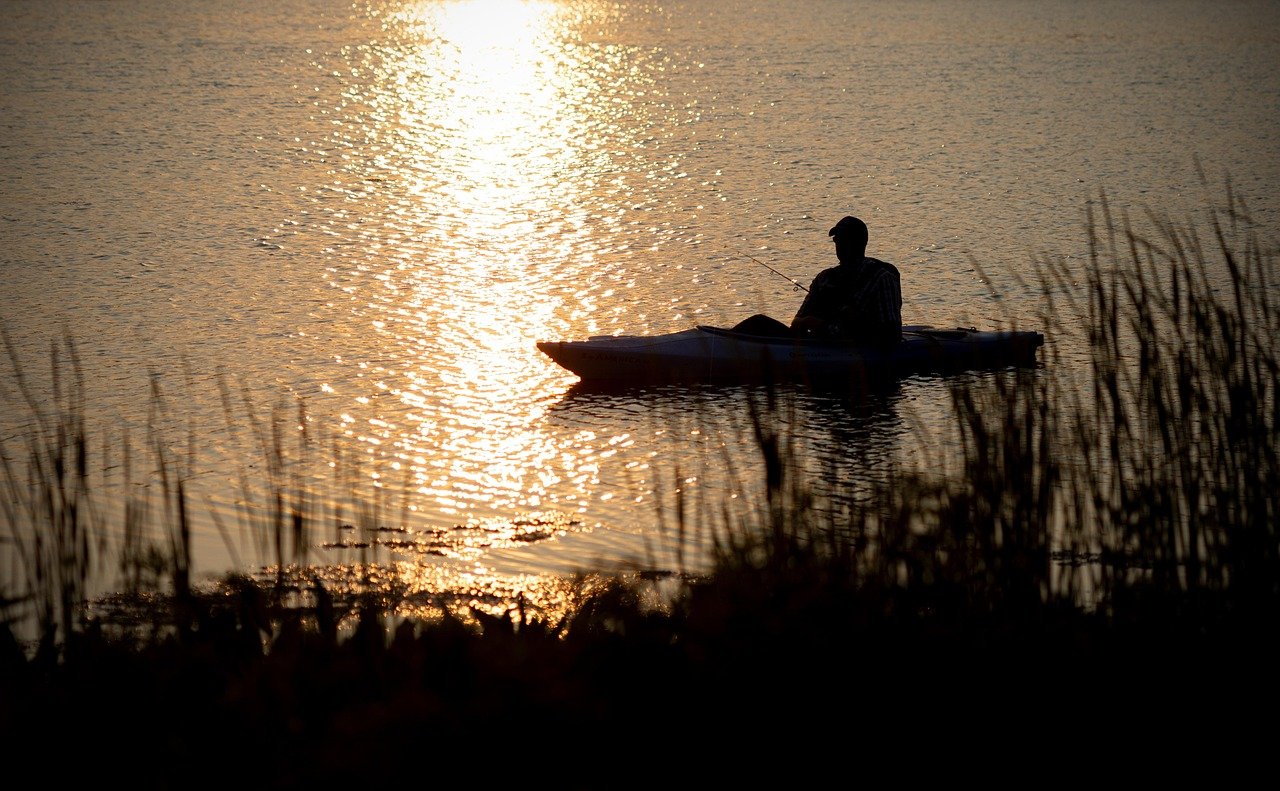
Most buyers fixate on stability without knowing it comes in two flavors.
Primary stability is the initial resistance to small tilts. A wide, flat-bottomed hull feels rock solid the moment you sit down. That is why so many fishing kayaks are barges. Secondary stability is the resistance to capsize at larger lean angles. A hull with strong secondary stability may feel tippy at rest but stiffens up as it heels over.
Fishing kayaks tend to favor primary stability because anglers stand, cast, and reach for gear. But a boat that is too wide becomes a slog to paddle. The practical sweet spot for most recreational anglers is a hull wide enough to stand in calm water but narrow enough to maintain a reasonable cruising speed. If you mostly sit and cast, you can lean narrower. If you stand to sight-fish, prioritize width and a flat, stable floor.
Sit-on-top versus sit-in: pick your hull type
Most fishing kayaks sold today are sit-on-top designs. They are self-bailing, meaning water that washes over the sides drains out through scupper holes. They are also far easier to re-enter after a capsize, which matters enormously in open water. The trade-off is exposure: you are wet and cold in spray or rain.
Sit-in hulls keep you warmer and drier, which is a real advantage in cold conditions and shoulder seasons. But a swamped sit-in kayak is harder to empty and re-enter, and most lack the deck space for rigging. For pure fishing utility, sit-on-top wins for most people. For cold-water paddling with light fishing gear, a sit-in can make sense.
| Feature | Sit-on-top | Sit-in |
|---|---|---|
| Self-bailing | Yes | No |
| Re-entry after capsize | Easy | Harder |
| Warmth and dryness | Low | High |
| Deck space for rigging | Generous | Limited |
| Best for | Most fishing | Cold weather, light tackle |
Paddle, pedal, or motor: how you will move
The biggest fork in the road is propulsion. Paddle kayaks are simpler, lighter, and cheaper. Your hands are on the paddle, though, which means you stop fishing to reposition.
Pedal-drive kayaks free your hands entirely. You pedal to hold position or troll while casting, which is a genuine game-changer in wind and current. The costs are real: pedal systems add weight, price, and mechanical maintenance. Propeller and fin drives both need cleaning, and shallow water can foul either one.
Motorized setups exist too, but they push you into registration territory in many states and add battery weight. For most anglers, the honest ranking is paddle for simplicity and budget, pedal for hands-free fishing in open water, and motor only if you have a specific need and the logistics to support it.
Weight and capacity: the numbers buyers ignore
Here is where buyers get burned. Fishing kayaks commonly carry roughly 300 to 500 pounds of total load, and pedal models often weigh 60 to 100 pounds or more bare. Add a seat, drive unit, crate, battery, and cooler, and you are wrestling a small boat onto your roof.
Two practical rules help. First, compare bare hull weight against rigged weight before you buy. Manufacturer figures often exclude the seat, drive, and accessories. Second, think hard about solo launching. A 90-pound kayak is manageable with a cart and a good roof rack. Without them, it becomes a reason to stay home.
Capacity deserves the same scrutiny. No single standard governs how fishing kayaks are rated, so compare like-for-like and assume you will use more of the margin than you think. A 350-pound capacity boat with a 220-pound paddler plus gear leaves less room than it sounds.
Matching the boat to your water
Water type should drive your shortlist more than any marketing claim.
Small lakes and ponds. Short, wide, stable hulls shine here. Easy to car-top, easy to turn, and stable enough to stand. A basic sit-on-top paddle kayak covers this water beautifully.
Large lakes and reservoirs. Wind and distance punish short hulls. Look for longer waterline length, better tracking, and consider a pedal drive to hold position while casting.
Rivers and streams. Maneuverability beats speed. Shorter hulls and a shallow draft matter, and pedal drives become a liability in skinny water.
Coastal and tidal water. This is pedal-drive country, but safety comes first. Currents, wind, and cold water raise the stakes, and a self-bailing sit-on-top with easy re-entry is close to mandatory.
If you fish multiple water types, resist the urge to buy one boat that does everything poorly. Most experienced anglers eventually own two.
Rigging and storage that earns its space
Deck space is not about looking impressive. It is about reach. Gear you cannot grab without twisting awkwardly is gear you will not use. Before buying, sit in the boat and check whether you can reach the front hatch, the rear tank well, and both rod holders without shifting your weight.
A few rigging habits that actually work in practice:
- Keep the working deck clear. Clutter catches fly lines and lures.
- Mount rod holders within arm’s reach, not behind your shoulders.
- Use a crate or box with a lid so small items do not wash out.
- Test your tackle layout on dry land before your first trip.
- Leave room to re-enter the boat from the water.
Common mistakes are predictable. Buyers over-rig on day one, then strip half of it off after a season. They also mount accessories where they interfere with the paddle stroke. Start minimal and add only what solves a problem you have actually experienced.
Safety gear that is not optional
Safety is where budget-minded buyers cut corners, and it is the wrong place to save.
In the United States, an approved, wearable personal flotation device is required for each person aboard a recreational vessel, and kayaks are generally exempt from carrying a throwable device. State rules can be stricter, so check local requirements. Wear the PFD, not merely stow it.
Cold water is the bigger hidden risk. Immersion can trigger a cold-shock gasp reflex and rapid loss of function, which is why paddling organizations advise dressing for water temperature, not air temperature. A warm spring day over 50-degree water is still dangerous. Layer appropriately, carry a whistle and light, and tell someone your float plan.
Access rules matter too. Many waterways require boat inspections or permits for kayaks to slow the spread of aquatic invasive species, and these rules change often. A five-minute check before you launch saves a ruined trip. If you are new to paddle craft generally, the same discipline applies whether you are chasing fish or learning a new sport, much like runners who ignore the small stabilizing muscles until injury forces the issue, as covered in this piece on tibialis raises and the shin exercise runners keep ignoring.
Budget tiers and what you actually get
Kayak pricing spans a huge range, and the jumps are not arbitrary. Here is the honest shape of the market.
| Tier | Typical trade-offs | Best for |
|---|---|---|
| Entry-level | Shorter hulls, basic seats, fewer mounts, heavier plastic | Ponds, small lakes, occasional use |
| Mid-range | Better seats, drier ride, more rigging points, some pedal options | Regular anglers on mixed water |
| Premium | Refined hulls, quality drives, lighter materials, strong resale | Coastal and large-lake specialists |
Entry-level boats get you on the water, and that is worth something. But the seat and hull quality gap between entry and mid-range is large, and most anglers who stick with the sport upgrade within a couple of seasons. Buying mid-range once often costs less than buying entry-level twice.
Premium boats justify their price with hull refinement and drive quality, not magic. If you fish 40 days a year in tidal water, that investment pays off. If you fish a farm pond six times a summer, it does not. (Haddock north atlantic fish behind fish chips)
Buying used without getting burned
The used market is where smart buyers find value, and where careless ones inherit someone else’s problem.
Check the hull for deep gouges, oil-canning (permanent dents), and repairs around the keel and stern. Scrutinize scupper holes for cracks. On pedal boats, test the drive mechanism under load and inspect the propeller or fins for damage. Ask why the seller is moving on, and be wary of boats with heavy aftermarket drilling.
Sit in the boat before you pay. Seat comfort varies wildly, and a bad seat ruins long days. If possible, paddle it briefly. Ten minutes on the water tells you more than an hour of inspection.
Conclusion
The best fishing kayak is not the one with the longest feature list. It is the one that matches your water, fits your body, and gets used. Start with where you fish and how far you travel. Choose sit-on-top unless cold weather pushes you toward a sit-in. Decide honestly whether you need hands-free pedaling or whether a paddle keeps things simple. Then respect the weight and capacity numbers, because they decide whether launching feels easy or like a chore.
Buy the boat that makes you want to go. Everything else is detail.
Frequently asked questions
What is the best fishing kayak for beginners?
A mid-length sit-on-top paddle kayak is the safest starting point. It is stable, self-bailing, easy to re-enter, and simple to maintain. Beginners rarely need a pedal drive right away, and starting with a paddle teaches boat control that pays off later.
Is a pedal kayak worth the extra cost?
It depends on your water. In wind, current, or large open lakes, hands-free pedaling lets you fish while holding position, which is a real advantage. On small ponds and shallow rivers, the added weight and maintenance rarely justify the price.
How much weight can a fishing kayak carry?
Most fishing kayaks are rated for roughly 300 to 500 pounds of total load, including the paddler and gear. Ratings vary by model, and no single standard governs them, so compare carefully and leave a healthy margin rather than loading to the limit.
Can you stand up in a fishing kayak?
Yes, in many wider sit-on-top models designed for it. Standing requires a flat, stable hull and calm water. Practice in shallow water near shore first, and always keep your PFD on while standing and casting.
Do you need a life jacket on a kayak?
Yes. An approved, wearable personal flotation device is required for each person aboard recreational vessels in the United States, and kayaks are generally exempt from throwable-device rules. Some states add stricter requirements, so check local law.
What should you check when buying a used fishing kayak?
Inspect the hull for deep gouges, dents, and keel repairs. Check scupper holes for cracks and test any pedal drive under load. Sit in the boat to judge seat comfort, ask about aftermarket drilling, and paddle it briefly if the seller allows.














