

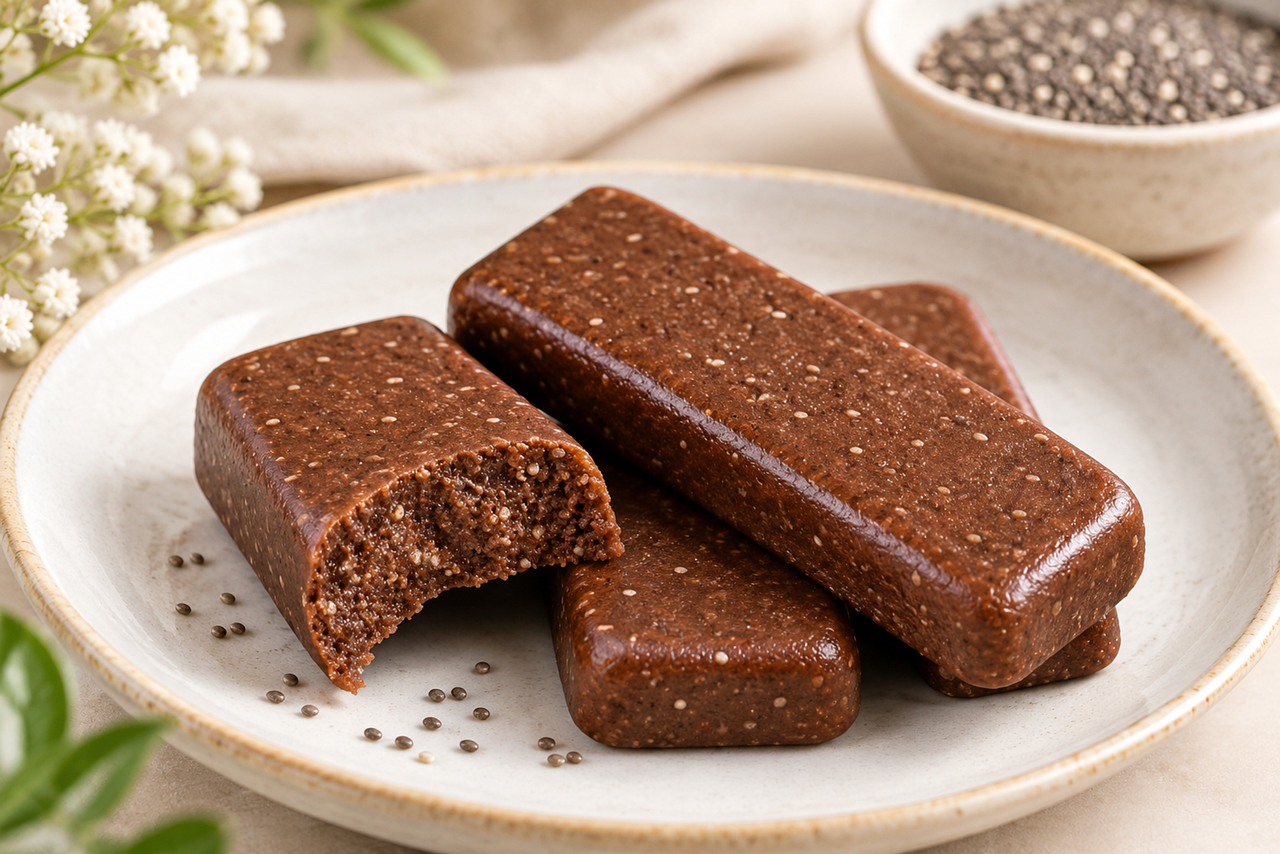

What if the “best” protein bar on the shelf is the wrong one for you? That sounds like a riddle, but it is the single most useful thing to understand before you spend money on a box. Walk down any grocery aisle and you will see bars promising 20 grams of protein, zero sugar, clean ingredients, and a taste that supposedly rivals a candy bar. Some of those claims are regulated. Some are pure marketing. And the bar that suits a bodybuilder after a workout is rarely the one that suits a hiker who wants a snack that won’t melt in a backpack.
This guide skips the fantasy ranking of a single champion bar. Instead, it breaks down what actually separates good bars from forgettable ones, how to read a label in under a minute, and which trade-offs matter for different goals.
Why there is no single best protein bar
Product formulations change constantly. A bar that topped a list two years ago may have been reformulated, shrunk, or quietly swapped its protein blend. That means any specific product recommendation has a shelf life shorter than the bar itself.
More importantly, “best” depends on what you want the bar to do. Consider three very different shoppers:
- A lifter who wants maximum protein per calorie and does not care about sugar.
- A busy parent who wants something filling between meetings that will not spike and crash their energy.
- A hiker who needs calories, durability in heat, and no melty chocolate coating.
The same bar can be excellent for one and mediocre for the others. So the honest answer to “which bar is best” is always: best for what?
The label is where the real story lives

Most bar marketing happens on the front of the package. The truth is on the back. Here is how to read it quickly and what each number actually tells you.
Protein amount and protein source
Most bars on the market land somewhere in the 10 to 25 gram protein range, with some high-protein options pushing 30 grams or more. But the number is only half the story. Where the protein comes from matters for quality.
Whey and milk protein are complete proteins with strong digestibility. Soy is also complete. Many plant-based bars blend pea, rice, or soy protein specifically to cover each other’s gaps in the amino acids the body cannot make. That blending is not a gimmick; it is basic nutrition science. If you want to understand how individual amino acids combine into usable protein, the way a codon table’s 64 triplets build every protein your body relies on is a good reminder that quality comes from the full set, not one ingredient.
A practical tip: look for a named protein source near the top of the ingredient list. “Protein blend” is fine, but you want to know what is in it. If the first ingredient is a syrup rather than a protein, the bar is a candy bar with a supplement label.
Sugar, sugar alcohols, and fiber
This is where most people get tripped up. Many bars cut sugar by adding sugar alcohols like maltitol, erythritol, or sorbitol, or by loading up on soluble fiber such as inulin or chicory root. These keep the sugar number low, but they are not free. At higher doses, sugar alcohols and isolated fibers can cause bloating, gas, and cramping, especially if you eat them on an empty stomach or eat two in a row.
A common mistake: buying a box of “zero sugar” bars, eating three on a long drive, and spending the afternoon uncomfortable. If you are new to a bar, test one before you commit to a whole box.
Also note that sugar alcohols are listed on the label but are not counted as added sugars. So a bar can say “2g sugar” and still contain a meaningful dose of sweeteners that affect your gut.
Calories and what you are actually buying
Bars range widely in calories, often from about 150 to 400 per bar. That spread matters. A 400-calorie bar is a meal replacement. A 160-calorie bar is a snack. Confusing the two is one of the most common reasons people feel like bars “don’t work” for them. (Jack harlows glow up from louisville bars hollywood screens)
| Goal | What to look for | What to watch |
|---|---|---|
| Post-workout recovery | 20g+ protein, complete source, moderate carbs | Very high fiber that slows digestion |
| Everyday snack | 10–15g protein, 200 kcal or less, some fiber | Sugar alcohols above a few grams |
| Meal replacement | 300–400 kcal, 20g+ protein, fiber and fat | Sodium and total sugar |
| Travel and hiking | Durable texture, calories, no melty coating | Chocolate coatings and perishable fillings |
| Low-sugar eating | Low added sugar, protein-forward | Heavy sugar alcohol or inulin loads |
What “high protein” legally means, and what it doesn’t
Here is a detail almost no one checks. In the United States, nutrient content claims like “good source of” and “excellent source of” are regulated, and “high protein” has specific criteria tied to those rules. But marketing language on bar wrappers often stretches well beyond what is formally regulated. Words like “natural” and “clean” have no firm legal definition for most foods, which is why they appear on nearly everything.
The takeaway is not that labels lie. It is that you should trust numbers over adjectives. Grams of protein, grams of sugar, grams of fiber, calories, and the ingredient list are concrete. “Fueled by nature” is not.
Allergens: the one label section you cannot skip
Protein bars are among the most allergen-dense products in the store. Milk, soy, peanuts, tree nuts, and sesame show up constantly, either as ingredients or in shared facilities. In the US, major allergens must be declared, and sesame was added to that list relatively recently, which caught some shoppers off guard.
If you have a food allergy, read the full “contains” statement and the “may contain” line every single time, even on a bar you have bought before. Formulations and facility lines change. This is not the place to rely on memory.
Taste, texture, and the practical stuff nobody mentions
A bar you will not eat is a bar with zero grams of protein. Palatability is a legitimate selection criterion, not a shallow one. A few field-tested observations:
- Texture degrades with heat. Chocolate-coated bars turn into a mess in a hot car or a backpack. Uncoated, denser bars survive better.
- “Soft-baked” often means sticky. Great fresh from the box, less great in a pocket.
- Flavor fatigue is real. Buying a 24-count box of one flavor before trying it is the classic rookie move. Buy singles first.
- Crunchy bars tend to have more sugar. Crisp texture usually comes from syrups and binders.
The same logic applies to gear you use while eating on the go. A playground classic like monkey bars still matters because grip and durability beat novelty, and the same is true of a snack bar: the boring, sturdy option usually outperforms the trendy one in the moment you need it.
Price per gram of protein: the metric almost nobody reports
Rankings love to talk about taste and ingredients. Almost none report cost efficiency, which is strange because it varies enormously. The math is simple:
- Take the price of the box and divide by the number of bars to get cost per bar.
- Divide that by the grams of protein per bar.
- Compare that number across products.
A bar at $2.50 with 20 grams of protein costs about 12.5 cents per gram. A bar at $1.75 with 10 grams costs 17.5 cents. The cheaper-looking bar is actually worse value. Run this once and your whole perspective on the shelf changes.
How to match a bar to your goal
Instead of chasing a universal winner, pick by use case. This is the approach that holds up even as products come and go.
For post-workout
Prioritize 20 grams or more of a complete protein, moderate carbohydrate to replenish, and moderate fiber so it digests quickly. Sugar alcohols are not helpful here. Eat it within a reasonable window after training, and treat it as food, not magic.
For a mid-afternoon snack
Aim for 10 to 15 grams of protein, roughly 200 calories, and a few grams of fiber. The protein and fiber together are what keep you full until dinner. This is the category where most people should shop.
For travel and emergencies
Calories and durability win. Look for a bar that survives temperature swings, has a long shelf life, and does not require water to eat comfortably. Keep one in your bag and rotate it so it does not expire.
For low-sugar or diabetic-friendly eating
Focus on total carbohydrate and fiber, rather than only the “sugar” on the front. And go easy on bars heavy in sugar alcohols until you know how your gut responds.
Common mistakes that waste money
- Buying in bulk before tasting. Always buy singles first.
- Assuming “zero sugar” means “better.” It often means more sugar alcohols and more digestive risk.
- Ignoring calories. A 400-calorie bar eaten as a snack adds up fast.
- Skipping the allergen line. Especially with sesame now in the major allergen group.
- Trusting the front of the package. The back tells the truth.
- Expecting a bar to replace real meals regularly. Bars are convenient, not a diet strategy.
There is also a quieter mistake: assuming a bar must be a supplement. Protein bars are conventional foods, not dietary supplements, which means they are not required to carry third-party testing marks the way some supplements are. Some do carry sport certifications, but coverage is partial. If testing matters to you, look for the mark rather than assuming it.
Where protein bars fit in a real diet
Bars are at their best as a bridge. They fill the gap between a rushed morning and a late lunch, or between a workout and a proper meal. They are at their worst when they become the meal, repeatedly, because they rarely deliver the full spread of nutrients, fiber variety, and volume that whole foods do.
The people who get the most out of bars tend to treat them as tools with a specific job, chosen deliberately, and rotated when boredom hits. That is a far more sustainable approach than crowning one bar the champion and eating it until you cannot stand the sight of it.
Conclusion
The best protein bar is not a product name. It is a match between a label and a goal. Read the back of the package, check the protein source, count the calories, scan for sugar alcohols and allergens, and run the price-per-gram math once. Do that, and you will pick better bars than any listicle can recommend, because your choice will still make sense after the next reformulation. Whether you are stocking a gym bag, a desk drawer, or a hiking pack, the label is your best friend and the front of the box is just advertising.
FAQ
What is the healthiest protein bar?
There is no single healthiest bar, because health depends on your needs. In general, a bar with a complete protein source, modest added sugar, limited sugar alcohols, and recognizable ingredients is a solid choice. Check the label rather than the front-of-package claims.
How much protein should a protein bar have?
Most bars contain 10 to 25 grams, with high-protein options reaching 30 grams or more. For a snack, 10 to 15 grams is plenty. For post-workout recovery, aim for 20 grams or more from a complete source like whey, milk, or soy.
Are protein bars bad for you?
Not inherently. They are processed foods, and some are closer to candy bars with added protein. The main concerns are added sugars, sugar alcohols that upset digestion, high calorie counts eaten as snacks, and allergens. Used as an occasional convenience food, they fit fine in most diets.
Do protein bars have side effects?
Some do, mostly digestive. Sugar alcohols like maltitol and isolated fibers like inulin can cause bloating, gas, and cramping at higher doses. If you are sensitive, start with one bar and see how you feel before buying a box.
Are plant-based protein bars as good as whey bars?
They can be. Plant bars often blend pea, rice, or soy protein to cover gaps in the amino acids the body cannot make, which improves quality. Check that the bar lists a specific blend and a protein amount comparable to whey options.
Is “high protein” on a label regulated?
Some nutrient content claims are regulated and have specific criteria, but marketing language on bars often goes beyond those rules. Words like “natural” and “clean” have no firm definition for most foods. Trust the numbers on the nutrition panel over the adjectives on the front.














