

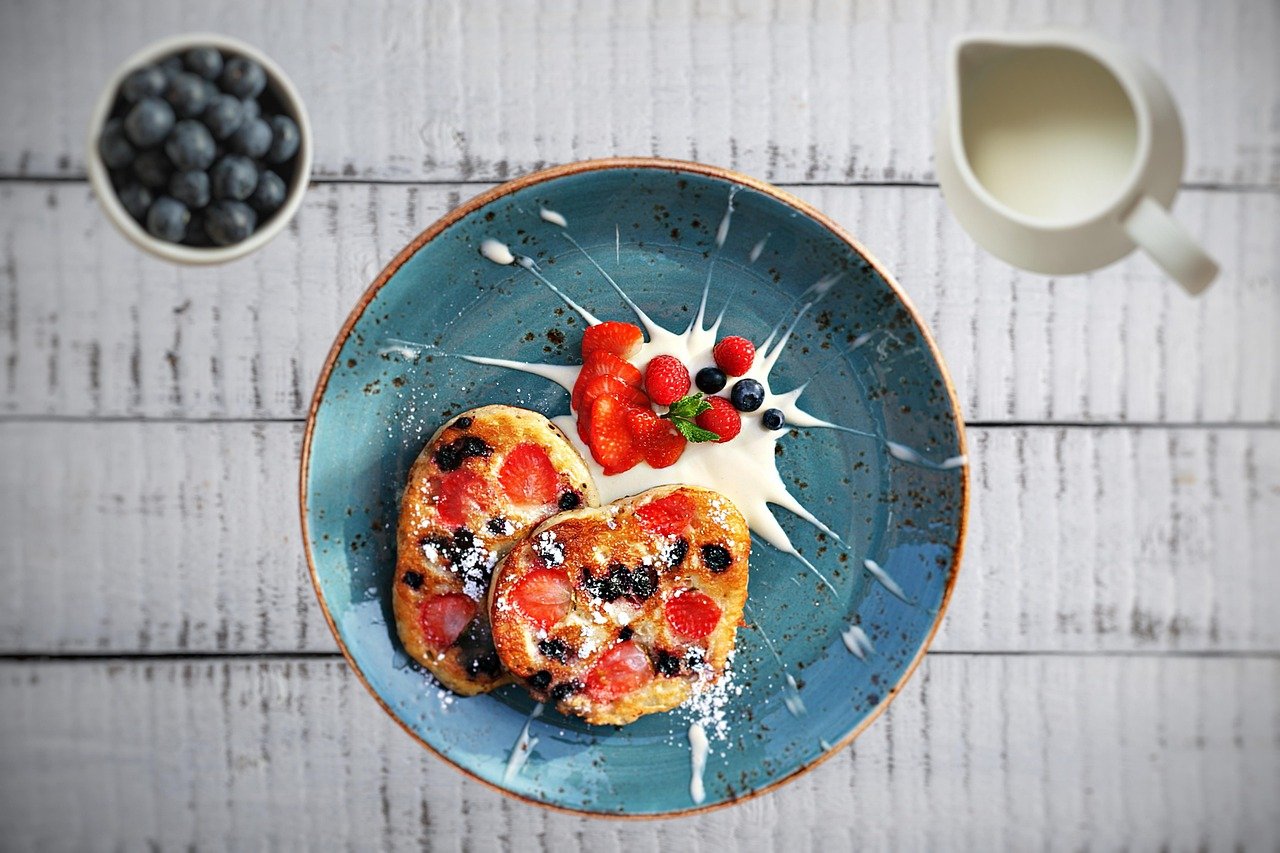

Have you typed “best dulce de leche pancakes near me” into your phone while standing in a parking lot, hungry and indecisive? That phrase points to a real problem: search engines answer it with your location, not with your taste buds. Two people in the same city can get completely different results, and neither list tells you whether the dulce de leche is made in-house or squeezed from a jar.
This guide is about closing that gap. It covers what makes a good dulce de leche pancake, how to read a menu before you drive anywhere, which red flags signal a disappointing stack, and how to search smarter so the results actually match what you want. No hype, no paid rankings, just the practical stuff that separates a great breakfast from a sugary regret.
What Dulce de Leche Actually Is, and Why It Matters for Pancakes
Dulce de leche is a sweet spread made by slowly heating sweetened milk until the sugars caramelize and the mixture browns and thickens. That slow cook is the whole point. It gives the spread a deep, toasty flavor that plain sugar syrup cannot copy.
It also goes by many names, and this is where “near me” searches get messy. In Argentina and Uruguay, it is dulce de leche. In Chile, it is manjar. In Colombia, it is arequipe. In Mexico, the closest relative is cajeta, which is traditionally made with goat’s milk and tastes noticeably different. A Colombian bakery near you might serve excellent arequipe pancakes and never use the phrase “dulce de leche” anywhere on its menu. If you only search one term, you will miss those places entirely.
The other distinction worth knowing is between dulce de leche and caramel sauce. Caramel sauce is cooked sugar, often with cream and butter added at the end. Dulce de leche starts with milk. The textures differ too: real dulce de leche is thicker, glossier, and slightly grainier in a good way, while caramel sauce pours thin and tastes sharper.
Pancake Style Changes Everything
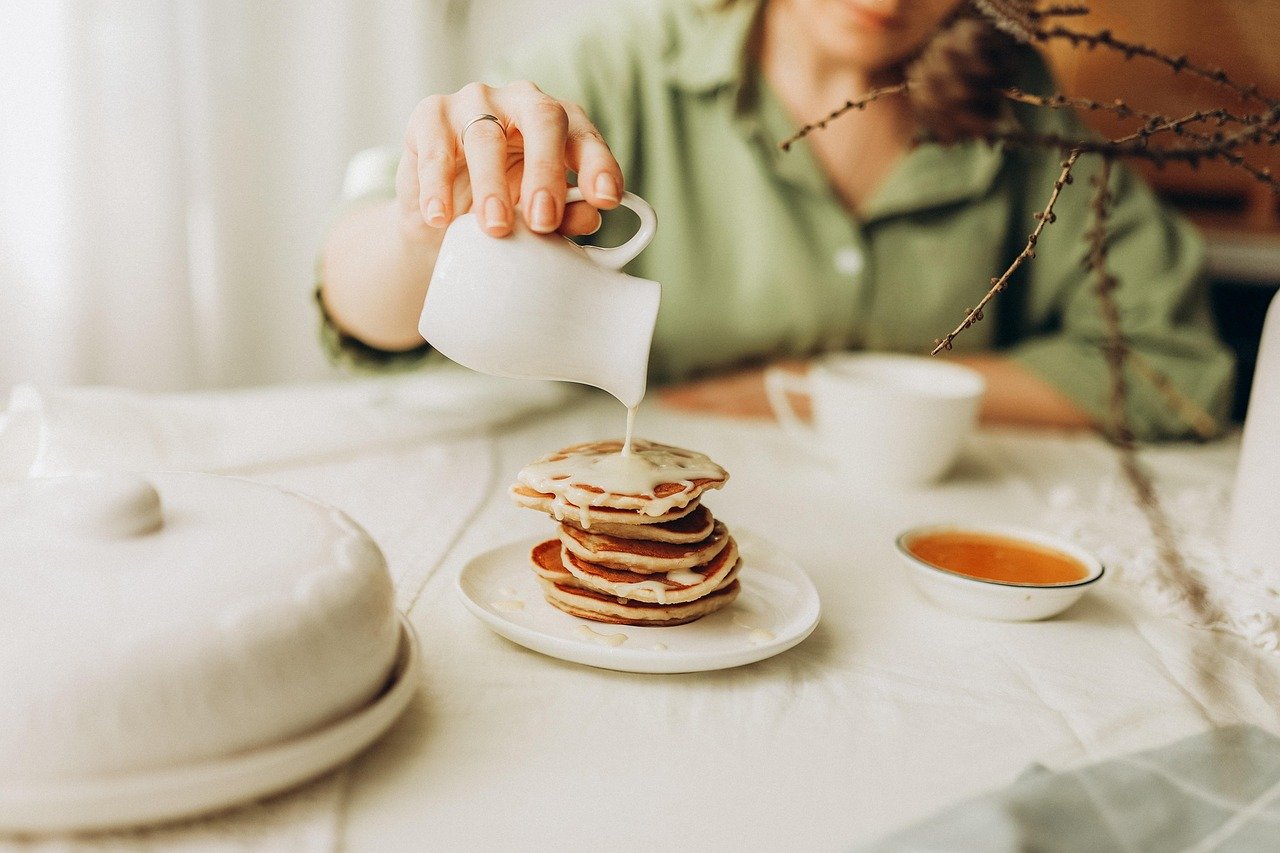
Here is something most “best of” lists ignore: the pancake itself matters as much as the topping.
In Latin American cooking, dulce de leche is most often paired with panqueques, which are thin, crêpe-style pancakes. They get rolled or layered with dulce de leche, sometimes with whipped cream, sometimes flambéed. The thin pancake lets the filling lead.
Thick American-style buttermilk pancakes are a North American adaptation. They work, but only if the kitchen balances things carefully. A tall, fluffy stack plus a heavy milk spread plus syrup is a lot of sweetness on one plate. The best versions cut it with something: salted butter, a tangy cream, fresh banana, or a lightly salted dulce de leche that keeps the sugar in check.
So before you judge a plate, ask which style you are getting. A crêpe-style roll and a three-inch buttermilk stack are different desserts wearing the same name.
| Style | Texture | Typical Serving | Sweetness Risk |
|---|---|---|---|
| Panqueques (crêpe-style) | Thin, tender | Rolled or layered with filling | Medium; filling is the star |
| Buttermilk stack | Thick, fluffy | Stacked, sauce poured over | High; easy to overdo |
| Pancake sandwich | Medium | Filling spread between two cakes | Medium to high |
| Mini pancakes | Small, dense | Piled with dipping sauce | High; easy to overeat |
How to Search “Near Me” Without Wasting a Drive
The “near me” part of your query is resolved by your device’s location, which means the results you see are built for where you are standing, not for where you are going. If you are planning a weekend trip, search from the destination, or search the neighborhood name directly.
A few habits that consistently work better than a single generic query:
- Search the specific dish plus a neighborhood instead of only the city. “Dulce de leche pancakes Palermo” beats “pancakes near me” every time.
- Search the regional name too. Try “arequipe pancakes” and “manjar pancakes” alongside the standard term.
- Check the menu page in addition to the photos. Photos go viral; menus get updated.
- Look at recent reviews and sort by newest. A rave from three years ago tells you nothing about the current kitchen.
- Call ahead for anything you are driving more than twenty minutes for. Menus rotate and items sell out.
If you are also weighing a longer errand day, it helps to have a system for the other stops too. The same logic that applies to picking a clinic for a treatment, as laid out in this guide to choosing a laser hair removal clinic, applies to restaurants: verify current details, ignore stale listings, and trust specifics over star averages. And if you are browsing by tag or category pages while you plan, a roundup of laser hair removal near me shows how much local listings can vary from one source to the next.
Reading a Menu Like Someone Who Has Been Burned Before
Menus are marketing documents. They are written to make food sound good, and that is fine, but you can read between the lines.
“House-made dulce de leche” is the phrase you want. It means someone in that kitchen cooked milk and sugar down for an hour or more. “Dulce de leche” with no qualifier is neutral. “Caramel drizzle” usually means a bottled syrup, which is a different product with a thinner body and a flatter flavor.
Watch for the supporting cast. A serious kitchen pairs the spread with something that cuts sweetness: sea salt, crème fraîche, mascarpone, sour cream, or a squeeze of citrus. A kitchen that just stacks sweet on sweet is hoping volume wins.
Also check whether the pancakes are the point or an afterthought. If a restaurant’s menu has forty items and pancakes appear in a small corner, the griddle may not be well seasoned or well timed. Places that specialize in breakfast usually do breakfast better.
One more practical note: allergens. Dulce de leche contains milk, and pancakes typically contain wheat and often egg. Anyone managing a dairy, gluten, or egg allergy should ask directly rather than rely on menu shorthand, since cross-contact on a shared griddle is common in busy breakfast spots.
Red Flags and Green Flags in Practice
After enough disappointing stacks, patterns emerge. Here is what actually predicts a good plate.
Green flags:
- The dulce de leche is described as house-made or slow-cooked.
- The menu names a specific style (panqueques, buttermilk, soufflé).
- Reviews mention texture rather than only “so sweet and good.”
- The kitchen offers a salted or less-sweet version.
- The place is busy at breakfast and at brunch o’clock.
Red flags:
- The photo shows a thin, translucent drizzle that looks like bottled caramel.
- Every dish on the menu is described as “loaded” or “extreme.”
- The spread is listed as an add-on to a generic pancake plate.
- Recent reviews mention dry pancakes or a cold center.
- No ingredient details anywhere, and staff cannot answer basic questions.
The single most common mistake people make is ordering the biggest stack. Dulce de leche is dense and sweet; a short stack with a generous spread almost always eats better than a tower with a thin smear. The second most common mistake is skipping the salt. A pinch of flaky salt on top transforms the whole plate, and many good kitchens already do it.
If you are mapping out a food day with multiple stops, the planning discipline is similar to finding a reliable spot for other cravings. The approach in this guide to finding a good Chinese restaurant fast is a useful template: narrow by dish, check recency, and confirm before you commit.
Making the Call: When to Go, When to Skip
Timing matters more than most people expect. Dulce de leche pancakes are best in the first half of the day, when the griddle is hot and the kitchen is in rhythm. Late afternoon orders often come from a cook who has been standing at that station for eight hours.
Weekday mornings are the sweet spot. You get the same recipe with less pressure on the line, and the person plating your food has time to warm the spread properly. A cold dollop of dulce de leche on a hot pancake is one of the small tragedies of brunch.
If you are ordering delivery, temper your expectations. Pancakes steam in a container, and the spread slides. Some dishes travel well; this is not one of them. Eat it where it is made.
A Quick Word on the Sweetness
Dulce de leche is high in added sugar, and dietary guidance generally recommends limiting added sugars across the day. That does not mean skipping dessert for breakfast, but it does mean treating a full stack as a treat rather than a daily habit. Pair it with protein and fruit, drink water instead of a sugary drink, and enjoy it properly instead of absentmindedly. A smaller portion eaten with attention beats a huge one eaten fast.
Conclusion
Finding the best dulce de leche pancakes near you depends less on luck than on knowing what to look for. Search by neighborhood and by regional name instead of relying on the generic phrase. Read menus for the words “house-made” and for the supporting ingredients that balance sweetness. Ask about style, because a thin panqueque and a thick buttermilk stack are different experiences. Check recency in reviews, call ahead if you are traveling, and go early when the griddle is hot.
And when you find the place that cooks its milk down slow, salts the top, and serves a short stack instead of a tower, remember it. That is the one worth the drive.
Frequently Asked Questions
What is the difference between dulce de leche and caramel sauce?
Dulce de leche is made by slowly heating sweetened milk until it browns and thickens, which gives it a deep, toasty, milk-based flavor. Caramel sauce is cooked sugar, usually finished with cream and butter. Dulce de leche is thicker and glossier; caramel sauce is thinner and tastes sharper.
Why do my “near me” search results differ from someone else’s?
Search engines resolve “near me” using the searcher’s device location, so results are tied to where you are physically standing. Two people in different neighborhoods, or one person planning a trip from home, will see different lists. Searching a specific neighborhood name gives more consistent results.
Is dulce de leche the same as arequipe or manjar?
They are close relatives with different names by region. Argentina and Uruguay call it dulce de leche, Chile calls it manjar, and Colombia calls it arequipe. Mexico’s cajeta is traditionally made with goat’s milk, which gives it a distinct flavor. Searching all the names can surface places you would otherwise miss.
Are dulce de leche pancakes safe for people with allergies?
Not automatically. Dulce de leche contains milk, and pancakes typically contain wheat and often egg. Shared griddles also create cross-contact risk. Anyone with a dairy, gluten, or egg allergy should ask staff directly about ingredients and preparation rather than relying on menu descriptions.
What should I look for on a menu to know the dulce de leche is good?
Look for “house-made” or “slow-cooked” language, a named pancake style, and supporting ingredients that cut sweetness, such as sea salt, mascarpone, or crème fraîche. Be cautious when the topping is described only as a caramel drizzle, which often signals a bottled product.
When is the best time to order dulce de leche pancakes?
Weekday mornings tend to be best. The griddle is hot, the kitchen is in rhythm, and there is less pressure on the line, so the spread gets warmed properly. Late-afternoon orders and delivery are riskier, since pancakes steam in containers and the topping slides.














