

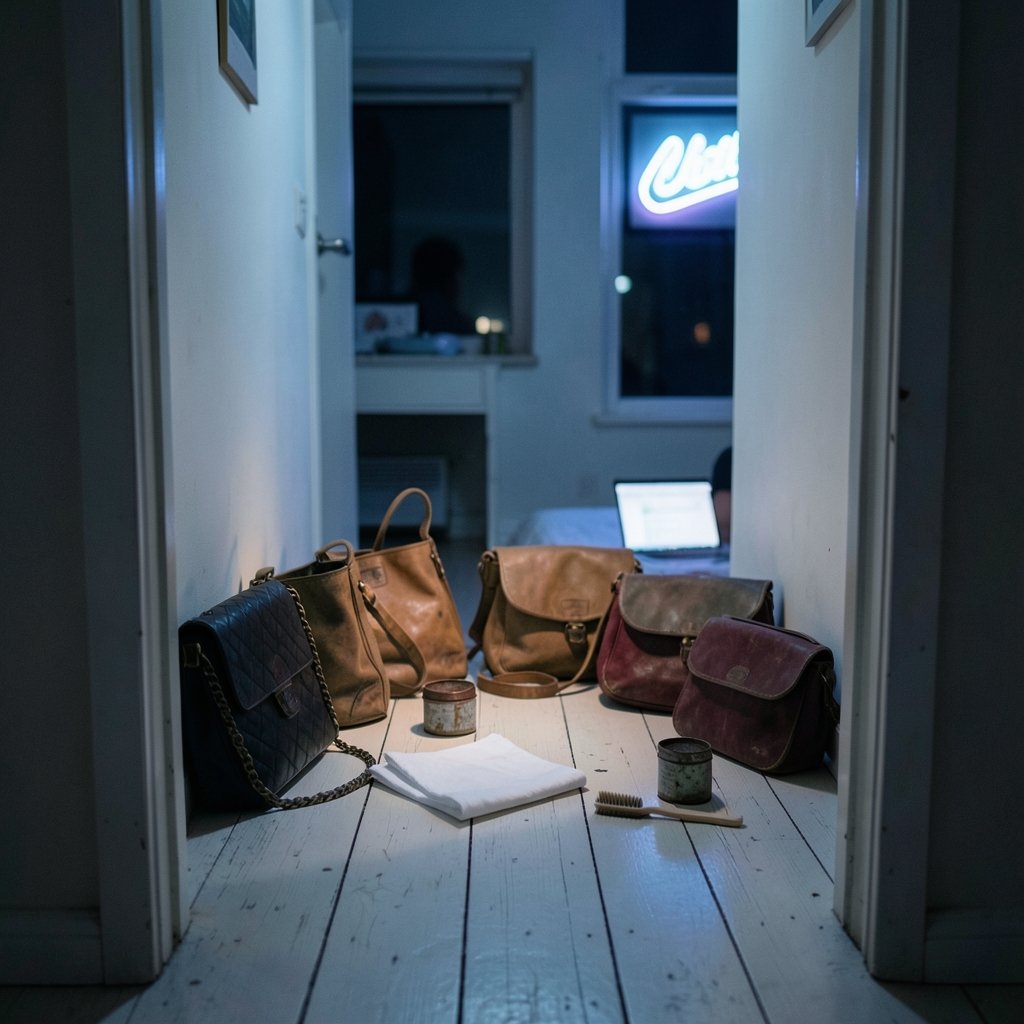
What if the scuffed, sagging bag hiding in your closet is actually worth saving, not replacing? That question drives the vintage designer bag boom. People hunt down decades-old Chanel, Hermès, Celine, and Gucci pieces because the leather, hardware, and construction often beat what’s sold today. But a bag that’s survived thirty years of use rarely arrives in perfect shape. It comes with darkened handles, dull clasps, faded corners, and a faint smell that hints at a long life in a closet.
The good news: much of that damage is fixable, and a surprising amount of it is fixable at home. The trick is knowing what to treat yourself and what to hand to a professional before you make things worse. This guide walks through the real process, from the first inspection to the final conditioning, with the mistakes that trip people up along the way.
Start With an Honest Inspection, Not a Cleaning Kit
The most common mistake is reaching for soap before understanding what you’re dealing with. Restoration experts separate cleaning from repair for a reason. A broken strap, a deep gouge, a torn lining, or a loose clasp are repair jobs, not cleaning jobs. No amount of gentle scrubbing will fix them.
Before touching the bag, check four things:
- Material. Smooth leather, pebbled leather, suede, coated canvas, and quilted lambskin all behave differently. Lambskin is famously delicate, while coated canvas tolerates more contact.
- Hardware condition. Look for green oxidation, flaking plating, or a sticky film on zippers and clasps.
- Interior smell and lining. A musty odor usually signals mold that has settled into the lining and leather pores.
- Structural wear. Sagging shapes, stretched handles, and worn corner piping need professional attention.
One important warning from the repair world: many bags that arrive at professional studios were damaged by overzealous DIY attempts. Abrasive chemicals and luxury materials are a disastrous combination, and dye transfer, liquid stains, and fading often can’t be removed by cleaning at all. They need actual restoration work. Knowing that boundary up front saves a lot of heartbreak.
What You Can Realistically Fix at Home

Home restoration works best on surface-level problems: light dirt, dryness, dull hardware, and minor shape issues. Here’s where to focus your energy.
Cleaning smooth leather
Use a pH-neutral leather cleaner applied with a soft cloth, then follow with a conditioner. Always spot-test on a hidden area first. Use minimal product, and clean regularly rather than waiting for visible grime to build up. Less really is more here.
Cleaning textured and pebbled leather
Skip the cloth for the textured surfaces. A soft brush made specifically for textured leather reaches into the grain far better and lifts dirt without pushing it deeper.
Handling suede and fabric
Suede needs a completely different approach from smooth leather, and fabric or suede bags can be washed, though full stain removal is never guaranteed. On materials like Gucci’s GG Supreme canvas, stains sink into the fibers, and pulling them out completely without damaging the material is close to impossible. Manage expectations rather than chasing a perfect result.
Reviving dull hardware
Gold-plated clasps, silver zippers, and brass chains all react to their environment over time. Skin oils and cosmetic residue speed up oxidation. A gentle wipe-down after each use slows the process considerably.
Fixing chain indentations
Soft-bodied bags stored with their chain pressed against the leather develop permanent-looking dents. One simple trick shared by a Taiwanese model and Chanel lover: repeatedly knead and massage the indented area with your fingers, and the puffiness gradually returns. It sounds too easy, but it rescues a lot of quilted bags.
The Step-by-Step Home Restoration Routine
Once you’ve confirmed the damage is surface-level, follow this sequence. Order matters, because conditioning before cleaning just traps dirt against the leather.
- Empty and dry the bag completely. Remove everything, open all pockets, and let it air out away from direct sun.
- Brush off loose debris. A soft brush or dry cloth removes dust before it turns into mud.
- Spot-test your products. Choose a hidden patch, apply a tiny amount, and wait. Check for color lift or darkening.
- Clean with a pH-neutral leather cleaner. Work in small sections with a soft cloth, using minimal product.
- Tackle textured areas with a soft brush. Let the bristles do the work instead of pressing hard.
- Condition evenly. Apply a thin layer of leather conditioner and buff off the excess. Soft, lightly treated leathers absorb strongly, so go light.
- Apply a protective cream. This creates an invisible barrier against water marks and everyday stains. People spray their shoes and forget their bags, which is backwards given how much more handling a bag gets.
- Dry naturally. Keep the bag away from radiators, hair dryers, and sunlight. Heat cracks leather.
- Stuff and shape. Use acid-free tissue or a soft pillow to hold the structure while it rests.
That last step matters more than people think. A bag that dries slumped will stay slumped.
When to Call a Professional
Some jobs belong in trained hands. Re-plating worn hardware, replacing or replicating a handle, extracting body oils from darkened handles, recoloring faded panels, and rebuilding torn linings are all specialist work. Restoration studios routinely handle exactly these tasks, and the results can be dramatic.
A vintage Chanel Classic Flap, for example, often arrives with leather that has gone worn and dull alongside hardware that has lost its shine. A proper restoration combines leather work with hardware refinishing. That’s not a kitchen-table job.
The same goes for heavily soiled or mold-affected pieces. In humid climates, mold colonizes interior linings and penetrates leather pores. Left alone, it weakens fibers, causes permanent discoloration, and can spread to nearby items. A musty smell is a warning sign, not a cosmetic annoyance.
Professional bag care isn’t only about repair, either. Specialist cleaners that handle luxury garments also run handbag restoration services, covering re-plating, cleaning, and dyeing. If you’re building a collection, it’s worth knowing a trusted restorer before you need one. The same logic applies to caring for other investment pieces, whether that means designer handbags in daily rotation or designer checked luggage that takes a beating in transit.
Storage Habits That Prevent Most Damage
Restoration is expensive and time-consuming. Prevention is nearly free. Most of the damage seen in vintage bags comes down to storage, not use.
| Storage mistake | What happens | Better approach |
|---|---|---|
| Storing in a sealed plastic bag | Traps humidity, encourages mold | Use a breathable dust bag |
| Hanging by the strap | Stretches and warps the handle | Store flat or upright with support |
| Stacking bags on top of each other | Crushes structure, leaves chain marks | Give each bag its own space |
| Storing in a hot, damp closet | Cracks leather, feeds mildew | Choose a cool, dry spot |
| Leaving cosmetics inside | Oils and residue stain the lining | Empty and wipe after each use |
A few extra habits pay off. Rotate bags so no single piece carries the load every day. Wipe handles after use, since body oils are what turn light leather dark and sticky over time. Keep silica packs nearby in humid rooms, and check stored bags every few months rather than discovering a problem a year later.
If you’re caring for a broader collection that includes designer furniture or pieces chosen with a luxury interior designer, the same principles apply: control humidity, avoid direct sun, and maintain materials before they fail.
The Sustainable Case for Repair
There’s a practical reason repair culture is growing. Extending the life of a vintage bag, luxury or not, is something serious collectors treat as a duty rather than a chore. Repairs, restoration, and maintenance, whether done at home or by artisans and cobblers, keep leather soft, preserved, and free from color loss.
It also makes financial sense. A well-restored vintage piece often holds or gains value, while a neglected one loses it fast. And the environmental argument is straightforward: every repaired bag is one less manufactured, shipped, and eventually discarded. That mindset now extends across categories, from designer gift bags kept and reused to wedding gift bags passed along rather than tossed.
Common Mistakes That Turn a Fixable Bag Into a Lost Cause
Even careful people slip up. Watch for these:
- Skipping the spot test. One wrong product can lift dye permanently.
- Using household cleaners. Abrasive chemicals and delicate leather do not mix.
- Over-conditioning. Too much product makes leather sticky and attracts dirt.
- Scrubbing hard on stains. Agitation spreads stains and roughens the surface.
- Drying with heat. Radiators and hair dryers crack leather quickly.
- Ignoring small problems. A loose stitch becomes a torn seam within months.
- Assuming cleaning equals repair. Fading, dye transfer, and deep stains usually need restoration, not soap.
The pattern is consistent: impatience causes most damage. Slow, minimal, tested steps win every time.
Conclusion
Restoring a vintage designer bag is less about secret products and more about judgment. Inspect honestly, separate cleaning from repair, spot-test everything, and know when to stop. Home care handles surface dirt, dryness, dull hardware, and minor dents beautifully. Structural damage, hardware re-plating, recoloring, and mold belong with specialists who do it every day.
Do the simple things well, store the bag properly, and it will reward you for decades. That aged piece in the back of your closet may not need replacing at all. It may just need a careful afternoon and a little patience.
Frequently Asked Questions
Can I restore a vintage designer bag entirely at home?
For surface issues, yes. Light dirt, dryness, dull hardware, and minor chain indentations respond well to gentle cleaning, conditioning, and massage. Structural repairs, hardware re-plating, recoloring, and mold treatment should go to a professional, because DIY attempts on those often cause permanent damage.
What should I use to clean vintage leather without ruining it?
Use a pH-neutral leather cleaner applied with a soft cloth, and always spot-test on a hidden area first. For pebbled or textured leather, use a soft brush made for textured surfaces instead of a cloth. Avoid abrasive household chemicals entirely, since they can strip color and finish.
How do I remove dents left by a chain strap?
Gently knead and massage the indented area with your fingers over time. The pressure helps the leather regain its puffiness. This works best on soft, quilted leathers. Store the bag with the chain wrapped in tissue going forward so the marks don’t return.
Why does my vintage bag smell musty, and is it serious?
A musty smell usually means mold has settled into the lining and leather pores. It’s more than cosmetic: mold weakens leather fibers, causes permanent discoloration, and can spread to nearby items. Treat it seriously and consult a restoration specialist rather than masking the smell.
Can stains on canvas bags be fully removed?
Often not completely. On materials like coated canvas, stains sink deep into the fibers, and removing them fully without harming or fading the material is extremely difficult. Cleaning can improve the appearance, but realistic expectations matter, especially on older pieces.
How should I store a designer bag to prevent damage?
Store it in a breathable dust bag, not sealed plastic, in a cool, dry spot away from sunlight. Keep bags from pressing against each other, support the shape with acid-free tissue, and never hang a bag by its strap for long periods. Empty and wipe it after each use.











