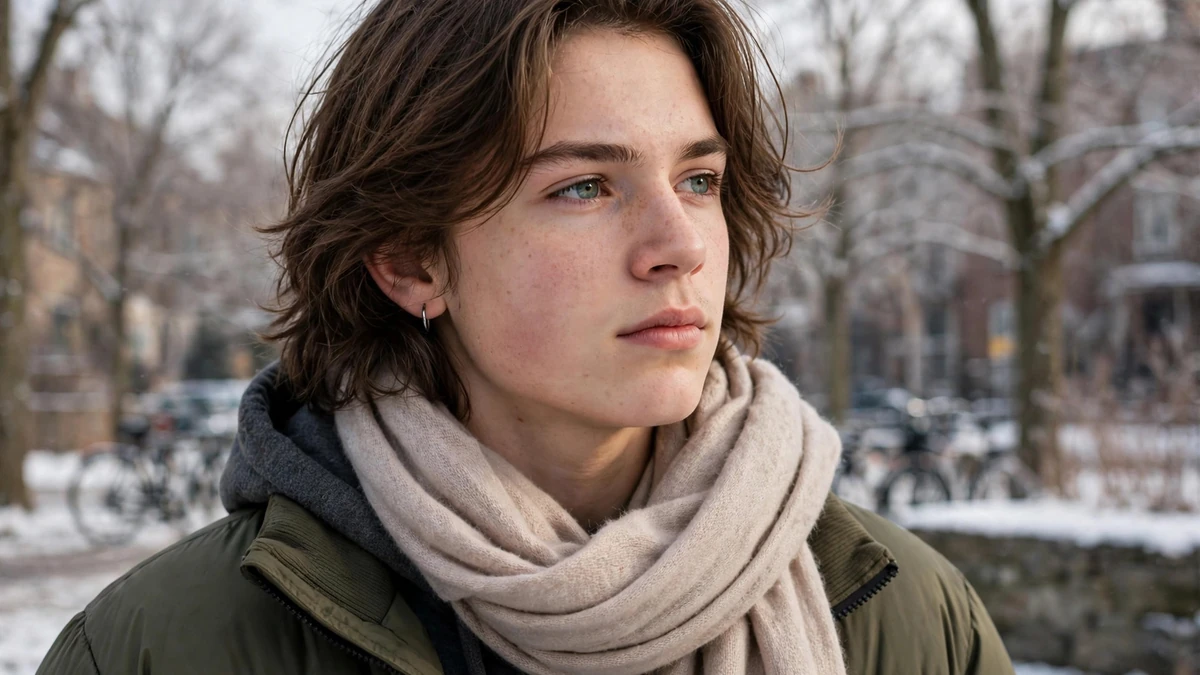
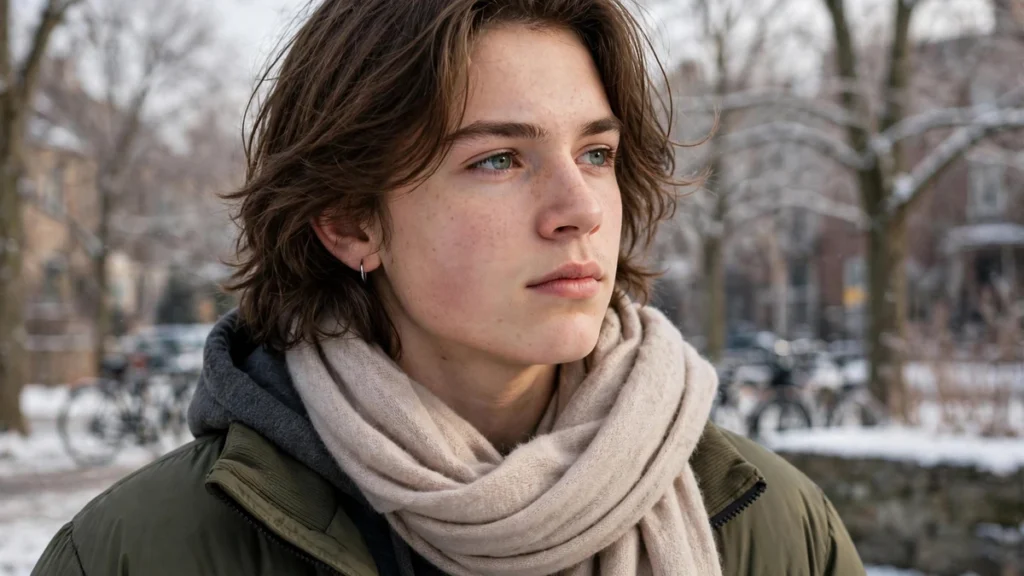
A cashmere scarf is one of the few luxuries that makes sense for a teenager. It is warmer than wool, softer against the neck, and light enough to wear all day without feeling bulky. A good one also lasts: cashmere softens with wear rather than wearing out, so a scarf bought at fifteen can still be in regular use at twenty. The best cashmere scarves for teens in 2027 are not the most expensive ones. They are the ones with the right length, a fibre content you can trust, and colours a teenager will actually want to wear.
The problem is that cashmere varies enormously. A scarf labelled cashmere can be pure, long-fibre cashmere, a blend with only a little cashmere in it, or a short-fibre yarn that pills within a week. Prices range from under £30 to well over £100, and the price alone does not tell you which one you are getting. A teenager also has practical needs an adult buyer might overlook: a scarf that survives a school bag, that can be washed without a crisis, and that is not so precious it sits in a drawer.
Below are nine cashmere scarves worth considering in 2027, from a classic Scottish weave to affordable blends that make a good first cashmere buy. Each one is described by what it does well, what to watch for, and who it suits best, so you can choose with your teenager’s real routine in mind, not just a label.
Key takeaways
- Cashmere is warmer than wool at the same weight, and softer against the skin, which is why a thin cashmere scarf can replace a thick wool one.
- Look for 100 percent cashmere, or a blend with at least 70 percent cashmere, and check the fibre length if the brand states it.
- A scarf of 160 to 180 cm suits most teenagers, long enough to wrap once and tuck, short enough not to trail.
- Hand wash in cold water or dry clean, and expect some pilling in the first weeks; a cashmere comb deals with it.
- No scarf is a financial investment, and a cashmere scarf that is never worn because it feels too precious is a wasted buy.
What a cashmere scarf actually is for a teenager
Cashmere is the soft undercoat of the cashmere goat, combed out in spring when the animal moults. The fibres are very fine, usually 14 to 19 microns across, which is why cashmere feels soft rather than scratchy, and why it traps warmth so well. A thin cashmere scarf can be as warm as a much thicker wool one, which matters for a teenager who does not want to look bundled up on the way to school.
For a teenager, the practical difference is weight and comfort. A cashmere scarf sits flat under a coat collar, it does not itch the way coarse wool can, and it folds small enough to fit in a school bag or a coat pocket. That is the difference between a scarf that gets worn every day and one that gets left at home. It also means a cashmere scarf works indoors as well as out, draped over shoulders in a cold classroom or lecture hall.
What makes a scarf teen-friendly is not the brand name. It is the length, the weight, the colour, and the care it needs. A scarf that is too long trails into puddles and gets caught in zips. A scarf that is too pale shows every mark. A scarf that needs dry cleaning after every wear will not survive a teenager’s week. The nine scarves below were chosen with those everyday realities in mind, not just with how they look in a photograph.
How we chose these scarves and what to look for
Look first at the fibre content. Pure cashmere, 100 percent on the label, is the warmest and softest option, and it is what the classic makers use. A blend can still be a good buy, especially for a first cashmere scarf, but check the percentage: a blend with 70 percent cashmere and 30 percent wool or silk will feel close to pure cashmere, while a blend with only 10 or 20 percent cashmere is mostly wool wearing a cashmere label. If the label does not state a percentage, treat it with caution.
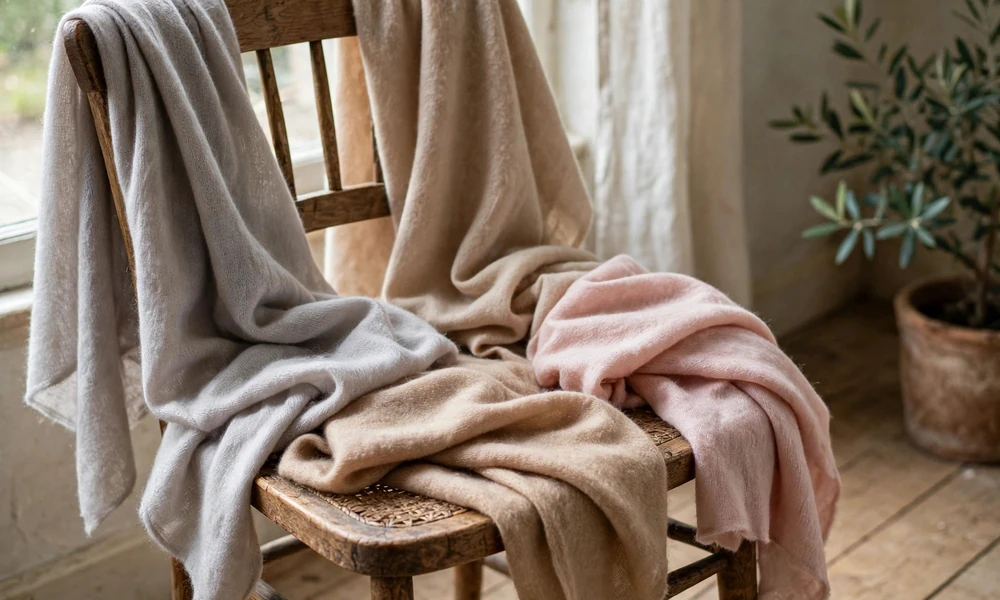
Look next at the length and the weight. Most teenagers are comfortable with a scarf of 160 to 180 cm long and 25 to 35 cm wide: long enough to wrap once around the neck and tuck the ends into a coat, short enough not to drag. A very fine, lightweight cashmere is best for mild days and indoor wear, while a slightly heavier two-ply cashmere is better for proper winter cold. If your teenager already owns a favourite knit, our guide to the best cashmere sweaters explains the same fibre grades in more detail, and the same rules apply here.
Finally, look at the care and the price together. Hand washing in cold water with a gentle detergent is the usual advice, and it is genuinely easy once you have done it twice. Dry cleaning is the alternative, but it adds cost over a season. A pure cashmere scarf under £50 is worth a second look at the label, while £70 to £120 is the normal range for a well-made one. Paying more than that usually buys a brand name, not warmer cashmere.
The 9 best cashmere scarves for teens in 2027
Johnstons of Elgin Cashmere Scarf
What we like: A classic plain-weave scarf from a Scottish mill that has worked with cashmere for over two centuries, with a dense, even weave and a soft hand feel. What to consider: Premium price, and the classic colours are deliberately quiet rather than bright. Best For: Everyday wear, school and weekends. Fabric: 100% cashmere. Price Range: £95–£120. Standout Feature: Made in Scotland, with a finish that improves with wear.
Brora Cashmere Scarf
What we like: Exceptionally soft cashmere in a wide range of colours, from deep navy to bright rose, with a slightly looser weave that drapes easily. What to consider: The lighter colours mark more easily, and the softness means it pills a little at first. Best For: Teenagers who want colour and softness. Fabric: 100% cashmere. Price Range: £89–£110. Standout Feature: A famously soft hand feel, straight out of the packet.
White + Warren Cashmere Travel Wrap
What we like: A generously sized wrap that works as a scarf, a shawl, and a blanket on a long journey, in a soft, mid-weight cashmere. What to consider: It is larger than a standard scarf, so it needs a bigger bag, and the price sits above most teen budgets. Best For: Travel, long days out, and teenagers who like versatility. Fabric: 100% cashmere. Price Range: $150–$185. Standout Feature: Doubles as a wrap or a travel blanket.
Naadam Cashmere Scarf
What we like: Mongolian cashmere at a fair price, with clear information about sourcing and a simple, unbranded design that suits almost any coat. What to consider: The colour range is smaller than the heritage brands, and the weave is a little lighter. Best For: A first pure cashmere scarf at a sensible price. Fabric: 100% Mongolian cashmere. Price Range: $75–$95. Standout Feature: Direct, transparent pricing and sustainable sourcing.
Everlane Cashmere Scarf
What we like: A clean, minimal scarf with no visible branding, in a mid-weight cashmere that holds its shape well. What to consider: Limited seasonal colours, and it sells out in the most popular shades. Best For: Teenagers who prefer a plain, modern look. Fabric: 100% cashmere. Price Range: $100. Standout Feature: A completely unbranded, understated design.
Uniqlo Cashmere Blend Scarf
What we like: The lowest price on this list by a clear margin, with a soft feel and a good range of plain colours that suit school uniforms and casual coats alike. What to consider: It is a blend, not pure cashmere, so it is less warm than the pure options and will pill more. Best For: A first cashmere-feel scarf on a small budget. Fabric: Cashmere blend. Price Range: £29.90–£39.90. Standout Feature: Accessible price and easy availability.
COS Cashmere Scarf
What we like: A long, clean-lined scarf in a fine, smooth cashmere, with modern colours and a shape that drapes neatly rather than bunching. What to consider: The fine weave is less warm on the coldest days, and it needs gentle handling. Best For: Teenagers who like a modern, minimal wardrobe. Fabric: 100% cashmere. Price Range: £79–£99. Standout Feature: Long, elegant proportions with a smooth finish.
Arket Cashmere Scarf
What we like: Understated neutrals, a soft mid-weight knit, and a straightforward design that works with almost any winter coat. What to consider: The colour range is deliberately restrained, so there is little here for a teenager who wants bright colour. Best For: Everyday neutrals and a quiet, grown-up look. Fabric: 100% cashmere. Price Range: £69–£89. Standout Feature: Honest quality at a price below the heritage houses.
Mango Cashmere Scarf
What we like: Seasonal colours that follow current trends, a soft blend that feels good against the skin, and a price that makes it easy to try a bold colour. What to consider: It is a blend, so it will not last as long as pure cashmere, and the trend colours date faster. Best For: Trend colours and a second, fun scarf. Fabric: Cashmere blend. Price Range: £49.99–£69.99. Standout Feature: The widest range of seasonal colours on this list.
Which cashmere scarf is right for your teen
Start with how the scarf will actually be used. For school and everyday wear, a mid-weight pure cashmere in a dark or neutral colour is the safest choice: it hides marks, it goes with any coat, and it is warm enough for a cold walk to school. A teenager who is rough on clothes will get more from a sturdy two-ply weave, like the Johnstons of Elgin or the Arket, than from a very fine, delicate cashmere that needs careful handling.
Think about length and size next. A younger teenager, or a shorter one, will be happier with a scarf at the shorter end of the 160 to 180 cm range, while a taller teenager can carry a longer scarf without it looking oversized. If the scarf is mainly for weekends and evenings, a brighter colour or a larger wrap, like the White + Warren, can be more fun. If it is for school, keep it simple: a plain colour, a mid length, and nothing that will draw a dress-code comment.
Finally, be honest about the budget. A pure cashmere scarf is a better buy than two cheap blends, but only if it gets worn. If your teenager is unsure about cashmere, start with the Uniqlo blend or the Naadam, and upgrade later if it becomes a daily habit. Our guide to why cashmere is worth the price works through the cost-per-wear maths in more detail, and it is worth reading before spending over £100 on any single item.
The caveats that matter
Cashmere is not indestructible, and a teenager needs to know that before the first wear. It pills, especially in the first few weeks, where the scarf rubs against a coat collar or a bag strap. That is normal, not a fault, and a small cashmere comb removes the pills in a minute. It also needs to be kept away from moths in summer, stored clean and folded, not hung, and washed gently rather than thrown in with the weekly laundry.
| Detail | What is known |
|---|---|
| Best fibre | 100% cashmere, or a blend with at least 70% cashmere |
| Length to look for | 160 to 180 cm for most teenagers |
| Width | 25 to 35 cm, wide enough to wrap, narrow enough to tuck |
| Care | Hand wash in cold water or dry clean; never machine wash |
| Pilling | Normal in the first weeks; remove with a cashmere comb |
| Who should skip it | Anyone who will not hand wash or dry clean |
| What it does not do | It will not stay new forever; cashmere softens and pills with wear |
| Price reality | Under £30 usually means a blend, not pure cashmere |
It is also worth knowing when wool is the better choice. A teenager who plays sport outdoors, who will leave a scarf on a bus, or who simply will not hand wash anything is better served by a good wool scarf, which is tougher and easier to care for. Our roundup of the best wool scarves for teens covers that ground properly, and there is no shame in choosing wool: the best scarf is the one that gets worn, not the one with the most luxurious label.
Checklist: choosing a cashmere scarf for a teenager honestly
Use these checks before you buy, and again after a month of wear.
- Check the label: 100 percent cashmere, or a blend with at least 70 percent cashmere, with the percentage stated.
- Check the length: 160 to 180 cm, so it wraps once and tucks without trailing.
- Check the feel: it should be soft against your neck, not scratchy or stiff.
- Check the colour: dark or neutral for school, brighter colours for weekends.
- Check the care: hand wash or dry clean only, and buy a cashmere comb at the same time.
- Check the price: under £30 usually means a blend, and over £120 usually buys a brand name, not warmer cashmere.
Frequently asked questions
Is cashmere too delicate for a teenager?
Not if you choose the right one. A mid-weight, two-ply pure cashmere is tougher than it looks, and it copes well with daily wear. What it does not cope with is machine washing or being left screwed up in a bag for weeks, so a teenager who will hand wash it, or take it to the dry cleaner, will be fine.
How do I wash a cashmere scarf?
Hand wash in cold water with a small amount of gentle detergent, press the water out without wringing, and dry it flat on a towel away from direct heat. Never put cashmere in a washing machine or a tumble dryer. If hand washing feels like too much, dry cleaning is a perfectly good alternative.
Why does my cashmere scarf pill?
Pilling is normal, especially in the first few weeks, where the scarf rubs against a coat or a bag strap. Shorter fibres work their way to the surface and form small balls. A cashmere comb removes them in a minute, and pilling usually settles down as the looser fibres shed.
How long should a cashmere scarf last?
A well-made pure cashmere scarf, cared for properly, should last several years and will soften with wear. A blend will last less long, usually two to three winters, before it thins or loses its shape. Either way, the scarf will outlast most fashion accessories if it is stored clean and folded.
Is a cashmere blend worth buying?
Yes, if the cashmere content is high enough. A blend with 70 percent cashmere and 30 percent wool or silk will feel close to pure cashmere and cost less. A blend with only 10 or 20 percent cashmere is mostly wool, and you should judge it, and pay for it, as wool.
What length scarf suits a teenager?
Most teenagers are comfortable with 160 to 180 cm. Shorter than that, and the scarf will not wrap properly. Longer than that, and it trails, catches on things, and gets in the way. If in doubt, measure a scarf your teenager already likes and match it.
The bottom line
The best cashmere scarf for a teenager in 2027 is not the most expensive one. It is the one with genuine fibre content, a length that suits their height, a colour they will actually wear, and care needs they will actually follow. For most teenagers, that means a mid-weight pure cashmere in a neutral colour, from a maker with a clear label, at a price between £70 and £120.
If the budget is tighter, start with a good blend or a value pure cashmere, and see whether it becomes a daily habit before spending more. And if your teenager will not hand wash, buy wool instead. The warmest scarf in the world is useless if it sits in a drawer, and the best buy is always the one that gets worn.