


What happens when the first radiator hiss of the season arrives and your face suddenly feels a size too small around the cheekbones? That tightness is not imagination. Cold air holds far less water than August air did, and indoor heating quietly takes whatever moisture remains. The skin barrier, that thin arrangement of lipids and proteins holding everything in place, starts losing water faster than it can replace it. Every product layered on top then has to work harder for the same result. A luxury routine does not escape this physics. It simply has better tools to answer it.
The good news: a seasonal switch is not an overhaul. It is a change in order, texture, and restraint. Here is how to do it well, step by step, with the kind of products and pacing that justify the price tags.
What You Need Before You Start
Before swapping a single jar, gather three pieces of information. First, know your skin’s current state: is it oily, tight, reactive, or congested after summer? Second, check the humidity and temperature where you live, because a coastal autumn and an alpine one demand different weights. Third, audit what you already own. Most people already possess products suited to multiple seasons; they are simply using them in the wrong order or concentration.
The transition itself takes roughly five to seven days. Skin needs time to adjust to new product ratios, not a sudden overnight replacement of the entire shelf. Plan for a gradual rollout, and keep one week of buffer before any big event where you want your skin to look its best.
One more piece of preparation: decide your budget honestly. Luxury skincare rewards consistency more than novelty, so a smaller number of well-chosen upgrades beats a scattered haul. If you are also shopping for gifts this season, the same logic applies to luxury skincare gifts — buy fewer, better, and matched to the recipient’s actual routine.
Step 1: Swap Your Cleanser First (Days 1–2)
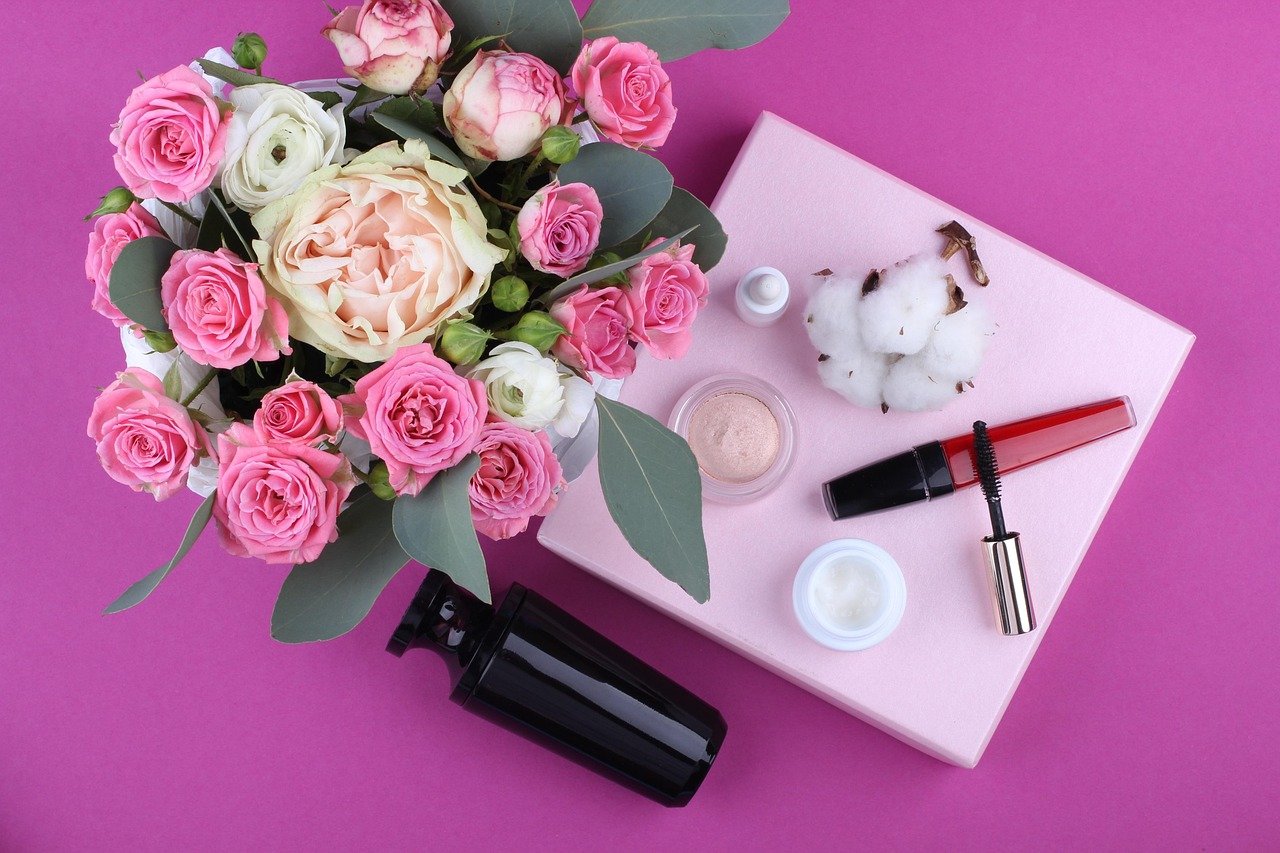
Start with the step that touches your skin most often. Foaming and gel cleansers that felt refreshing in July often strip natural lipids once humidity drops. A gentle milky or oil-based cleanser removes impurities without disrupting the acid mantle, leaving the canvas supple rather than squeaky.
Expected result: within two to three days, the post-cleanse tightness should ease. If your face still feels “clean but clenched,” the cleanser is too strong, not your moisturizer.
This is also the moment to stop double-cleansing in the morning if you were doing it all summer. One gentle cleanse at night and a lukewarm rinse in the morning is often enough once oil production settles.
Step 2: Adjust Your Moisturizer’s Weight and Timing (Days 2–4)
The shift from summer to winter typically means drier air, which strips skin of natural moisture. A lightweight gel that sufficed in humid months now sinks in and disappears. Move to a richer cream, and consider layering: a hydrating serum or essence first, then the cream on top to seal it.
According to guidance on adapting routines to the seasons, the smartest approach keeps the core routine stable — cleanse, moisturize, protect — and modifies secondary steps such as exfoliation, masks, and treatment serums based on what the skin is showing you. In practice, that means changing texture and frequency, not adding ten new products.
Expected result: comfort that lasts past the first hour. If you are reapplying moisturizer three times before lunch, the formula is too light for the season, not the weather’s fault.
Step 3: Reinforce the Barrier With Actives You Already Trust (Days 3–5)
This is where luxury formulas earn their keep. Look for barrier-supporting ingredients — ceramides, lipids, squalane, glycerin — and introduce them at low frequency before daily use. A single rich night cream used three nights a week for the first week tells you more than a patch test ever will.
The order matters more than the price. A useful sequence for the colder months:
- Gentle cleanser
- Hydrating essence or serum on damp skin
- Treatment serum (if used, and only on some nights)
- Barrier cream
- Occlusive layer on the driest zones only
Expected result: less reactivity to wind and indoor heat within about a week. Flaking around the nose and mouth should soften first.
Step 4: Rethink Exfoliation and Masks (Days 4–6)
Summer exfoliation habits are the most common overcorrection in winter. If your complexion is dry or reactive, reduce acid frequency rather than increasing it to chase glow. Swap a weekly strong peel for a gentler enzyme mask, and move any resurfacing step to the night before a rest day.
Expected result: smoother texture without the stinging that signals a compromised barrier. If a product burns on application, stop. Burning is information, not a phase.
Step 5: Keep Sunscreen, Change the Finish (Ongoing)
Sunscreen is non-negotiable in every season, but the finish can change. A mattifying summer formula may now feel chalky over a richer cream. Choose a hydrating or cream-based SPF, and apply it as the final step each morning.
Expected result: protection without pilling under makeup. If your foundation starts to ball up, the layers beneath are fighting each other — give each one a minute to settle.
Step 6: Extend the Same Logic to Hands, Lips, and Body (Days 5–7)
Luxury routines often neglect the parts that show age fastest. Cold weather makes hands and lips the first casualties. Add a rich hand cream at the desk and bedside, and treat lips with a balm rather than licking them. The same principle that applies to winter nail care — extra moisture, gentler removal, and consistent conditioning — applies to skin: prevention beats repair. A quick read of winter nails: 10 ideas and care tips is a useful reminder that the seasonal switch is a whole-body project, not a face-only one.
Expected result: fewer cracked knuckles and no split cuticles by the time the heating is at full blast.
Common Mistakes That Undo a Good Transition
Most winter skin problems trace back to a handful of predictable errors. The first is changing everything at once. When five products arrive on the same day, you cannot tell which one caused the breakout or the sting — and you have lost your baseline. Introduce one change every three to four days.
The second is confusing dryness with dead skin. Flaking does not always mean you need to exfoliate; often it means the barrier is leaking water and needs occlusion, not scrubbing. Exfoliating flaky, compromised skin makes it worse.
The third is over-layering. More steps do not equal more hydration. A serum, a cream, and a thin occlusive layer will outperform seven essences applied in a panic.
The fourth is ignoring the indoor environment. Heating removes humidity from every room, so a bedside humidifier and a slightly cooler bedroom often do more for morning skin than a new serum. The shift arrives before the temperature does, and indoor air is half the story.
The fifth is abandoning SPF because the sun feels weak. UV exposure does not take the season off, and the pigmentation you spent summer preventing can return quietly in winter.
Finally, resist the urge to buy a completely new routine. As seasonal guidance consistently notes, most people own products suited to multiple seasons already. Reorder them, adjust concentration, and only then consider a purchase.
What a Luxury Transition Actually Looks Like in Practice
Luxury in skincare is not about price per jar; it is about formulation quality, texture, and the discipline to use fewer things well. A realistic seasonal edit looks like this:
| Step | Summer habit | Winter adjustment | What to look for |
|---|---|---|---|
| Cleanse | Foaming gel, twice daily | Milky or oil cleanser, once at night | Lipid-friendly surfactants |
| Hydrate | Light gel moisturizer | Serum plus richer cream | Glycerin, squalane, ceramides |
| Treat | Frequent acids | Reduced frequency, gentler enzymes | Buffered formulas |
| Protect | Mattifying SPF | Hydrating cream SPF | Broad-spectrum, no white cast |
| Repair | Occasional mask | Weekly barrier mask | Panthenol, lipids, oat |
The pattern is consistent: fewer actives, more support. That is true whether your shelf holds drugstore staples or a curated collection of Italian luxury fashion-adjacent beauty houses, where packaging and provenance often signal a formula built around emollients rather than acids.
Timing the Transition Around Events
Seasonal transitions are easier to manage when you plan around your calendar. If a holiday party or a big trip is coming, complete the product swap at least ten days beforehand so any reaction has time to settle. According to guidance on preparing winter skin for festive events, a well-planned transition keeps skin comfortable and photogenic regardless of whether the occasion is a small gathering or a lavish party — and the key is starting early rather than repairing on the night.
For readers who travel during the colder months, pack the routine in miniature and keep the order identical. Changing both climate and products simultaneously is the fastest route to a flare-up. The same planning instinct that helps you compare luxury hotel suites in Boston — checking what is actually included before committing — applies to building a winter shelf.
How Long Until Results Show
Expect comfort within three to five days, visible improvement in flaking within two weeks, and a genuinely resilient barrier after about a month of consistency. If nothing improves after four weeks of gentle, barrier-focused care, the issue may not be seasonal at all. Persistent redness, stinging, or breakouts in new areas warrant a dermatologist’s opinion rather than another product.
Conclusion
Transitioning a luxury skincare routine from summer to winter is an exercise in sequencing and restraint. Start with the cleanser, then the moisturizer’s weight, then barrier support, then exfoliation frequency, then SPF finish, and finally the hands and lips. Introduce one change at a time, give each three to four days, and let the skin’s feedback — not the marketing — set the pace. The result is not a new routine but a better-calibrated one: fewer products, applied in the right order, doing more work. That is what luxury actually buys you when the radiators come on.
Frequently Asked Questions
How long does it take to transition skincare from summer to winter?
Plan for five to seven days of gradual swaps, with comfort improving within three to five days and visible barrier repair taking about two to four weeks. Skin needs time to adjust to new product ratios, so introduce one change every three to four days rather than replacing everything at once.
Do I need to buy a whole new routine for winter?
Usually not. Most people already own products suited to multiple seasons and are simply using them in the wrong order or concentration. Reorder your existing steps, reduce exfoliation frequency, and add one richer moisturizer before considering a larger purchase.
Should I stop exfoliating in winter?
No, but reduce intensity and frequency. Swap strong acids for gentler enzyme formulas, and avoid exfoliating skin that is actively flaking or stinging, since that usually signals a leaking barrier rather than a buildup of dead cells.
Why does my moisturizer stop working when the heating comes on?
Cold outdoor air holds less water, and indoor heating removes much of what remains. The skin barrier loses moisture faster than it can replace it, so a lightweight summer formula no longer has enough occlusion to hold water in. A richer cream plus a hydrating layer underneath solves most cases.
Is sunscreen still necessary in winter?
Yes. UV exposure does not pause for the season, and pigmentation prevented over summer can return during colder months. Choose a hydrating or cream-based broad-spectrum SPF if mattifying summer formulas now feel chalky over richer creams.
What should I do if my skin stings after switching products?
Stop the new product immediately and return to a minimal cleanse-moisturize-protect routine for a week. Stinging is a sign of a compromised barrier, not a normal adjustment phase. If it persists or comes with redness and swelling, consult a dermatologist.











