

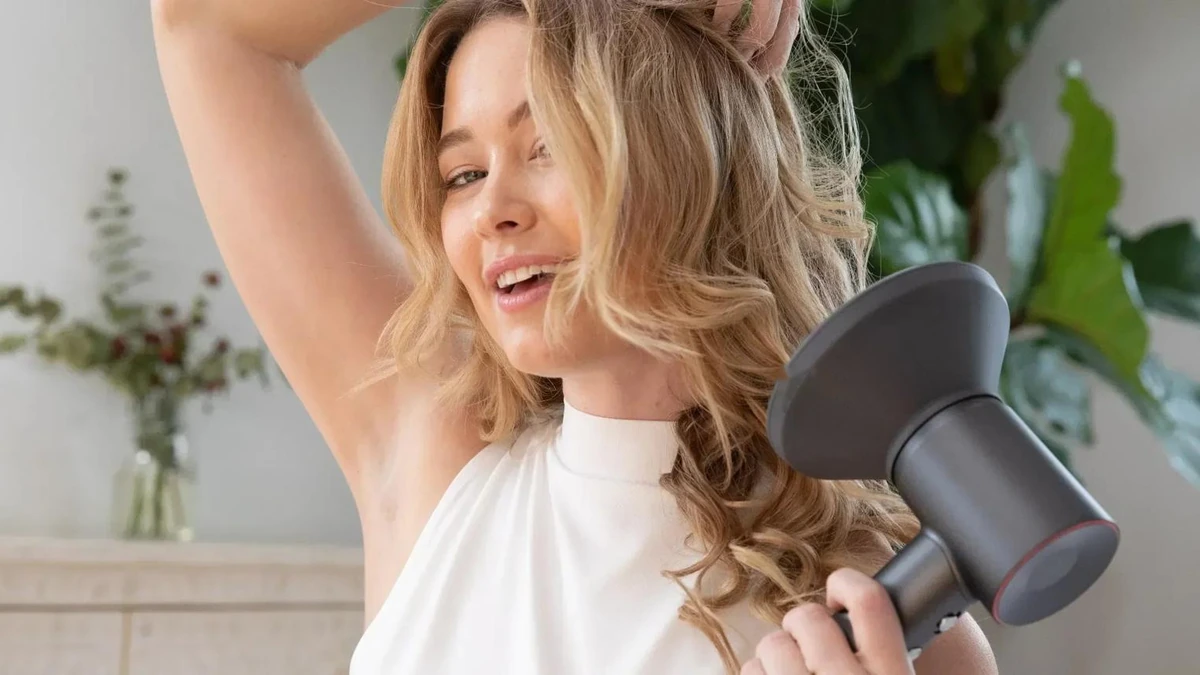

Wavy hair sits between straight and curly hair. It has a natural S-shaped pattern, but the waves may look loose, defined, or almost curly depending on your hair type.
Finding the right routine can take some trial and error. Heavy products may make fine waves look flat, while using too little conditioner can leave thicker waves dry and frizzy. The same routine won’t work equally well for everyone.
This guide explains the differences between 2A, 2B, and 2C wavy hair. You’ll also learn how to wash, condition, style, and protect your waves without weighing them down.
Key Takeaways
- Wavy hair includes three common subtypes: 2A, 2B, and 2C.
- Fine waves usually need lighter products, while thicker waves may need more conditioning.
- Apply conditioner mainly to the lengths and ends.
- Mousse and gel can help hold your natural wave pattern.
- Avoid excessive brushing and touching while your hair dries.
- Use water or a small amount of styling product to refresh waves between washes.
Wavy Hair Types: What 2A, 2B, and 2C Mean

The hair typing system divides wavy hair into three common subtypes. The main difference is how strong the wave pattern looks and where it starts.
| Type | Wave Pattern | Common Challenge |
| 2A | Loose, gentle S-shaped waves | Waves lose volume easily |
| 2B | More defined S-shaped waves, often starting around the middle | Surface frizz |
| 2C | Deep, strong waves that may look partly curly | Dryness, frizz, and volume |
2A hair: Usually has loose waves and may be fine or easily weighed down. Lightweight products often work best.
2B hair: Has more noticeable waves, with some sections starting closer to the roots. Frizz can make the pattern look less defined.
2C hair: Has stronger waves and may include a few loose curls. It often needs more conditioning than 2A hair, but heavy products can still cause buildup.
Your hair may not fit perfectly into one category. Different sections can have different wave patterns, and your hair’s thickness, density, and condition also affect how it behaves.
A Simple Wavy Hair Routine

You don’t need a long list of products to care for wavy hair. Start with a simple routine and adjust it based on how your hair responds.
1. Wash Your Hair Gently

Choose a shampoo that cleans your scalp without leaving your hair feeling overly dry. Focus the shampoo on your scalp and let the water carry it through the lengths. How often you wash depends on your scalp, activity level, and product use. Some people need to wash every other day, while others can wait longer.
2. Apply Conditioner

Apply conditioner mainly to the mid-lengths and ends. These areas often need more moisture than the roots. Fine 2A hair may need a lighter conditioner, while thicker 2C hair may benefit from a richer formula. Rinse well if your hair feels coated or flat.
3. Add a Styling Product

Apply styling products while your hair is damp. A lightweight leave-in conditioner can help with softness, while mousse or gel can help hold the wave pattern. Scrunch your hair gently from the ends toward the roots. Start with a small amount of product and add more only if needed.
For 2A hair, mousse or foam may provide enough hold without adding too much weight. For 2B and 2C hair, a light or medium-hold gel may help control frizz and keep waves defined.
4. Dry Without Disturbing Your Waves

You can air-dry your hair or use a diffuser on a low heat and airflow setting. Try not to touch your hair repeatedly while it dries. Too much handling can separate wave sections and create frizz.
If you use gel, it may leave your hair feeling stiff once dry. Gently scrunch your hair again to soften that cast.
5. Refresh Between Washes

You may not need to wash your hair every morning. On the following day, lightly mist flattened sections with water and scrunch them back into shape. If water alone isn’t enough, use a small amount of lightweight leave-in or styling product. Avoid adding too much product each day, as buildup can make waves look heavy.
Common Wavy Hair Mistakes That Flatten Your Waves

Some everyday habits can make waves look less defined. A few small changes may help.
- Brushing dry hair: Dry brushing can separate wave sections and increase frizz. Detangle gently before styling or while your hair is wet and conditioned.
- Using too much oil or butter: Rich products can weigh down fine waves. Start with lighter formulas and use richer products only where needed.
- Rubbing with a rough towel: Rough drying can disturb your wave pattern. Gently squeeze out water with a microfiber towel or soft cotton T-shirt.
- Applying conditioner near the roots: This can make fine hair look flat, especially if the formula is rich.
- Touching hair while it dries: Frequent handling can break up wave sections and create frizz.
Cuts and Styles That Work With Wavy Hair

The right haircut can make waves easier to manage. Soft layers often add movement and help prevent long, thick hair from looking too heavy at the bottom.
However, very short or excessive layers may make fine hair look thinner. If you have 2A waves, ask your stylist to keep enough weight through the ends.
For 2B and 2C hair, layers can help remove excess bulk and allow the wave pattern to show more clearly.
Some simple styles to try include:
- Loose side part: Adds a little shape without much styling.
- Half-up hairstyle: Keeps hair away from your face while showing your waves.
- Soft face-framing layers: Add movement around the front.
- Loose bun or ponytail: A practical option for everyday wear.
Show your stylist how your hair looks when it dries naturally. This can help them choose a cut that works with your actual wave pattern.
Deep Conditioning Without Weighing Hair Down

Wavy hair can become dry, especially when it’s exposed to heat styling, coloring, or frequent washing. A deep conditioner or hair mask may help improve softness and reduce the feeling of dryness.
You don’t need to use a hair mask every week. Follow the product instructions and adjust the frequency based on how your hair feels. Choose a lighter formula if your hair is fine or loses volume easily. Thicker or coarser waves may tolerate richer conditioning products.
Protein treatments are another option, but they aren’t necessary for everyone. If your hair feels rough, stiff, or brittle, adding more protein may not solve the problem. Consider reducing strong treatments and focusing on gentle conditioning instead.
How to Keep Wavy Hair Looking Good Between Washes

A few habits can help protect your waves while you sleep and make styling easier the next morning.
- Try a loose pineapple: Gather longer hair into a loose ponytail near the top of your head. Avoid pulling it tightly.
- Use a satin pillowcase: It may reduce friction compared with some cotton fabrics.
- Refresh with water: Lightly mist flattened sections and scrunch them into shape.
- Use a diffuser carefully: Low heat and airflow can help dry waves without disturbing them too much.
- Remove product buildup when needed: If your hair feels coated or your roots look flat, use a clarifying shampoo according to its instructions.
You don’t have to follow every tip. Choose the habits that make a noticeable difference to your hair.
Frequently Asked Questions
What is the difference between 2A, 2B, and 2C hair?
2A has loose waves, 2B has more defined waves, and 2C has deep waves that may look partly curly.
How often should I wash wavy hair?
Wash it when your scalp needs cleaning. This may be every other day or less often, depending on oiliness, activity, and product buildup.
Why does my wavy hair go flat?
Heavy products, excess conditioner, and product buildup can make waves lose volume. Fine hair is often more sensitive to product weight.
Should I brush wavy hair wet or dry?
Detangle gently when your hair is wet and has conditioner in it. Dry brushing can separate the wave pattern and create frizz.
What products work best for wavy hair?
A suitable shampoo, conditioner, and lightweight mousse or gel are good starting points. The best choice depends on your hair’s thickness and condition.
Final Thoughts
Wavy hair doesn’t need a complicated routine. The key is finding the right balance between moisture, hold, and volume.
Start with gentle washing, a suitable conditioner, and a lightweight styling product. Then adjust your routine according to how your waves respond. With a little practice, you can make your natural pattern easier to manage without using too many products.
Disclaimer: Hair care results vary by hair type, condition, and products used. Stop using any product that causes irritation and follow its instructions.









