



Light brown hair sits between medium brown and dark blonde. It offers a natural-looking change for people who want a little more brightness without going fully blonde. Depending on the tone, it can look warm and golden, cool and smoky, or rich with soft red-brown shades.
The right shade depends on your natural hair color, skin undertone, and the look you want. Your hair’s condition and previous color treatments also matter, especially if you plan to lighten a darker base.
This guide explains the main light brown shades, how to choose one, and what care helps keep the color looking fresh.
Key Takeaways
- Light brown hair usually falls around levels 5 and 6.
- Golden, ash, honey, and chestnut are common shade options.
- Your skin undertone can help guide your color choice, but it is not the only factor.
- Gentle washing, conditioning, and heat protection help maintain colored hair.
- Balayage and babylights can add dimension without changing the entire base color.
- A strand test can help assess how darker or previously colored hair may respond to lightening.
What Is Light Brown Hair?
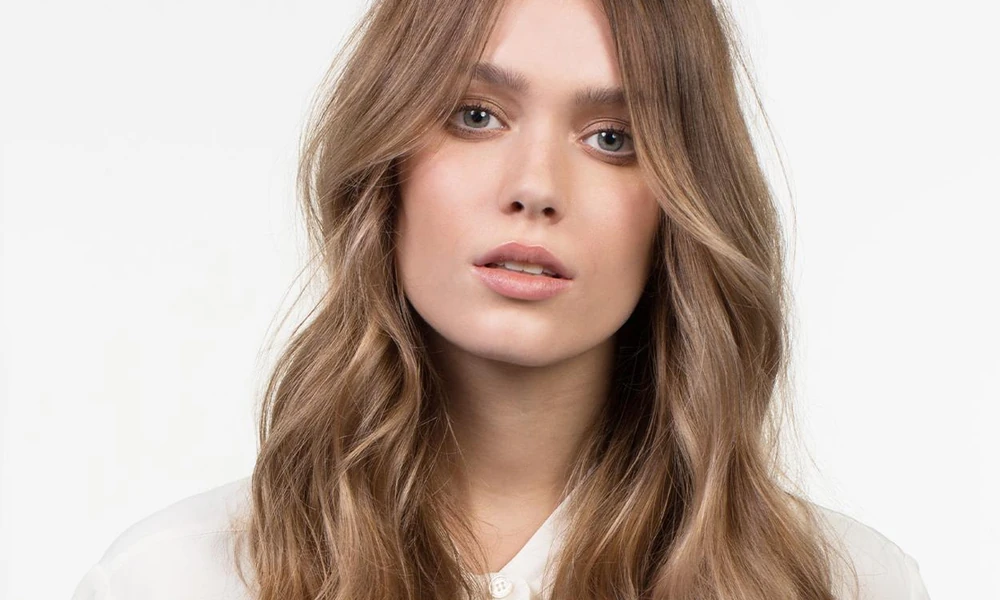
Light brown hair usually falls around levels 5 and 6 on the professional hair color scale. Level 1 represents black, while higher numbers move toward blonde. However, color levels and shade names can vary between brands.
This color keeps more depth than blonde but reflects more light than darker brown shades. It can look natural as an all-over color or gain extra movement through highlights and balayage.
Another benefit is that regrowth can look softer than it does with very light blonde hair, particularly when the new shade is close to your natural color. However, how noticeable your roots become depends on your starting shade and the color technique used.
Light Brown Hair Shades to Consider
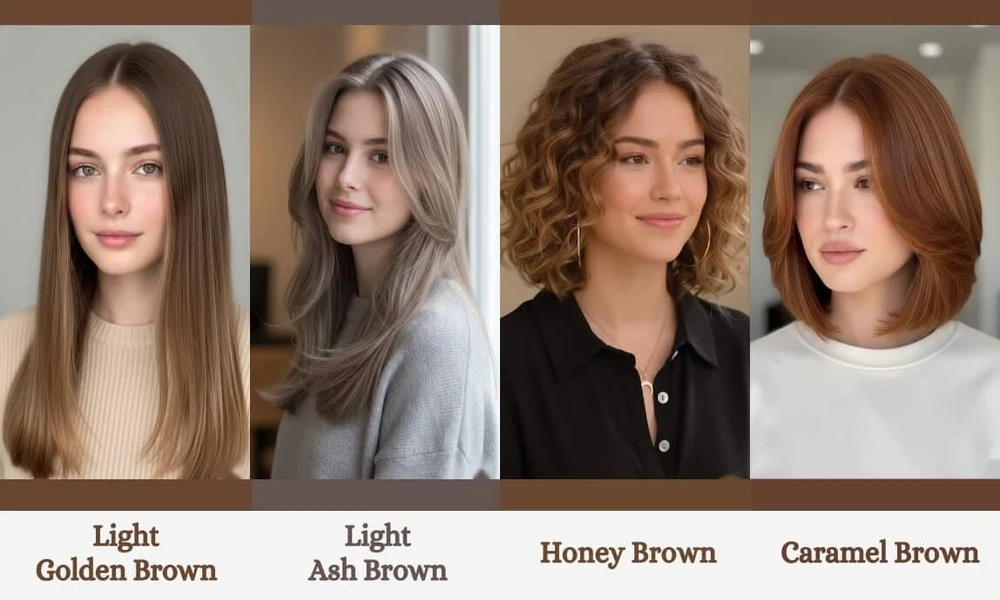
Light brown comes in several tones. Some have golden warmth, while others have cool or reddish undertones.
| Shade | Appearance | What to Consider |
| Golden light brown | Warm, sunlit brown | Can look too yellow or warm if the tone is not balanced |
| Ash light brown | Cool brown with smoky tones | May need toning if unwanted warmth appears |
| Honey light brown | Soft golden-beige brown | Works well for a warm, bright look |
| Light chestnut | Brown with subtle red tones | Red tones may fade or change over time |
| Light brown balayage | Brown base with lighter sections | Creates dimension without coloring every strand |
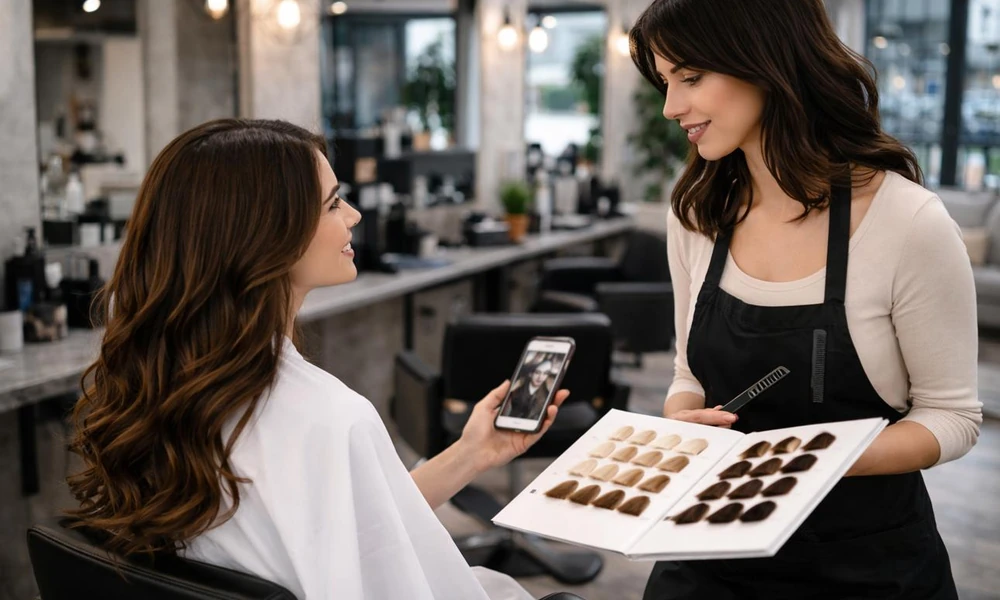
Shade names are not always consistent between salons and brands. Ask to see a color chart or examples of the finished shade before choosing.
How to Choose Light Brown Hair for Your Skin Tone
Your skin’s undertone can help you choose between warm and cool light brown shades. It is a useful starting point, but it should not be the only factor. Your natural hair color, personal style, and preferred level of contrast also matter.
- Warm undertones: Golden, honey, and warm chestnut shades can complement your complexion.
- Cool undertones: Ash and cooler light brown shades may create a balanced look.
- Neutral undertones: You can often try both warm and cool versions.
You may have heard of the vein and jewelry tests. Green-looking veins or gold jewelry are sometimes linked with warm undertones, while blue-looking veins or silver jewelry are linked with cool undertones. These tests are only rough guides and cannot reliably identify everyone’s undertone.
If you are unsure, compare hair color examples near your face in natural daylight. This can give you a better idea of how a shade looks against your complexion.
How to Care for Light Brown Hair
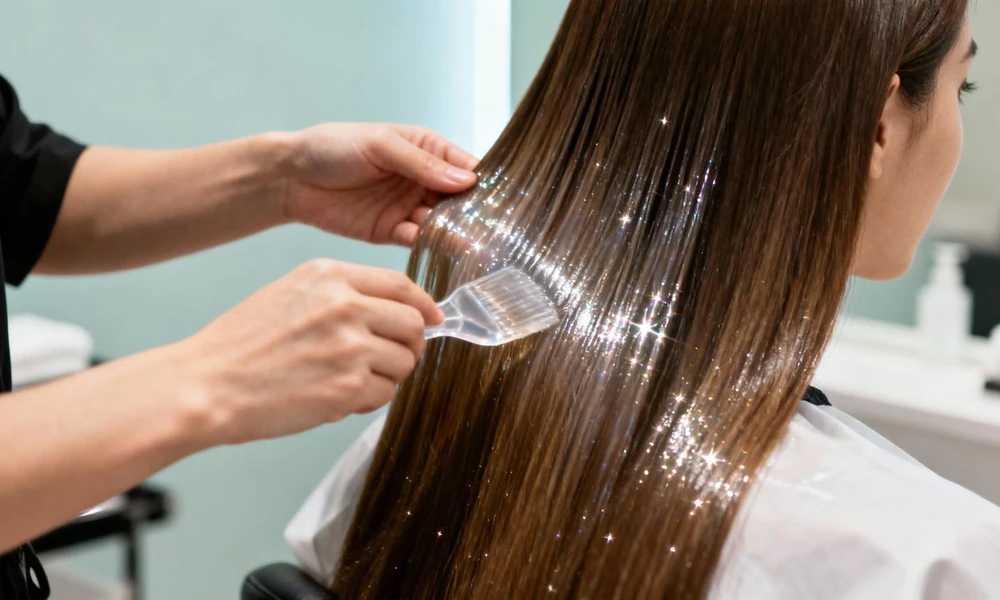
Light brown hair does not need a complicated routine. However, colored hair can become dry, dull, or uneven if you wash it too often or use too much heat.
A few basic habits can help:
- Use color-safe shampoo: Choose a gentle shampoo and wash as often as your scalp needs. Sulfate-free products may suit some people, but they are not essential for everyone.
- Condition regularly: Apply conditioner after washing to help reduce dryness and improve softness.
- Protect hair from heat: Use a heat protectant before blow-drying, curling, or straightening. Avoid very high temperatures.
- Limit strong sun exposure: Long periods in direct sunlight can affect color and hair condition. A hat or suitable hair product can help protect your hair.
- Use gloss when needed: A salon gloss may refresh the tone and add shine, but the timing depends on how quickly your color fades.
- Avoid unnecessary toning: Blue or purple products are not needed for every light brown shade. The right product depends on the unwanted tone you are trying to reduce.
Hard water can leave mineral deposits on hair, which may affect how it feels and looks. However, a shower filter is not a guaranteed fix for brassiness. If you suspect mineral buildup, ask a hair professional about a suitable clarifying or chelating treatment.
Adding Dimension: Balayage and Babylights
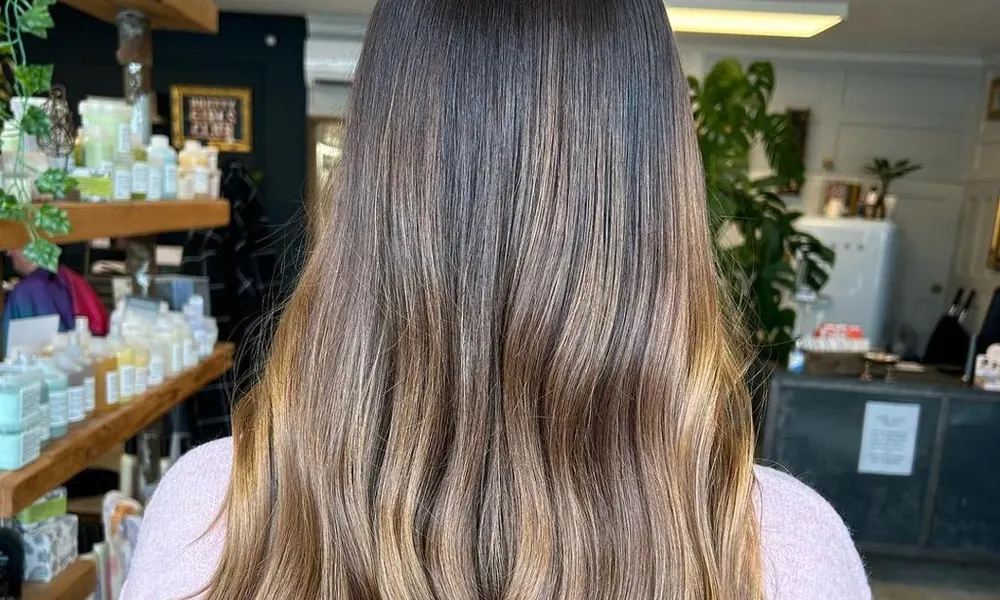
An all-over light brown color creates an even finish. If you prefer more contrast, balayage and babylights can add lighter sections without changing the entire base color.
Balayage uses a freehand technique to place lighter color through selected sections. It can create a softer transition between the roots and lighter ends.
Babylights are very fine highlights placed throughout the hair. They create a subtle, blended effect rather than bold streaks.
Both techniques can work with light brown hair. The final result depends on your starting color, hair length, texture, and the amount of lightening used. To understand how different shades and coloring techniques work, explore our hair color guide.
Tips Before Choosing Light Brown Hair
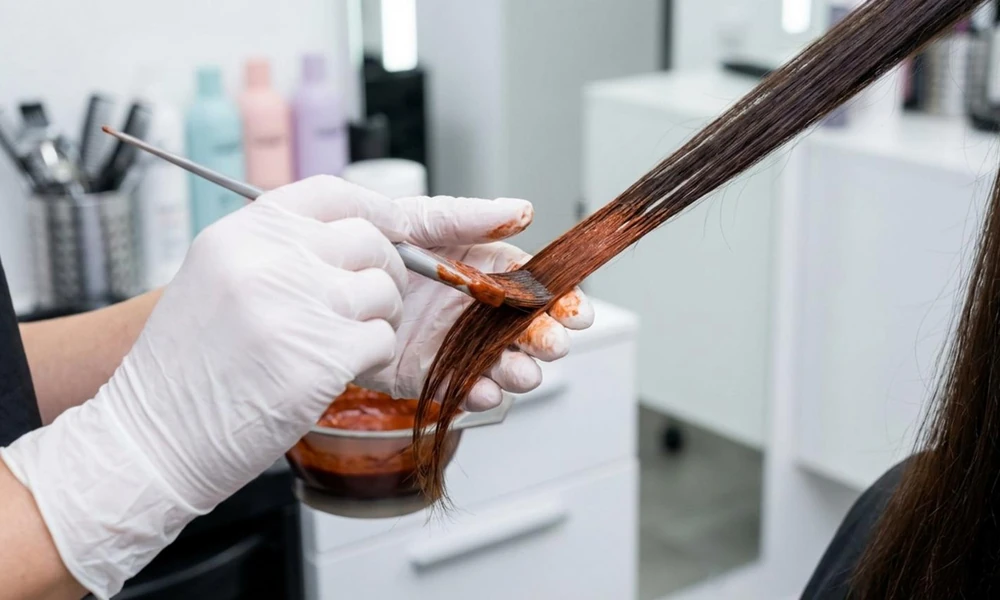
Before booking a color appointment, think about these points:
- Check the color level: Ask your colorist about the level and tone, not just the shade name.
- Show reference photos: Pictures can help explain how light or warm you want the result to look.
- Discuss your hair history: Previous dye, bleach, and chemical treatments can affect how your hair lifts.
- Ask about damage: Lightening can weaken hair, especially if it has already been treated.
- Consider a strand test: If you have dark or previously colored hair, a strand test can help show how it may respond before the full service.
If you are thinking about coloring your hair yourself, read about dyeing hair at home before choosing a product.
Frequently Asked Questions
What level is light brown hair?
It usually falls around levels 5 and 6, although numbering varies between color brands.
Is light brown hair easy to maintain?
It can be easier to maintain than very light blonde hair, especially when the shade is close to your natural color. Your maintenance needs depend on the technique and how quickly your color fades.
Does light brown hair suit olive skin?
Yes, many people with olive skin can wear light brown. Golden, honey, and chestnut tones are options, but the best choice depends on your individual complexion.
How do I stop light brown hair from looking brassy?
Use suitable color-care products, limit unnecessary heat, and protect your hair from strong sunlight. If unwanted warmth appears, ask a colorist which toning option is right for your shade.
Can I get light brown hair without bleach?
Sometimes. It depends on your natural color and previous treatments. Dark or previously colored hair may need lightener to reach a lighter brown shade.
Final Thoughts
Light brown hair can add brunette depth and blonde brightness. Truq it simple with one even shade, or add lighter sections like balayage and babylights.
Before choosing a color, consider your natural hair shade, skin undertone, and previous treatments. Ask your colorist about the expected result, possible hair damage, and the care it will need. A shade that works with your starting color is often easier to maintain than one that requires frequent correction.
Disclaimer: Hair color results vary by hair type, condition, and previous treatments. Consult a qualified colorist before making major color changes, especially if your hair has been chemically treated.









