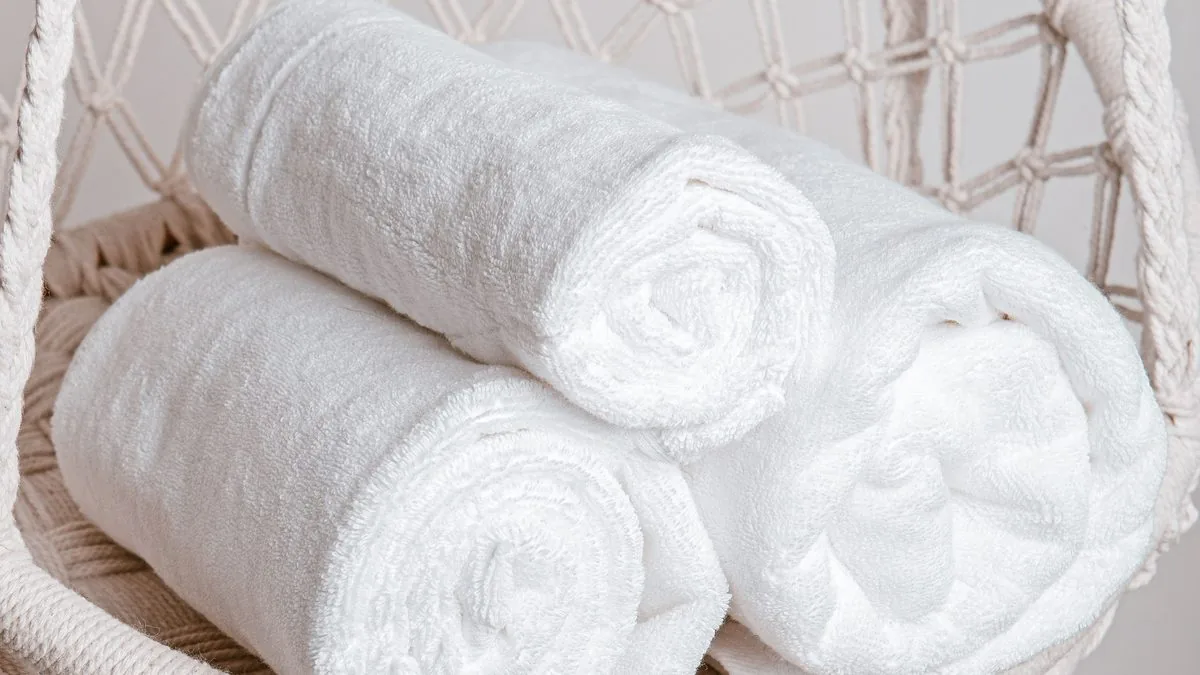

A silk towel sounds like a contradiction. Towels are supposed to be thick, thirsty and a little rough, while silk is supposed to be smooth, delicate and reserved for evenings out. Put the two together and most shoppers picture something impractical: a beautiful cloth that does nothing useful.
The reality is narrower and more interesting. A silk towel is a flat, smooth cloth made from silk or a silk blend, designed for a different job from the cotton towel already hanging in your bathroom: wrapping wet hair, patting skin dry without friction, and packing down to almost nothing in a travel bag. Some are pure silk, many pair silk with microfibre or cotton, and a fair few are not silk at all.
This guide explains what a silk towel is, which silk it is made from, how it absorbs water compared with cotton, how to spot a satin imitation, and who it genuinely suits.
Key takeaways
- A silk towel is a flat-weave cloth of silk or a silk blend, not a looped terry towel: smooth on both sides, light, and made to pat dry rather than rub.
- Most are hair towels or face towels, and many are reversible: a silk side that glides over hair and a microfibre or cotton side that does the heavy absorbing.
- Momme weight matters: 16 to 19 momme is light and breathable, 22 momme is denser and more durable, and Grade 6A mulberry silk is the usual quality mark.
- Silk absorbs well for its weight, but a flat silk cloth holds far less water than a thick cotton terry towel, so it dries hair and skin rather than soaking a whole body.
- No towel repairs hair or reverses skin ageing: the benefit is mechanical, less friction and less tugging, and a towel labelled silk-feel or silky is usually polyester, not silk.
What a silk towel actually is
A silk towel is a towel-shaped cloth woven from silk yarn, or from silk blended with another fibre. Where a cotton bath towel is covered in raised loops that catch and hold water, a silk towel is flat and smooth, with a soft sheen and almost no texture to snag on. Folded, it collapses into a thin square that weighs a fraction of a cotton towel the same size.
That flatness decides what it is good at. A silk towel is used to wrap wet hair, press water out of curls, or pat the face dry after cleansing. It is not designed to soak up a large volume of water in one pass, the way a big cotton bath towel does. Anyone who buys one expecting a one-for-one replacement for their bath towel will be disappointed, and that mismatch is behind most of the bad reviews these towels receive.
The silk underneath the name
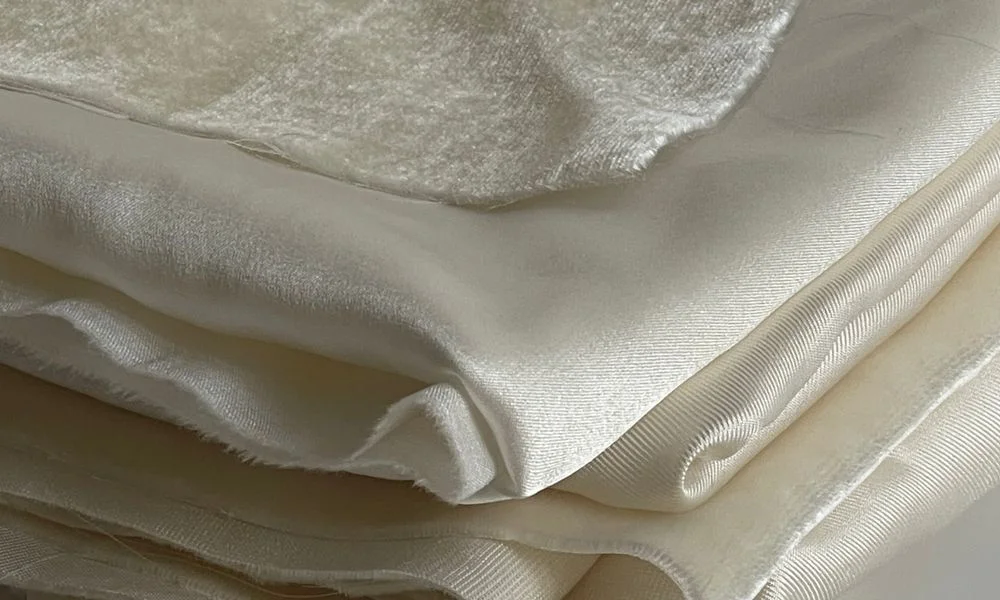
The best silk towels use mulberry silk, the fibre spun by the Bombyx mori silkworm, fed on mulberry leaves. It is a natural protein fibre, built from fibroin, and its long, uniform filaments make the finished cloth so smooth. Mulberry silk is graded, and Grade 6A is the top grade. Cheaper silks, such as tussah, have shorter fibres and a rougher hand.
Weave matters too. Charmeuse is the glossy weave most people picture when they think of silk: a satin weave, smooth enough for hair to slide across it. Habotai is lighter and more matte, with a soft, almost papery drape. None of these is a terry weave, which is why a silk towel never looks like a hotel bath towel.
Momme is the weight measurement for silk cloth, pronounced moh-may: the weight in pounds of a piece of silk 45 inches wide and 100 yards long. For towels, 16 to 19 momme is light, breathable and fluid, while 22 momme is denser, glossier and tougher. Momme measures weight and density, not quality on its own, so read it alongside the grade and the fibre statement.
The blends and imitations you will meet
Pure silk towels exist, but they are the minority. The most common design is a reversible towel: one side 100 percent mulberry silk, the other side microfibre. The microfibre side absorbs water quickly, and the silk side then smooths the hair as it finishes drying, with far less friction than cotton. Silk-cotton and silk-bamboo blends work the same way.
Then there are the imitations. A towel labelled silk-feel, silky or satin-touch is almost always polyester, which absorbs almost no moisture. It is the same naming trick that causes confusion with pillowcases, where satin describes a weave rather than a fibre, as our guide to what a satin pillowcase is explains. Check the label: look for a fibre line stating 100 percent mulberry silk or an exact blend, a momme figure, and ideally a certification such as OEKO-TEX Standard 100.
What it does for hair and skin, and what it does not
The real benefit of a silk towel is friction, or rather the lack of it. Hair is at its most fragile when wet: the cuticle is swollen, the strands stretch more easily, and rough rubbing can snap them. A smooth silk surface lets wet hair slide instead of catching, which means less tugging, fewer tangles and less frizz as it dries. The effect is strongest on curly, fine, colour-treated or damaged hair.
For skin, the argument is gentler but similar: patting the face dry with a smooth cloth drags less than scrubbing with a looped towel, which matters for sensitive or reactive skin. What a silk towel does not do matters too: it does not repair split ends, regrow hair, clear spots or smooth wrinkles, and it does not dry hair faster on its own.
Silk towel vs cotton towel at a glance
| Aspect | Silk towel | Cotton towel |
|---|---|---|
| Fibre | Natural protein fibre, usually mulberry silk, often blended | Natural plant fibre, usually long-staple cotton |
| Surface | Flat, smooth, light sheen, no raised loops | Looped terry pile, soft but textured |
| Feel against skin | Cool, gliding, very low friction | Warm, plush, more drag across skin |
| Absorbency | Absorbs well for its weight, but holds little volume | Soaks up large volumes of water quickly |
| Drying speed | Dries fast once wrung out, being thin and light | Stays damp longer, especially thick towels |
| Friction on hair | Very low, less tugging, tangling and frizz | Higher, can rough up the cuticle when rubbed |
| Care | Gentle wash, no bleach or softener, air dry | Machine wash hot, tumble dry, hard to ruin |
| Price | High, especially pure silk at 22 momme | Low to moderate, even for good cotton |
The comparison explains why the two towels are complements rather than rivals. Cotton is the workhorse for soaking up water after a bath; silk is the finishing cloth for hair and face, where gentleness matters more than volume. The same friction argument applies to silk bedding: our comparison of silk vs satin pillowcases shows how it plays out on a pillow.
Who a silk towel suits best
A silk towel suits anyone whose hair complains about ordinary towels. Curly and wavy hair benefits most, because curls clump and frizz when roughed up, and a smooth wrap helps them dry in their natural pattern. Fine hair and colour-treated or heat-damaged hair are the next best candidates.
Checklist: before you buy a silk towel
- Read the fibre line: it should state 100 percent mulberry silk or an exact blend, never just silk-feel or silky.
- Check the momme weight: 16 to 19 momme for a light towel, around 22 momme for a denser, longer-lasting one.
- Look for Grade 6A and a certification such as OEKO-TEX Standard 100 on the listing or the label.
- Match the size to the job: a hair wrap for hair, a small face towel for skin, and a blend for full-body use.
- Decide pure silk or reversible: a silk and microfibre reversible towel dries hair faster than pure silk alone.
- Check the care label before paying: if it needs hand washing and you never hand wash, it will sit unused in a drawer.
Care: washing and keeping silk in good shape
Silk is a protein fibre, and it dislikes the same things that damage wool: heat, harsh detergents and rough handling. Wash a silk towel by hand in cool water with a small amount of pH-neutral or silk-specific detergent, or use a gentle machine cycle inside a mesh laundry bag. Never use bleach, and skip fabric softener.
Frequently asked questions
Is a silk towel the same as a satin towel?
No. Silk is a fibre and satin is a weave, so a satin towel can be made from silk, polyester, nylon or rayon. One described only as satin is most often polyester satin: glossy, but absorbing almost no water. A genuine silk towel states its fibre, usually 100 percent mulberry silk.
Does a silk towel absorb water well?
Silk absorbs moisture well relative to its weight, taking up roughly a third of its own weight in water without feeling wet. The catch is volume: a thin, flat silk cloth holds less water than a thick terry cotton towel. That is why most silk hair towels pair silk with microfibre, which does the absorbing.
Is a silk towel good for curly hair?
Yes, curly hair is one of the best use cases. The smooth surface lets curls slide rather than catch, so they dry with less frizz. Wrapping the hair and leaving it, rather than rubbing, gives the best result.
Can you wash a silk towel in a washing machine?
Many can, on a gentle cycle in cool water, inside a mesh laundry bag with a mild detergent. Check the care label first, because some pure silk towels are hand wash only. Never use bleach or fabric softener, and air dry rather than tumble drying.
Why are silk towels so expensive?
Real mulberry silk is costly to produce: the silkworms are farmed, the cocoons are unwound into long filaments, and the cloth is woven and finished carefully. A 22-momme Grade 6A towel uses more and better fibre than a thin 16-momme one, and that shows in the price. Cheap silk towels are usually polyester or a very low silk blend.
Is a silk towel worth it for everyday use?
It is worth it as a hair or face towel, where gentleness matters, and as a travel towel, where lightness and fast drying matter. It is rarely worth it as a main bath towel, where cotton absorbs more, costs less and survives a hot wash. Most happy owners use both, and keep the silk towel for the job it does best.
The bottom line
A silk towel is a smooth, flat-weave cloth made from silk or a silk blend, and it earns its place by being gentle rather than thirsty. It wraps wet hair without tugging, pats skin dry without dragging, and packs down to almost nothing, which makes it genuinely useful for curly, fine or damaged hair, sensitive skin and travel. Before buying, check the details: mulberry silk, Grade 6A, and a momme weight in the high teens or low twenties.
Buy it for the job it does well and keep a cotton towel for the rest. A silk towel will not replace your bath towel, repair your hair or change your skin, but as a finishing cloth after washing it makes the gentlest part of the routine a little kinder. If silk in the bathroom appeals to you, a silk robe is the natural next step: our guide to why silk robes are worth it covers when that second piece of silk is worth the money.
Note: This guide is general shopping advice, not medical advice. If you have a skin condition or a silk allergy, check with a clinician before switching towels, and confirm the fibre, momme and care details on the seller’s page before buying.
Meet Our Experts
Our lifestyle editors research fabrics, home textiles and beauty tools, checking fibre labels, weave descriptions and care instructions against seller specifications before recommending a product.
Why Trust BrassSmile
We explain what a product is before we recommend it, we separate the fibre from the weave and the marketing from the specification, and we say plainly when a cheaper alternative does the job better.
Sources
Silk fibre and momme guidance from textile references and silk specialists; product specifications from mulberry silk towel makers, including reversible silk and microfibre hair towel listings.